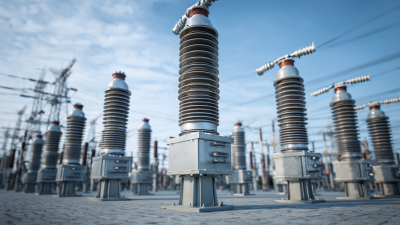
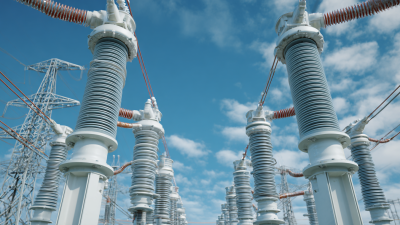
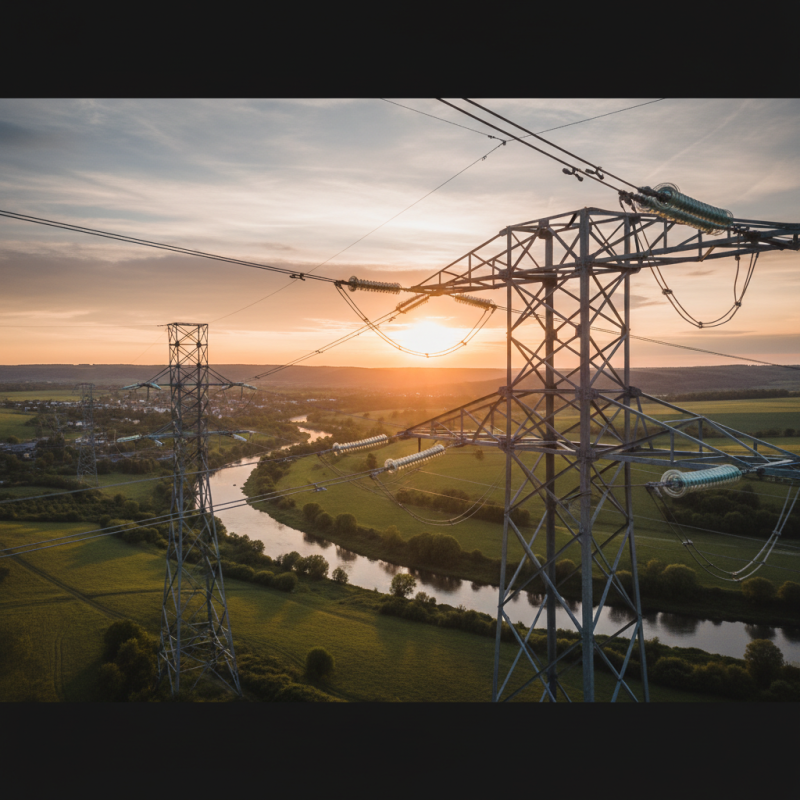
When we talk about power distribution, there's no denying that how reliable and efficient the electrical networks are really matters. One critical piece of this puzzle is the 11kv Insulators. These might seem like small parts, but they actually play a huge role—they act as the safety barriers that make sure electricity gets transmitted smoothly and safely over long distances. As our energy demands keep growing and systems are pushed to their limits, understanding why 11kV insulators are so important becomes a lot clearer. They’re key to keeping things running without hiccups and making sure the equipment lasts longer.
What makes these insulators so essential isn’t just that they support overhead lines, but also their job in preventing electrical faults that could cause system crashes. By keeping the right level of insulation, they help reduce the risk of accidents from weather, wear and tear, or other environmental factors. Plus, choosing the rigHt Insulators and installing them properly can really boost the overall efficiency of the entire power network. Better installation means less energy wasted and a more reliable system that you can count on.
All in all, with growing demands for stable, reliable power, it’s pretty clear how vital 11kV insulators are. They’re absolutely crucial for making sure our electrical grids stay safe, efficient, and ready to meet the energy needs of our modern lives. Without them, keeping the lights on would be a whole lot harder.
Importance of 11kV Insulators in Power Distribution Systems
11kV insulators play a pivotal role in the efficiency of power distribution systems. Their primary function is to support and insulate the electrical conductors, ensuring safe and reliable transmission of electricity. According to a report by the International Energy Agency, proper insulation in power distribution networks can reduce energy losses by up to 10%. This not only maximizes the transfer of electricity but also minimizes the risk of faults that could lead to outages, ensuring a consistent power supply to end-users.
The importance of 11kV insulators cannot be overstated, especially in the context of increasing global energy demands. With the rise in renewable energy sources and smart grid technologies, the performance and reliability of power distribution systems are under greater scrutiny. Research indicates that insulators with superior performance characteristics can withstand harsh environmental conditions, significantly lowering maintenance costs and extending the life of the infrastructure. In fact, studies suggest that upgrading to high-quality insulators can lead to operational cost savings of up to 20% over time.
Tips for selecting the right 11kV insulators include evaluating the material properties, environmental conditions, and system voltage requirements. Always ensure that the chosen insulators meet the regulatory standards in your region to guarantee safety and performance. Additionally, consider conducting routine inspections and maintenance to detect early signs of wear or degradation, which is crucial in preventing power disruptions.
Types of 11kV Insulators and Their Applications
11kV insulators play a vital role in supporting efficient power distribution systems, ensuring the reliability and safety of electrical transmission. Various types of 11kV insulators are employed, including ceramic, composite, and polymer insulators, each chosen for their specific mechanical and electrical properties tailored to different environmental conditions and operational requirements.
Ceramic insulators are traditionally used due to their excellent electrical performance and durability. They can withstand harsh weather conditions and are resistant to corrosion, making them ideal for outdoor applications.
Composite insulators, on the other hand, utilize a combination of materials that offer lightweight properties and enhanced resistance to pollution and environmental stresses. These insulators are particularly beneficial in urban areas where space is limited.
Polymer insulators, known for their flexibility and low weight, are increasingly used in challenging terrains where ease of installation is crucial. Each type of insulator will have a unique range of applications tailored to particular installations, ensuring that the power distribution system operates efficiently under various conditions.
Key Features of High-Voltage Insulators
High-voltage insulators, essential components in power distribution networks, play a critical role in ensuring reliable and efficient electricity supply. One of the key features of 11kV insulators is their ability to withstand various environmental conditions. Constructed from materials such as porcelain, glass, or composite polymers, these insulators provide excellent dielectric strength and mechanical stability. Their design allows them to resist contamination from pollutants and moisture, thereby minimizing the risk of electrical failure and enhancing overall system reliability.
Another important characteristic of high-voltage insulators is their ability to handle the thermal stresses associated with electrical load changes. These insulators are designed to endure high-temperature fluctuations without compromising their structural integrity. Additionally, they are engineered to prevent flashovers, which can occur when voltage levels exceed a certain threshold. By effectively managing electrical and thermal stresses, 11kV insulators ensure that power distribution systems operate efficiently, helping to maintain consistent electricity supply to consumers while minimizing maintenance costs and outages. Their robust construction and superior performance are vital for the long-term sustainability of electrical infrastructure.
Factors Affecting the Performance of 11kV Insulators
The performance of 11kV insulators is influenced by several critical factors that directly affect the reliability and longevity of power distribution systems. One of the primary factors is the environmental conditions in which the insulators operate. For instance, areas with high pollution levels or saline environments can lead to increased leakage currents and dielectric degradation. According to a study published by the International Electrotechnical Commission (IEC), polluted insulators show a reduction in performance by up to 50% compared to clean counterparts, necessitating frequent maintenance and replacement.
Another pivotal factor is the material composition of the insulators themselves. Common materials include porcelain, glass, and polymer composites, each exhibiting distinct electrical and mechanical properties. Research indicated that composite insulators offer improved resistance to hydrophobicity and UV degradation when compared to traditional materials, resulting in lower maintenance costs and higher performance reliability. A report by the IEEE suggests that the use of advanced polymer materials can enhance the service life of insulators by 30-40%, making them a preferred choice in modern power distribution networks.
Furthermore, the design and manufacturing processes of 11kV insulators play a crucial role in their operational efficacy. Factors like the geometry, surface texture, and insulation thickness impact their performance under stress. The National Electrical Safety Code (NESC) outlines stringent standards for insulator design, emphasizing the importance of these parameters in ensuring optimal electrical performance and mitigating failure rates. Adhering to these standards can significantly enhance the durability and efficiency of power distribution operations.
Impact of Environmental Conditions on Insulator Efficiency
The efficiency of 11kV insulators in power distribution heavily relies on environmental conditions. Factors such as temperature, humidity, and pollution levels can significantly affect the performance and reliability of these insulators. For instance, high humidity can lead to increased surface leakage current, which may compromise the insulator's effectiveness. Consequently, insulators in coastal or industrial areas, where salinity and pollutants are prevalent, face greater challenges compared to those located in cleaner, rural settings.
Moreover, temperature fluctuations can introduce thermal stresses on insulators, altering their physical properties. In colder climates, the accumulation of ice or snow can create additional mechanical loads, potentially leading to insulator failure. Similarly, extreme heat may accelerate aging processes, causing materials to degrade more quickly than anticipated. As a result, utility companies must consider local environmental conditions when selecting insulators, ensuring that they choose materials and designs best suited to withstand specific climatic challenges. This careful consideration not only enhances the efficiency of power distribution but also prolongs the lifespan of the insulators, ensuring reliable service in changing conditions.
Maintenance Practices for Ensuring Insulator Reliability
Maintenance practices play a crucial role in ensuring the reliability of 11kV insulators, which are essential components in power distribution networks. Regular inspections are the first step in effective maintenance. Technicians should conduct visual and thermal inspections to identify any signs of wear, damage, or overheating. These assessments can uncover issues like pollution buildup or physical cracks that, if left unchecked, could lead to insulator failure. Implementing a routine inspection schedule helps utility companies catch problems early and address them before they escalate.
Cleaning is another vital maintenance practice for insulator reliability. Over time, insulators can accumulate dirt, pollution, and other contaminants that impact their performance. Employing proper cleaning techniques removes these deposits, ensuring that the insulators maintain their dielectric strength and resist flashovers. In addition, protective coatings can be applied to enhance their resistance to environmental stressors, thereby extending their operational lifespan. By combining regular inspections and cleaning with appropriate protective measures, power distribution systems can ensure the longevity and efficiency of 11kV insulators, ultimately safeguarding service continuity.
11kV Insulator Reliability and Maintenance Practices
This chart illustrates the maintenance practices impact on the reliability of 11kV insulators. The data shows the percentage of insulators requiring maintenance after different intervals.
Future Innovations in 11kV Insulator Technology
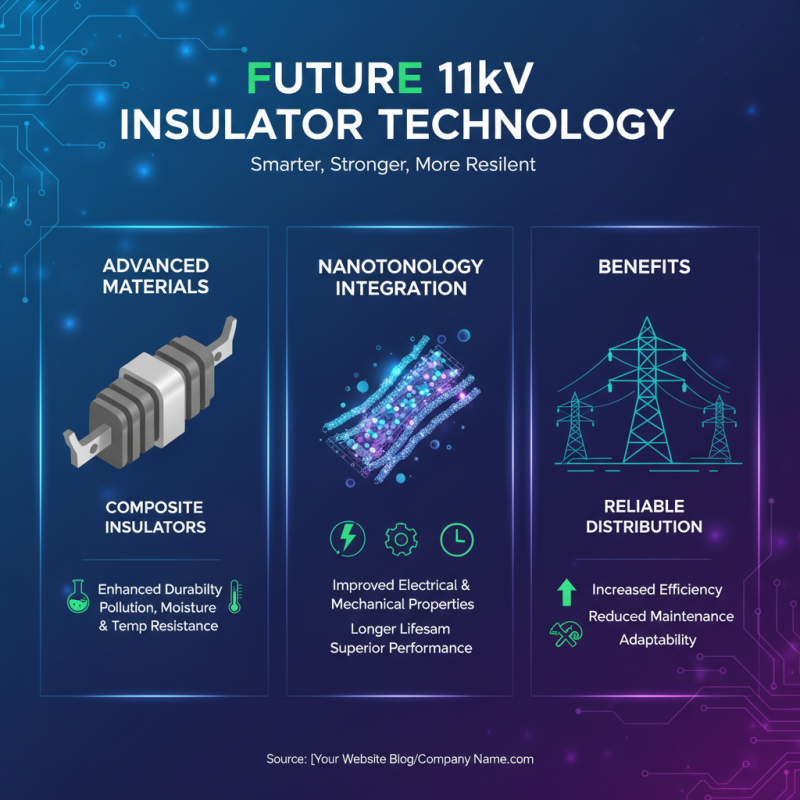
The future of 11kV insulator technology is poised for significant advancements as the demand for reliable and efficient power distribution continues to grow. Innovations are likely to focus on materials that enhance durability and performance under varying environmental conditions. This could include the development of composite insulators that combine the advantages of different materials, offering superior resistance to pollution, moisture, and temperature fluctuations. By incorporating nanotechnology, manufacturers may enhance the electrical and mechanical properties of insulators, resulting in improved performance over traditional materials.
Another area of innovation lies in the integration of smart technology into insulator design. Smart insulators equipped with sensors can monitor environmental conditions and electrical performance in real-time. This data can help utility companies predict maintenance needs, detect faults early, and optimize operational efficiency. Additionally, the use of artificial intelligence algorithms in conjunction with sensor data could lead to proactive management of the power distribution network, ensuring minimal downtime and maximized reliability. These advancements not only promise significant benefits for power distribution but also align with global sustainability targets, paving the way for a more efficient energy infrastructure.
Evaluating the Performance and Reliability of 160kN U160BD Double-Shed Glass Insulators in High Voltage Applications: An Industry Analysis
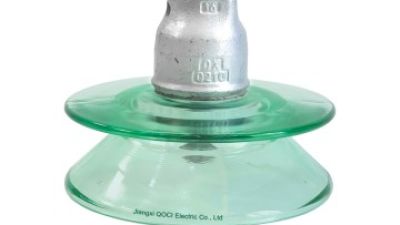
The evaluation of the performance and reliability of 160kN double-shed glass insulators, such as the U160BD model, is crucial for ensuring efficient operation in high voltage applications. These insulators are designed to withstand harsh environmental conditions while providing exceptional electrical insulation. Their robust construction and adherence to stringent IEC standards make them ideal for high voltage lines, where safety and reliability are paramount.
In addition to the U160BD model, various types of high voltage glass insulators, including the U160BLD double-shed type and the two-winged PSD-160 B suspension insulator, highlight the versatility of glass insulators in different setups. The toughened surface and anti-fog features of these insulators significantly enhance their performance, reducing the risk of flashovers in adverse weather conditions. This aspect is particularly important for utility companies that rely on consistent power transmission and distribution across vast networks.
Industry analysis indicates that the adoption of high-quality glass insulators, such as the double-shed types and cap-and-pin configurations, leads to improved reliability in electrical systems. As the demand for high voltage applications grows, investing in durable and efficient insulators becomes increasingly critical for enhancing overall service life and reducing maintenance costs.
FAQS
: The efficiency of 11kV insulators is influenced by environmental conditions such as temperature, humidity, and pollution levels. High humidity can increase surface leakage current, while temperature fluctuations can introduce thermal stresses that affect performance.
High humidity can lead to increased surface leakage current, which compromises the effectiveness of insulators. As a result, insulators in areas with high salinity and pollutants face greater challenges.
Temperature fluctuations can cause thermal stresses on insulators, altering their physical properties. In colder climates, ice accumulation may impose extra mechanical loads, whereas extreme heat can accelerate material degradation.
Maintenance is crucial for ensuring the reliability of 11kV insulators. Regular inspections help identify signs of wear or damage, while cleaning removes contaminants that affect performance.
Effective maintenance should include regular visual and thermal inspections, routine cleaning to remove dirt and pollutants, and the application of protective coatings to enhance resistance to environmental stressors.
Future innovations may involve developing composite insulators for enhanced durability, integrating smart technology with sensors for real-time monitoring, and utilizing nanotechnology to improve electrical and mechanical properties.
Smart insulators equipped with sensors can monitor environmental and electrical performance in real-time, aiding in early fault detection and optimized maintenance, ultimately enhancing operational efficiency.
The integration of artificial intelligence with sensor data can lead to proactive management of the power distribution network, minimizing downtime and maximizing reliability in power distribution systems.
Advancements in insulator technology promise to improve efficiency in power distribution, contributing to global sustainability targets by fostering a more reliable and environmentally friendly energy infrastructure.
Conclusion
11kV insulators play a crucial role in ensuring efficient power distribution systems by providing electrical insulation and mechanical support. These insulators come in various types, including porcelain, glass, and composite materials, each with specific applications tailored to different environmental and operational requirements. Key features such as high tensile strength, resistance to electrical stress, and durability against harsh conditions significantly enhance their performance.
However, factors like temperature fluctuations, humidity, and pollution can impact the efficiency of 11kV insulators, necessitating regular maintenance practices to ensure their reliability and longevity. As technology advances, innovations in 11kV insulator design and materials are on the horizon, promising to improve their effectiveness further, adapting to the evolving needs of power distribution networks. Proper understanding and management of these elements are vital for maintaining an efficient and reliable electrical infrastructure.