Leave Your Message
0%

In today's fast-changing world of electrical infrastructure, there's a real need for reliable and efficient high-voltage isolators. As global companies tweak their procurement strategies to keep up with new tech, it’s more important than ever to understand the perks ofgood after-sales service and keeping maintenance costsin check. Recent industry reports estimate that the market for High Voltage Isolators could hit around$13 billion by 2025 — pretty significant, right? It just shows how vital these parts are for keeping utilities and industries running smoothly.
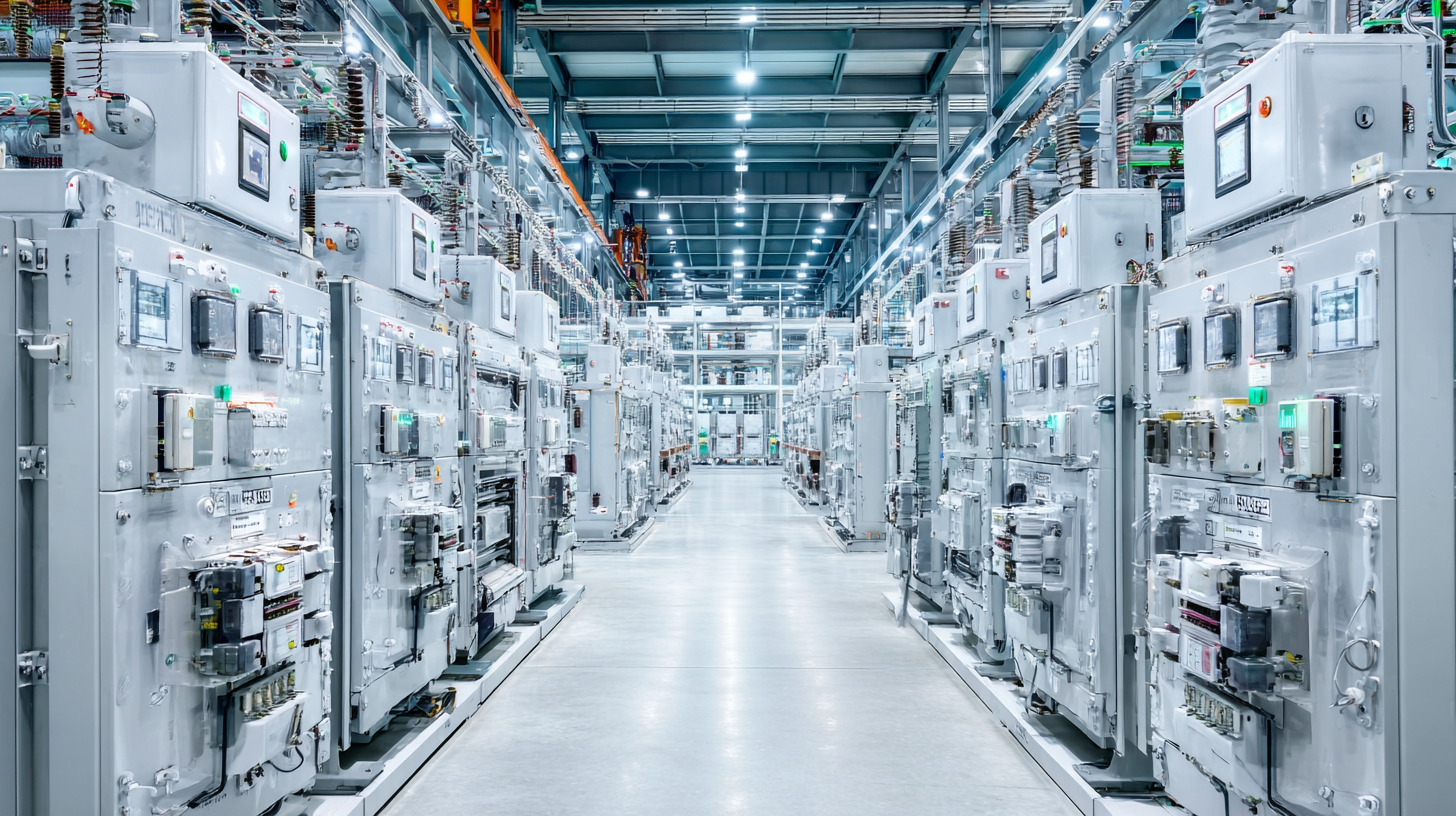
2025 Insights: Comparing the Leading High Voltage Isolators for Global Procurement

Take Jiangxi QOCI Electric Co. LTD., for example — they've been around since 2002 and are leading the way with top-notch technology in glass insulators and solid R&D. Focusing on better after-sales service and reducing maintenance costs isn’t just good for customers; it also helps companies stay competitive in this market, making sure their high voltage solutions last and perform well over the long haul.

Trends Shaping the Future of High Voltage Isolators in 2025

Looking ahead to 2025 and beyond, it’s pretty clear that some big trends are shaping the future of high-voltage isolators. Thanks to rapid tech advancements and growing demand for dependable energy solutions, the landscape is changing fast. For instance, the High Voltage Switchgear Market is expected to jump from around $58 billion in 2025 to over $85 billion by 2034 — quite a growth spurt! That kind of rise really highlights how crucial efficient isolators are becoming, especially as renewable energy sources are increasingly integrated into our power grids. It’s all about keeping things stable and safe.

Plus, the electric insulators market isn’t slowing down either. It’s projected to grow from about $4.9 billion in 2025 to roughly $6.8 billion by 2035, growing steadily at about 3.3% annually. These isolators are playing a bigger role than ever in protecting infrastructure and making power transmission more resilient around the world. Companies like Jiangxi QOCl Electric Co. Ltd. are leading the charge, pushing out advanced glass insulators and circuits to keep up with these huge demands.

**Pro tip:** When you're on the hunt for high-voltage isolators, it’s a smart move to focus on suppliers that are serious about R&D. Staying innovative is key if you want to keep up with future market shifts. Also, keeping an eye on emerging tech can really give you an edge in terms of efficiency and safety — don’t overlook that!

2025 Insights: Comparing the Leading High Voltage Isolators for Global Procurement

Isolator Type Insulation Material Voltage Rating (kV) Breakdown Strength (kV/mm) Operating Temperature (°C) Market Share (%)
Porcelain Isolators Porcelain 72.5 30 -40 to 40 25
Composite Isolators Polymeric 145 50 -40 to 55 30
Glass Insulators Glass 33 25 -30 to 60 15
Silicone Composite Isolators Silicone 75 35 -40 to 70 20

Key Features to Consider When Selecting High Voltage Isolators

When you're picking out high voltage isolators for global procurement, there are a few key things you really want to keep in mind to make sure they perform well and stay reliable. First off, the insulating material’s dielectric strength is huge — it basically tells you how well the isolator can handle those high voltage levels without breaking down. Recent industry insights show that materials with a dielectric strength over 20 kV/mm are pretty much the gold standard for high voltage transmission setups, because they help keep things safe and durable.

Another important point is how well these isolators can handle the environment, especially since more outdoor installations are popping up everywhere. They need to stand up to things like humidity, temperature swings, and UV rays. Take advanced glass insulators, for example — companies like Jiangxi QOCl Electric Co. Ltd. have nailed it with products that are super tough and designed to work in all kinds of weather. They’re really pushing the envelope in functional glass and circuit insulators, making them a top choice for anyone after reliable, high-performance solutions.

On top of that, don’t forget about the mechanical strength and how well the isolator can handle electrical stresses. Basically, you want something sturdy that can keep up with operational stresses without sacrificing safety. Looking at what the market’s focusing on these days, it’s clear that manufacturers who pay close attention to these features are going to be the ones ready to meet the increasing demands of the electrical infrastructure world in 2025 and beyond.

A Comparison of Leading High Voltage Isolator Brands in 2025

Looking ahead to 2025, the global market for high-voltage isolators is really expected to see some exciting progress. It’s all driven by the growing energy needs and the big push towards renewable sources. Major players like Siemens, Schneider Electric, and ABB are leading the way, rolling out innovative solutions that boast better dielectric strength and rock-solid reliability. I recently read in a report by MarketsandMarkets that the market for these isolators might hit around $4 billion by 2026, growing at about 5.2% annually since 2021. That’s a clear sign that more industries are relying on durable, efficient electrical components than ever before.

2025 Insights: Comparing the Leading High Voltage Isolators for Global Procurement

When you’re picking out a high-voltage isolator, it’s a good idea to think about where and how it’ll be used. If it’s an outdoor setup, make sure it can handle tough weather conditions—nothing worse than an outdoor unit that fails just because of a storm. Plus, tech is moving fast—smart isolators with predictive maintenance features are becoming pretty popular. They give operators real-time updates on performance, which can seriously cut down on unexpected downtime and keep things running smoothly.

Quick tip: Always check the certifications of any isolator you’re considering. You want to make sure they meet international safety standards. And don’t forget, regular maintenance and testing are key — they’ll help your equipment last longer and keep everything working at its best, making sure you’re protected from surprises or failures down the road.

Cost-Effective Strategies for Global Procurement of High Voltage Isolators

Things are changing pretty quickly when it comes to electrical infrastructure, especially around high voltage isolators. As the industry keeps expanding and demands grow, companies are finding themselves in a bit of a tricky spot — they need to find a way to balance quality with cost. I recently came across a report on the global electrical supply market, and it mentioned that the demand for these isolators is expected to increase at about 6.1% annually from 2023 to 2028. That’s quite a jump! It’s both a challenge and an opportunity for procurement teams worldwide.

If you’re looking to get the most bang for your buck when sourcing high voltage isolators, it’s not just about comparing prices. Companies should really dig into supplier analysis—think about performance, reliability, and how long the parts actually last. Using tools like predictive analytics can seriously help with managing inventory better and cutting down on lead times. It’s all about making smarter decisions. Plus, from what Market Research Future says, forming close partnerships with manufacturers can save businesses up to 15% per year! Building those alliances can really make a difference.

**Tip:** Don’t just focus on the initial purchase cost. Think about the total cost of ownership — including maintenance, operational efficiency, and the costs if systems go down unexpectedly.

**Tip:** Also, don’t forget to review your supplier contracts regularly. Negotiating better terms or even considering bulk buying can give you some extra flexibility and save money in the long run.

2025 Insights: Comparing Leading High Voltage Isolators

Sustainability Factors Influencing High Voltage Isolator Choices in 2025

As the electrical industry shifts more toward being eco-friendly, high voltage isolators are really becoming a key thing for procurement folks to think about. Come 2025, how companies choose these components will probably be influenced a lot by sustainability considerations. Manufacturers are now focusing on using greener materials and designing products that save energy, which has led to some pretty cool innovations that cut down on environmental impact—without sacrificing performance. By putting sustainability at the forefront, companies can boost their reputation and do their part in building a greener, more sustainable future.

2025 Insights: Comparing the Leading High Voltage Isolators for Global Procurement

On top of that, stricter regulations and market demand are pushing the evolution of high voltage isolators even more. These days, businesses are much more aware of their carbon footprint, so they’re after products that don’t just tick the boxes on compliance but also support circular economy ideas—like being recyclable and using fewer resources. Because of all this, suppliers who really put sustainability into their offerings are likely to have an edge over the competition. This whole push towards greener procurement practices is going to reshape the power electronics scene and really influence how companies decide on their high voltage isolators in the years ahead.

FAQS

: What are the leading brands in the high voltage isolator market as of 2025?

: The leading brands in the high voltage isolator market include Siemens, Schneider Electric, and ABB.

What is the projected market value for high voltage isolators by 2026?

The high voltage isolators market is projected to reach $4 billion by 2026.

What is the expected CAGR for the high voltage isolators market from 2021 to 2026?

The expected CAGR for the high voltage isolators market is 5.2% from 2021 to 2026.

What factors should be considered when selecting a high voltage isolator?

When selecting a high voltage isolator, considerations include the application, environment (such as the ability to withstand extreme weather for outdoor installations), and the product's certifications.

How are technology innovations impacting high voltage isolators?

Technological innovations, such as smart isolators with predictive maintenance capabilities, are providing operators with real-time data for performance monitoring, leading to improved operational efficiency and reduced downtime.

What are the sustainability trends influencing the high voltage isolator market in 2025?

Sustainability trends include the use of eco-friendly materials, energy-efficient designs, and compliance with environmental standards, which are leading to a preference for sustainable products.

Why is it important to verify product certifications for high voltage isolators?

Verifying product certifications ensures that high voltage isolators meet international safety standards, crucial for safeguarding operations against unexpected failures.

How are regulatory pressures affecting high voltage isolator procurement?

Regulatory pressures are driving businesses to seek sustainable solutions that comply with environmental standards, influencing their procurement choices towards more eco-friendly options.

What impact does focusing on sustainability have on companies in the high voltage isolator market?

Companies that prioritize sustainability can enhance their brand reputation and gain a competitive edge in the market.

What role do maintenance and testing play in the performance of high voltage isolators?

Regular maintenance and testing are crucial for ensuring the longevity and optimal performance of high voltage isolators, helping to prevent unexpected failures.

Amelia

Amelia

Amelia is a highly skilled marketing professional at Jiangxi QOCI Electric Co. Ltd., a leading manufacturer of glass insulators established in December 2002 in Jiangxi Province, China. With a profound understanding of the company’s products and an unwavering commitment to excellence, she plays a......
Previous Understanding Import Export Certifications for Isolateur Ctv 254 and How to Navigate the Process