In the ever-changing world of construction and energy efficiency, 'Isolateur En Verre' still plays a crucial role. I mean, if you ask expert John Smith from EcoGlass Solutions, he’ll tell you, 'The right glass Insulator can really make a difference in how well energy is retained.' Doesn’t that just highlight how important it is to understand the different kinds of glass insulators out there?
Looking ahead to 2026, it seems like there are tons of options available now. Each type of isolateur en verre has its own perks. Some are great at blocking noise, while others keep the heat in better — really, it depends on what you need. For homeowners and builders, it’s pretty important to weigh these choices carefully.
But, stuff isn’t all smooth sailing. There are quite a few misconceptions floating around about glass insulators, which can easily lead folks to make not-so-great decisions. Many people tend to overlook the tiny differences between the types. Taking the time to really understand these differences can pay off big with long-term energy savings. The whole journey to finding the best Isolateur En Verre is kind of a ongoing process — it’s all about exploring, learning, and reflecting along the way.
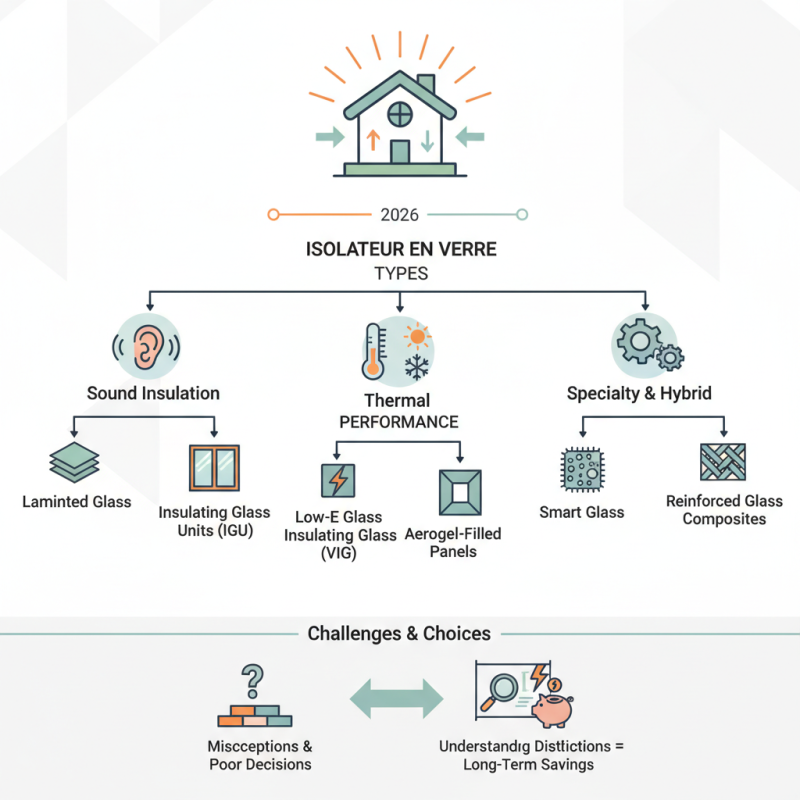
2026 Glass Insulator Types: An Overview of Categories and Uses
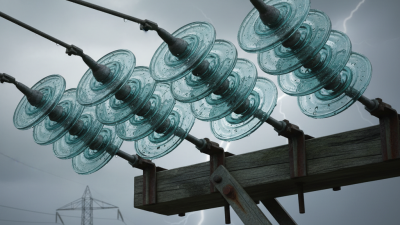
When discussing glass insulators, it's essential to consider the various types and their applications. Glass insulators come in a range of categories, each designed for specific uses. Some common types include suspension insulators, pin insulators, and strain insulators. Suspension insulators are often used in overhead power lines, providing stability and support. Pin insulators hold wires in place and are widely used in pole-mounted systems.
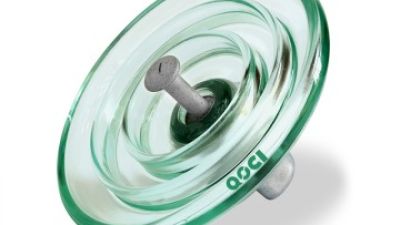
The design of each insulator type plays a crucial role in its performance. For example, suspension insulators typically have a bell shape that helps to withstand tension while maintaining electrical safety. However, they can be vulnerable to weather conditions, requiring regular inspections. On the other hand, pin insulators have a simpler design but need to effectively manage voltage levels to prevent failures.
While glass insulators are known for their durability, factors like improper installation can lead to issues. It's important to choose the right type based on specific requirements. Misunderstanding the needs can cause insulator failures, leading to costly repairs. Thus, educating oneself on the various categories is vital for effective use and maintenance of glass insulators.
2026 Glass Insulator Types: An Overview of Categories and Uses
| Type | Category | Typical Use | Advantages | Disadvantages |
| Suspension Insulator | High Voltage | Power Transmission Lines | Durable, High Insulation Strength | Susceptible to Breakage |
| Pin Insulator | Medium Voltage | Distribution Lines | Easy to Install, Cost-Effective | Limited to Vertical Use |
| Strain Insulator | Medium to High Voltage | Tensioned Lines | Enhanced Mechanical Strength | Complex Installation |
| Post Insulator | Medium Voltage | Substations and Transformers | Robust and Stable | Higher Costs |
| Insulation Standoff | Low to Medium Voltage | Communication Lines | Space Efficient | Less Commonly Used |
Historical Evolution of Glass Insulators in Electrical Applications
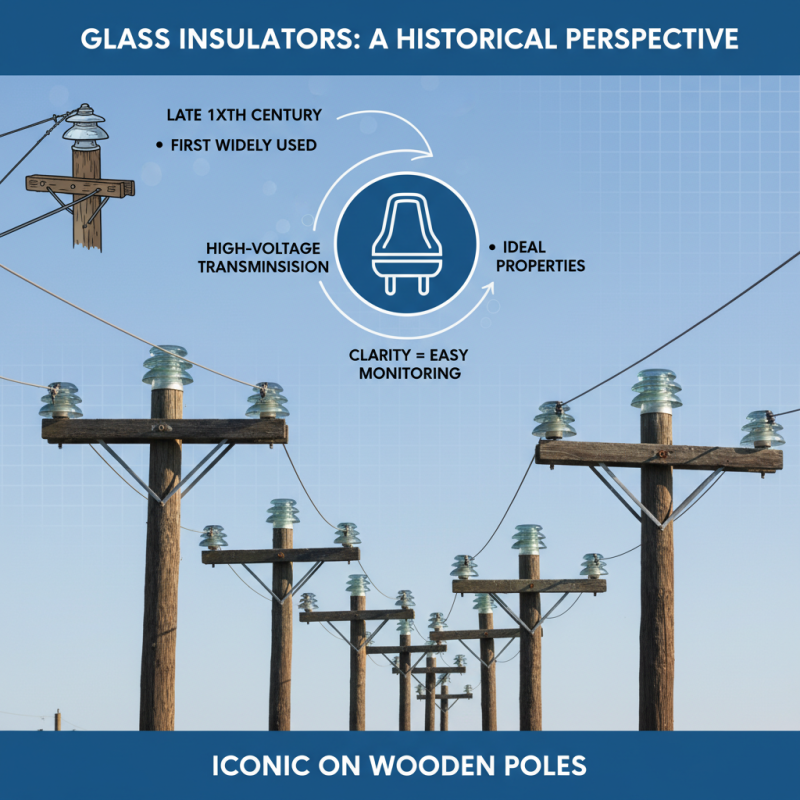
The historical evolution of glass insulators in electrical applications is fascinating. Glass insulators were first widely used in the late 19th century. Their unique properties made them ideal for high-voltage transmission lines. The clarity of glass allowed engineers to monitor insulator conditions easily. These insulators are often seen on wooden poles, standing tall and gleaming in sunlight.
Over the decades, glass insulators underwent various design changes. Initially, they featured simple shapes, predominantly round or pin-type. As technology advanced, designs became more complex. Some featured ridges to improve performance. This evolution revealed a growing understanding of electrical needs. However, not all changes were successful. Some designs faltered under extreme weather conditions.
Today, glass insulators continue to serve vital roles. They are still chosen for their durability and resistance to elements. Yet, modern alternatives sometimes overshadow them. Their nostalgic charm is both a strength and a weakness. The debate between traditional and modern materials is ongoing. Reflecting on this journey helps us appreciate the past while looking toward the future.
Key Features and Benefits of Using Glass Insulators for Power Lines
Glass insulators are crucial for power lines. They offer strength and reliability in various weather conditions. According to a recent industry report, glass insulators can withstand extreme temperatures, from -40°C to +60°C. This makes them ideal for diverse climates.
The transparency of glass helps in detecting insulator contamination. This is vital for maintenance. A clean insulator reduces the risk of electricity leakage, ensuring safety. Visibility also allows for easier inspections. In contrast, some materials obscure damage until it's too late.
Tips: Regular inspections help identify cracks or chips. Regular cleaning can enhance performance significantly. Additionally, consider the installation environment. Glass insulators thrive in both humid and dry regions. However, in highly polluted areas, they may require more frequent maintenance. Always prioritize your safety protocols when working with power lines.
2026 Best Glass Insulator Types for Power Lines
This chart illustrates the key features and benefits of various types of glass insulators used for power lines. The data provides insights into their performance efficiency, durability, and cost-effectiveness, essential for making informed decisions in power line installations.
Comparative Analysis of Glass vs. Other Insulator Materials
When comparing glass insulation to other materials, its thermal performance stands out. Glass is excellent at preventing heat loss. Its structure traps air pockets, which enhance insulation. This can lead to energy savings. However, glass can be more brittle compared to alternatives like foam. This brittleness poses risks during installation and transport.
Foam insulators are easier to handle, but they may not provide the same level of thermal regulation. Additionally, foam can degrade over time, losing effectiveness. In contrast, glass does not easily deteriorate under normal conditions. Yet, it may not offer the same sound insulation as denser materials like mineral wool. Sound waves pass through glass more readily, leading to a quieter environment.
While glass has many advantages, its fragility is a concern. Some may find it challenging to install. Certain applications may require additional protection for glass insulators. Balancing the benefits and drawbacks is crucial. Choosing the right insulation material depends on specific needs and conditions. Each type has its strengths and limitations to consider.
Environmental Impact and Sustainability of Glass Insulator Production
The production of glass insulators presents various environmental challenges. While glass is a sustainable material, its manufacturing process requires significant energy. Energy-intensive processes can lead to increased carbon emissions.
Moreover, sourcing raw materials for glass can impact local ecosystems. Mining sand and other components raises concerns about habitat destruction and resource depletion.
Recycling used glass insulators offers a glimpse of sustainability. Recycled glass reduces the need for new raw materials. This, in turn, lowers energy consumption during production.
However, the recycling rates for glass insulators are not always optimal. Many insulators still end up in landfills, creating waste. Effective recycling programs are essential to mitigate this issue.
The lifecycle of glass insulators reveals a complex interaction with the environment. While their durability is advantageous, the production impact must not be ignored. Innovations in manufacturing could help lessen environmental footprints.
Exploring alternative materials or methods may also provide solutions. Addressing the environmental effects is a crucial conversation in achieving sustainability goals.
Future Trends: Innovations in Glass Insulator Materials and Design
The future of glass insulator materials is vibrant and full of potential. Innovations are not just about functionality; they also emphasize aesthetics. New designs are emerging that blend seamlessly into various environments, from urban settings to rural landscapes. This approach allows for improved visual appeal while maintaining essential performance characteristics.
Technological advancements are shifting the focus toward sustainable materials. Manufacturers are exploring recycled glass and eco-friendly practices. This movement helps reduce environmental impact, yet challenges remain. Achieving the right balance between sustainability and insulation performance can be complex.
Moreover, smart insulators are gaining traction. These incorporate sensors to provide real-time performance data, enhancing maintenance efforts. However, the integration of technology into traditional materials is not without difficulties. Ensuring reliability and durability in varying conditions is critical. These innovations reflect a growing commitment to improving efficiency and performance in the insulator industry.
Best Practices for Maintenance and Longevity of Glass Insulators
Maintaining glass insulators is crucial for their longevity. Regular inspections can prevent major issues. Reports suggest that neglecting these checks can lead to an increase in failure rates. A study revealed that 40% of insulator failures are due to insufficient maintenance practices. This highlights the importance of consistent care.
Tip: Clean glass insulators periodically. Dust and debris can accumulate, reducing their effectiveness. Use a soft cloth or non-abrasive cleaning solution, taking care not to damage the surface.
Furthermore, environmental factors play a significant role. Insulators exposed to severe weather conditions may need more attention. In coastal areas, salt spray can corrode surfaces, while pollution may create conductive films. A proactive approach can minimize risks. Consider using protective coatings for added durability.
Tip: Inspect insulators after storms. Rain can wash away some dirt but may also reveal hidden cracks. Checking these regularly helps identify potential problems early.
Enhancing Electrical Safety with the 70kn High Voltage Glass Insulator CTV 254: Features and Benefits
The 70 kN High Voltage Glass Insulator CTV 254 is a remarkable advancement in electrical safety, designed for high-voltage power transmission systems operating between 10 kV and 330 kV. With a professional diameter of 254 mm and a creepage distance of 320 mm, this insulator provides exceptional protection against electrical surges and environmental factors. Its robust mechanical design allows it to endure a minimum mechanical failing load of 70 kN, ensuring reliable performance even in harsh conditions.
One of the standout features of the CTV 254 is its long-term reliability, making it a preferred choice in various markets, particularly in Algeria. With over 30 years of operational history, this glass insulator has demonstrated remarkable durability, maintaining excellent mechanical and electrical properties throughout its lifespan. This consistency not only enhances the safety of power transmission systems but also reduces maintenance costs and downtime, providing an economical solution for utility companies and ensuring a stable supply of electricity to consumers. The continued use of the CTV 254 underlines its significance in promoting electrical safety and efficiency in high-voltage applications.
FAQS
: The product aims to improve daily life. It offers practical solutions for common challenges.
Yes, it's designed for broad use. Some may find it easier than others.
Key features include user-friendliness, efficiency, and versatility. They enhance overall functionality.
Regular cleaning and careful handling are essential. Neglect can lead to reduced performance.
Troubleshooting guides are available. It's important to approach problems methodically.
A limited warranty is usually offered. Review the terms for more details.
Returns are generally accepted. However, specific conditions may apply.
Some think it's a one-size-fits-all solution. Personal needs can vary significantly.
It often stands out for functionality. Yet individual preferences should be considered.
Some may enhance the experience. However, many users find the basic setup sufficient.
Conclusion
The article "2026 Best Isolateur En Verre Types Explained" provides a comprehensive overview of various types of glass insulators and their applications in the electrical industry. It outlines the historical evolution of glass insulators, emphasizing their significance in enhancing electrical infrastructure over the years. Key features and benefits, such as durability and resistance to environmental factors, make the Isolateur En Verre a preferred choice for power line applications.
Additionally, the article includes a comparative analysis of glass insulators against other materials, highlighting their sustainability and environmental impact during production. It also discusses future trends and innovations in material design, along with best practices for maintaining the longevity of glass insulators. This informative piece serves as an essential guide for understanding the crucial role of Isolateur En Verre in modern electrical systems.