Hey there! So, in our quest for being more energy-efficient and living sustainably, a lot of folks are now turning to innovative solutions like 'isolateur en verre.' Honestly, this material's been getting a lot of attention lately because it’s not just about the great insulation it offers but also its pretty sleek look. As more people around the world look for reliable insulation options, it's really important to get a good sense of what the top products are in 2026 — kind of a must-do, you know?
The thing is, the market is pretty packed with choices, which can totally be overwhelming if you're just trying to figure out what’s best for you. Companies like Saint-Gobain and Guardian Glass are definitely leading the charge, bringing some seriously advanced glass insulation tech to the table. But, let’s be honest — not all options are created equally. It’s super important to check out how well these products perform and how durable they are before you make any commitments.
And as we wade through all this, we also need to keep an eye out for some potential landmines. Sometimes, marketing can be a bit misleading, leading buyers astray. So, doing your homework and tapping into expert advice is pretty much essential. This guide is here to help folks around the globe make smarter choices when it comes to 'Isolateur En Verre,' making sure they find the right products that actually meet their needs and expectations — no guesswork needed!

Understanding Glass Insulators: Definition and Types
glass Insulators play a vital role in electrical systems. They are crucial for supporting and isolating electrical conductors. Understanding their types helps in selecting the right insulator for specific applications.
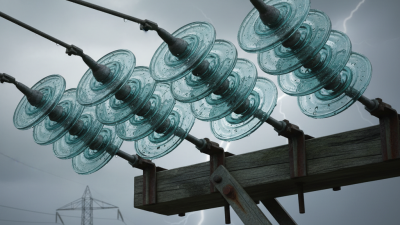
There are several types of glass insulators. The most common ones are suspension and pin insulators. Suspension insulators are often used in high-voltage overhead lines. They are designed to hang from towers or poles. Pin insulators, on the other hand, mount directly onto the pole.
Each type has its design principles and advantages.
The choice of insulator affects performance. Factors such as voltage level, environment, and installation height matter. Some insulators may not withstand severe weather conditions. This leads to failures over time. Making an informed choice requires knowledge and experience in the field. Understanding the types is only the first step. Each project may demand specific considerations.
The Importance of Glass Insulators in Electrical Systems
Glass insulators play a crucial role in electrical systems. They separate conductive components from non-conductive materials. This function helps prevent electrical leaks, ensuring safety and efficiency. Insulators can withstand extreme weather conditions, making them reliable for outdoor use. Their durability makes them vital for power transmission and distribution.
The design of glass insulators varies. Some are simple, while others are more complex. Each type serves a specific purpose in the electrical grid. However, not all designs perform equally well. Some insulators may struggle under heavy load or harsh environments. Regular assessments are necessary to ensure optimal performance. These evaluations can identify wear and potential failures.
Understanding the importance of glass insulators goes beyond their basic function. They contribute to the overall integrity of the electrical infrastructure. Quality insulators enhance reliability and reduce maintenance costs. As technology evolves, better materials may emerge. Current insulator designs may need re-evaluation to meet new standards. This ongoing process is essential for maintaining safety and efficiency in electrical systems.
Key Material Properties: Strength, Insulating Capacity, and Durability
When considering glass insulators, three key material properties rise to the forefront: strength, insulating capacity, and durability. Strength is crucial as these insulators must withstand environmental factors. Insulators experience extreme temperatures and physical impacts. It's important to choose designs that have been rigorously tested for these conditions.
Insulating capacity defines how well a glass insulator can resist electrical conductivity. A good insulator minimizes energy loss. Poor insulating materials can cost more in energy bills. Research shows that the right glass can significantly enhance performance. Look for products that demonstrate high insulating ratings through reliable testing methods.
Tips for selecting glass insulators include assessing their resistance to weathering. Consider the manufacturing process; precision affects performance. It's wise to ask about the longevity of the material. A durable insulator can last for decades with minimal degradation. Remember that not all products offer the same reliability. Inconsistencies can hinder effectiveness and require further evaluation. Aim for trusted sources that provide real-world performance data.
2026 Best Isolateur En Verre Properties Comparison
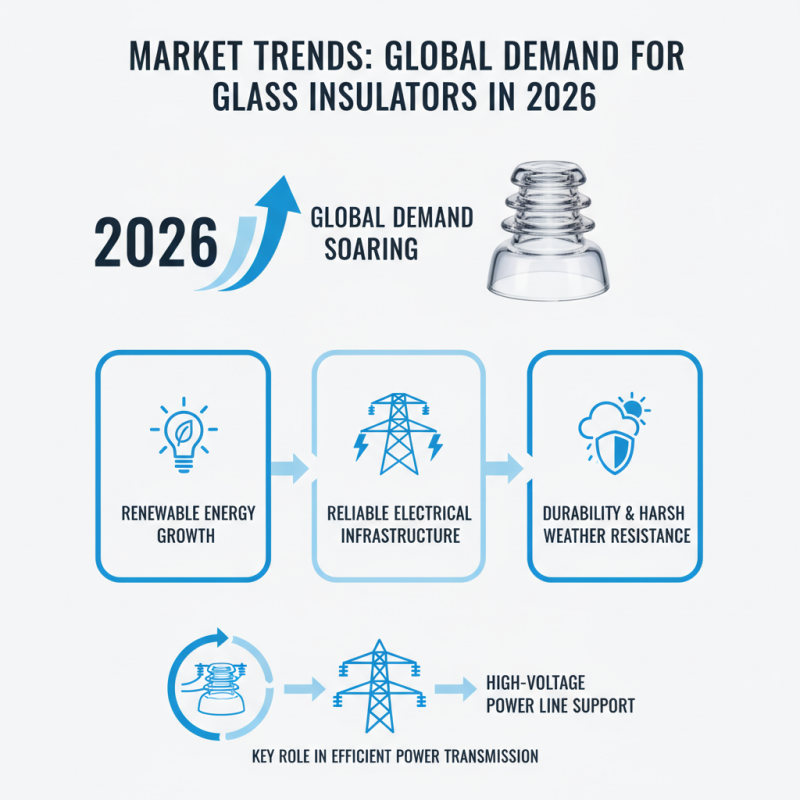
Market Trends: Global Demand for Glass Insulators in 2026
The global demand for glass insulators is expected to soar in 2026. This trend is driven by the rising need for reliable electrical infrastructure. As renewable energy sources gain traction, glass insulators play a critical role. They efficiently support high-voltage power lines. Their durability and resistance to harsh weather make them ideal for various climates.
Manufacturers face challenges in meeting this increasing demand. Production costs fluctuate due to raw material prices. Environmental regulations are also tightening. Companies must innovate to balance cost and sustainability. Some are exploring alternative materials. Others focus on enhancing production efficiencies. These issues prompt companies to rethink strategies continuously.
Consumer preferences are shifting towards more sustainable options. Buyers are looking for transparency in sourcing and production. This trend indicates a growing awareness of environmental impacts. The market must adapt to these evolving demands. It's an opportunity for companies willing to embrace change. However, not all players are prepared for this shift. The need for reliable suppliers and innovative solutions is more pressing than ever.
Top Manufacturers: Leading Brands in the Glass Insulator Industry
The glass insulator industry is evolving rapidly, driven by advancements in technology. This evolution is evident as manufacturers strive for higher efficiency and durability. Companies are focusing on materials that enhance insulation properties while reducing environmental impact. An industry report from 2023 highlights a growing demand for eco-friendly glass insulators, indicating a shift in consumer preference.
Leading brands are investing heavily in research and development. They aim to innovate insulator designs that withstand extreme weather conditions. The global market for glass insulators is expected to grow at a compound annual growth rate (CAGR) of 5.1% from 2023 to 2028. This reflects a trend toward greater reliability and performance in high-voltage applications. However, some manufacturers still face challenges in balancing cost and quality.
As the market expands, not all companies can keep pace. Some struggle with outdated manufacturing processes. This presents an opportunity for newer entrants with modern approaches. A robust supply chain is essential for success in this competitive landscape. Buyers must remain vigilant, ensuring they partner with manufacturers committed to high standards and innovation. The future landscape may not be flawless, but it promises exciting advancements in glass insulator technology.
Application Areas: Where Glass Insulators Are Used Globally
Glass insulators play a vital role in various sectors around the globe. These components are essential for electrical transmission and distribution systems. According to a report by Future Market Insights, the global glass insulator market is expected to reach USD 4.5 billion by 2026. Their widespread usage can be attributed to their durability and resistance to harsh environmental conditions.
In the utility sector, glass insulators are extensively used on high-voltage transmission lines. They effectively resist electrical tracking and contamination, which can lead to system failures. Data from the International Electrotechnical Commission indicates that glass insulators exhibit a lifespan of over 40 years, making them a reliable choice for long-term infrastructure. However, improper installation can lead to difficulties in maintenance and increased downtime.
Moreover, glass insulators are also significant in the telecommunications domain. They support overhead communication lines, providing essential stability. Yet, as urban areas expand, the demand for more compact solutions grows. This shift may prompt innovation gaps, highlighting the need for research and development in new insulator technologies. Balancing traditional methods with modern demands poses challenges for engineers and manufacturers alike.
Regulatory Standards: Compliance and Safety Measures for Glass Insulators
Regulatory standards for glass insulators are crucial for ensuring safety and reliability. Compliance with international and local regulations helps prevent electrical accidents. Glass insulators must undergo testing to meet these standards. This testing verifies their mechanical and electrical properties. Robust design features contribute significantly to their performance.
When selecting glass insulators, buyers should consider certifications. Look for products that comply with relevant safety standards. Regular inspections are essential during installation and maintenance. They help identify potential issues early. Knowledge of the environment where the insulators will be used is vital. Extreme weather can impact durability.
Tip: Always check for third-party testing reports. These documents provide reassurance of the product's integrity. Invest time in researching suppliers who follow stringent safety regulations. This diligence saves costs in the long run. Remember, choosing the right glass insulator can ensure a safer electrical system.
2026 Best Isolateur En Verre for Global Buyers Guide
| Specification | Value | Regulatory Standards | Safety Measures |
| Voltage Rating | Up to 36 kV | IEC 60287 | Electrical Testing |
| Mechanical Strength | > 2000 N | ASTM D 2444 | Impact Resistance Test |
| Diameter | 150 mm | ISO 4864 | Thermal Cycling Test |
| Weight | 3.5 kg | ANSI C29.2 | Environmental Assessment |
| Color | Transparent | EN 12668 | Non-toxic Materials |
Innovative Solutions for Electrical Insulation: Exploring the U40BL Tempered Glass Insulator and Its Applications
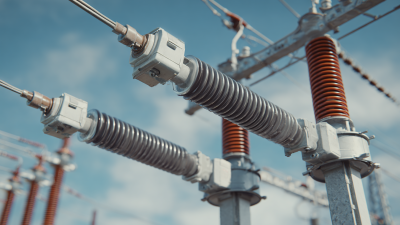
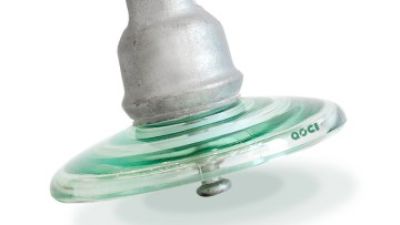
The demand for reliable electrical insulation solutions has driven innovations in the use of high-voltage glass insulators, particularly the U40BL tempered glass insulator. With a standardized capacity of 40KN, these insulators are designed to meet the IEC standards, ensuring their robustness in high-voltage applications throughout power transmission and distribution networks. The U40B glass suspension insulator, characterized by its strong tensile strength and durability, plays a critical role in maintaining the integrity of power lines even under extreme weather conditions.
Recent industry reports indicate that the use of high-voltage glass insulators like the U40B is on the rise, as they offer superior resistance to environmental damage and electrical breakdown. Unlike traditional ceramic insulators, tempered glass insulators exude greater thermal and electrical stability, contributing to safer and more efficient power systems. The design of these insulators, particularly the ball and socket type, facilitates easy installation and maintenance, further enhancing their appeal for utility companies.
The versatility of the U40B insulator is evident in its application across various transmission lines, catering to both overhead and underground infrastructures. Available in stock, these disc insulators are not only economical but also provide a sustainable solution to the ever-growing energy demands. Their adoption could significantly reduce maintenance costs and downtime, allowing for more reliable energy delivery to consumers.
FAQS
: Advancements in technology and a focus on efficiency and durability drive growth in the industry.
Consumer preference is shifting towards products that reduce environmental impact and enhance insulation properties.
The market is projected to grow at a compound annual growth rate of 5.1%.
Some struggle with outdated manufacturing processes and balancing cost with quality.
Compliance with these standards helps prevent electrical accidents and ensures product safety.
Buyers should look for certifications and ensure compliance with relevant safety standards.
Inspections help identify potential issues early, improving overall safety and reliability.
The environment, especially extreme weather, significantly influences their performance and longevity.
Research suppliers who follow stringent safety regulations to invest wisely in quality products.
Third-party testing reports reassure buyers of the product's integrity and compliance with safety standards.
Conclusion
The article "2026 Best Isolateur En Verre for Global Buyers Guide" explores the critical role of glass insulators in electrical systems. It begins by defining glass insulators, followed by an examination of their various types and the essential properties that make them valuable, such as strength, insulating capacity, and durability. The guide highlights the growing global demand for isolateur en verre as we approach 2026, emphasizing the trends that are shaping the market.
Additionally, the article discusses the application areas for glass insulators across different sectors and the importance of adhering to regulatory standards for compliance and safety. By understanding these key aspects, global buyers can make informed decisions when selecting isolateur en verre that meet their specific needs and ensure the reliability of electrical infrastructure.