Lately, I've noticed that more and more people are on the lookout for Anti-Fog Glass Insulators. It’s pretty clear these things are pretty important in industries where temperature swings and humidity mess with visibility. Folks are really wanting effective solutions to see better and perform more reliably. Honestly, understanding what exactly you need and the challenges you might face when picking an anti-fog product is super important.
In this guide, I’ll walk you through some of the top options to consider in 2026, along with what you should keep in mind. Brands like ClearView and FrostGuard have really made a name for themselves with their innovative designs. But, choosing the right Anti-Fog Glass Insulator isn’t always a walk in the park—it involves looking at stuff like the materials used, how long it lasts, and how well it works. Reading reviews can be a bit of a mixed bag, which just highlights how crucial it is to make an educated choice.
Even though there are some pretty promising products out there, not everything fits every need. Taking a closer look at the pros and cons helps you make smarter decisions. With some solid insights and a bit of experience under your belt, this guide hopes to give you the confidence to choose wisely. It’s all about doing your homework and thinking about how different options will perform in real-world situations—because, let’s face it, what works in theory doesn’t always work in practice.

Overview of Anti-Fog Glass Insulators and Their Importance
Anti-fog glass insulators play a significant role in various applications. They are essential for ensuring clear visibility in challenging conditions. Whether used in automotive, healthcare, or consumer products, these insulators prevent fogging due to temperature changes and humidity levels. Their importance cannot be overstated.
The technology behind anti-fog glass insulators is evolving. Many factors influence their effectiveness, including surface coatings and material choices. These elements contribute to their ability to resist fog formation. However, not all products deliver consistent performance. Some insulators may lose their efficacy over time or under specific conditions.
Choosing the right anti-fog glass insulator requires thorough research. Buyers need practical knowledge about materials and application scenarios. It's vital to assess specifications and reviews. Look for insights from industry experts to ensure reliability. Making an informed choice can significantly enhance user experience in everyday situations.
Types of Anti-Fog Glass Insulators Available in the Market
Anti-fog glass insulators come in various types, each serving different purposes. Some insulators cater specifically to industrial applications, while others are designed for personal use. For instance, there are anti-fog glass insulators that work effectively in high humidity environments. These insulators often employ advanced technologies to prevent fogging. Users will find these useful in kitchens and bathrooms.
Another popular type is the anti-fog coating applied to existing glass surfaces. This method allows for easy application and flexibility. However, the effectiveness may diminish over time. Regular maintenance is crucial to ensure optimal performance. Some coatings require specific cleaning agents to maintain their anti-fog properties.
Additionally, there are heated anti-fog insulators designed for automotive applications. These use electrical heating elements to keep the glass clear. They are particularly effective in colder climates. Yet, installation can be complex and may necessitate professional help. Exploring these options provides users with a variety of choices tailored to their needs.
2026 Top Anti-Fog Glass Insulator Buyers Guide
| Type | Material | Fog Resistance (hrs) | Thermal Insulation (W/m²K) | Cost ($/unit) |
| Standard Anti-Fog | Polycarbonate | 4 | 0.5 | 25 |
| Premium Anti-Fog | Glass | 8 | 0.3 | 50 |
| Ultra Anti-Fog | Acrylic | 10 | 0.4 | 40 |
| Eco-Friendly Anti-Fog | Recycled Polycarbonate | 6 | 0.6 | 30 |
| Commercial Anti-Fog | Laminated Glass | 12 | 0.2 | 65 |
Key Features to Look for When Buying Anti-Fog Glass Insulators
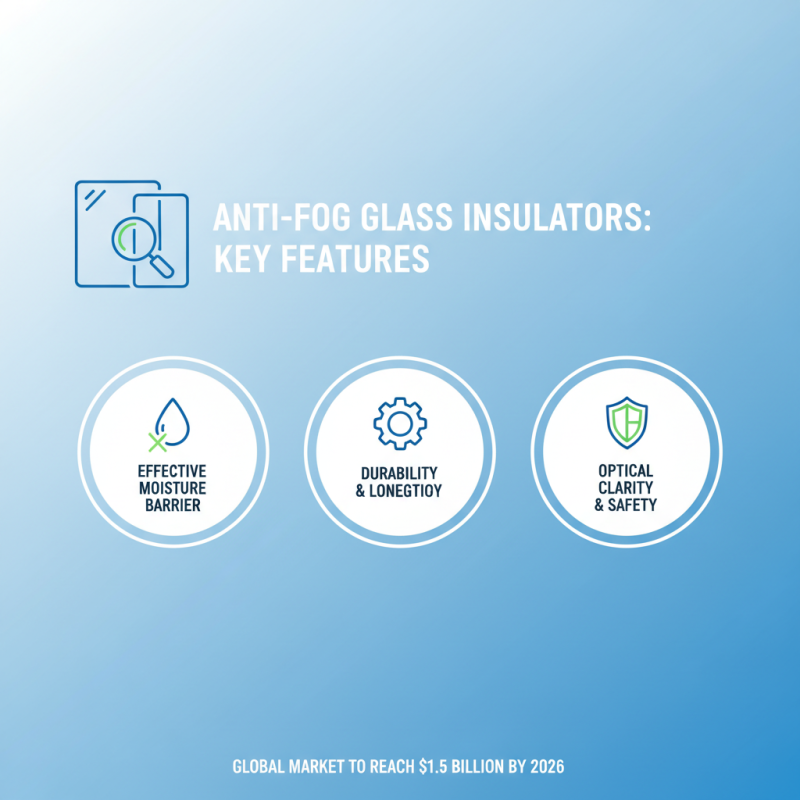
When purchasing anti-fog glass insulators, understanding key features is vital. The demand for these insulators has surged, driven by advancements in technology and consumer safety requirements. According to a recent industry report, the global market for anti-fog materials is projected to reach $1.5 billion by 2026. This growth emphasizes the importance of selecting high-quality insulators.
One critical aspect is the material composition. Insulators made from polycarbonate or specialized polymers offer superior fog resistance. These materials provide clarity and durability. Look for insulators with a strong resistance to scratches, as this affects performance. Reports indicate that fogging significantly reduces vision clarity by up to 90%. Ensure your choice addresses this need effectively.
User-friendly features enhance the overall experience. Some products come with coatings that actively resist fogging, improving user safety. However, not all coatings are created equal; some may wear off quickly, leading to frustration. Evaluating reviews can provide insights into long-term performance. A thoughtful selection process, focusing on quality and features, can yield significant benefits in effectiveness and user satisfaction.
Top Brands and Manufacturers of Anti-Fog Glass Insulators
When searching for the best anti-fog glass insulators, it's essential to consider the leading brands and their reputation in the market. Brands that excel in producing these insulators often prioritize materials that resist fogging, ensuring better visibility and functionality. Users should assess not only the effectiveness of the fog resistance but also durability and overall quality. Online reviews can provide insights into customer satisfaction and product performance.
Many manufacturers invest in research and development to enhance their products. They experiment with various coatings and materials to improve fog resistance. It’s beneficial to explore these innovations, as they can lead to superior performance. However, not all brands deliver consistent results, which can be frustrating for consumers.
Evaluating the specifications is crucial before making a purchase. Some products may offer easy application, while others might require special handling. Look for user experiences that highlight practical usage. Buyers must reflect on past experiences with different insulators to make informed decisions. Balancing price with quality can also be challenging, as sometimes a higher price does not equate to superior performance.
Consumer Reviews and Ratings of Popular Anti-Fog Glass Insulators
When choosing anti-fog glass insulators, consumer feedback is invaluable. Many users have shared their experiences, highlighting both pros and cons. Some insulators perform exceptionally well, preventing fogging in various conditions. Others may leave a layer of fog, causing frustration. Identifying which products meet expectations is key.
Tips for selecting the right insulator include thorough research. Look for user reviews that discuss real-life performance. Pay attention to comments about ease of cleaning and maintenance. Not all designs are user-friendly. Sometimes, an excellent rating comes from an initial wow factor, not lasting performance.
Many buyers also stress the importance of durability. An insulator might clear fog effectively, but if it cracks easily, it's a poor investment. Consider the materials used and their resistance to wear. Engage with various online platforms to gather diverse opinions. This helps in making an informed choice without simply relying on star ratings. Aim for products that show consistent results across multiple reviews.
Installation Tips for Effective Use of Anti-Fog Glass Insulators
When installing anti-fog glass insulators, proper placement is crucial. Ensure they are positioned away from direct moisture sources. This reduces the chances of fog formation. Keep in mind that ventilation plays a significant role. A well-ventilated area can significantly enhance effectiveness.
Consider the surface finish of the installation area. Smooth, clean surfaces allow for better adhesion of the insulators. It is essential to follow the manufacturer's guidelines, but common errors still occur. Some might rush through the cleaning process, leading to poor performance. Take time to ensure every step is executed properly.
Another tip is to inspect the insulators periodically, especially in high-humidity environments. Accumulation of dust or moisture can diminish their effectiveness. Some may overlook this crucial maintenance step. Gentle cleaning with a soft cloth can improve clarity. Remember, neglecting this could lead to foggy conditions returning unexpectedly.
Cost Analysis: Budgeting for Quality Anti-Fog Glass Insulators
When budgeting for quality anti-fog glass insulators, it's crucial to understand the pricing dynamics within the industry. Recent market analyses suggest that high-quality insulators can range from $50 to $150 each, depending on materials and technology. A report by the Glass Insulators Institute highlights that advanced coatings can significantly enhance performance but may increase costs.
Purchasing decisions often hinge on long-term savings versus upfront expenses. A cheaper insulator may save money initially, but its performance can degrade faster. According to market data, well-made anti-fog insulators reduce fogging by up to 90%, which can improve visibility and safety. Investing in quality pays off over time through lower replacement rates and fewer accidents.
Balancing cost and reliability is essential. Some manufacturers offer budget options but at a compromise to performance. A study published in the Journal of Glass Technology indicates a direct correlation between the price and durability of anti-fog insulators. Ultimately, conducting thorough research can illuminate the best choices, though it may reveal some uncomfortable truths about balancing budget constraints with necessary quality.
Innovative Solutions for High Voltage Lines: U70BLA Aerodynamic Glass Insulators and IEC Standards
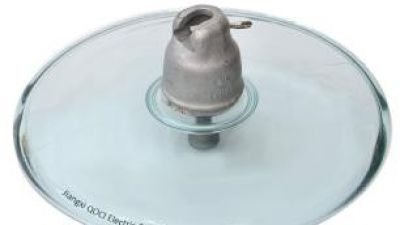
Innovative solutions are crucial in enhancing the performance and reliability of high voltage lines, particularly in challenging environmental conditions. One standout advancement in this field is aerodynamic glass insulators, designed specifically to mitigate the risks associated with flashover under wind load. According to the International Electrotechnical Commission (IEC) standards, effective insulation performance is not solely about voltage ratings but also encompasses the ability to withstand adverse weather conditions, such as wind, rain, and noise. This is where aerodynamic insulators excel, as they are engineered to optimize their design to counteract these external factors.
In a study published by the IEEE, it was reported that traditional insulators can experience significant degradation in performance due to high wind speeds, leading to increased incidences of flashover. Aerodynamic insulators address this issue by featuring a streamlined shape that reduces wind resistance, significantly lowering the flashover rate. Research indicates that these innovative insulators can reduce flashover rates by up to 30% in severe weather conditions, making them a preferable choice for utility companies striving to maintain reliable service continuity.
Furthermore, as electrical grids are increasingly subjected to variable weather patterns due to climate change, the integration of advanced materials such as glass in insulator production not only enhances durability but also ensures compliance with evolving IEC standards for electrical performance and safety. As such, the adoption of aerodynamic insulators marks a critical step towards achieving a more resilient and dependable electrical infrastructure in the face of changing environmental dynamics.
FAQS
: Look for polycarbonate or specialized polymers. These materials provide clarity and durability.
Fogging can reduce vision clarity by up to 90%. It's crucial to choose effective insulators.
They enhance safety and user experience. Some coatings resist fogging but may wear off quickly.
Check user reviews and specifications. They offer insights into performance and durability.
Look at their reputation and innovations in materials. Consistency of performance matters greatly.
No, some coatings may not last. Evaluating long-term performance is essential for satisfaction.
Reflecting on previous insulator use helps in making informed decisions. It's part of a learning process.
Not necessarily; higher prices do not always mean better performance. Balancing cost with quality can be tricky.
Conclusion
The article titled "2026 Top Anti-Fog Glass Insulator Buyers Guide" provides a comprehensive overview of Anti-Fog Glass Insulators, highlighting their significance in ensuring clear visibility in various applications. It outlines the different types of these insulators available in the market and discusses essential features to consider when making a purchase.
Additionally, the guide emphasizes the importance of consumer reviews and ratings in selecting the right product and offers practical installation tips to maximize the effectiveness of Anti-Fog Glass Insulators. A cost analysis section also helps buyers budget for quality options, ensuring they make informed decisions when investing in these valuable products.