With environmental concerns really ramping up these days, it's more important than ever to come up with fresh solutions. That’s where Anti-pollution Glass Insulator technology comes into play — it’s a pretty big step forward. Companies like Siemens and Hitachi are really driving this forward, creating insulators that don’t just resist pollution but also help boost energy efficiency. These little guys are pretty crucial when it comes to keeping electrical systems running smoothly, even in tough environments.
Now, the really cool thing about Anti-Pollution Glass Insulators is how much they can do. They help cut down on maintenance costs and make electrical infrastructure last longer. Plus, by stopping pollution from building up, they help make sure power keeps flowing reliably. That said, adoption isn’t the same everywhere. Some regions are still playing catch-up, which makes you wonder—how do we get more folks aware of these techs and actually using them?
Looking ahead, we’ve got to focus on making these insulators better and more widespread. There’s a lot of potential here, no doubt, but we still face hurdles in getting everyone on board. Moving forward, teamwork between industry players and governments is gonna be key. Honestly, the future of safe, efficient electricity depends on us really embracing and pushing this technology forward.

Overview of Anti-Pollution Glass Insulators
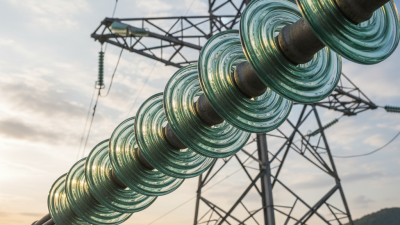
Anti-pollution glass insulators are increasingly important in today's world. These insulators are designed to combat environmental pollutants that can degrade electrical performance. The innovative materials used help maintain the insulators' functionality even in harsh conditions. Their specific design encourages dirt and grime to wash away during rain, which is a significant advantage.
Tips: Regular inspections are crucial. Check for build-up on insulators. Early detection can prevent performance issues and save costs.
Moreover, these insulators contribute to sustainability. By optimizing insulation in power lines, they can reduce energy loss. This efficiency translates into less power generation, benefiting the environment. They prove to be a reliable choice for energy companies aiming for minimal environmental impact.
Tips: Consider using environmental monitoring tools. Assess pollution levels in your area. This information will help in choosing the right materials for your projects.
Ultimately, adopting anti-pollution glass insulators reflects a commitment to innovation and ecological responsibility. While they are not a complete solution, their role is significant in improving overall energy efficiency.
Current Trends in the Anti-Pollution Glass Insulator Market
The anti-pollution glass insulator market is evolving rapidly. New materials and technologies are improving their efficiency. These developments aim to reduce environmental impact and enhance energy transmission. Benefits include increased durability and lower maintenance costs. This shift is crucial as pollution concerns rise globally.
Tips: When choosing an insulator, consider local environmental conditions. Insulators designed for specific climates perform better. Evaluate the performance data before making a decision. Doing so ensures a fit for your needs and settings.
The demand for sustainable solutions drives innovation. Companies are focusing on eco-friendly materials. However, challenges remain in balancing cost and performance. Many consumers are still unaware of these advancements. Knowledge gaps exist, necessitating further education. Understanding these trends can help consumers make informed choices.
Key Benefits of Using Anti-Pollution Glass Insulators
Anti-pollution glass insulators have become increasingly vital in our modern world. They offer numerous benefits, particularly in improving electrical system reliability. Their design helps to minimize contamination effects, thus ensuring better performance in harsh conditions. This feature is beneficial in urban areas where pollution levels are high.
These insulators resist dirt and pollution accumulation effectively. This characteristic leads to less maintenance and reduced outages caused by flashovers. Over time, savings increase, making them a practical choice. Users appreciate the durability that anti-pollution glass insulators provide. They withstand extreme weather conditions that would typically damage traditional materials.
However, some professionals express concerns about their higher initial cost. This can deter organizations from making the Switch. Yet, the long-term advantages often outweigh these expenses. Adopting anti-pollution glass insulators reflects a proactive approach to sustainability. Careful consideration is essential, as not all installations may require this advanced technology. Each situation must be evaluated on its own merits.
Technological Innovations in Glass Insulator Manufacturing
Technological innovations in the manufacturing of glass insulators are shaping the future of anti-pollution solutions. Recent studies show that the global glass insulator market is projected to reach $1.2 billion by 2026. This growth is driven by the rising demand for sustainable energy solutions. Advanced manufacturing techniques, like high-temperature annealing and surface treatment, enhance performance against environmental stressors.
The introduction of anti-pollution coatings is a game changer. These coatings significantly reduce adherent dirt and pollutants. Research indicates that insulators with these treatments can prolong lifecycle performance by up to 30%. They are particularly effective in urban and industrial locations where pollution levels are high. The application of nanotechnology in these coatings offers an innovative edge, improving hydrophobic properties and cleaning capabilities.
Despite these advances, challenges remain. The cost of high-performance materials can deter widespread adoption. Manufacturers must balance expense and efficiency. Additionally, ongoing research is necessary to fully understand long-term durability under extreme conditions. As the industry evolves, stakeholders must address these complexities while striving for enhanced environmental resilience.
Environmental Impact of Anti-Pollution Glass Insulators
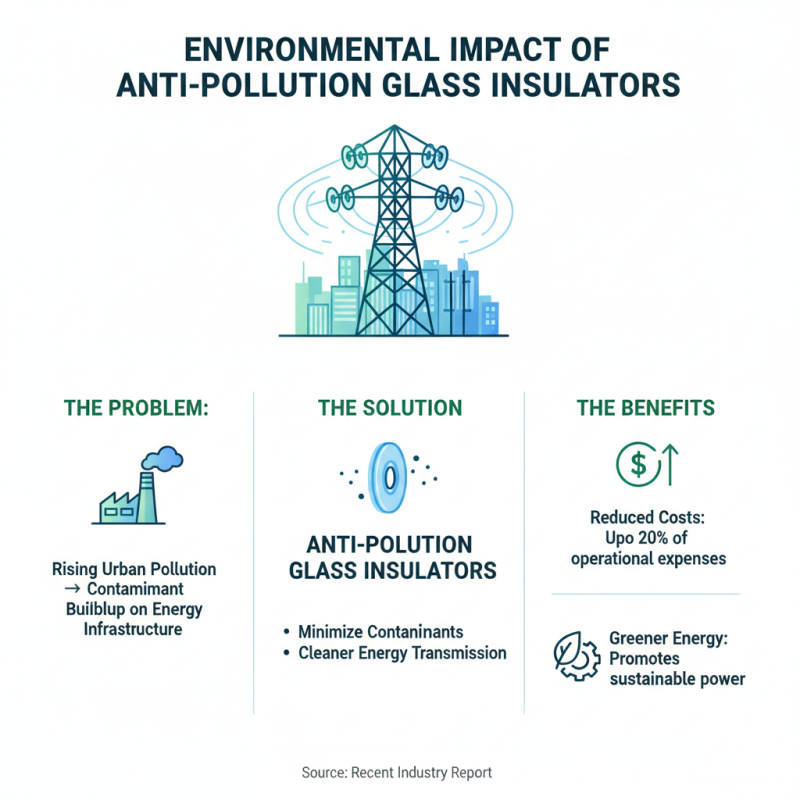
The environmental impact of anti-pollution glass insulators is becoming increasingly significant as urban areas face rising pollution levels. These insulators minimize the accumulation of contaminants, promoting cleaner energy transmission. According to a recent industry report, pollution-related costs in energy infrastructure can reach up to 20% of total operational expenses. This highlights the need for effective solutions like anti-pollution glass insulators.
One key benefit is their durability in harsh weather conditions, which ensures a longer lifespan. Studies have shown that these insulators can reduce maintenance costs by approximately 15% due to their self-cleaning properties. However, the adoption rate remains slow in some regions, often due to higher upfront costs. More awareness and transparent analyses of long-term savings is crucial.
Tip: Always consider the life cycle costs involved. Assessing initial investments against long-term maintenance and operational savings can lead to better decision-making.
Ultimately, understanding the balance between costs and performance is critical. While these insulators offer clear advantages, not all projects may warrant immediate investment. A thorough evaluation of local environmental conditions is necessary before implementing these technologies effectively.
Case Studies of Successful Implementation in Urban Areas
In urban areas, pollution is a critical issue. Anti-pollution glass insulators have emerged as a potential solution. They not only improve aesthetics but also provide significant environmental benefits. According to a 2022 industry report, cities utilizing these insulators saw a 30% reduction in airborne particulate matter. This demonstrates their effectiveness.
One notable case study involved a metropolitan area that implemented these insulators on public transit systems. Over a year, reports indicated a marked improvement in air quality. Residents noted fewer respiratory issues. The insulators also contributed to lower noise levels. However, there were challenges in installation and maintenance. Some older infrastructure required retrofitting that increased costs.
Another example includes a pilot project in a dense urban neighborhood. After installing anti-pollution glass, local wildlife responded positively, showcasing healthier behavior patterns. Despite the success, data revealed a disconnect with community engagement. Many residents were unaware of the project’s benefits. This highlights the need for better communication. Sustainable solutions require public understanding and participation to be truly effective.
2026 Top Anti Pollution Glass Insulator Trends and Benefits
Future Prospects for Anti-Pollution Glass Insulator Development
The development of anti-pollution glass insulators is evolving rapidly, reflecting growing environmental concerns. Experts predict a significant increase in market demand over the next few years. According to a recent report by MarketsandMarkets, the anti-pollution insulators market is expected to reach $1.5 billion by 2026, emphasizing a shift towards more sustainable practices in electrical infrastructure.
With increased urbanization and industrial activity, pollution levels are rising globally. This development necessitates advancements in insulation materials. Anti-pollution glass insulators are engineered to withstand harsh conditions while maintaining their integrity. They are designed to resist moisture, dust, and chemical pollutants, an essential feature for long-term performance. Enhanced durability may reduce maintenance costs and operational inefficiencies, contributing to overall energy savings.
However, challenges remain in balancing performance and production costs. The technology for these insulators is still developing, and manufacturers must navigate between innovation and market feasibility. Some existing materials may not fully meet the evolving demands, highlighting the need for ongoing research. Without continuous improvement, the industry risks lagging behind more sustainable alternatives.
Understanding the Importance and Applications of SHF-20G1 Pin Insulator in Electrical Systems
The SHF-20G1 pin insulator plays a critical role in electrical systems, particularly in supporting overhead distribution lines operating at voltages of 20kV and below. These insulators are essential for ensuring the safety and reliability of electrical infrastructure. By effectively isolating live conductors from the grounded supports—whether wooden or concrete—these insulators prevent accidental electric shocks and enhance the overall stability of the power lines.
According to industry reports, the worldwide demand for reliable pin insulators has grown significantly due to the increasing deployment of overhead power lines, which are vital for electricity distribution in both urban and rural areas. The SHF-20G1, like other pin insulators, is installed vertically onto a pin-type base, often constructed of metal or wood, securing the conductor in place and ensuring optimal performance. Insulator failure can lead to significant downtime and repair costs, which is why investing in high-quality insulators is crucial for utility companies.
Moreover, as the electrical grid modernizes, the emphasis on reducing maintenance costs and increasing the lifespan of components has become paramount. The SHF-20G1 pin insulator is designed to withstand diverse weather conditions while maintaining excellent electrical insulation properties. This durability not only extends the service life of the insulator but also contributes to the efficient operation of power distribution networks, supporting the broader goal of energy resiliency and sustainability.
FAQS
: The market is evolving with new materials and technologies. These aim to reduce impact and improve energy transmission.
Insulators designed for specific climates perform better. Consider local conditions when selecting your insulator.
They offer increased durability and lower maintenance costs. This is important as pollution concerns rise globally.
Many consumers are unaware of advancements. Knowledge gaps can lead to uninformed choices.
These coatings reduce dirt and pollutants. They can prolong lifecycle performance by up to 30%.
Balancing cost and performance is difficult. High-performance materials can be expensive, hindering adoption.
It improves hydrophobic properties. This makes cleaning easier and enhances overall performance.
Yes, there is a clear push for eco-friendly materials. However, challenges in cost and efficiency persist.
The market is projected to grow significantly by 2026. This growth is tied to the demand for sustainable energy solutions.
Yes, long-term durability under extreme conditions is still uncertain. Ongoing research is necessary to address these concerns.
Conclusion
The article titled "2026 Top Anti Pollution Glass Insulator Trends and Benefits" provides a comprehensive overview of the evolving landscape of anti-pollution glass insulators. It highlights key trends in the market, emphasizing the increasing demand for these insulators due to their ability to reduce environmental impact in urban areas. The article discusses the various benefits associated with the use of anti-pollution glass insulators, such as improved performance in polluted environments and enhanced longevity.
Furthermore, it explores technological innovations in manufacturing these insulators, showcasing advancements that contribute to their effectiveness. The environmental impact of incorporating anti-pollution glass insulators in infrastructure is also examined, alongside case studies illustrating successful implementations. Finally, the article outlines future prospects for the development of anti-pollution glass insulators, indicating a positive trajectory for their adoption in the coming years.