The
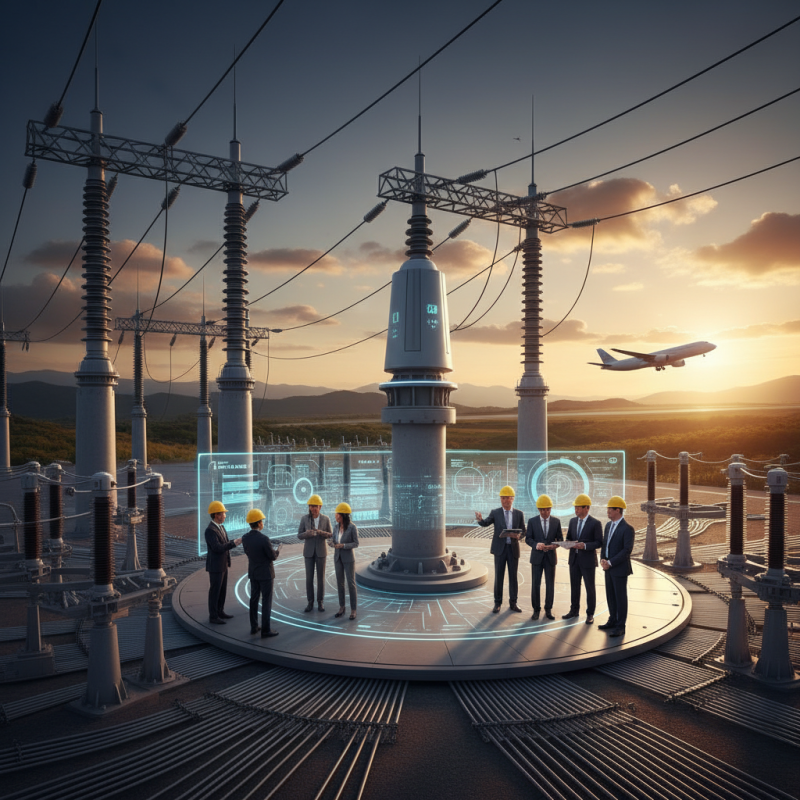
High Voltage Isolators are critical components in electrical systems. They ensure the safe operation of power lines and substations. In 2026, these devices are expected to undergo significant advancements. Enhanced designs will focus on safety, efficiency, and durability.
The growing demand for renewable energy sources influences the development of high voltage isolators. Many systems now require isolators that can handle varying loads. This can lead to more sophisticated designs that offer better performance. New materials are being tested to improve insulation and heat resistance. There are ongoing debates about the efficacy of different designs. Continuous testing and innovation are needed to address these concerns.
Global buyers are urged to consider local regulations when selecting isolators. Compliance is essential to avoid future complications. It’s also vital to assess the specific needs of each installation. Custom solutions may be required for unique challenges. Reliability and performance should be the top priorities. The market is evolving quickly, and keeping up can be challenging. Balancing cost and quality remains a key issue for buyers worldwide.
| Isolator Type | Voltage Rating (kV) | Material | Application | Market Trends |
|---|---|---|---|---|
| Porcelain Isolator | 36 kV | Porcelain | Transmission Lines | Stable demand in utilities |
| glass isolator | 72.5 kV | Glass | Substations | Increasing use in renewable energy |
| Composite Isolator | 66 kV | Polymer | Railway Electrification | Growth in urban transit systems |
| Silicone Rubber Isolator | 33 kV | Silicone | Wind Farms | Rising installations in renewable sectors |
| Vacuum Isolator | 150 kV | Metal | High-Voltage Switchgears | Innovation in high-efficiency systems |
When selecting high voltage isolators, global buyers must consider several critical factors. The quality of materials is primary. Durable materials ensure long-term performance. Corrosion resistance is vital in harsh environments. Manufacturers must demonstrate expertise in material science to create reliable products.
Another important factor is the isolation level. Buyers need to evaluate their specific voltage requirements. Different applications demand varying levels of isolation. This creates a need for flexibility and customization. Feedback from past users can also offer insights into performance under specific conditions. Such information is invaluable when making informed choices.
Cost efficiency shouldn't overshadow quality. Cheaper options may lead to higher maintenance costs. Balancing upfront costs with overall reliability is crucial. Engaging with suppliers can also shed light on warranties and support services, impacting long-term trust and partnership. A well-rounded approach in isolator selection ensures both safety and efficiency in electrical systems.
As the demand for reliable high voltage isolators grows, 2026 presents exciting advancements in technology. Numerous reports indicate that the global isolator market is projected to witness a compound annual growth rate (CAGR) of 5.2% from 2021 to 2026. Such a growth rate emphasizes the increasing need for efficient electrical system components. High voltage isolators play a critical role in ensuring safety and performance in both industrial and commercial applications.
New technologies are emerging to enhance isolator performance. Silicon carbide (SiC) and polymer insulators are gaining traction. These materials offer improved thermal stability and lighter weight compared to traditional options. According to a report from a leading industry analyst, SiC isolators can operate at higher voltages while minimizing energy loss. However, the adoption of these technologies faces some hurdles. Higher manufacturing costs and the need for specialized equipment can deter some buyers.
Innovation is not without challenges. The integration of digital monitoring technologies into isolators is still in its infancy. While this could lead to better maintenance practices, the initial setup can be complex. Additionally, the risk of over-reliance on technology poses a concern. Striking a balance between cutting-edge features and simplicity remains a key challenge for manufacturers and buyers alike.
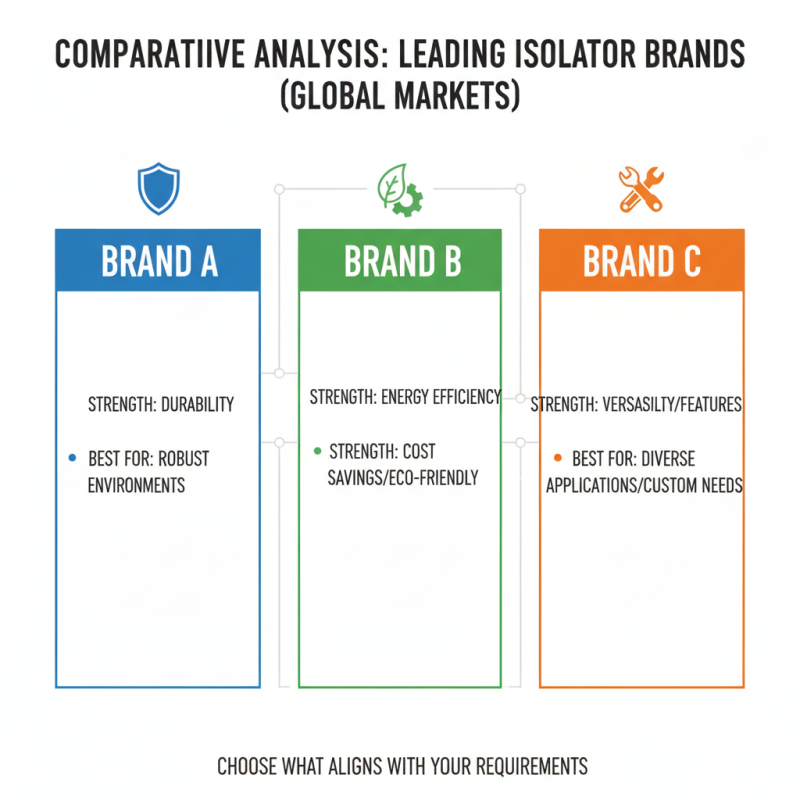
When analyzing isolator options in the global market, it’s essential to consider various factors. Different brands offer unique features, catering to diverse needs. For instance, some isolators excel in durability, while others focus on energy efficiency. This variety allows buyers to select products that best align with their requirements.
A detailed comparative analysis reveals strengths and weaknesses in each product range. Some isolators deliver superior performance under extreme conditions, yet may come with higher investment costs. Others may be more affordable but could sacrifice efficiency or longevity. Understanding these trade-offs is crucial for making informed decisions.
Global supervision and technological advancements are transforming the isolator landscape. Buyers should be aware of emerging trends. Keep an eye on innovation. This market is evolving rapidly, driven by sustainability demands. Brands need to adapt and respond effectively. As buyers, staying informed will help navigate these changes and select the best isolator options.
High voltage isolators play a crucial role in ensuring safety and reliability in electrical systems. Recent trends indicate a shift towards more compact designs while maintaining high performance standards. This compactness allows for easier integration into existing infrastructure, an essential aspect for global buyers.
Innovation is evident in the materials used for isolators. New composites are being explored, offering superior insulation and durability. Some manufacturers are also adopting advanced manufacturing techniques, such as 3D printing, which enables precise customization. However, one challenge remains: balancing cost with performance. Companies must rethink traditional approaches to be competitive while still delivering quality.
Meanwhile, environmental considerations are driving the evolution of high voltage isolators. There is a growing focus on eco-friendly materials and sustainability. Nevertheless, the industry must ensure that these innovations do not compromise safety standards. Continuous feedback from field applications is key to refining these designs and addressing potential shortcomings.
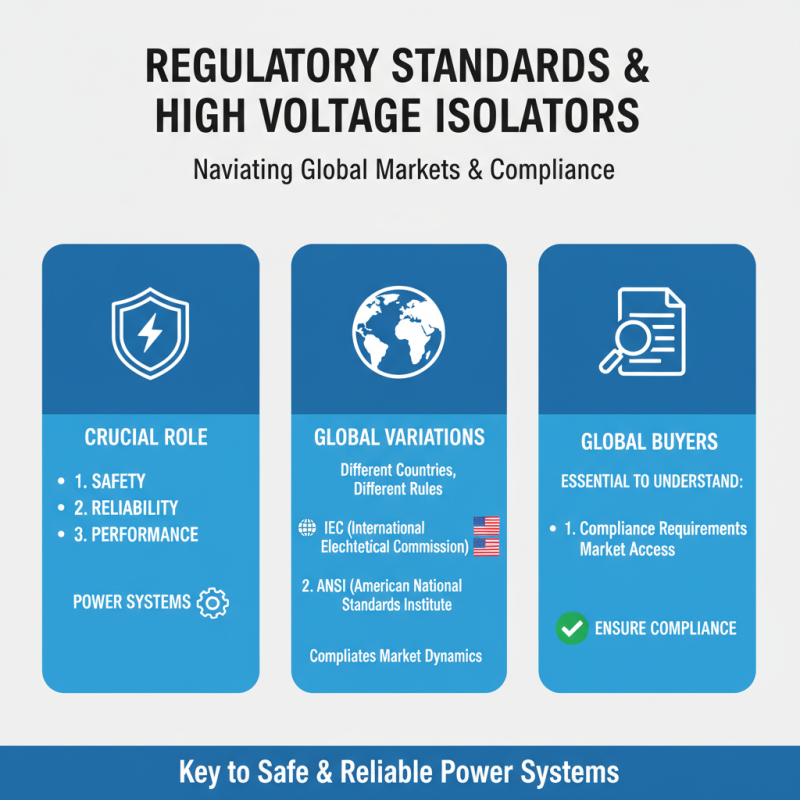
Regulatory standards play a crucial role in the high voltage isolator market. These standards ensure safety, reliability, and performance in power systems. Different countries have their own regulations, which can complicate market dynamics. For global buyers, understanding these regulations is essential to navigate compliance.
In many regions, stringent safety protocols must be followed. These include testing procedures and material specifications. Manufacturers need to stay updated on changes to avoid penalties. Even small modifications in regulations can impact production schedules and costs. This complexity demands attention to detail and ongoing education about local and international standards.
However, these regulations can sometimes seem overwhelming. Navigating through the legal jargon can be challenging for many companies. Some may even find it tempting to overlook certain requirements. This can lead to potential risks and long-term consequences. Engaging with industry experts can provide clarity and ensure adherence to necessary protocols, ultimately fostering a safer environment for high voltage applications.
As global demand for high voltage isolators increases, buyers face a challenging landscape. Data from the Global Energy Outlook 2023 indicates that the market for high voltage isolators is expected to grow at a CAGR of 5.2% through 2026. Buyers must prioritize suppliers with a solid track record in reliability and quality.
When sourcing high voltage isolators, consider technical specifications carefully. Voltage ratings, insulation materials, and operational temperature ranges are critical. A study by the International Electrical Engineering Association highlights that improper specifications can lead to catastrophic failures. This emphasizes the need for in-depth research into product performance and supplier reliability.
It's also essential to evaluate supply chain sustainability. A recent report from the Energy Supply Chain Association notes that 30% of companies struggle with sourcing materials responsibly. Buyers should seek partners who provide transparency in their sourcing processes. Engaging with industry forums and peer recommendations can reveal insights and potential pitfalls, enhancing decision-making.
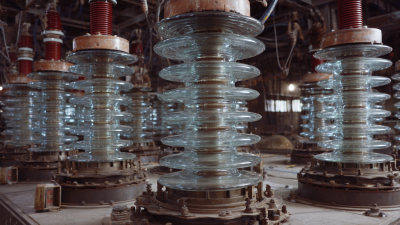
In the realm of high voltage power transmission, the demand for reliable and efficient insulators has never been more critical. Innovative designs, such as the 160kN U160BM disc glass suspension insulators, have revolutionized the industry, ensuring that electrical systems operate safely and effectively under extreme conditions. These insulators are specifically crafted to withstand high electrical loads and harsh environmental factors, making them an essential component in the performance of power supply networks.
The U160BM insulators are known for their robust construction, which includes toughened glass that enhances their mechanical strength and longevity. According to industry reports, insulators like the 160kN U160BM can significantly reduce maintenance costs due to their durability and resistance to environmental stressors. These benefits are crucial as the global shift towards renewable energy sources increases the demand for high-capacity transmission lines. The integration of advanced insulator technology minimizes energy losses during transmission, contributing to a more sustainable energy infrastructure.
Furthermore, the versatility of the U160BM insulator design allows for various configurations, such as cap and pin types or ball and socket designs, to suit different transmission line requirements. This adaptability ensures that power companies can select the optimal insulator type for their specific applications, enhancing the overall efficiency and reliability of their power distribution systems. The continued innovation in insulator technology is pivotal as the energy sector strives to meet growing demand while maintaining safety and efficiency.
: They ensure safe operation in power lines and substations, protecting electrical systems.
Expect advancements in safety, efficiency, and durability due to evolving design requirements.
The need for isolators that handle varying loads influences more sophisticated designs and materials.
Understanding local compliance is crucial to avoid complications and ensure safety standards are met.
Voltage ratings, insulation materials, and temperature ranges should be evaluated carefully to prevent failures.
Engage with industry experts, attend forums, and consider peer recommendations for insights and reliability.
Legal jargon can be overwhelming, and overlooking requirements may lead to risks and costly repercussions.
Many companies struggle with responsible sourcing, leading to potential supply chain sustainability issues.
Prioritizing suppliers with proven track records in reliability ensures better performance and longer-lasting products.
The market is projected to grow at a CAGR of 5.2% through 2026, indicating rising demand.
In the evolving landscape of 2026, High Voltage Isolators are pivotal for international buyers seeking reliable solutions. This overview highlights key factors influencing the selection process, including technological advancements and regulatory standards that shape market dynamics. For global consumers, understanding the different isolator technologies available, as well as trends in design and innovation, is essential to make informed purchasing decisions.
A comparative analysis of the leading isolator brands reveals diverse options tailored to meet the varied needs of international markets. As buyers navigate sourcing strategies, recommendations emphasize thorough research and adherence to regulatory requirements to ensure optimal performance and compliance. The future of High Voltage Isolators promises to integrate cutting-edge technology while addressing the unique demands of global applications.