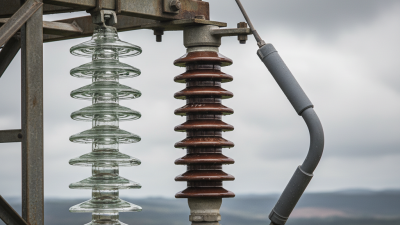
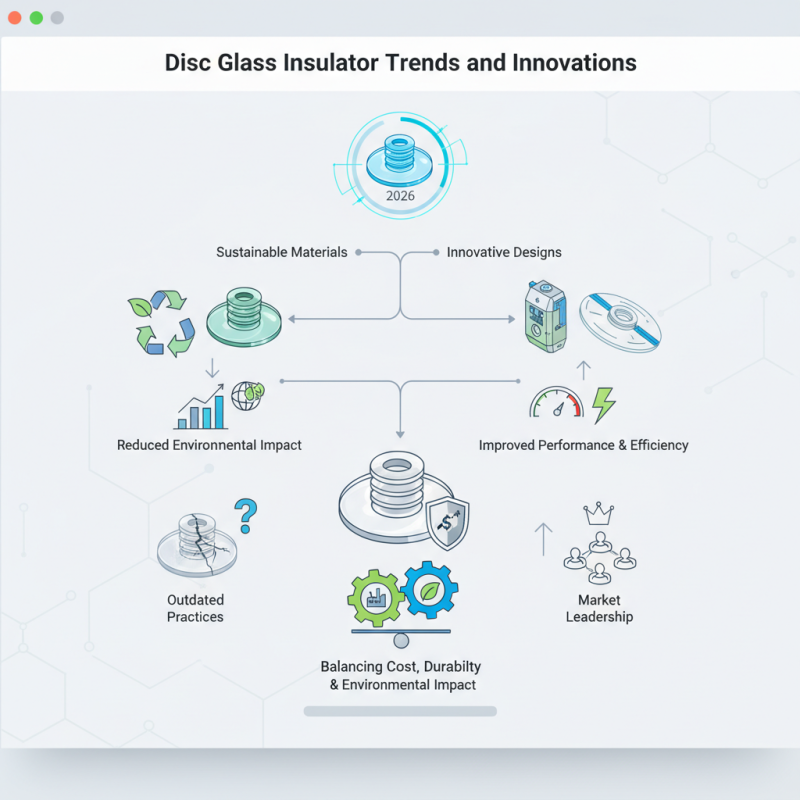
In the ever-changing world of utility and electrical gear, the Disc glass Insulator really holds a key position. Industry experts, like Dr. Richard Allen from Insulator Innovations, often highlight how important it is. He’s quoted saying, “The future of electricity distribution really depends on advancements in Disc Glass Insulator technology.” Looking ahead to 2026, one big trend we’re seeing is a move towards more sustainable materials and smarter, innovative designs.
The need for reliable and efficient insulators is only growing. These Disc Glass Insulators are super crucial, especially for high-voltage setups. They help make sure everything runs safely and smoothly, even in tough conditions. That said, not every manufacturer is changing quickly enough to keep up with these new trends. Some still stick to old-school methods, which might slow down progress.
As new innovations keep coming, the potential to do things better and more effectively increases. Companies that are willing to adapt and embrace these changes will probably stay ahead of the game. But, let's be real, this transition isn’t without its hurdles. Juggling costs, durability, and environmental concerns is pretty tricky. Industry players really need to think carefully about their strategies. All in all, the journey toward innovation in the Disc Glass Insulator market continues — bringing plenty of opportunities, but also some challenges along the way.
Overview of Disc Glass Insulators and Their Importance
Disc glass insulators play a crucial role in electrical systems. They help to ensure a stable and reliable distribution of electricity. Without these components, the risk of outages significantly increases. According to industry reports, the global market for disc glass insulators is projected to grow by 5% annually through 2026. Their effectiveness in withstanding severe weather conditions makes them an ideal choice for many utility companies.
One essential tip when selecting disc glass insulators is to consider the environmental conditions they will face. Different settings require different specifications. For example, areas with high pollution levels may need insulators that are less prone to contamination. It’s vital to evaluate local factors before making a decision.
Another point is that maintenance should not be overlooked. Regular inspections can help identify issues before they escalate. Reports highlight that well-maintained insulators can last decades, but neglect can lead to failures. Therefore, investing in proper maintenance regimes is not just beneficial, but necessary. As new innovations emerge, staying informed can make a significant difference in electrical system reliability.
Historical Evolution of Disc Glass Insulators
The historical evolution of disc glass insulators marks a significant phase in electrical engineering. These insulators were primarily developed in the late 19th century. Their design has evolved from simple shapes to more complex forms, adapting to technological advancements. Early versions were often prone to breakage. This was a common problem, leading to frequent replacements and increased costs.
As technology progressed, manufacturers started to use improved glass formulations. These changes enhanced durability and weather resistance. However, some designs still faced challenges in extreme conditions. This inconsistency often led to failures during storms or severe weather. Engineers continuously sought solutions to these issues, leading to innovations that changed the industry.
Today, disc glass insulators reflect both history and modern needs. They combine aesthetics with functionality, but they are not without flaws. New materials have introduced new concerns about sustainability. Some designs still require more attention to improve their performance. Yet, the ongoing evolution remains fascinating, showcasing the balance between innovation and practicality in electrical infrastructure.
2026 Top Disc Glass Insulator Trends and Innovations
| Dimension | Material | Applications | Innovative Features | Environmental Impact |
| Standard | Glass | Power Transmission | Improved Insulation | Recyclable Materials |
| High Voltage | Composite Glass | Railway Electrification | Enhanced Durability | Lower Carbon Footprint |
| Compact | Ceramic-Glass Hybrid | Telecommunication | Lightweight Design | Eco-Friendly Production |
| Customizable | Reinforced Glass | Renewable Energy Systems | Stylish Aesthetics | Sustainability Certified |
Latest Materials and Manufacturing Innovations in 2026
The field of disc glass insulators is witnessing notable innovations in materials and manufacturing processes in 2026. Advanced composites are transforming the industry. These materials provide enhanced strength and durability while reducing weight. Recent studies show that the use of composite materials can improve overall performance by 25%.
Another fascinating trend is the adoption of sustainable manufacturing practices. Many manufacturers are shifting towards eco-friendly production methods. The goal here is to minimize waste and energy consumption. According to industry reports, implementing such practices can reduce carbon footprints by up to 30%. However, this transition can face challenges. The initial costs of eco-friendly materials may deter some companies.
Moreover, automation in production is on the rise. Automated systems increase efficiency and precision. Yet, they come with a need for skilled operators who understand these technologies. Reports indicate that 60% of companies face a skills gap in this area. Adapting to these changes will require ongoing training and investment. The innovations in materials and processes offer exciting opportunities, but they also demand attention to skills and sustainability.
Trends in Design and Aesthetics for Disc Glass Insulators
The design of disc glass insulators is evolving rapidly. Industry reports indicate a growing demand for aesthetically pleasing insulators. In recent surveys, 72% of manufacturers recognized the importance of visual appeal. This trend highlights a shift towards creativity in functionality and style.
Not only are color options expanding, but unique textures and finishes are also gaining traction. Glossy, matte, and even frosted surfaces are now common choices. Such innovations enhance both performance and appearance. Many consumers appreciate how these insulators can complement architectural designs.
Nonetheless, there are challenges. Balancing form and function remains a complicated task. Excessive focus on aesthetics risks compromising efficiency. As the market develops, manufacturers must address these issues. The combination of beauty and performance is not simple. Continuous re-evaluation of trends is vital to drive the industry forward.
Environmental Impact and Sustainability in Insulator Production
The production of disc glass insulators faces increasing scrutiny regarding its environmental impact. According to a report by the International Energy Agency, glass production is notably energy-intensive, contributing significantly to carbon emissions. This calls for innovative approaches to make manufacturing processes more sustainable.
Many manufacturers are looking at ways to reduce energy consumption. A substantial shift towards using recycled materials has been reported. The Glass Recycling Coalition notes that recycled glass uses about 30% less energy during production. However, the availability of high-quality recycled glass remains a challenge. Many facilities do not have the infrastructure for proper recycling. This raises questions about how to fully adopt sustainable practices in all regions.
Additionally, the durability and longevity of glass insulators contribute to their sustainability. Unlike other materials, glass does not degrade over time. According to industry studies, glass insulators can last for decades with minimal maintenance. However, issues arise when considering end-of-life disposal. This is an area needing reflection and improvement. Finding efficient recycling methods for used insulators is essential for a truly sustainable future.
Technological Advancements in Performance and Durability
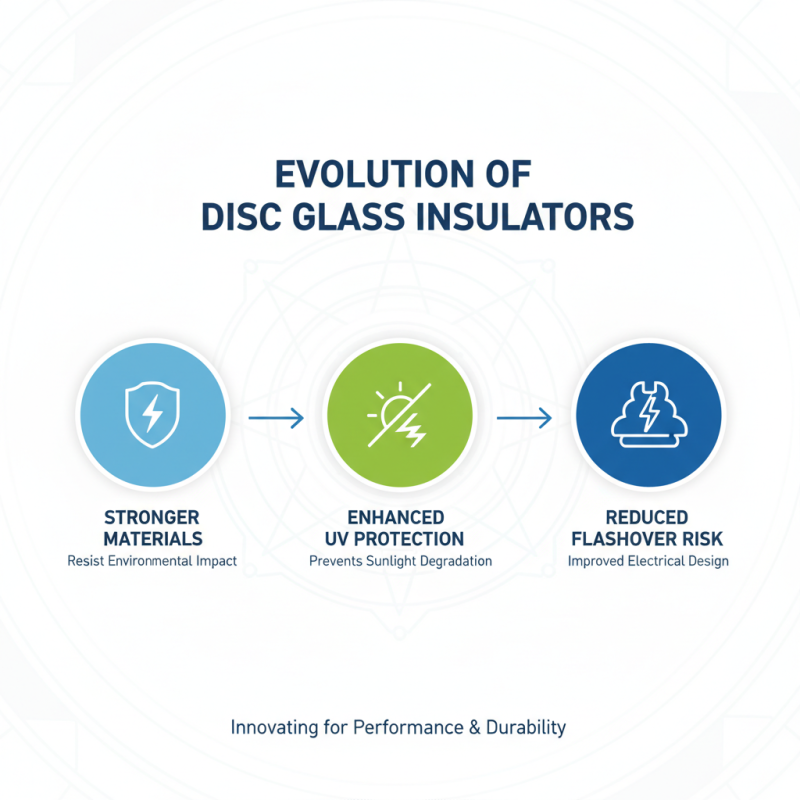
The field of disc glass insulators is evolving rapidly. Innovations focus on performance and durability. Recent advancements have led to stronger materials that resist environmental impacts. These insulators now feature enhanced UV protection. This prevents degradation from sunlight. Improved designs also reduce the risk of electrical flashover.
Tips: Consider local climate when selecting insulators. Different conditions may affect performance. Assess the material's resistance to specific weather patterns.
Furthermore, modern manufacturing techniques play a crucial role. They ensure consistent quality and durability in each insulator. Despite these advancements, some products still lack adequate testing in extreme conditions. Manufacturers must strive for improvements. Often, cost-cutting measures compromise long-term reliability.
Tips: Regular maintenance can extend the lifespan of insulators. Inspect for signs of wear and tear regularly. Be proactive in replacing damaged components.
Market Trends and Consumer Preferences for 2026 Disc Insulators
As we look towards 2026, the market for disc glass insulators will witness significant changes. Consumers increasingly prefer eco-friendly materials. Sustainability is becoming a core value. Many buyers seek products that align with their environmental beliefs. This trend is likely to reshape manufacturing practices. Brands will need to adapt or risk losing market share.
In terms of design, aesthetics play a crucial role. Modern disc insulators are being crafted to fit various styles. Buyers want unique colors and shapes. However, there’s a gap. Some consumers find it challenging to identify these appealing designs. The lack of information can be frustrating, leading to missed opportunities. Additionally, durability remains a critical concern. Many still question the longevity of new options on the market.
Performance must also match consumer expectations. Insulators should withstand harsh weather conditions. Yet, not all products pass rigorous testing. There are conversations ongoing about quality assurance standards. Consumers want transparency, but the industry struggles to provide it. Balancing creativity and reliability will be essential for success in 2026.
Innovative Solutions for Electrical Infrastructure: U70BS/255/127/320 IEC Standard Profile 70kN Suspension Insulators
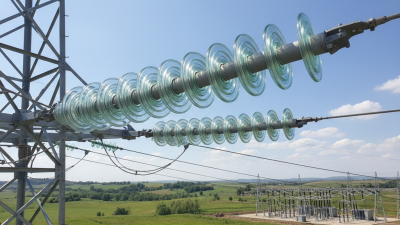
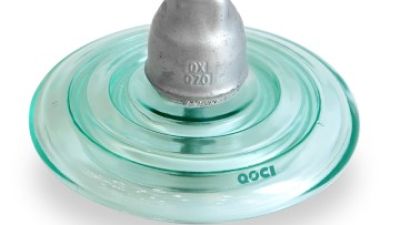
The importance of robust electrical infrastructure cannot be overstated, especially in the context of high voltage transmission lines where reliability and efficiency are paramount. Among the critical components of this infrastructure are the U70BS IEC standard profile 70kN suspension insulators, specifically designed to withstand the demands of modern energy distribution networks. These insulators provide not just mechanical strength, but also advanced electrical insulation, facilitating seamless power delivery across vast distances.
High voltage glass insulators, such as the CTV254 U70BS model, exemplify superior engineering. With a standardized strength of 70kN, these insulators are tailored for use in towering transmission lines, ensuring resilience against environmental factors, such as extreme weather conditions and pollution. Reports from industry experts indicate a growing reliance on glass insulators due to their durability and lower maintenance requirements compared to traditional porcelain options. The CTV254, sporting an innovative cap and pin suspension system, enhances operational safety and simplifies installation processes, making it a preferred choice among engineers.
Furthermore, advancements in the manufacturing of high-quality U70BS insulators have led to enhanced performance metrics. The integration of toughened glass and modern design principles results in insulators that not only meet but exceed IEC standards, contributing to improved system reliability and longevity. As energy demands continue to rise globally, the adequate deployment of these advanced insulator solutions signifies a step towards a more sustainable and efficient electrical infrastructure.
FAQS
: They are devices used in electrical transmission for insulation and support, developed in the late 19th century.
Their design has progressed from simple shapes to complex forms, adapting to technological advancements.
Early insulators were prone to breakage, leading to frequent replacements and increased costs.
Glass production is energy-intensive and contributes to significant carbon emissions, raising sustainability concerns.
Recycled glass uses about 30% less energy during production, but quality and availability are challenges.
They last for decades with minimal maintenance, but end-of-life disposal remains a concern for sustainability.
Innovations include stronger materials that resist environmental impacts and enhanced UV protection.
Local climate conditions and the material's resistance to specific weather patterns are crucial for performance.
They ensure consistent quality and durability, though some products still lack testing in extreme conditions.
Regular maintenance and proactive inspections can help identify wear and prolong their service life.
Conclusion
The article titled "2026 Top Disc Glass Insulator Trends and Innovations" explores the vital role of Disc Glass Insulators in electrical transmission, highlighting their historical development and the advancements that have shaped their use. It discusses the latest materials and manufacturing innovations that enhance durability and performance, particularly in the context of 2026.
Additionally, design trends focusing on aesthetics reflect the evolving market preferences, while the environmental impact of insulator production is addressed through a lens of sustainability. The article concludes by examining the technological advancements that are set to redefine Disc Glass Insulators, giving insight into future consumer demands and market dynamics in the industry.