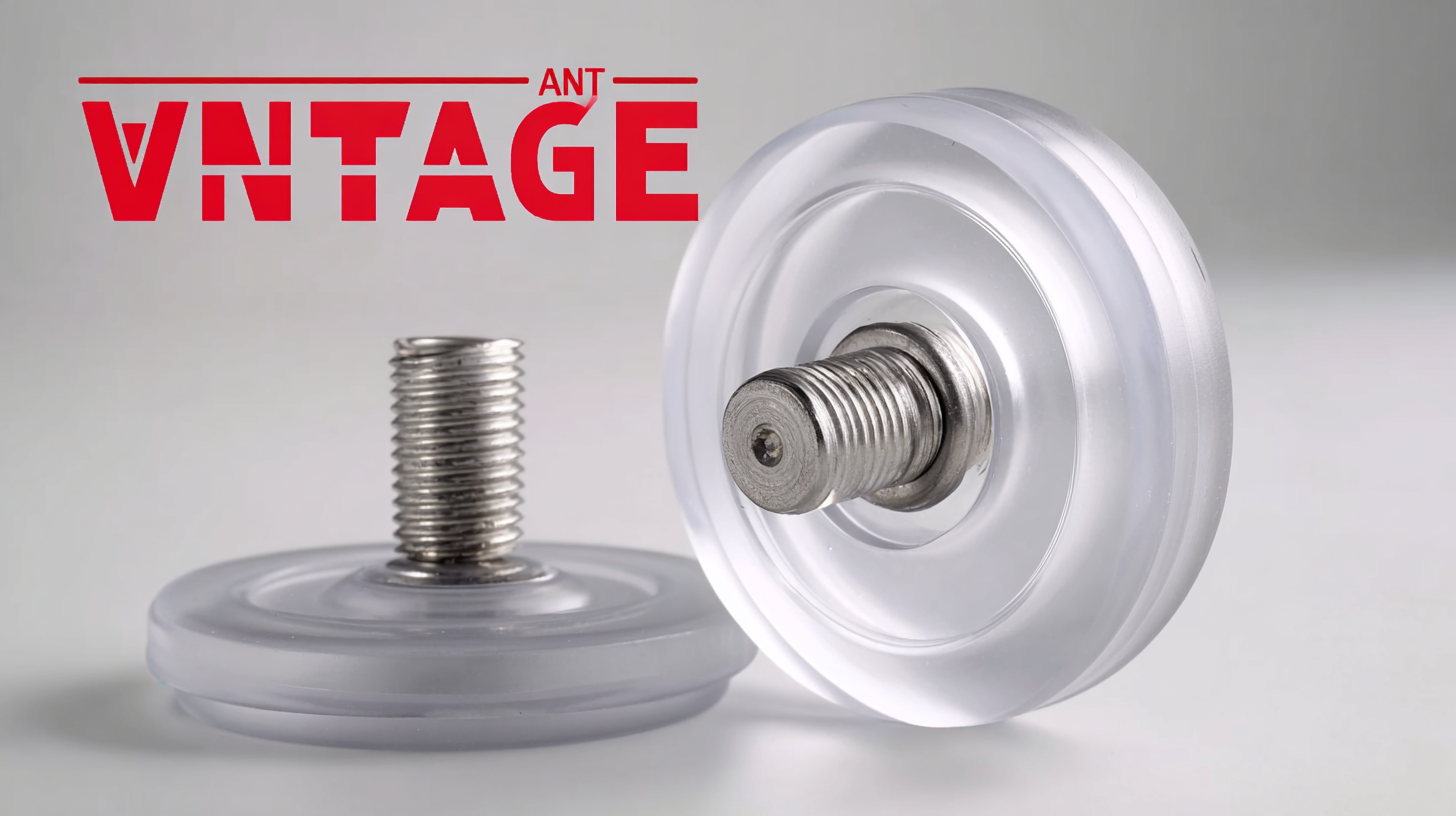
 When it comes to energy solutions, you know things are always changing, right? And let's not forget how crucial reliable Insulator technologies are. Take the Anti Fog Disc Insulator from Jiangxi QOCl Electric Co. LTD.—this little gem really makes a difference in how well electrical systems perform and how long they last. A recent look at the industry suggests that the electrical insulator market could hit a whopping $15 billion by 2026, mainly because more and more folks are looking for dependable energy transmission infrastructure. What sets QOCI’s Anti Fog Disc Insulator apart is its cutting-edge production techniques and solid R&D chops. It tackles fogging head-on, which is a pain point that can really mess with electrical performance and safety. For energy companies, using these insulators means not just saving on maintenance costs but also getting top-notch after-sales service. This way, they can keep their energy distribution running smoothly and efficiently.
Benefits of Anti Fog Disc Insulators for Enhanced Energy Efficiency
You know, it’s becoming super important to use anti fog disc insulators if we want to boost energy efficiency in all sorts of applications. These nifty insulators are designed to keep moisture from building up on electrical parts, and honestly, they can really work wonders for energy solutions. A report from the International Energy Agency in 2022 highlighted that moisture can actually knock off as much as 20% of equipment efficiency, which just drives up costs and leads to wasting energy. So, by using these anti fog disc insulators, companies not only keep their performance up to snuff but also help save a good chunk of energy overall.
And get this: a study from the Electric Power Research Institute found that high-quality insulating materials can boost energy transmission efficiency by up to 10%. Pretty impressive, huh? Anti fog disc insulators are specifically designed to provide top-notch insulation while stopping condensation in its tracks, so you don’t lose out on electrical performance. As industries work harder to hit those tougher energy efficiency goals, these insulators are definitely key to running things sustainably. Moving towards advanced insulator tech not only helps us go greener but it also means decent savings on energy bills and maintenance costs.
Benefits of Using the Best Anti Fog Disc Insulator for Your Energy Solutions
| Feature | Description | Benefits |
| Anti-Fog Technology | Prevents condensation on the surface of the insulator. | Ensures consistent performance by maintaining visibility and efficiency. |
| Thermal Resistance | High resistance to thermal cycling and shock. | Reduces energy loss and prolongs equipment life. |
| Durability | Made from robust materials for enhanced longevity. | Lowers maintenance costs and downtime. |
| Energy Efficiency | Designed to minimize energy waste. | Improves overall energy performance and reduces costs. |
| Installation | User-friendly installation process. | Saves time and labor costs during setup. |
Understanding the Science Behind Anti Fog Technology
So, let's talk about anti-fog technology for a sec. The whole idea behind it really comes down to how light plays with different surfaces and how temperature messes with moisture. Those anti-fog disc insulators? They’re made with hydrophilic materials that soak up moisture, which keeps the fog from developing on surfaces. I mean, I read somewhere that, according to a study by the Society of Automotive Engineers, fogging could cut visibility down by as much as 90%. That’s pretty wild and totally throws safety and functionality out the window in all sorts of situations, from cars to energy systems. By tackling that fog issue, these insulators really boost efficiency and keep everything running smoothly.
And you know, the benefits of anti-fog tech aren’t just fluff. There’s plenty of solid data backing it up from different industry reports. For example, the International Energy Agency points out that by cutting down on energy loss due to fogged surfaces, we can see a 15% bump in overall energy efficiency. If companies start using cutting-edge anti-fog solutions, they’re not just clearing up visibility and keeping things safe—they’re also upping their energy output. This tech is like a superhero for energy systems, keeping them working even in tough conditions, which helps spark creativity and sustainability in the energy field. Pretty cool, right?
How Anti Fog Insulators Minimize Energy Loss in Power Systems
You know, in the last few years, people have really started to pay attention to how anti-fog disc insulators play a huge role in cutting down energy loss in our power systems. These nifty little devices are specifically designed to boost the performance of our electrical infrastructure by keeping moisture at bay, which is super important because moisture can seriously mess with insulation quality. A report from the Electric Power Research Institute even points out that issues caused by moisture can lead to over 20% energy losses in transmission systems. So, by using anti-fog technology, utilities can not only extend the life of their equipment but also keep everything running smoothly.
But wait, there's more! Studies have shown that these anti-fog disc insulators can actually reduce maintenance needs caused by fog and ice by a whopping 40%. That's not just good news for keeping costs down; it also means less downtime for repairs and replacements. For folks living in areas that get hit hard by bad weather, like the northeast U.S., using these insulators can really boost energy reliability and sustainability. It’s all about embracing innovative solutions, right? With these in place, our power systems can become a lot more efficient and resilient against whatever Mother Nature throws our way.
Key Features to Look for in Quality Anti Fog Disc Insulators
Choosing the right anti-fog disc insulator for energy applications can feel a bit overwhelming, but a few key features can really make a difference in how well they perform and how long they last. So, here’s the scoop: According to the International Electrotechnical Commission (IEC), top-notch insulators should have excellent hydrophobic properties. This means they can really cut down on moisture build-up, which is a big deal since excess moisture can lead to energy loss and even damage over time. Plus, some research suggests that these advanced anti-fog technologies can boost operational efficiency by as much as 15%. That’s a win-win for both energy providers and consumers alike!

And let’s not forget about the materials used in these disc insulators. Industry reports point out that things like polymeric composites and ceramics are pretty impressive—they not only resist fogging but also stand up to heat and stress quite well. In fact, studies have shown that composite insulators can handle temperatures from -40°C to 105°C, which makes them a great fit for all sorts of climates. Oh, and if the insulators are designed to keep surface contamination to a minimum, that goes a long way in boosting reliability, since contaminants can cause fogging and even electrical hiccups. So yeah, investing in high-quality anti-fog disc insulators is really key to keeping energy systems running smoothly.
Real-World Applications and Success Stories of Anti Fog Solutions
Lately, there's been quite a buzz about using anti-fog disc insulators in the energy sector. Companies are really noticing some impressive gains in both efficiency and reliability. For instance, a report from the International Energy Agency (IEA) highlights that when advanced materials—like those anti-fog solutions—are integrated, they can boost solar panel performance by cutting down on moisture build-up. We’re talking about a potential increase in energy output of about 10-15%. This is especially a game changer in those humid areas where fog can really mess with energy collection and overall efficiency.
You can see this in action through some real-world examples. One standout story comes from a solar farm down in Brazil. They’ve adopted anti-fog disc insulators and guess what? They slashed their maintenance costs by a whopping 20%. That’s thanks to less frequent cleanings and way fewer downtimes caused by foggy conditions. And it doesn’t stop there! In the wind energy field, they’re using anti-fog tech in sensor equipment, which has really kicked up data accuracy and operational uptime. This has allowed for some pretty slick predictive maintenance, helping to cut unplanned outages by as much as 30%, according to insights from the American Wind Energy Association (AWEA). So, these examples really show how anti-fog disc insulators are shaking things up in the energy world, making systems not just more efficient but also way more reliable—even in tough weather conditions.
Benefits of Using the Best Anti Fog Disc Insulator for Your Energy Solutions
Maintenance Tips for Maximizing the Lifespan of Anti Fog Insulators
So, if you want to get the most out of your anti-fog disc insulators and really make them last, you’ve gotta keep up with the maintenance—it’s super important! Regularly checking them for any signs of wear and tear is a must; you wouldn’t want something small to mess with their performance, right? And don’t forget, dirt and debris can really do a number on them too, so make sure to keep them clean. A soft cloth and some mild cleaning solution are your best friends here—just be sure to wipe gently so you don’t scratch anything.
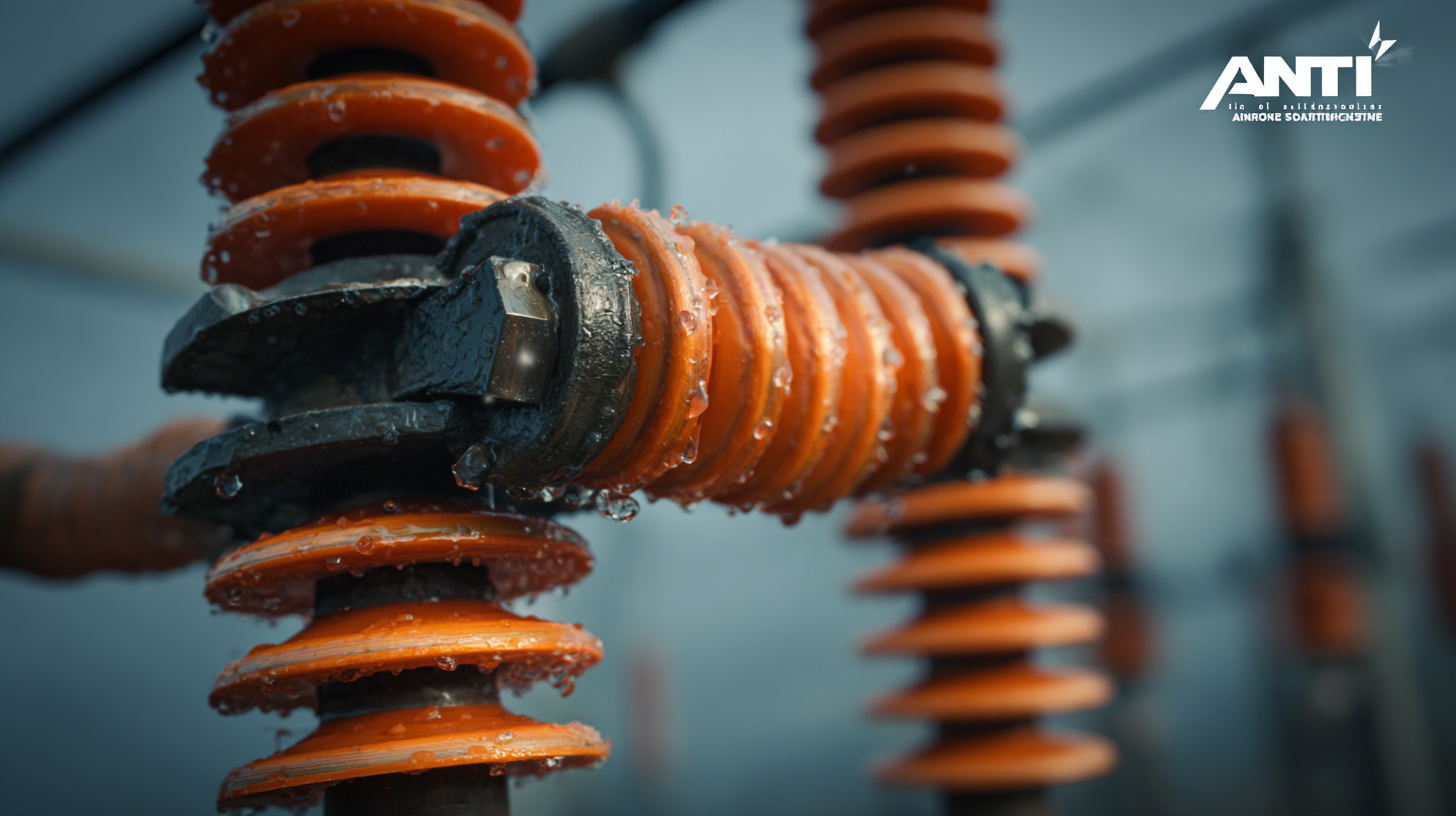
Also, think about where you’re storing them because the environment makes a big difference in how long they’ll last. Try to keep them in a nice, controlled spot—away from those crazy temperature swings and excess humidity. If the weather’s looking rough outside, it’s not a bad idea to throw a protective cover over them when you’re not using them. By following these tips, you’ll be helping your anti-fog disc insulators work their best for you, keeping everything running smoothly for years ahead!
FAQS
: The main function of anti-fog technology in disc insulators is to absorb moisture and prevent fog formation on surfaces, which can significantly reduce visibility and impair the functionality of electrical infrastructure.
According to a study by the Society of Automotive Engineers, fogging can reduce visibility by up to 90%, which poses safety risks in various applications.
Anti-fog disc insulators help minimize energy loss, enhance operational efficiency, prolong equipment lifespan, and reduce maintenance interventions caused by fog and icing.
Moisture-related issues can lead to over 20% energy losses in transmission systems, highlighting the importance of using anti-fog technology.
Key features include hydrophobic properties to reduce moisture accumulation, material composition for enhanced resistance to fogging, thermal stability, and mechanical strength.
Research indicates that insulators with advanced anti-fog technology can improve operational efficiency by up to 15%.
Industry reports recommend materials like polymeric composites and ceramics that provide enhanced resistance to fogging and superior thermal stability.
By reducing fogged surfaces, anti-fog solutions can improve visibility and safety, leading to a potential 15% increase in overall energy efficiency and supporting sustainability in energy systems.
Composite insulators can withstand temperatures ranging from -40°C to 105°C, making them suitable for diverse climate conditions.
The use of anti-fog technology can reduce maintenance interventions caused by fogging by up to 40%, thus lowering operational costs and minimizing downtime.