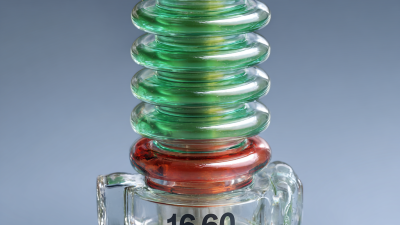
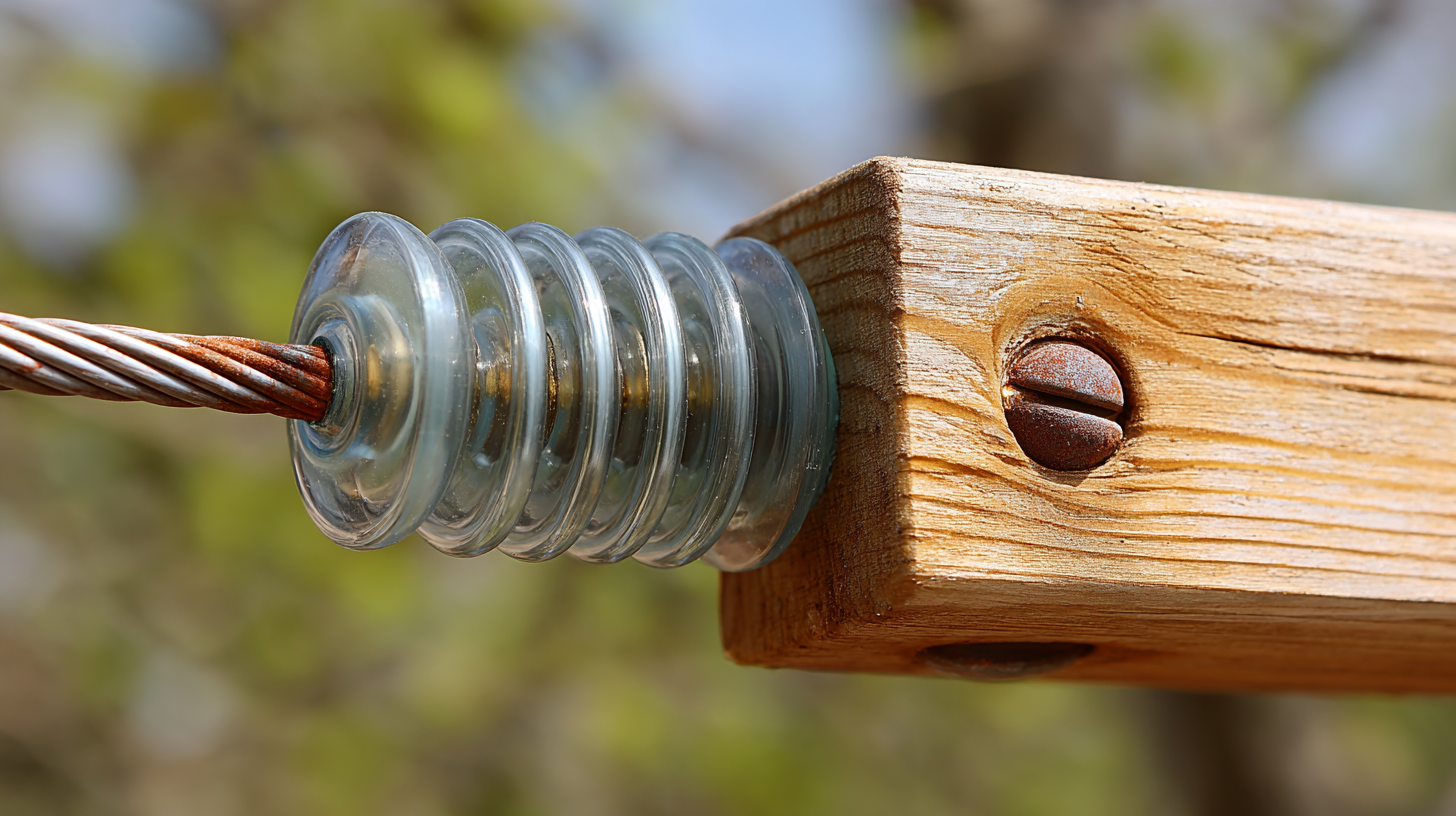
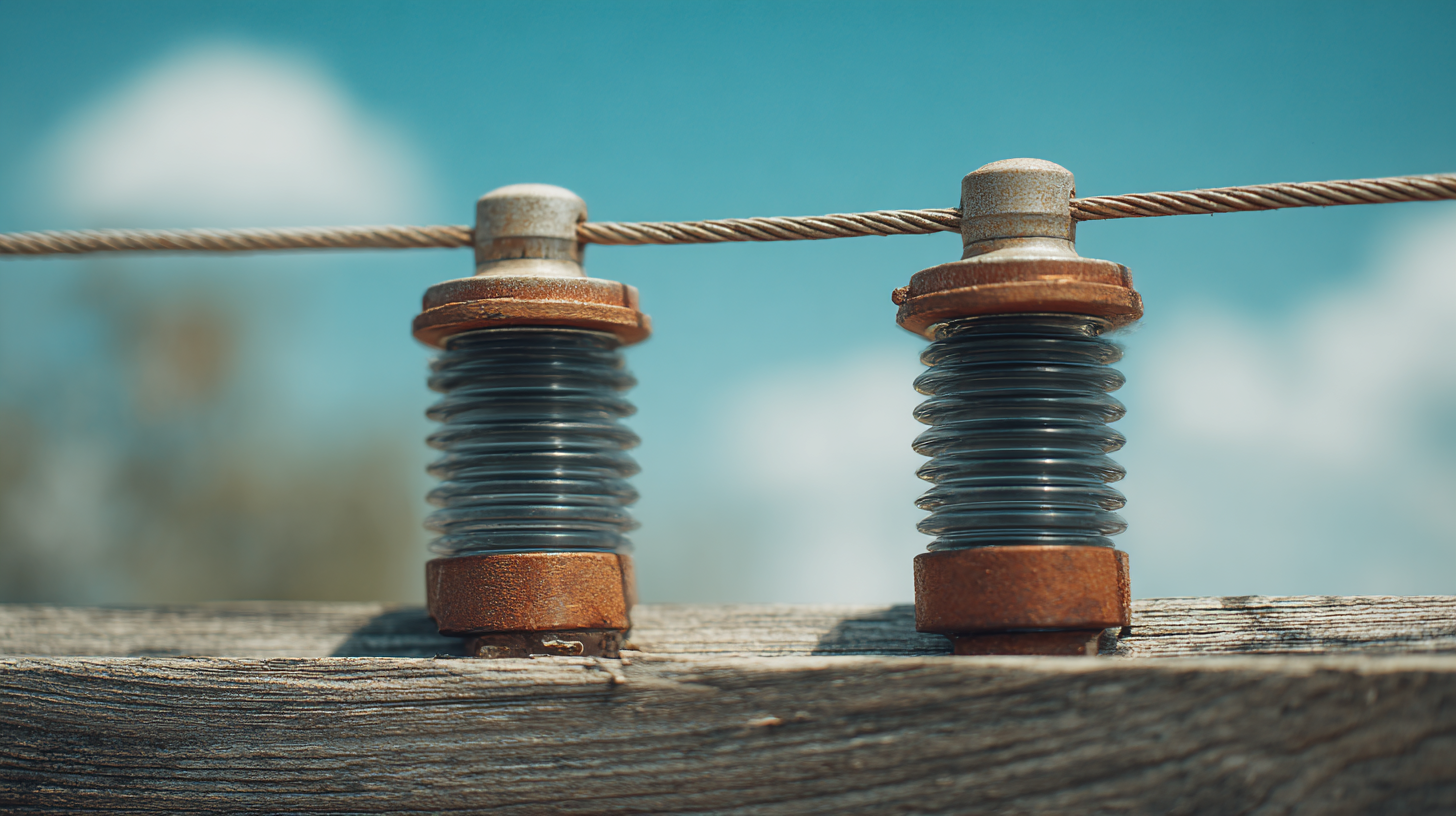
As the need for dependable electrical performance continues to grow across different applications, we've seen some pretty exciting advancements in insulation tech — especially with the emergence of Double Shed Glass Insulators. These insulators are really impressive when it comes to durability and efficiency. They’re designed to help systems run smoother and reduce the need for constant maintenance, which is a huge plus. By the way, Jiangxi QOCl Electric Co. LTD., started back in December 2002 in Jiangxi Province, China, has been at the forefront of making high-quality glass insulators. They’ve got solid tech and R&D capabilities, so they’re always pushing the envelope with what’s possible in functional glass and circuit insulators. In this article, I’ll be breaking down the main benefits of using Double Shed Glass Insulators — stuff that really helps improve reliability and overall performance in electrical setups.
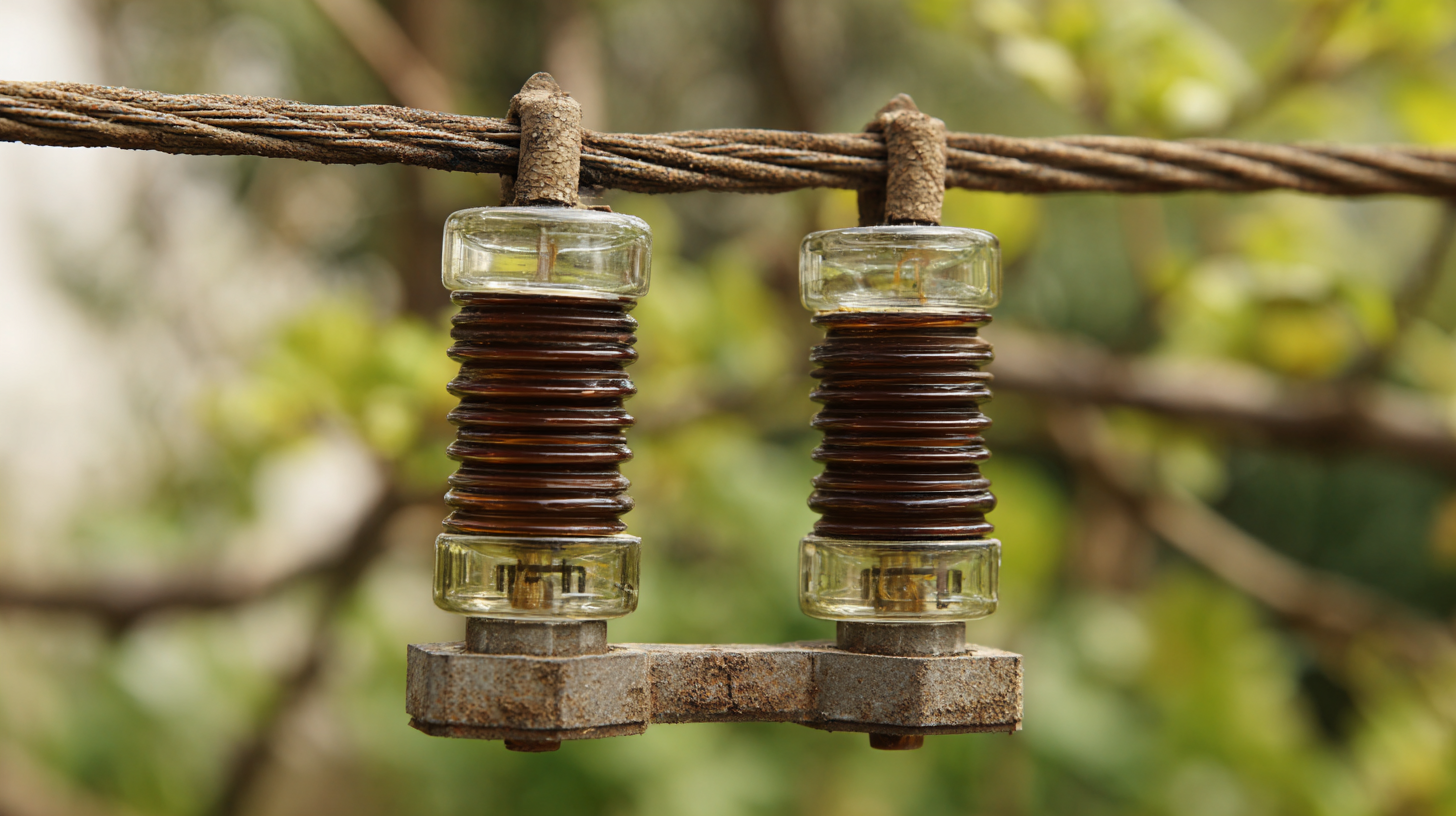
You know, double shed glass Insulators are really gaining ground lately, thanks to their proven reliability when it comes to electrical performance. It’s no wonder that utility companies all over are choosing them more and more. What sets these insulators apart is their clever design — featuring two sheds that not only boost their mechanical strength but also improve their electrical insulation. I recently came across an industry report from the International Electrotechnical Commission (IEC), and it mentioned that these double shed glass insulators can provide up to 30% better dielectric strength compared to the usual single shed versions. That’s a pretty significant upgrade, especially when you consider how they help cut down the chances of electrical failures during nasty weather storms.
And it’s not just about performance — durability’s a big part of the story here. Unlike porcelain insulators, which tend to crack and degrade over time, glass insulators usually last longer and handle environmental stresses pretty well. There was a study from the Electric Power Research Institute (EPRI) that noted glass insulators can last over 40 years with barely any maintenance — which means utilities get to save big on upkeep costs.
If you’re thinking of going with double shed glass insulators, a few tips might help. First off, check out the specific environmental conditions of your site — it makes sense to pick something that suits your local climate. Also, make sure the insulator’s voltage rating and load capacity line up with what you need. And don’t forget, regular inspections can go a long way in keeping them in top shape and ensuring they perform well for years to come.
When you're looking at insulator options for keeping things running smoothly, double shed glass insulators really stand out compared to other materials. They're not just good at doing their job and keeping the power flowing reliably, but they also tend to last much longer because of their sturdy design. Unlike porcelain or polymer insulators, these glass ones can handle the tough stuff—like UV rays and big temperature swings—without breaking a sweat, which means you'll save on maintenance over time.
Plus, if you dig into recent life cycle assessments, you'll see that even though making glass insulators might seem a bit more resource-heavy upfront, their durability kind of cancels that out by reducing how often you need replacements. On the other hand, some other types might take more energy to produce and need a lot more upkeep, which isn't great for the environment. So, when you look at the whole picture—production, longevity, maintenance—double shed glass insulators turn out to be, honestly, a smarter and greener choice in the end. They give you peace of mind with reliability, and in the long run, they're pretty gentle on the planet too.
You know, double shed glass insulators are really gaining popularity these days, especially when it comes to keeping electrical systems running smoothly even in tough environmental conditions. There was this recent report from IEEE about insulator performance, and it pointed out that double shed designs can actually cut down electrical stress and leakage currents a lot more than the old single shed insulators. In fact, the study mentioned that they can reduce the risk of flashovers by up to 30%, which is a pretty big deal for making sure power stays on without interruptions.
And it’s not just that—these insulators tend to resist pollution and moisture way better too. The Electric Power Research Institute did some testing and found that double shed glass insulators hold up really well even after being exposed to harsh weather. They actually outperform ceramic insulators in the long run, maintaining their dielectric strength and not degrading much over time. That really helps those systems last longer and stay more reliable. Honestly, with their sturdy design, it’s no surprise that utilities are now choosing these insulators more often—they want systems to be resilient, and they want to spend less on maintenance in the long run.
Double shed glass insulators might not be the most glamorous part of the electrical grid, but they’re absolutely vital for keeping everything running smoothly. When it comes to making sure they work reliably, sticking to industry standards is a must. For example, the American National Standards Institute (ANSI) requires these insulators to go through pretty tough testing — stuff like checking their mechanical strength and how well they handle high voltages. From what I’ve read, these tests show that double shed glass insulators can actually stand up to harsh weather conditions and keep performing, even in extreme situations. That’s how we know they last and can be trusted.
Plus, there’s the International Electrotechnical Commission (IEC), which has its own set of detailed testing procedures for measuring how strong their dielectric properties are. Usually, these insulators can handle dielectric strengths anywhere from about 60 kV to 80 kV, making them perfect for high-voltage work. Meeting all these tough standards doesn’t just ensure they’re safe and reliable; it also gives us peace of mind knowing they’re up to the job — no matter where they’re used in the electrical grid, across the world.
| Parameter | Value | Standard Compliance | Testing Method |
|---|---|---|---|
| Dielectric Strength | 60 kV | IEEE 386 | Flashover Test |
| Mechanical Strength | 15 kN | ANSI C29.2 | Tensile Test |
| Water Absorption | IEC 60383 | Immersion Method | |
| UV Resistance | > 5000 hours | ASTM G154 | UV Aging Test |
| Impact Resistance | No break at 1.5 m | ASTM D256 | Falling Weight Test |
You know, double shed glass insulators have really started making a name for themselves in the electrical transmission world. People love them because they're not just cost-effective but also built to last. I came across a report from the Edison Electric Institute—pretty reputable—that mentioned how using advanced insulating materials like these can cut down maintenance costs by up to 40% over two decades. That’s a huge deal! The main reason is that these insulators are super resistant to the weather and other environmental stresses, so they don’t fail or need replacing as often.
Plus, there's this other study from the International Electrotechnical Commission that points out how double shed designs actually perform better in tough weather conditions. They’re sturdy enough to handle high voltages and can last more than 30 years—that’s serious longevity. When you think about it, this kind of durability really adds up in the long run. Utilities end up saving a lot because they don’t have to spend as much on replacements—those funds can go into improving the infrastructure or other important projects. All in all, I’d say double shed glass insulators are a smart choice for modern electrical setups—they’re reliable, cost-effective, and even help support sustainability in energy delivery. Pretty cool, right?
Double shed glass insulators have really proven their worth in all sorts of real-world situations, showing they're pretty reliable even in tough environments. Take, for example, a utility company down near the coast that used these insulators to handle some pretty extreme weather—think high winds and salty spray from the ocean. Thanks to these insulators, they managed to cut down on power line failures and keep the electricity flowing steadily to the coastal communities. What’s great about their design is that they shed water and dirt effectively, which means less chance of electrical tracking—a common headache with old-school insulators.
And then there’s a case from a mountainous region where heavy snowfall makes things tricky for the power lines. The local power folks decided to go with double shed glass insulators there, and it paid off. They found that during winter storms, there were far fewer outages, because these insulators are pretty good at preventing snow and ice buildup. All in all, these real-world examples just go to show how versatile and dependable double shed glass insulators are—even when the weather throws a wrench in the works.
: Double shed glass insulators are electrical components designed with a unique structure featuring two sheds, which enhances their mechanical strength and electrical insulation properties, making them highly reliable for utility applications.
Double shed glass insulators offer a comparative dielectric strength increase of up to 30%, reducing the risk of electrical failures in adverse weather conditions compared to traditional single shed insulators.
Double shed glass insulators can last over 40 years with minimal maintenance, significantly decreasing operational costs for utility companies.
Compliance with industry standards is crucial as it ensures that double shed glass insulators meet specific mechanical and electrical properties, contributing to reliable performance and safety in high-voltage applications.
Double shed glass insulators typically exhibit a dielectric strength ranging from 60 kV to 80 kV, making them suitable for high-voltage applications.
They can reduce maintenance costs by up to 40% over a 20-year period due to their superior resistance to environmental stresses, which minimizes the need for frequent replacements.
These insulators are designed to endure extreme weather conditions, ensuring longevity and consistent performance in various environmental settings.
Consider the specific environmental conditions of the installation site, the insulator's voltage rating, expected load, and compatibility with existing infrastructure.
Regular inspections can enhance the longevity of double shed glass insulators by ensuring optimal functionality and early identification of potential issues.
Their durability and cost efficiency lead to reduced replacement frequency and lower operational costs, allowing utilities to invest in sustainable infrastructure improvements.
Double Shed Glass Insulators are really making a name for themselves as a go-to solution when it comes to keeping electrical systems running smoothly. They're designed a bit differently from your usual insulators — with a unique shape that boosts performance pretty significantly. Thanks to their improved dielectric qualities and better resistance against the elements, they tend to perform more reliably over time. Plus, they've been tested thoroughly and meet industry standards, so you can count on them doing their job consistently, no matter the conditions.
Looking at the bigger picture, using Double Shed Glass Insulators can actually save you some serious cash in the long run. They’re durable and hold up well, which means less maintenance and fewer outages. Jiangxi QOCI Electric Co. Ltd. is really stepping up here, with cutting-edge manufacturing tech and a genuine focus on R&D. They’re dedicated to producing top-notch insulators that adapt to the ever-changing needs of the electrical world. And, if you check out their case studies, you'll see plenty of real-world examples showing just how effective these insulators can be in action.