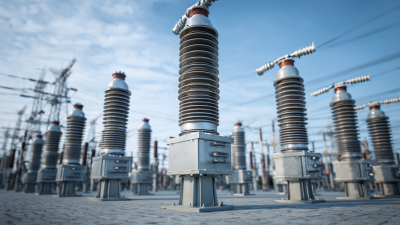
When it comes to building a more sustainable electrical infrastructure, High tension insulators really play a crucial role — you can’t overlook their importance. As our demand for electricity keeps climbing, making sure power transmission is both safe and efficient becomes more and more critical. Jiangxi QOCl Electric Co. LTD., founded back in December 2002, has really made a name for itself as a top player in the field of advanced glass insulators. They put a lot of focus on research and development, using mature manufacturing techniques to improve how well these insulators work and how reliable they are. Not only do these insulators help make electrical systems more durable and reliable, but they also play a part in minimizing environmental impact.
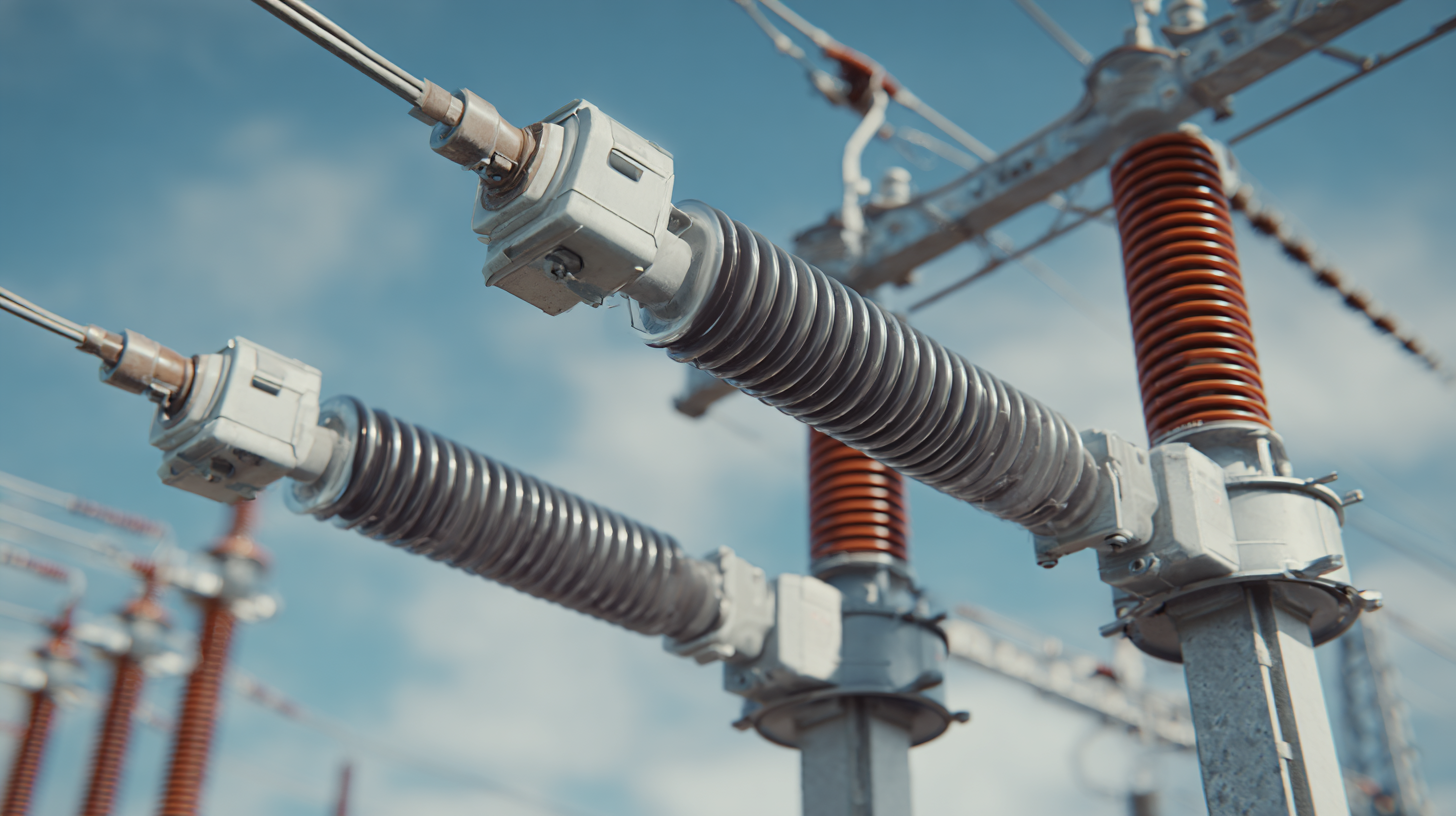
In this article, I want to explore all the benefits these High Tension Insulators offer — showing why they’re so important for a greener, more sustainable electrical future — and also giving a bit of a shoutout to how Jiangxi QOCl Electric is leading the charge in this cool technological push.
Understanding High Tension Insulators and Their Role in Electrical Infrastructure
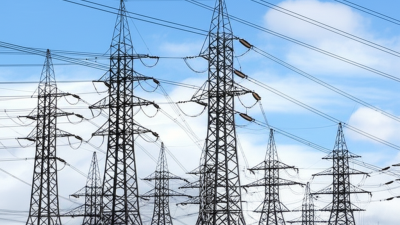
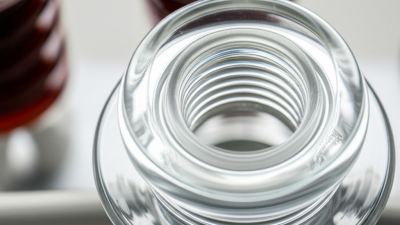
High tension insulators might not be something most folks think about daily, but they’re actually pretty important when it comes to our electrical grid. These guys are what keep the high-voltage electricity safely separated from the structures like towers or poles. Without them, we’d be risking short circuits or worse. They’re usually made from materials like porcelain, glass, or special polymers — stuff that can stand up to bad weather, which is crucial since they’ve got to work reliably no matter what Mother Nature throws at them.
But it’s not just about keeping the power flowing. High tension insulators play a bigger role in making our electrical system efficient and eco-friendly. They help cut down on energy leaks, which means less wasted power, and their tough build means less frequent repairs or replacements. Picking the right materials is a big part of that, because we want gear that lasts longer and keeps things running smoothly. All in all, these insulators are a key piece in building a more resilient and sustainable energy system — something we’ll definitely need more of as global energy needs grow.
Key Benefits of High Tension Insulators for Sustainability
High tension insulators are actually pretty important when it comes to making our electrical setups more eco-friendly and sustainable. One of the coolest things about these insulators is that they help boost energy efficiency — yeah, they cut down on energy losses when the electricity's traveling around. That means less waste, and honestly, a smaller carbon footprint from our power distribution. As more folks are pushing for a greener, cleaner grid, bringing in high tension insulators is definitely a smart move to support those sustainability goals.
Plus, these insulators are built tough enough to handle rough weather conditions, which means they last longer and need less maintenance. Fewer replacements mean we’re conserving resources and cutting down on waste. Looking ahead to 2024, with high voltage insulators still leading the market, it’s pretty clear that more companies need to start thinking about eco-friendly materials in their systems.
**Pro tip:** When you're picking out high tension insulators, it’s a good idea to look at their performance over time and how much energy they save. Picking options with solid, sustainable materials can make a real difference not just in how well they work, but also in how environmentally friendly your electrical setup is.
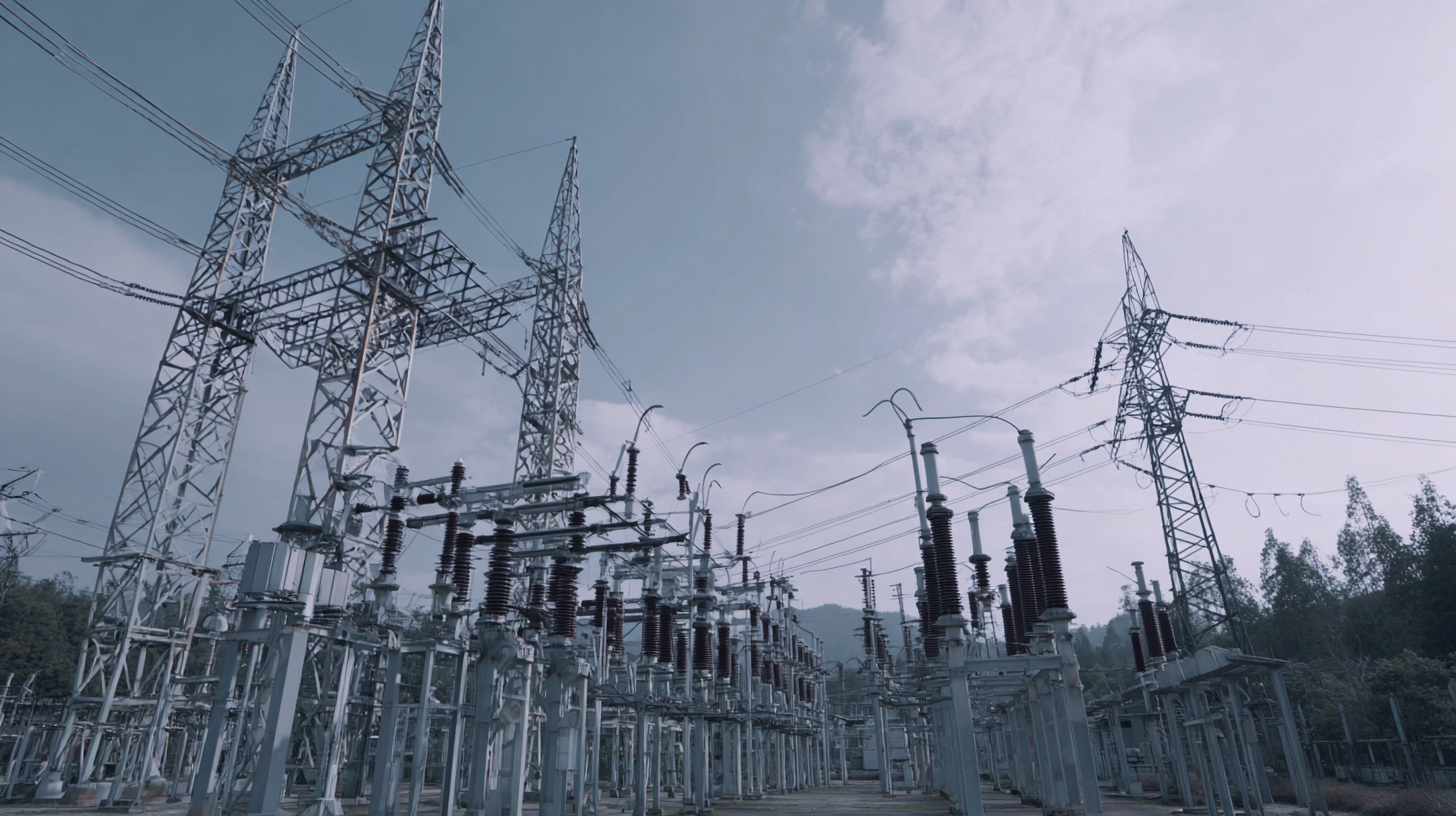
Comparative Analysis: High Tension Insulators vs. Traditional Insulators
High tension insulators are really becoming more and more important in today's electrical setups, especially as we look for ways to be more efficient and eco-friendly. You know, compared to the older, traditional insulators, high tension ones tend to perform much better in high-voltage situations. Interestingly, industry experts predict that the market for electric insulators is set to grow quite a bit. In fact, they say it could jump from around 4.9 billion dollars in 2025 to close to 6.8 billion by 2035—that’s some serious growth! This mainly comes down to advances in materials and a bigger push for reliable energy transmission everywhere.
Plus, there are some pretty cool new tech tools happening now, like the RSP-YOLOv11n multi-module algorithm, which is used for spotting insulator defects from drone images. It’s pretty amazing because it makes inspections faster and more accurate. As traditional insulators struggle with issues like environmental wear and tear or failing under really harsh conditions, composite insulators are really catching on thanks to their better electrical and mechanical features. All in all, with ongoing innovations in high-voltage engineering and smarter defect detection, switching over to high tension insulators seems like the smart move for building a more resilient and cleaner electrical grid.
Exploring the Benefits of High Tension Insulators for Sustainable Electrical Infrastructure
| Aspect | High Tension Insulators | Traditional Insulators |
| Material | Composite materials (polymer-based) | Ceramics or glass |
| Weight | Lighter (up to 50% less) | Heavier |
| Installation Cost | Lower due to easier handling | Higher due to complex installation |
| Maintenance | Less frequent, durable materials | More frequent due to wear |
| Environmental Impact | Lower carbon footprint | Higher carbon footprint |
| Lifespan | Up to 40 years | 25-30 years |
| Electrical Performance | Superior tracking resistance | Lower tracking resistance |
Best Practices for Implementing High Tension Insulators
Using high tension insulators in our electrical systems really makes a difference when it comes to reliability and safety. One of the most important things we should do is keep an eye on leakage current (LC) and voltage levels — these actually tell us a lot about how the insulators are holding up, especially with changing weather conditions. Recent experiments have shown that understanding how leakage current behaves can actually help predict if an insulator might fail, giving us a heads-up before anything serious happens. If utilities make a habit of testing and analyzing these metrics regularly, they can spot signs of dirt buildup or wear and tear early on, which is super helpful in avoiding big problems down the line.
Another key point when it comes to high tension insulators is making sure they’re well protected from the environment. More and more, utilities are adding safety features like spacers for both high and low tension lines, plus transformer caps — all to cut down the risk of flashovers caused by pollution. Taking these steps proactively not only keeps the equipment safer but also helps the whole system stay stronger and more resilient. And today, with tech getting smarter all the time, tools like machine learning are helping us classify contamination more accurately, so maintenance can be done just in time. All these innovative strategies are really crucial for keeping our electrical infrastructure efficient and reliable in the long run.
Exploring the Benefits of High Tension Insulators
This chart illustrates the various benefits of high tension insulators in sustainable electrical infrastructure. The data highlights voltage levels, maintenance cost savings, reliability improvements, and increased lifespan, showcasing the effectiveness of implementing these insulators in modern electrical systems.
Future Trends in High Tension Insulator Technology
Advancements in high tension insulators are really playing a big part in making our electrical systems more sustainable and efficient. You know, as more folks are jumping on the renewable energy bandwagon, there’s definitely a buzz around new insulator tech. Stuff like composite materials and slick coatings are not only boosting how well these insulators perform but also cutting down on maintenance. And honestly, these upgrades mean they last longer and end up costing less over their lifetime—pretty much a win-win for building a greener, more reliable power grid.
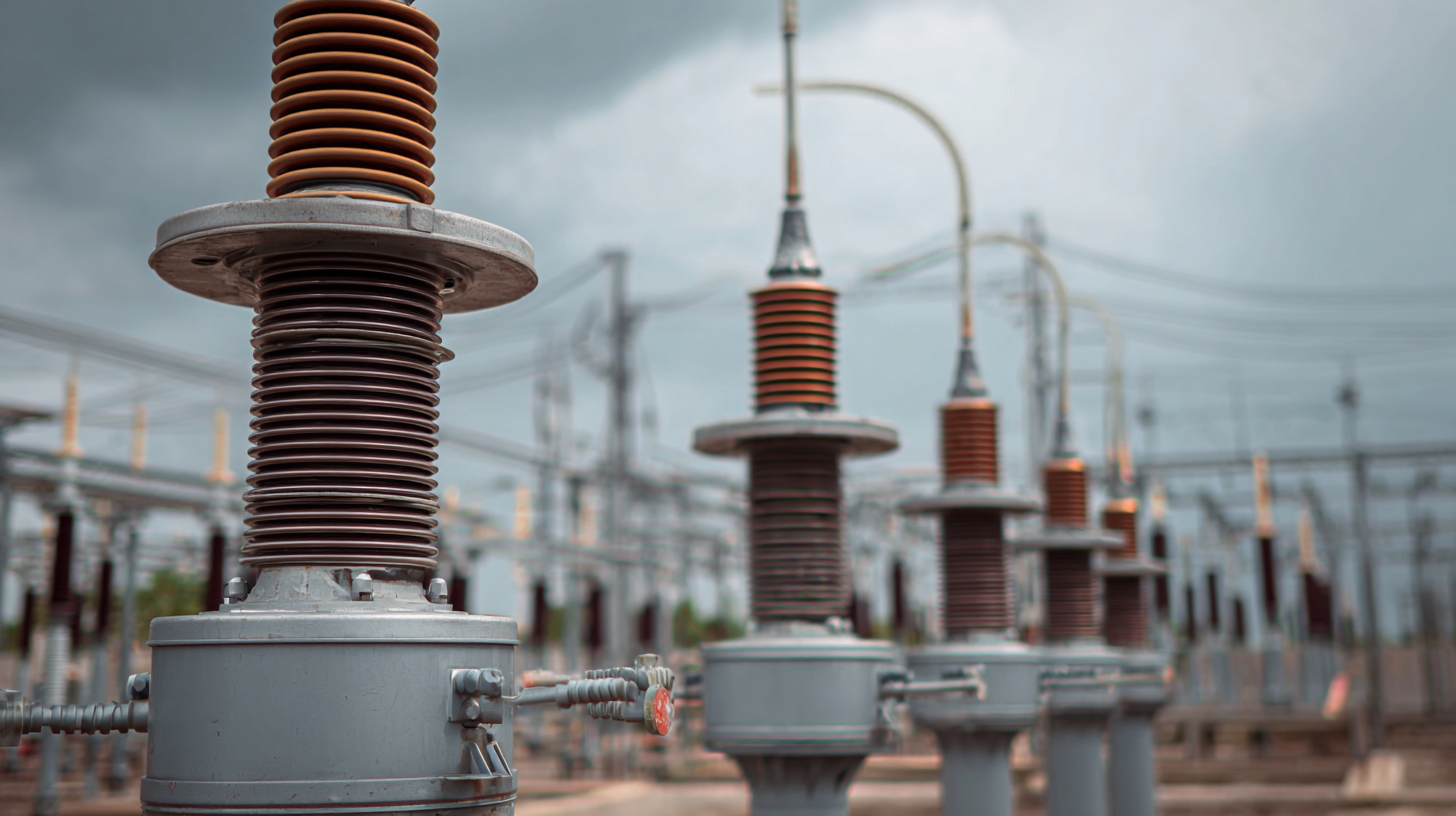
Oh, and here’s something cool — smart tech is creeping into these insulators now. Imagine real-time monitoring and data collection right out of the box! That means we can catch issues early, do proactive repairs, and keep failures at bay. As the industry gets more automation and connectivity, the role of high tension insulators is definitely changing. They're starting to come with features that fit into these smarter, more integrated infrastructure setups.
Long story short, the future looks bright: better performance, tougher against weather and environmental stuff, and playing a key part in shifting us toward cleaner energy solutions.
Case Studies: Successful Applications of High Tension Insulators
When it comes to building a more sustainable electrical system, using high tension insulators is a pretty big deal. Recent stories and case studies really show how these insulators don’t just make the power grid more reliable, but also help cut down on environmental damage. For example, some utility companies that have rolled out these insulators are actually seeing their maintenance costs drop by up to 30%. That’s a solid win — it’s a win for their operations and for the planet, all at the same time.
And get this: data from industry reports suggests that switching to high tension insulators could boost energy efficiency by around 15%. That means more power transmission without making a bigger mess environmentally. As more folks push for renewable energy sources, these insulators are turning out to be even more crucial. They make it easier to plug in different kinds of green energy into the existing grid, which is a big step toward a sustainable energy future. All in all, these examples really drive home the point — investing in smarter, greener tech isn’t just nice to have, it’s kinda essential for the electrical sector’s future.
FAQS
: High tension insulators enhance energy efficiency by reducing energy losses during transmission, contributing to a smaller carbon footprint. They also have a longer lifespan and lower maintenance requirements, which conserves resources and reduces waste.
High tension insulators provide superior performance in high-voltage applications and are more resilient against extreme conditions than traditional insulators, making them a better choice for modern electrical infrastructure.
The electric insulators market is projected to grow due to advancements in material science and increased demand for reliable energy transmission, with forecasts estimating growth from USD 4.9 billion in 2025 to USD 6.8 billion by 2035.
Using eco-friendly materials in high tension insulators enhances their life cycle sustainability and overall functionality, contributing to both performance and environmental stewardship.
Technologies such as the RSP-YOLOv11n multi-module optimized algorithm are being used to detect insulator defects in UAV images, improving inspection efficiency and accuracy.
Their durability allows them to withstand harsh environmental conditions, which decreases the frequency of replacements and thus reduces maintenance requirements.
It is important to consider their long-term performance and energy savings potential, as well as the sustainability of the materials used.
Integrating high tension insulators is crucial for developing a greener grid and enhancing the sustainability of electrical infrastructure.
Conclusion
High tension insulators are pretty important when it comes to keeping our electrical infrastructure reliable and eco-friendly. They help deliver power more efficiently and cut down on energy losses. Compared to traditional insulators, these high tension versions really shine—especially because they perform well even in tough conditions, last a lot longer, and don’t require as much maintenance. Like the article points out, a side-by-side look shows just how beneficial it is to switch to high tension insulators—they’re durable, environmentally resilient, and overall a smarter choice.
When it comes to actually using them, the best approach is to incorporate them smoothly into what’s already in place. And looking ahead, there are some exciting developments—more advanced materials and tech that will make these insulators even more efficient. Jiangxi QOCI Electric Co. Ltd., with its solid background in making glass insulators, is actually in a great spot to lead the way. They've already demonstrated their capabilities with some pretty impressive case studies showcasing their innovative high tension insulator solutions.