In the fast-changing world of power distribution, 11kv Insulators really play a crucial role. Experts often point out how important it is to pick the right insulator to keep everything safe and running smoothly. I mean, Dr. Emily Carter from PowerTech Solutions even mentions, “The right 11kv insulator can cut down on maintenance costs and boost system efficiency.” Sounds pretty straightforward, right?
Looking ahead to 2026, more and more global buyers are gonna be on the hunt for top-notch 11kv insulators. There are tons of options out there, but honestly, not every product lives up to industry standards. Navigating this market requires a bit of careful thought and, honestly, sometimes some good advice from the pros.
Picking the rigHt Insulators isn’t just about the material or how they look—it’s also about environmental factors and what kind of conditions they’ll face. A lot of buyers struggle with making decisions, often missing out on the long-term benefits that come with investing in quality insulators. Spending a little more upfront can really save you headaches later by reducing risks and keeping the system running smoothly. It’s also wise to look back—learning from past choices and mistakes can really help when it’s time to decide on new insulation solutions.
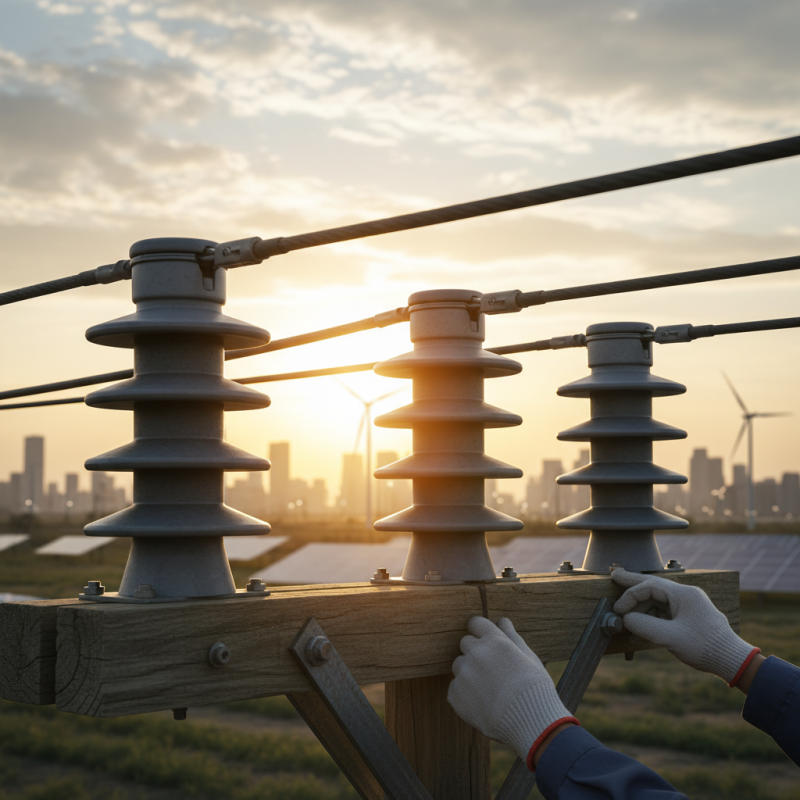
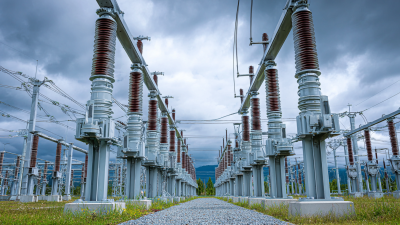
Overview of 11kV Insulators and Their Significance in Power Transmission
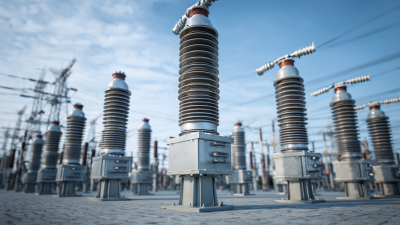
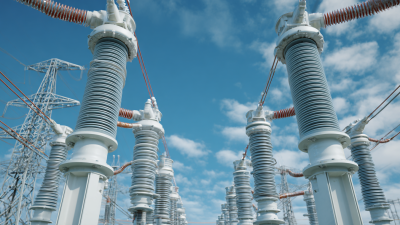
Insulators are crucial in power transmission systems, especially at 11kV. These components help maintain safety and efficiency in electricity distribution. According to a recent industry report, nearly 15% of power losses can be attributed to inadequate insulation, emphasizing the significance of quality materials. The right insulators ensure reduced maintenance and longer service life, crucial for utility companies facing increasing demand.
When selecting insulators, consider environmental factors. Pollution levels and weather can affect performance. For instance, insulators exposed to high humidity may require specific materials that resist moisture better. Reports indicate that pollution-resistant insulators can reduce operational costs by as much as 20%.
Tip: Always evaluate the specific conditions where insulators will be deployed.
Design and technology are evolving rapidly. Many insulators now incorporate advanced ceramics or composite materials for enhanced durability. However, not all innovations yield better performance. A detailed analysis of suppliers and their products is essential for making informed choices. Sometimes, cost-effective solutions may not mean the best quality.
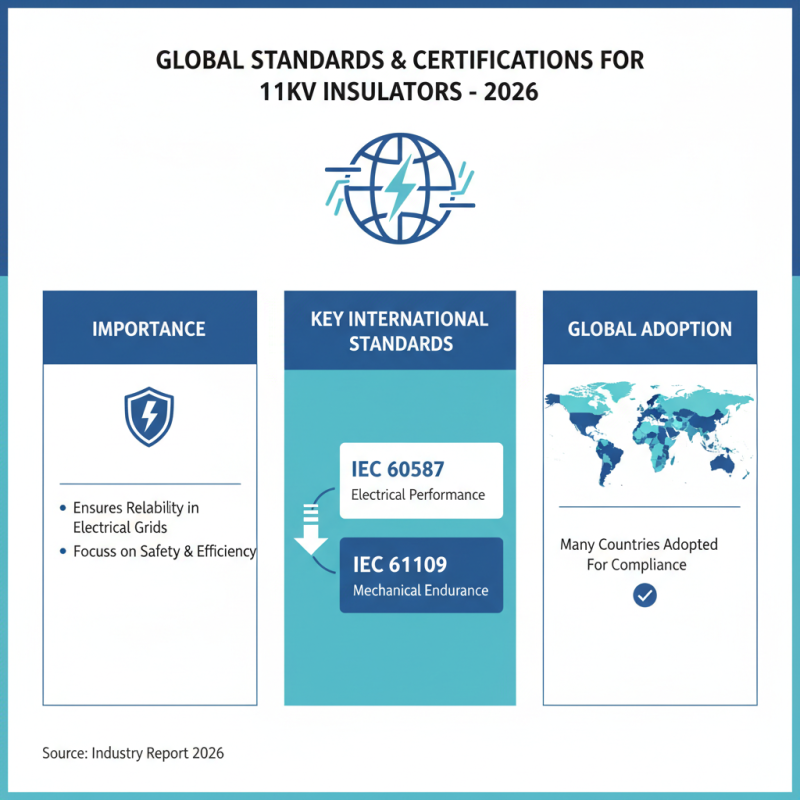
Tip: Check for third-party certifications.
Investing in the appropriate insulator can lead to significant long-term benefits. The balance between cost and quality cannot be overstated. Each application and location has its unique challenges, warranting thorough consideration before procurement.
Types of 11kV Insulators: Porcelain, Glass, and Polymer-Based Options
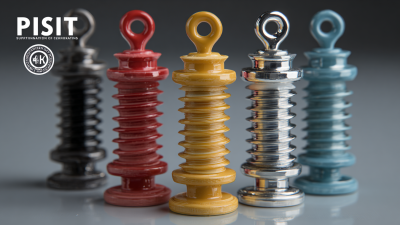
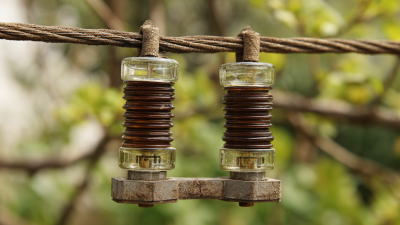
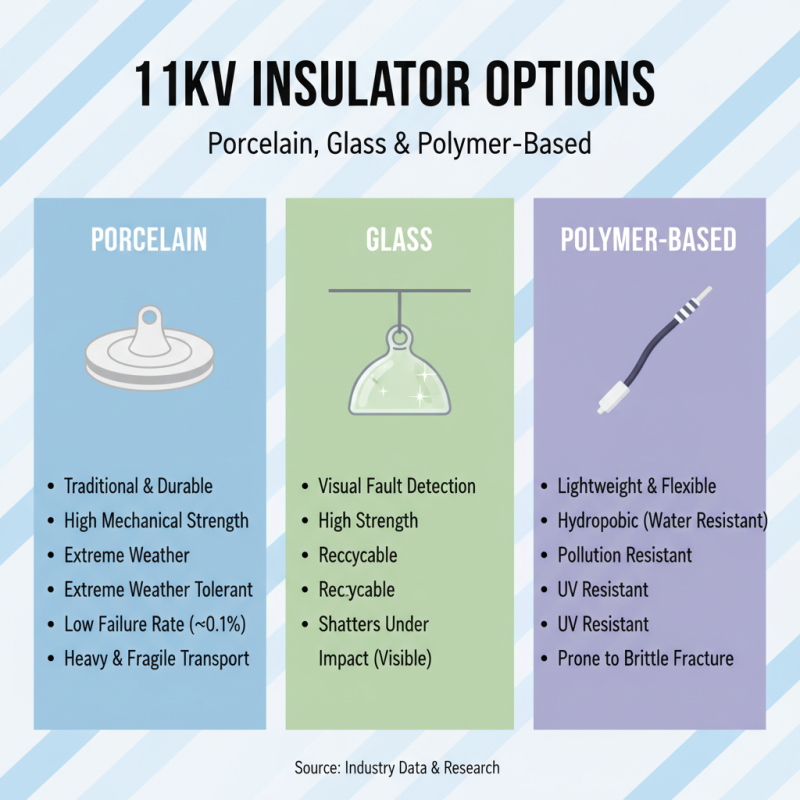
When selecting 11kV insulators, buyers can choose from three main types: porcelain, glass, and polymer-based options. Each material has unique attributes, affecting performance and reliability. Porcelain insulators are traditional, boasting durability and high mechanical strength. These insulators handle extreme weather and heavy loads well. According to industry data, they have a low failure rate of around 0.1%. However, their weight and fragility make transportation challenging.
Glass insulators offer transparency and high visibility. Their smooth surface can shed dirt easily, improving insulation performance. They are resistant to UV radiation and temperature extremes. Data shows that glass insulators can last more than 30 years, providing a long lifecycle. Nevertheless, the risk of shattering, due to impact or stress, is a concern for some users.
Polymer-based insulators are gaining popularity due to their lightweight and high flexibility. These insulators are notably resistant to pollution and reduce maintenance needs. Industry reports highlight that polymer insulators can withstand mechanical stress about 50% better than conventional materials. Yet, their long-term performance remains under observation, and some users question their lifespan compared to porcelain and glass.
Key Factors Influencing the Selection of 11kV Insulators in 2026
When selecting 11kV insulators in 2026, several key factors come into play. According to the International Electrotechnical Commission, dielectric strength is critical. Insulators must withstand electrical stress, especially in regions with severe weather conditions. High-performance materials, such as silicone and porcelain, are increasingly favored for their durability and resistance to environmental factors.
Another influential factor is cost efficiency. A report from ResearchAndMarkets highlights that operational expenses significantly impact procurement decisions. Potential buyers must weigh upfront costs against long-term reliability and maintenance. Innovations in manufacturing techniques have made it possible to produce cost-effective insulators without sacrificing quality. Proper assessments of manufacturer credentials and compliance with international standards enhance buyer confidence.
Moreover, the sustainability aspect cannot be overlooked. Insulators made from recyclable materials contribute to environmental goals. Data from the Global Insulator Market Report suggests that eco-friendly insulators are gaining traction. However, buyers face challenges integrating sustainable practices into their supply chain. The balance between sustainability and performance remains a critical consideration for future selections.
Best 11kv Insulators for Global Buyers in 2026
| Insulator Type | Material | Voltage Rating (kV) | Creepage Distance (mm) | Weight (kg) | Temperature Range (°C) |
| Composite Insulator | Silicone Rubber | 11 | 600 | 6.5 | -40 to 50 |
| Porcelain Insulator | Porcelain | 11 | 450 | 8.0 | -20 to 60 |
| Glass Insulator | Glass | 11 | 500 | 7.5 | -30 to 70 |
| Polymeric Insulator | Polymer | 11 | 600 | 5.0 | -40 to 60 |
Market Trends for 11kV Insulators: Predictions and Innovations
The market for 11kV insulators is evolving rapidly. Innovations are shaping designs and materials. Manufacturers are focusing on durability and efficiency. The demand for lightweight insulators is on the rise. Additionally, environmental sustainability is a key concern. New materials are being tested to reduce environmental impact.
Tips: Consider investing in advanced materials like composite insulators. They offer better performance and resistance. They may seem costly initially, but they can save on maintenance long-term.
Quality control will also play a vital role. Rigorous testing ensures reliability in harsh conditions. Buyers should prioritize suppliers with proven track records. Transparency in production processes is essential for accountability.
Looking ahead, the importance of smart technologies cannot be overlooked. Integrating sensors can enhance monitoring and performance. A more connected grid relies on such advancements. However, the initial integration may pose challenges. Companies must be prepared to adapt their strategies accordingly.
Top Manufacturers and Suppliers of 11kV Insulators: A Competitive Analysis
As the demand for reliable electricity supply increases, 11kV insulators play a critical role in power distribution systems. In 2026, the global market is projected to witness significant growth, with a compound annual growth rate (CAGR) of over 6% from 2021 to 2026. This growth raises questions about the best manufacturers and suppliers for 11kV insulators. Key players in the industry are swiftly adapting to meet these rising expectations by enhancing product quality and expanding their manufacturing capabilities.
Top manufacturers focus on composite materials and advanced technologies to improve insulator performance. A recent report highlighted that almost 30% of the insulator segment is now made of polymeric materials, which offer superior durability against harsh environmental conditions. This shift is driven by increasing utility demands for longer-lasting and maintenance-free solutions. However, some manufacturers struggle to scale production effectively, which can lead to inconsistencies in product quality.
In terms of competitive analysis, suppliers are diversifying their portfolios to offer comprehensive solutions. This strategy helps them capture a larger market share. Reports indicate that regional players are becoming increasingly relevant, particularly in Asia-Pacific, where infrastructure development is booming. However, understanding local regulations and standards remains a challenge for many. Balancing quality with cost-efficiency appears to be an ongoing concern, highlighting the complexities in selecting the best partners in this field.
Future Challenges and Opportunities in the 11kV Insulator Market
As the demand for reliable electric infrastructure grows, the 11kV insulator market faces significant challenges. Advancements in material science invite innovation, but there are hurdles. Functional longevity remains a concern. Insulator degradation due to harsh environmental conditions can impact performance. Industry experts emphasize the need for research into more durable materials. Balancing cost with performance is also crucial.
Global buyers must consider sustainability in their choices. Eco-friendly production methods are gaining traction. However, these methods may lead to higher costs. Manufacturers should focus on reducing waste throughout the production cycle. Understanding intricate supply chains can create more resilient purchasing strategies. Education and training in insulator technology are vital for workforce readiness.
Another challenge is meeting regulatory standards. Compliance varies widely across regions. Staying updated on international guidelines requires ongoing commitment. The rise of renewable energy sources creates new opportunities. As green technologies expand, so does the need for reliable insulators. Adapting to this change could lead to innovative insulation solutions. The potential transition to smarter grids also influences future designs. Balancing innovation and traditional practices will take careful navigation in the years ahead.
Conclusion
The article explores the significance of 11kV insulators in power transmission, highlighting their critical role in ensuring efficiency and safety in electrical networks. It delves into the various types of insulators available, including porcelain, glass, and polymer-based options, outlining their unique advantages and applications.
Key factors influencing the selection of 11kV insulators in 2026 are discussed, including material durability, environmental conditions, and market trends such as innovation in design and technology. The article also reviews the global standards and certifications relevant to 11kV insulators, ensuring that buyers are well-informed about safety and quality benchmarks. Furthermore, it provides a competitive analysis of top manufacturers and suppliers, along with insights into future challenges and opportunities within the 11kV insulator market.