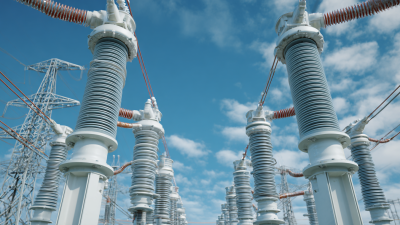
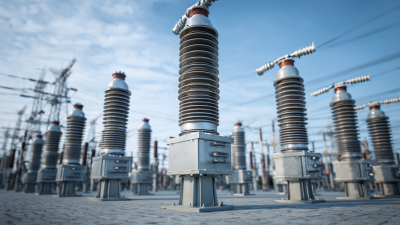
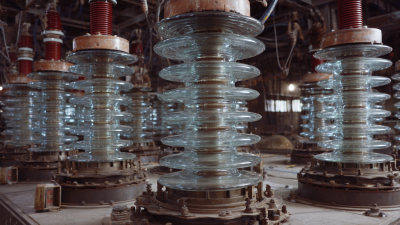
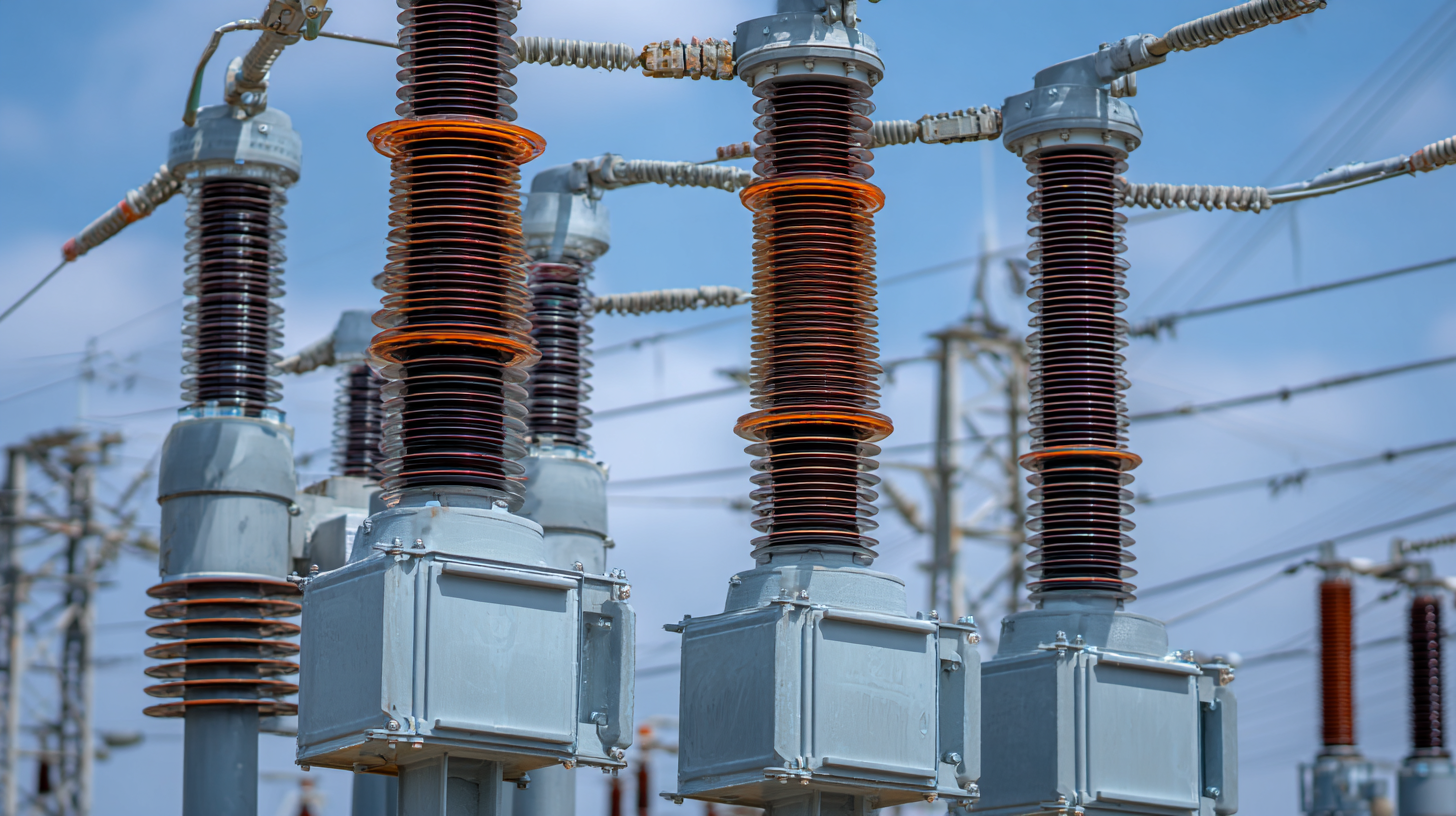
In the fast-moving world of power transmission, the reliability of infrastructure really depends a lot on the quality of insulators—especially 11kV insulators. These little guys are so important for protecting electrical systems from the weather and making sure electricity flows smoothly. Industry folks say that worldwide demand for electrical insulators is set to grow at over 5% annually in the coming years. This growth is fueled by ongoing investments in power generation and distribution projects. One company that's really making waves in this space is Jiangxi QOCI Electric Co. Ltd., which has been around since December 2002. They focus on making and researching glass insulators, particularly those used in circuits. With solid production techniques and a strong emphasis on functional glass and circuit insulators, QOCI is well-positioned to offer smart solutions that help keep our power grids reliable, supporting the infrastructure we all depend on in our daily lives.
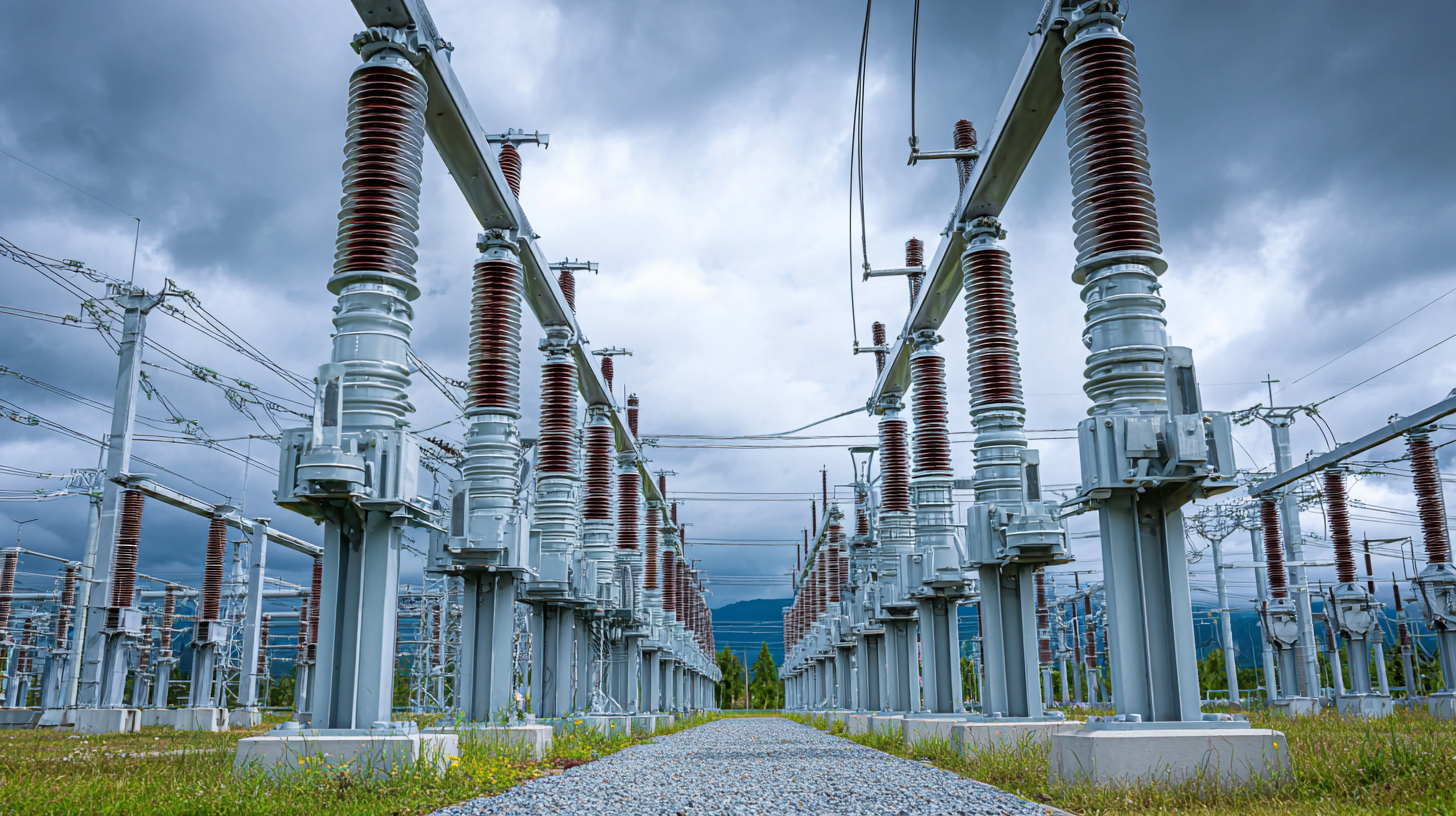
When you're choosing the right 11kV Insulators for a reliable power transmission setup, there are a few key things you really want to keep in mind to make sure everything runs smoothly. First off, the material of the insulator is a pretty big deal. You’ve got options like porcelain, glass, and polymer—each has its own perks. Porcelain insulators, for instance, are known to be super sturdy and resistant to weather, whereas polymer ones are lighter and less likely to break, which is great if you’re working in urban areas.
Another thing to look at is how strong the insulator is electrically and mechanically. Basically, you need to assess if it can handle the electrical stresses and mechanical forces, especially when dealing with high voltages. The way it’s designed, including surface features, also plays a role in keeping contamination at bay and ensuring it lasts a long time. don’t forget about the environment—things like pollution levels and temperature swings in the area where the insulator will be installed are important factors. Picking the right insulator that can handle these conditions will help it stay reliable and perform well over time. All these little considerations add up to making sure your power transmission systems keep working smoothly and efficiently.
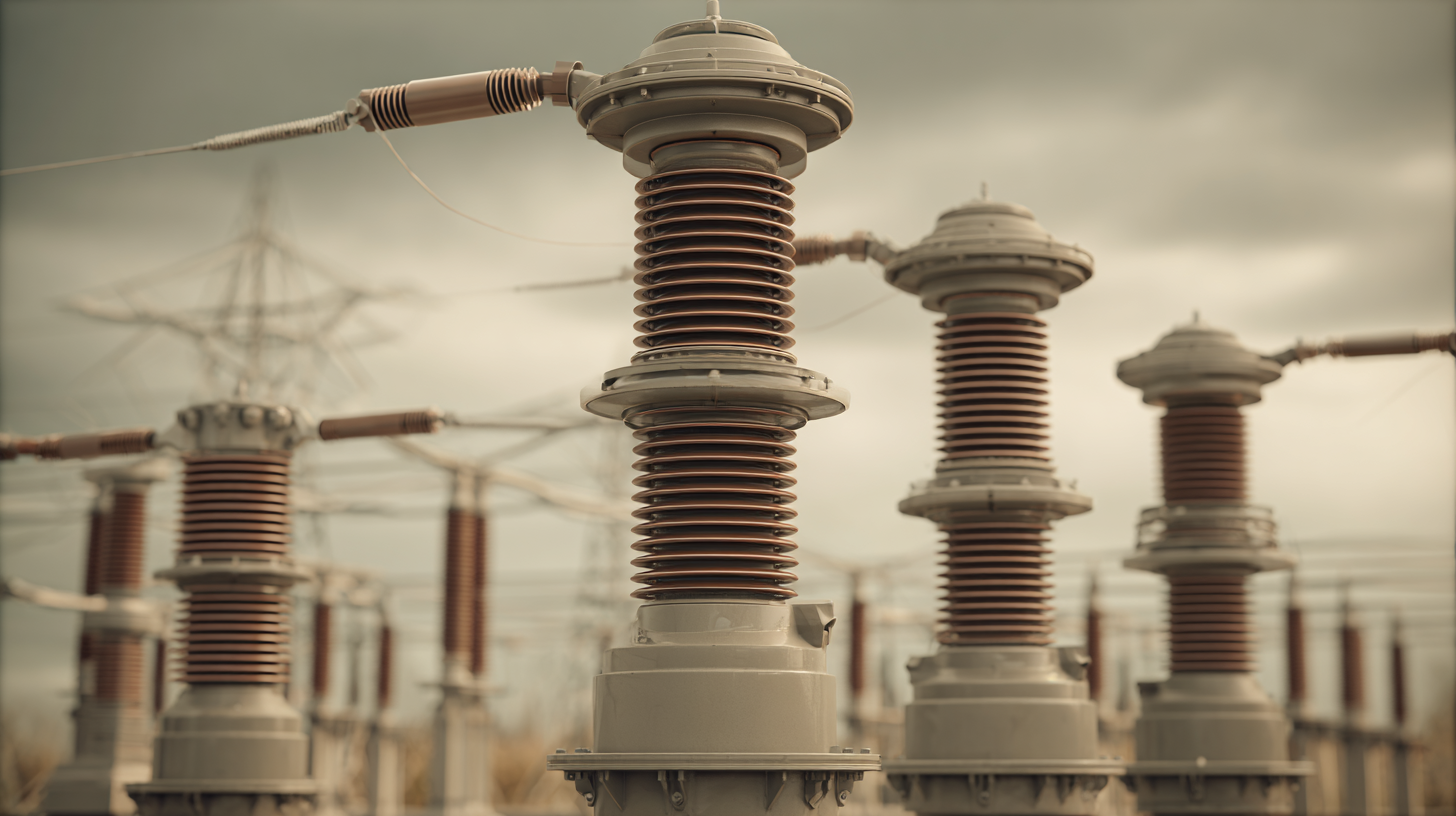
When you're dealing with 11kV power transmission systems, picking the right insulator material is actually pretty important if you want things to run smoothly and reliably. Mostly, you'll see two main types: porcelain and polymer insulators. Porcelain has been the go-to for ages—people love it because it's super sturdy and does a great job insulating against electricity. It handles weather pretty well too, so it lasts a long time, which makes it a pretty safe bet in all kinds of environments. That said, porcelain is kinda heavy, which can make installation a bit more of a hassle and might push up the costs since the towers need to support that extra weight.
Let’s talk about dielectric strength — it’s actually a pretty important thing when it comes to assessing how well 11kV insulation materials perform in power systems. Basically, it’s the maximum electric field a material can handle before it breaks down. Knowing this is key because it helps keep our electrical systems running smoothly and safely. Insulators with high dielectric strength are great at preventing electrical discharges, which means they not only boost safety but also help the infrastructure last longer. This becomes especially important in places where environmental conditions like moisture or pollution can mess with insulator performance.
Here at Jiangxi QOCl Electric Co. Ltd., we’re pretty proud of our cutting-edge technology that allows us to produce top-quality glass insulators with awesome dielectric properties. We kicked things off back in 2002 in Jiangxi Province, China, and ever since, we’ve been hard at work on research and development — improving our products, like specialized glass and circuit insulators. Our main goal is quality; we want our insulators to not just meet industry standards but also perform reliably in tough environments. When you think about dielectric strength and innovative design, our products really stand out as solid choices for dependable power transmission in the electrical world.
When you're choosing 11kV insulators for power transmission, it’s really important to follow industry standards and regulations. These rules aren’t just bureaucratic; they’re there to make sure everything runs safely and reliably. Insulators need to meet certain performance benchmarks set by organizations like the IEC and IEEE. For example, the IEC 60383 standard specifies that insulators should have strong mechanical properties and hold up well against harsh environmental conditions—think UV rays and pollution. Basically, this helps the insulators handle sudden voltage spikes and minimizes the chances of failure down the line.
On top of that, it’s super important to stick to local rules, like those from NEMA. From what I've seen, insulators made following NEMA standards tend to last longer and need less maintenance—sometimes up to 30% less, which is a real savings. Also, data from the Electric Power Research Institute shows that using compliant insulators can really boost the overall lifespan of power transmission systems. It’s especially helpful in preventing failures caused by pollution, which apparently accounts for about a quarter of all outages related to insulators.
All in all, paying attention to these standards and regulations isn’t just about ticking boxes. It’s about making sure your power networks stay reliable and efficient for the long haul. Proper insulator selection, based on those guidelines, can make a big difference in keeping things running smoothly without unexpected hiccups.
When you're looking at 11kV insulators for power transmission, one of the main things to think about is cost — both what you pay upfront and how they perform over the long run. An International Energy Agency report points out that choosing the right insulator can really help cut down overall costs for utilities in the long haul. Now, ceramic insulators might seem cheaper at first glance, but on the flip side, composite insulators tend to last longer and perform better. That means fewer headaches with maintenance, less downtime, and fewer replacements down the road.
A study from the Electric Power Research Institute even found that, over time, composite 11kV insulators can save as much as 30% in operational costs compared to traditional options. Why? Because they’re better at handling environmental stuff like pollution and moisture — which normally cause wear and tear — so you don’t need to replace them as often and your maintenance costs drop. Plus, putting good-quality insulators in can boost the overall reliability of the system, leading to fewer unexpected outages and keeping the power flowing smoothly. All of this matters a lot if you want a reliable, efficient power transmission setup that doesn’t break the bank in the long run.
When it comes to making sure your power transmission runs smoothly, choosing the right 11kv insulators and keeping them in good shape really matters. Honestly, sticking to good maintenance routines can do wonders—extending their life and making your whole system more reliable. It's a smart move to regularly check the insulators for any signs of wear, dirt buildup, or damage. And don’t forget about cleaning! Keeping them free of dirt and debris helps prevent breakdowns and electrical issues. Oh, and a tip—use environmentally friendly cleaning products. They're better for the insulators and the planet. Also, setting up a regular maintenance schedule makes sure inspections and cleaning happen consistently, without you forgetting or rushing through it.
At Jiangxi QOCI Electric Co. Ltd., we’ve been perfecting our glass insulator manufacturing since 2002. Thanks to our ongoing focus on research and development, we’re always working to improve our designs to meet the latest industry standards. When you take good care of the insulators, you’re not just protecting your equipment—you’re also ensuring safer, more efficient power delivery across your network. It's all about extending their lifespan and getting the most out of your investment.
This chart displays the reliability scores of various 11kV insulators used in power transmission. Higher scores indicate better performance and reliability over time, helping to inform best maintenance practices and solution selection.
: The main materials for 11kV insulators include porcelain, glass, and polymer. Each material has its own benefits, such as durability in porcelain and lightweight features in polymer insulators.
Porcelain insulators are known for their high mechanical strength, excellent electrical insulation properties, resistance to weathering, and long service life, making them reliable in various environmental conditions.
Polymer insulators are lightweight, flexible, and resist pollution and environmental degradation. They offer easier installation and lower maintenance requirements, which can lead to cost savings.
The weight of insulators, particularly in porcelain types, can increase installation costs and create additional structural demands on supporting towers, whereas lighter polymer insulators can alleviate this issue.
Electrical and mechanical strength is crucial as insulators must withstand electrical stresses and mechanical loads, especially in high voltage applications, to ensure reliability and performance.
Understanding environmental conditions, such as pollution levels and temperature fluctuations, is essential for selecting an insulator that can maintain performance and durability in challenging situations.
Factors include the mechanical and electrical strength required, environmental conditions, installation costs, expected maintenance needs, and the specific project requirements.
Yes, polymer insulators typically have lower maintenance requirements than porcelain insulators, which can result in long-term cost savings and reduced labor efforts.
When you're on the hunt for reliable power transmission options, picking the right 11kV insulators really matters. I mean, there’s quite a bit to consider—like getting a good handle on the different types out there. For example, understanding the pros and cons of porcelain versus polymer insulators is pretty important. You also want to make sure the insulator has the right dielectric strength to do its job well. And of course, sticking to industry standards and regulations is key to keeping everything safe and dependable. Don’t forget to weigh the costs too; finding a balance between what you pay upfront and how well the insulator performs in the long run is super helpful—after all, you want it to last and be worth the investment over time.
Plus, don’t overlook good maintenance practices. Regular check-ups and care go a long way in making sure your insulators keep working smoothly and last longer. Companies like Jiangxi QOCI Electric Co. Ltd. stand out because of their advanced tech and research in glass insulators. They really show how dedication to quality and innovation makes a difference when it comes to solid 11kV insulation solutions.