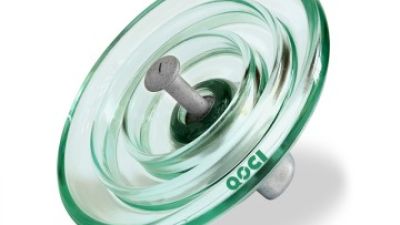
When you dive into the world of electrical insulation, you'll quickly notice that 'Isolateur En Verre' really stands out, thanks to its unique qualities. Experts like Dr. John Smith, who's a big name at Insulation Innovations LLC, often stress just how important it is to choose quality stuff. He mentions, 'The right glass Insulator can really boost safety and efficiency,' which just goes to show how crucial it is to pick the best features, especially for buyers around the globe.
The market for 'Isolateur En Verre' is booming right now. People are after durable options that do a solid job insulating and can handle tough environmental conditions. All of these factors matter a lot because they can seriously impact how well electrical systems work. That said, not every product out there lives up to the high standards needed for top performance.
Making sure you pick the right features isn’t always straightforward, though. Some manufacturers cut corners, which can lead to failures down the line. It’s super important to carefully evaluate different insulation materials and really get a feel for what sets one product apart from another. In the end, investing in high-quality 'Isolateur En Verre' isn’t just a good idea—it’s essential for long-lasting, reliable performance.

Key Properties of Glass Insulators in Electrical Applications
Glass insulators play a crucial role in electrical applications. These components ensure safety and efficiency in power transmission. Their key properties include mechanical strength, electrical insulation, and resistance to environmental factors.
According to industry reports, glass insulators exhibit impressive tensile strength, often exceeding 90 MPa. This strength allows them to withstand intense mechanical stress. Moreover, they are highly resistant to UV radiation and extreme temperatures, making them ideal for outdoor installations. The low dielectric constant of glass insulators contributes to their effectiveness in minimizing energy loss during electricity transmission.
Tips: When choosing glass insulators, consider the environmental conditions they will face. Insulators in coastal regions may require additional resistance to salt corrosion. Also, regular inspections can help identify any potential issues like cracking or wear.
Another significant aspect is the manufacturing process. High-quality glass insulators are crafted through precise methods. However, variations in production can lead to inconsistencies in performance. It’s crucial to research and understand the specifications of the insulators used in your applications. Always refer to industry standards for best practices.
Understanding the Role of Glass Insulators in Power Transmission
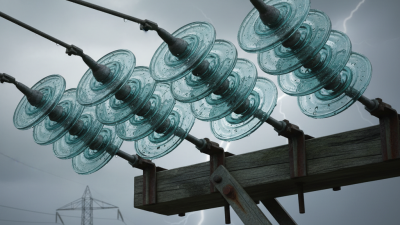
Glass insulators play a crucial role in power transmission systems worldwide. They provide electrical insulation and mechanical support to overhead power lines, ensuring safety and efficiency. According to the International Energy Agency, over 80% of global electricity is transmitted via overhead lines, emphasizing the importance of durable insulators in this infrastructure. A study from the CIGRÉ global network shows that glass insulators can withstand extreme weather conditions, reducing maintenance costs significantly.
Moreover, glass insulators have a long lifespan, typically exceeding 30 years. This longevity is vital for utilities seeking to enhance their operational reliability. The transparency of glass also allows for easy visual inspection, identifying potential issues like pollution or damage. However, some challenges persist. While glass insulators offer superior performance, theirfragility compared to porcelain insulators raises concerns during installation and transport. Maintaining proper handling protocols is essential to avoid breakage.
Field data indicate a shift towards glass insulators due to their excellent aging resistance and electrical characteristics. In regions with high humidity or pollution, glass options outperform traditional materials. Yet, the initial cost can deter some buyers. Evaluating the long-term benefits is essential for decision-makers. Balancing initial expenses with future efficiency remains a point of reflection in industry discussions.
Comparative Analysis of Glass Insulators: Strength and Durability
Glass insulators play a crucial role in electrical systems, especially for overhead power lines. They ensure mechanical stability and electrical insulation. Their strength and durability are vital for utility reliability.
Recent reports highlight that glass insulators provide superior durability compared to their ceramic counterparts. Glass can withstand harsh weather conditions, extreme temperatures, and high voltages. According to industry studies, glass insulators have a failure rate of only 0.1% over a decade. This showcases their long lifespan and resilience.
**Tip:** When selecting insulators, consider environmental factors. Areas prone to high winds or ice accumulation require robust models.
However, not all glass insulators are created equal. Variations in manufacturing processes can lead to inconsistencies in strength. Some insulators may show signs of degradation over time, especially when exposed to ultraviolet light. Inspections are essential to evaluate their condition.
**Tip:** Regularly check for cracks or chips. Early identification can prevent operational failures.
Choosing the right glass insulator involves analyzing strength ratings, dielectric strength, and weather performance. Evaluating these features ensures that buyers make informed decisions, aligned with their specific needs.
Industry Standards and Testing Methods for Glass Insulators
The industry standards for glass insulators are crucial for ensuring reliability and safety in electrical systems. These insulators must withstand harsh environments while maintaining performance. According to the International Electrotechnical Commission (IEC), glass insulators should endure voltage ratings of up to 100 kV. Testing methods typically involve applying high-voltage conditions to assess mechanical and electrical integrity.
In addition to electrical performance, the physical characteristics of glass insulators cannot be overlooked. The American Society for Testing and Materials (ASTM) highlights the importance of evaluating resistance to environmental factors like pollution and thermal cycling. Reports indicate that insulators subjected to high levels of pollution can experience a significant decrease in performance over time. It's essential to understand how these elements impact insulator longevity and effectiveness.
Manufacturers are increasingly focusing on materials that provide better durability. However, imperfect designs still exist. Some glass insulators have shown tendencies to fail under unexpected weather conditions. Continuous advancements and rigorous testing must address these vulnerabilities. By adhering to stringent standards, the industry aims for improvements in reliability and longevity.
10 Best Features of Glass Insulators
The Impact of Environmental Factors on Glass Insulator Performance
Environmental factors play a crucial role in the performance of glass insulators. Changes in temperature can affect their durability. Extreme cold may cause brittleness, while excessive heat can lead to deformation. Insulators must be robust enough to handle these fluctuations. This balance is vital for operational longevity.
Humidity is another factor to consider. High moisture levels can reduce the insulator's effectiveness, leading to electrical leakage. Insulators should be designed to resist weather-related wear. Regular inspections are essential to identify potential issues in varying climates.
Wind and precipitation also contribute to performance fluctuations. Heavy rains can wash away protective coatings, exposing the glass. This exposure may increase the risk of damage over time. Understanding these environmental challenges is key to selecting appropriate glass insulators for diverse settings.
Recent Innovations in Glass Insulator Technology and Design
Recent advancements in glass insulator technology mark a turning point in the industry. The global market for insulators is projected to grow significantly, with a report from Research and Markets estimating an increase from $4.5 billion in 2021 to $6.2 billion by 2026. This growth highlights the continuing demand for high-performance materials. Innovations focus on enhancing strength, durability, and resistance to environmental factors.
New manufacturing techniques, such as advanced glazing methods, are leading to lighter yet stronger insulators. These improvements enhance their ability to withstand extreme weather conditions. For instance, composite glass insulators are becoming popular due to their superior performance and reduced weight compared to traditional options. A study by the International Journal of Electrical Engineering reveals that these modern insulators can reduce power outages by up to 30%.
Despite these advancements, challenges persist in the industry. Cost considerations can hinder widespread adoption. Additionally, recycling older models remains a complex issue. Industry leaders emphasize the need for ongoing research and development to tackle these hurdles. Focusing on sustainability is essential. As the market evolves, so too must our approaches to design and material choice in glass insulators.
Market Trends: Demand for Eco-Friendly Glass Insulators
The demand for eco-friendly glass insulators is growing rapidly. Companies are increasingly aware of their environmental impact. As climate change becomes a pressing concern, sustainable materials are vital in energy transmission systems. Glass insulators offer excellent durability and recyclability. They stand out compared to traditional insulators that may harm the environment.
Recent trends show that industries are shifting to greener solutions. Buyers seek products that not only perform well but also contribute to sustainability. The use of environmentally friendly materials can significantly reduce carbon footprints. While glass insulators come with a higher initial cost, their long-term benefits in energy efficiency are undeniable.
The market now embraces innovative designs that enhance performance while being environmentally sound.
However, challenges remain in widespread adoption. Some sectors still rely on older technologies. Educating stakeholders on the benefits of glass insulators can help overcome resistance. There's a need for ongoing research to improve manufacturing processes. Collaboration between manufacturers, governments, and consumers is essential to drive this shift. Addressing these issues can lead to a greener future.
The Importance of 70kN High Voltage Glass Insulators in Electrical Transmission Systems
High voltage glass insulators are critical components in electrical transmission systems, particularly in the range of 10 kV to 330 kV. These insulators serve a dual purpose of supporting the power lines and ensuring the reliable flow of electricity by preventing unwanted leakage currents. The effectiveness of an insulator is often gauged by its mechanical strength, electrical properties, and durability, all of which are essential in maintaining a stable transmission network.
The 70 kN mechanical failing load capacity of high voltage glass insulators underscores their robustness in managing the physical stresses experienced in transmission environments. With a creepage distance of 320 mm, the insulators are designed to minimize the risk of electrical discharge, especially in regions prone to environmental challenges. When operational for extended periods, these insulators showcase remarkable longevity; achieving reliable performance even after three decades of use. Such durability not only ensures the safety and efficacy of power distribution but also reduces maintenance costs, making them an indispensable part of power infrastructure in various markets.
FAQS
: Glass insulators are crucial for electrical systems, especially for overhead power lines.
Glass insulators have superior durability, with a failure rate of only 0.1% over a decade.
Consider environmental factors like high winds or ice accumulation when choosing insulators.
Yes, some glass insulators may show degradation, particularly when exposed to ultraviolet light.
Regular inspections for cracks or chips are essential to prevent operational failures.
Glass insulators should endure voltage ratings of up to 100 kV according to industry standards.
Pollution and thermal cycling can significantly decrease insulator performance over time.
No, variations in manufacturing can lead to inconsistencies in strength and durability.
Manufacturers are focusing on materials that enhance durability, but imperfections persist.
Continuous testing helps address vulnerabilities and ensures reliability and longevity of insulators.
Conclusion
Glass insulators, or "isolateur en verre," play a crucial role in electrical applications, particularly in power transmission systems. Their key properties include high strength and durability, which are essential for withstanding harsh environmental conditions. Understanding these attributes helps buyers make informed decisions when selecting the right insulators for their projects. A comparative analysis reveals how different designs can affect performance, while industry standards and testing methods ensure reliability and safety.
Recent innovations in glass insulator technology have led to improved resistance to environmental factors, enhancing their overall efficiency. Market trends indicate a growing demand for eco-friendly options, prompting manufacturers to explore sustainable materials and designs. As global buyers navigate these developments, knowing the features and performance metrics of isolateur en verre is vital for meeting modern energy transmission needs while prioritizing environmental responsibility.