Leave Your Message
0%

So, when you're on the hunt for a reliable glass Insulator 120b supplier, don't get swayed by those polished catalog photos—they can be pretty tempting, but honestly, they're not the real deal. What you really need is to nail down the specs first. Like, make sure you double-check the dimensions, the type of glass, how it connects, and where you're planning to use it. Little details can throw you off. Picture this: a part might look perfect on your screen, but when it arrives, it doesn't match the existing setup you've got. Yeah, that's a headache you definitely want to avoid.

So, you're comparing ten suppliers, right? You'll want to check out their product range, manufacturing capability, quality documentation, and export support. What's actually useful to gather? Things like inspection records, material info, production controls, and references from similar projects they've done before. And when you talk to each supplier, ask how they handle surface defects, dimensions, and consistency between batches. Oh, and don't skip packaging – a chipped glass can really mess up an order and cost you money. Honestly, you can't just take a sales pitch at face value—it's asking for trouble. I mean, sure, that quick overview might sound great, but you've really got to check those claims against the actual, current documents. Otherwise, you're just trusting someone's word when the real proof is right there in the fine print.

Hey, just a heads-up: suppliers change their capabilities and even product names all the time, so that '120B' you've been eyeing might look a bit different across different catalogs. Before you go ahead and place an order, make sure you double-check the exact drawing, the technical specs that apply, lead times, minimum order quantities, and what their after-sales process looks like. And if it's feasible, ask for samples – that's always a smart move. When you get quotes back, don't just compare prices. Actually, a super low quote should raise a red flag – give it a closer look. This guide is just a starting point to get you going, not a substitute for a proper technical review by someone who knows what they're doing. Look, some supplier info is just a mess—incomplete, hard to compare, you know? And we shouldn't pretend otherwise. Honestly, the best bet is a supplier who answers your questions straight every time and backs up their talk with actual paperwork you can verify.
10 Best Glass Insulator 120B Suppliers Worldwide

What Is a 120B Glass Insulator?

What Is a 120B Glass Insulator?

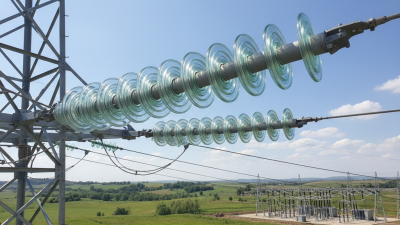
A 120B glass insulator is generally a cap-and-pin suspension unit used on overhead power lines. In common IEC-style designations, “U120B” identifies a suspension insulator with a specified mechanical rating of 120 kN; “B” refers to a coupling designation. Naming can vary by supplier, so the marking alone is not enough. Check the product drawing and applicable standard.

Its toughened-glass body forms the insulating sheds between the energized conductor and the supporting hardware. Glass can resist weathering and allows visible inspection, but chips or cracks still matter. A unit’s suitability depends on more than its name: operating voltage, pollution, altitude, string arrangement, and fitting dimensions all affect selection. It is easy to focus on the rating and overlook these details.

Tips: Confirm the exact standard, coupling dimensions, and mechanical test rating before comparing products. Inspect delivered units for damage, and ask for test documentation. Small details count. A qualified line engineer should verify the design for its installation conditions.

10 Best Glass Insulator 120B Suppliers Worldwide — What Is a 120B Glass Insulator?

In IEC-style glass suspension-insulator designations, “120” refers to a rated electromechanical failing load of 120 kN; “B” identifies the coupling configuration. The chart compares common rated load classes, not supplier performance. Check the applicable standard and product datasheet when specifying an insulator.

Key Specifications and Applications of 120B Insulators

A 120B glass insulator should be selected by its verified ratings, not by its label alone. Naming conventions can vary between suppliers, so request the dimensional drawing and applicable test data. Check the electromechanical failing load, creepage distance, arcing distance, and wet power-frequency and lightning-impulse withstand values. Confirm the cap-and-pin coupling fits the existing string hardware. Fit matters.

Toughened glass is used in suspension strings on overhead transmission lines and in some substation applications. Its transparent shell makes visible damage easier to spot during ground or close inspection. For coastal or polluted sites, compare creepage distance with the actual contamination level; a standard dimension may not provide enough margin. Also review conductor loading, wind and ice conditions, and the project’s insulation-coordination requirements. Measure twice. Installation quality matters too: poorly seated fittings can create stress at the connection. A specification sheet rarely captures every field condition, so engineers should check the proposed unit against drawings, test reports, and the line’s service history. Even a careful selection can need revision after local operating experience.

How to Evaluate Glass Insulator Suppliers

When evaluating glass insulator 120B suppliers, check measurable evidence, not polished photographs. Request type-test reports, routine-test records, dimensional drawings, and batch traceability. IEC 60383-1 sets requirements and test methods for glass and ceramic insulators used on overhead lines above 1 kV. Ask which edition the supplier applies, and confirm the test samples match the offered design. A clean sample proves little about production consistency. Check for chips around the pin area, uneven glaze, and secure protective packaging.

Capacity matters, but quality controls matter more.

The U.S. Department of Energy’s 2023 National Transmission Needs Study identifies growing transmission needs across multiple regions. That makes reliable component sourcing important, though it does not certify any individual supplier. Compare lead times, inspection procedures, failure-handling terms, and references for comparable voltage and climate conditions. Request recent production-lot data where available. I would still inspect a shipment independently; paperwork can be incomplete, and that deserves a second look.

Tips: Ask for a sample inspection plan before ordering. Confirm test methods, acceptance limits, and replacement terms in writing. Record each batch’s test results and packaging condition on arrival. A low quotation may hide weak traceability or costly delays.

Where 120B Glass Insulators Are Manufactured Worldwide

120B glass insulators are manufactured across several industrial regions, but public datasets rarely isolate this exact profile. Buyers commonly investigate suppliers in China and India, as well as production facilities in Europe and North America. Treat these as sourcing regions, not a complete factory census. That distinction matters. The International Energy Agency’s 2023 report, Electricity Grids and Secure Energy Transitions, says annual grid investment needs to more than double, reaching over $600 billion by 2030. This signals demand for grid equipment broadly; it does not measure 120B insulator production.

Country-level trade data can help identify export activity, but customs categories may combine different insulator types. Ask suppliers where the glass is formed, where fittings are assembled, and where final testing occurs. Request current drawings, batch traceability, and test reports that match the offered 120B design. Inspect the profile carefully: cap dimensions, pin fit, and glaze condition affect installation and service performance. One detail is easy to miss. A trading office is not necessarily a factory, and an attractive sample cannot confirm consistent production. Compare documents with a video or third-party factory inspection before placing a large order.

10 Leading Glass Insulator 120B Suppliers Worldwide

Leading Glass Insulator 120B suppliers worldwide are distinguished by reliable production controls, clear documentation, and consistent product quality. Buyers should request current drawings, dimensional tolerances, and the exact specification behind the 120B designation. Naming conventions can differ between projects, so confirm fitting dimensions before comparing quotations. A small mismatch can delay installation.

Experienced suppliers can explain how they inspect each production batch and protect glass units during transport. Ask for evidence. Useful records may include inspection reports, material details, and test results tied to the quoted product. Check whether packaging protects the skirts and pin area from knocks, especially on long sea routes. Details matter. A neat sample does not prove every shipment will match.

Strong suppliers also ask about operating conditions, connection hardware, order volume, and delivery location before recommending a product. Their answers should be specific, not just promises of “high quality.” Ask how defects are handled and whether replacement parts or technical support are available. Compare lead times alongside price; a low quote can hide limited stock or uncertain shipping schedules. Even careful sourcing has gaps, so document agreed tolerances and inspection steps before production begins.

10 Best Glass Insulator 120B Suppliers Worldwide - 10 Leading Glass Insulator 120B Suppliers Worldwide

This supplier-evaluation table avoids unsupported company rankings. Confirm the governing standard and product configuration directly with each supplier before ordering; “120B” should be matched to the applicable drawing or specification.

Evaluation Area What to Confirm for a 120B Glass Insulator Useful Verification Evidence Why It Matters
Product designation Confirm the meaning of “120B” in the supplier’s catalogue and ensure it matches the buyer’s drawing and required standard. Current product datasheet, controlled drawing, and written specification confirmation. Similar designations may refer to different dimensions or performance requirements.
Applicable standard Identify the exact IEC, ANSI, or other standard and edition applicable to the offered product. Standard number and edition stated in the quotation and test documentation. Standards define product requirements and test methods; the designation alone may not establish compliance.
Rated electrical performance Check the specified voltage class, power-frequency withstand, impulse withstand, and other required electrical ratings. Datasheet and relevant type-test reports for the offered design. Electrical ratings must match the application and system design.
Mechanical performance Verify the required mechanical failing load and any applicable routine or acceptance test requirements. Standard-based test reports and batch inspection records. Mechanical capacity is critical for the intended line loading and installation conditions.
Dimensions and interfaces Confirm profile dimensions, connection hardware, tolerances, and compatibility with adjoining fittings. Dimensioned drawing and interface details approved before production. Dimensional mismatch can prevent installation or affect assembly performance.
Glass and fittings Review the specified glass construction, metal-cap and pin materials, and corrosion-protection requirements. Material specifications, coating details, and inspection records. Materials and protective finishes influence durability and compatibility with the service environment.
Type and routine testing Ask which tests apply to the design and which checks are performed on each production unit or batch. Test plan, reports identifying the tested design, and routine-test records. Test scope and traceability help establish that the supplied product meets the agreed requirements.
Quality management Check the supplier’s quality controls, document revision process, nonconformance handling, and traceability system. Current quality-system certificate, audit information, and sample inspection documentation. Consistent controls reduce the risk of variation between production lots.
Production and delivery capacity Confirm available production slots, minimum order quantities, packaging, shipping terms, and realistic lead time. Written production schedule, packing specification, and shipment plan. Capacity and logistics affect project timing and delivered condition.
Quotation and after-sales support Request itemized pricing, warranty terms, document package, inspection options, and a technical contact. Formal quotation and written commercial and service terms. Clear terms make bids easier to compare and help resolve technical or delivery issues.

How to Compare Suppliers by Quality, Capacity, and Service

When comparing Glass Insulator 120B suppliers, look beyond a polished catalogue. Ask how each production batch is checked, and request sample inspection records. Confirm that key dimensions, glaze coverage, and visible defects are assessed against the agreed specification. A clean surface matters, but it is not proof of performance. Ask for relevant electrical and mechanical test data, with clear links to the product batch.


Capacity needs evidence too. Request a realistic monthly output, current production schedule, and lead-time estimate for your order size. Compare these figures with the supplier’s equipment and quality-control process. A small trial order can reveal whether finish and dimensions stay consistent across pieces. It may slow purchasing at first, but skipped checks can cost more later. One point is easy to miss: production capacity is not the same as available capacity.


Service becomes visible when details change. Send the same technical questions to each supplier and note how directly they answer. Can they explain packaging, shipment updates, and how they handle a documented quality concern? Specific replies are more useful than broad promises. Some answers may still feel incomplete. Record what remains uncertain, then request written clarification before placing a larger order.

IEC and CIGRE Industry Reports: U70BSP Anti-Pollution Glass Insulators for Contaminated Environments

Industry reports on high-voltage insulation emphasize that insulator performance must be considered under local pollution and weather conditions, not just in clean, dry air. In coastal, industrial, or dusty environments, deposits can accumulate on an insulator’s surface. Fog or light rain may moisten this layer, creating a conductive path that allows leakage current to flow. If conditions worsen, electrical arcing can develop into a pollution flashover, threatening the reliability of the line.

The U70BSP anti-pollution glass insulator is designed to reduce this risk through an increased creepage distance—the surface path that leakage current must travel between energized and grounded parts. A longer path makes it more difficult for a continuous conductive channel to form when contamination becomes wet, helping the insulator maintain its electrical performance in humid, polluted conditions. Its glass construction also allows visual inspection of the insulating body, supporting condition assessment and maintenance planning. When selecting a U70BSP for a project, utilities should evaluate pollution severity, system voltage, installation requirements, and applicable technical guidance to ensure the insulation design suits the operating environment.

FAQS

What is a 120B glass insulator?

It is usually a cap-and-pin suspension unit for overhead power lines. Its glass sheds separate the energized conductor from supporting hardware.

What does the “120” rating usually mean?

In common IEC-style designations, U120B indicates a mechanical rating of 120 kN. Confirm the exact standard, because naming can vary.

What should be checked before choosing one?

Check operating voltage, pollution, altitude, string arrangement, and fitting dimensions. The rating alone is not enough.

Where are these insulators manufactured?

Buyers often investigate factories in China, India, Europe, and North America. These are sourcing regions, not a complete factory list.

How can buyers verify a supplier’s quality?

Request batch-linked electrical and mechanical test data. Check sample records for dimensions, glaze coverage, and visible defects.

What should an inspection look for?

Examine the glass for chips or cracks. Check cap dimensions, pin fit, and glaze condition. Small details count.

How can production capacity be assessed?

Ask for monthly output, the current schedule, and a realistic lead time. Available capacity may differ from total capacity.

What helps compare supplier service?

Send each supplier the same technical questions. Ask about packaging, shipment updates, and documented quality concerns.

Why consider a trial order?

It can reveal whether finish and dimensions stay consistent across units. It may slow purchasing, but skipping checks can cost more later. Some uncertainty may remain.

Conclusion

This guide explains what a Glass Insulator 120b is and outlines the key specifications that buyers should review, including dimensions, material quality, electrical performance, and suitability for different power-line applications. It also describes how manufacturing regions around the world contribute to the supply of these insulators and why production capability, consistency, and quality controls matter when selecting a supplier.

The article presents ten leading supplier options worldwide and offers a practical framework for comparing them. Buyers can assess suppliers by examining product testing and documentation, manufacturing capacity, delivery reliability, technical support, and responsiveness to service needs. By considering these factors alongside application requirements and total value, readers can make a more informed choice and identify a supplier that can support dependable, long-term use.


Amelia

Amelia

Amelia is a highly skilled marketing professional at Jiangxi QOCI Electric Co. Ltd., a leading manufacturer of glass insulators established in December 2002 in Jiangxi Province, China. With a profound understanding of the company’s products and an unwavering commitment to excellence, she plays a......
Previous Why Choose 11kV Insulators for Global Power Projects?