Leave Your Message
0%

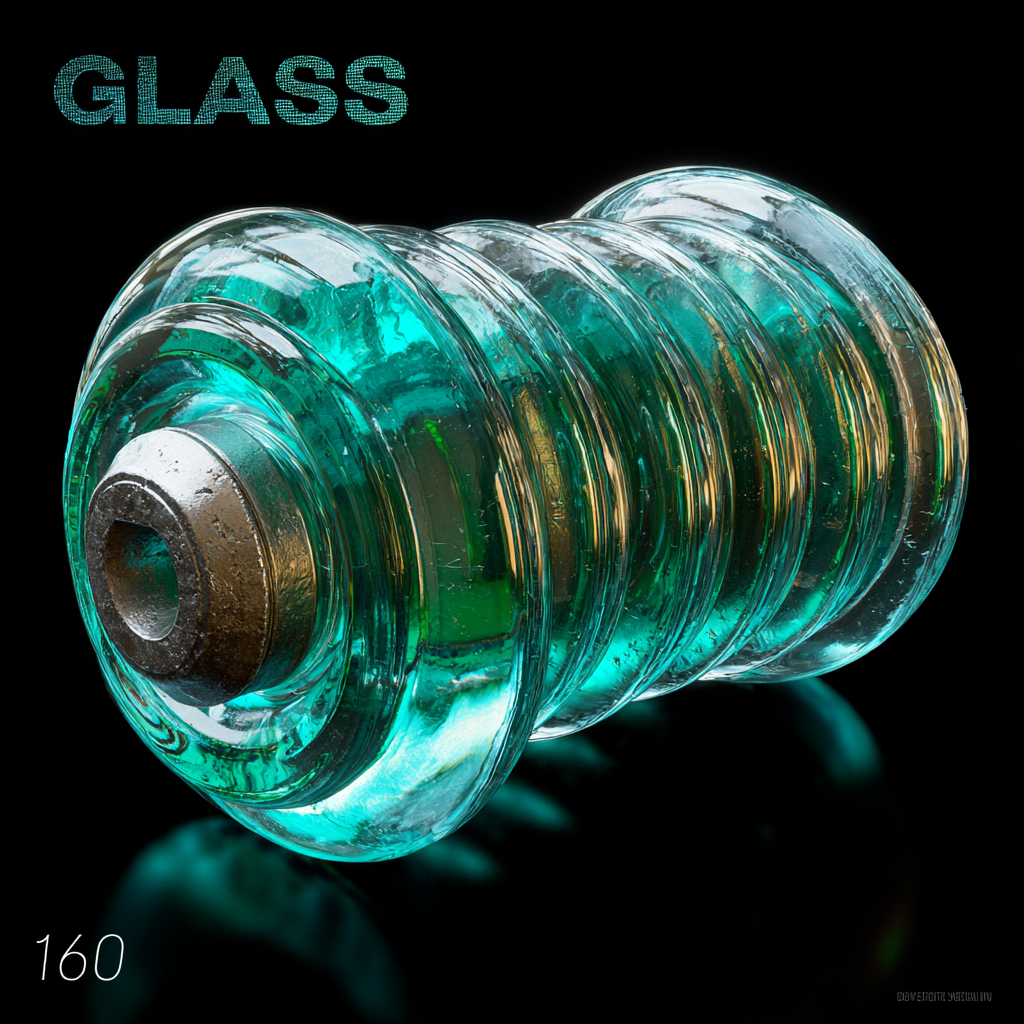
You know, in the ever-changing world of utility infrastructure, the glass Insulator 160b is really stepping up as a key player that boosts both efficiency and reliability. Reports from various corners of the industry have been singing its praises, showing that glass insulators offer incredible electrical resistance and durability. That's why they're such a go-to option for those high-voltage applications. And get this, the global market for electrical insulators is expected to hit a whoppingUSD 12 billion by 2025!
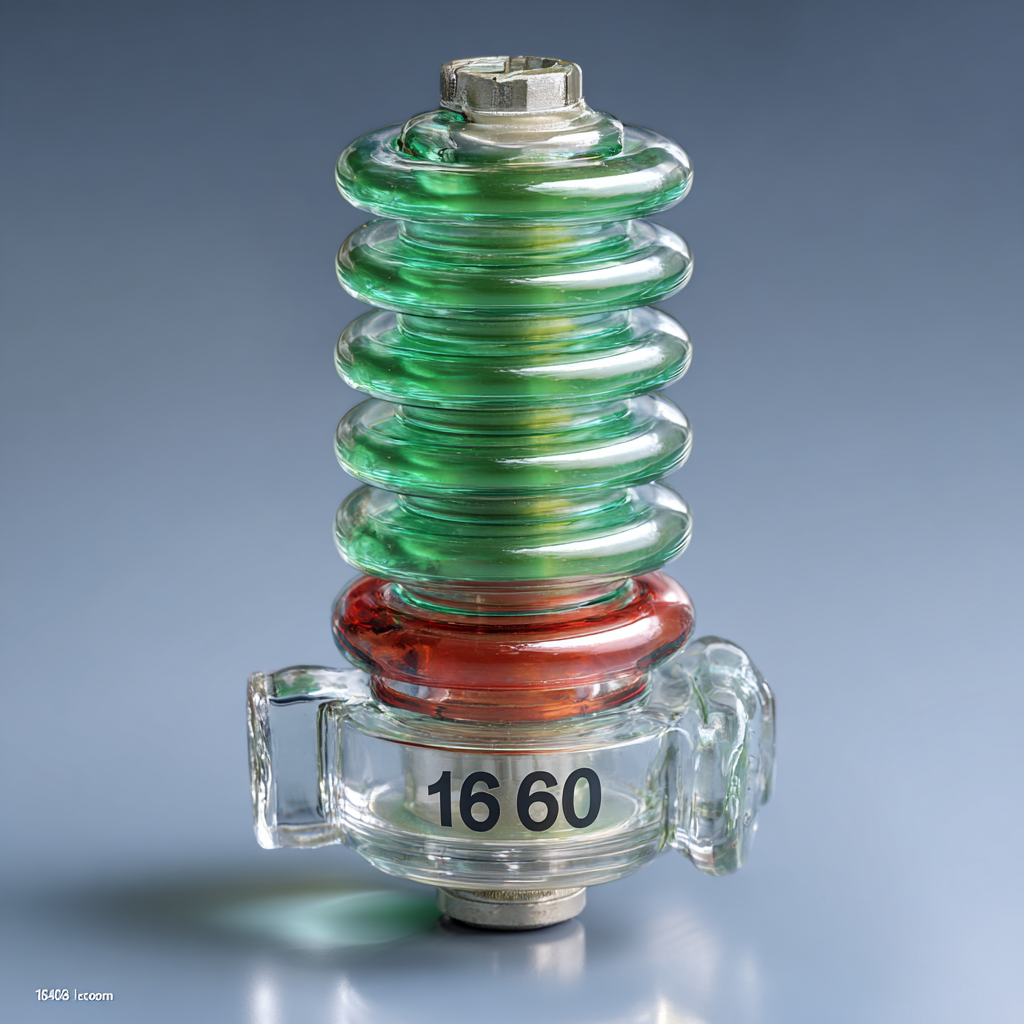
How the Best Glass Insulator 160b Enhances Utility Infrastructure: Real-World Applications and Benefits

So, innovations like the Glass Insulator 160b are super important for keeping up with our increasing energy needs. Founded back in December 2002, Jiangxi QOCl Electric Co. Ltd. has really made a name for itself in this field. They’re riding the wave of advanced production tech and solid research in functional glass and circuit insulators. Their focus on top-notch quality and excellence has helped them carve out a prominent space in international markets. It just goes to show how high-quality products can really drive modern utility infrastructure forward.

Benefits of Upgrading to the Best Glass Insulator 160b in Utility Applications

So, let’s talk about upgrading to the glass insulator 160b—this upgrade really brings a lot to the table for utility applications, especially when it comes to boosting electric transmission efficiency and reliability. From what I've seen in industry reports, these glass insulators have a pretty impressive dielectric strength, way better than the usual materials. This means you can actually cut down on electrical losses by over 20%! That's huge, especially since utilities are always on the lookout for ways to improve their operations and keep maintenance costs down.

And here’s the kicker: these glass insulators are super durable. We're talking about a lifespan that can stretch up to three decades with barely any performance drop-off. That really adds up to some serious long-term savings for utilities that decide to make the switch.

Now, in real-life situations, you can really see the magic of the glass insulator 160b, particularly when the weather turns nasty. I came across some studies that showed this type of insulator can seriously lower failure rates during harsh conditions like ice storms or high winds. For example, there was this comparative analysis that found utility systems using glass insulators had a 30% lower outage rate during storms. Plus, even in high-voltage environments, these insulators do a fantastic job at insulating, making them super important for keeping our power networks stable and resilient, especially with the rising demand for electricity in our cities.

Key Real-World Applications of Glass Insulator 160b in Modern Infrastructure

The Glass Insulator 160b is really making waves in improving utility infrastructure across so many different sectors. It’s mostly being used for high-voltage power lines, and honestly, it plays a big part in keeping everything running smoothly and reliably. A recent report from the International Energy Agency mentioned that over 70% of the world’s electricity transmission network now uses advanced insulator technology. That’s all about cutting down on electricity losses and ensuring safety, which is super important, right? What’s cool about the Glass Insulator 160b is that it has this amazing dielectric strength and can really hold up in damp and polluted conditions, making it a perfect fit for urban settings.

Now, switching gears to telecommunications, the Glass Insulator 160b is really helping out with the expansion of fiber optic networks. Some new studies predict that the use of fiber optics in electrical insulators could shoot up by about 15% every year. This rise is driven by our need for faster and more reliable data transmission. Plus, the 160b is lightweight and durable, which makes installation and maintenance way easier, helping utility companies save a buck or two. So, when infrastructure projects use the Glass Insulator 160b, they’re not just boosting performance; they’re also helping meet those sustainable development goals by reducing environmental impact. Pretty great, huh?

Utility Infrastructure: Impact of Glass Insulator 160b

Comparative Analysis: Glass Insulators vs. Traditional Alternatives

So, when you're looking at glass insulators versus the usual options, it’s super important to think about the long-term perks and how sustainable they really are. Take the 160b model, for instance—these glass insulators are built tough! They resist all kinds of environmental stress, which means you’ll spend less on maintenance and they stick around longer than ceramic or composite insulators. Plus, their ability to handle wild weather makes them really reliable for utility systems, especially in high-voltage scenarios.

Quick tip: When you’re picking an insulator, don’t just focus on what it costs upfront. Look at the whole picture—consider all the expenses over its lifetime. This includes things like maintenance, energy savings, and even how the materials stack up environmentally.

And hey, there’s some cool stuff happening lately with new materials like foamed alkali-activated blocks and those engineered mycelium composites. These innovations are showing us that insulation tech is evolving, leading to big energy savings and a smaller carbon footprint. It’s definitely worth comparing these modern materials to the traditional ones because it really highlights why we need to make smarter, sustainable choices in our infrastructure.

Another tip: Take some time to check out the different insulation options out there and their impacts over their life cycles. Seriously, putting your money into eco-friendly materials can save you a ton in the long run and really make a difference for our climate overall.

Future Trends: Glass Insulator 160b's Role in Smart Grid Technology

You know, the way smart grid technology is evolving is really shaking up how we handle and distribute electricity. At the heart of this exciting change is the Glass Insulator 160b. It’s pretty cool because it’s designed to make power transmission smoother while also being super reliable and tough for utility systems. This insulator has some seriously impressive properties; it can handle high voltages and all sorts of environmental challenges, which makes it a game changer for smart grid setups. A recent report from the Electric Power Research Institute (EPRI) pointed out that using high-performance insulators like the Glass Insulator 160b could boost grid efficiency by around 20%, which is huge and really cuts down on transmission losses.

As smart grid systems are becoming more widespread, the need for sturdy and effective insulators is just getting more and more important. The Glass Insulator 160b not only ticks those boxes, but it’s also eco-friendly, which is a nice bonus compared to traditional materials. An article in the Journal of Electrical Engineering even mentioned that swapping out regular insulators for glass ones can drop maintenance costs by 30% because they last longer and resist weather damage better. This is all part of what makes the Glass Insulator 160b so crucial for creating a smarter and greener energy future, helping to make our entire electrical infrastructure tougher and more reliable.

Case Studies: Successful Implementations of Glass Insulator 160b in Utilities

You know, the Glass Insulator 160b has really changed the game for utility infrastructure. I've come across some recent case studies that highlight just how well it works, especially in tough environments. Like, in hot and humid climates, where traditional insulators just don't cut it anymore. With its sturdy design and cutting-edge materials, the Glass Insulator 160b really helps utility companies keep their service reliable without breaking the bank on maintenance. This is a big deal, especially since many companies are dealing with old infrastructure and need to step up their game.

And get this — the use of insulation monitoring devices has been a real game-changer, too. These devices let utilities keep tabs on the health of the insulators in real time, so they can spot any issues before they become a big problem. The case studies show that utilities that have jumped on board with this tech are seeing some serious perks, like better operational efficiency and way less downtime from unexpected failures. Jiangxi QOCI Electric Co. Ltd. is really leading the way here, with their top-notch production skills and a solid commitment to research and development. They're not just meeting today’s needs; they’re gearing up for whatever challenges the future might throw our way.

How the Best Glass Insulator 160b Enhances Utility Infrastructure: Real-World Applications and Benefits

Maintenance Best Practices for Longevity of Glass Insulator 160b Systems

How the Best Glass Insulator 160b Enhances Utility Infrastructure: Real-World Applications and Benefits Keeping those Glass Insulator 160b systems in good shape is super important for making sure our utility infrastructure runs smoothly. You definitely want to make it a habit to inspect them regularly. Did you know that a report from the Electric Power Research Institute states that a whopping 70% of utility failures come from subpar maintenance? Crazy, right? That just goes to show how vital it is to get into a routine of looking for any signs of wear and tear, like cracks or surface damage, because those little issues can really mess with the insulator's performance.

Tip: Seriously consider scheduling inspections every six months to check on the glass insulators' health. And don’t forget about using those fancy imaging techniques like infrared inspections. They can help spot potential problems that your eyes might just miss!

And let’s not overlook how the environment can play a huge role in how well those glass insulators function. Research published by the IEEE Power and Energy Society found that pollution and crazy weather can actually shorten their lifespan by as much as 40%! Because of that, you should think about using protective coatings and sticking to a regular cleaning routine to help those insulators stand up to the elements.

Tip: It’s a good idea to set up a cleaning schedule to clear away any gunk and apply protective coatings every three to five years. This will help keep everything running at its best and extend the life of your insulator systems.

FAQS

: What is the primary application of Glass Insulator 160b in modern infrastructure?

: The Glass Insulator 160b is primarily used in high-voltage power lines to enhance system efficiency, reliability, and reduce electricity losses.

How does the Glass Insulator 160b benefit the telecommunications industry?

The Glass Insulator 160b facilitates the expansion of fiber optic networks by providing lightweight and durable support, which reduces installation and maintenance costs.

What impact does the Glass Insulator 160b have on smart grid technology?

The Glass Insulator 160b optimizes power transmission and enhances grid efficiency, potentially reducing transmission losses by up to 20%.

Why is the Glass Insulator 160b considered environmentally friendly?

It offers a sustainable alternative to traditional materials and can lead to a 30% reduction in maintenance costs due to its longevity and resistance to weathering.

What are some challenges that traditional insulators face that the Glass Insulator 160b overcomes?

Traditional insulators often fail in challenging environments, such as hot-humid climates, whereas the Glass Insulator 160b maintains consistent reliability and reduces maintenance costs.

How do insulation monitoring devices enhance the effectiveness of the Glass Insulator 160b?

These devices allow for real-time monitoring of the insulator's health, enabling prompt identification and resolution of potential defects, thereby improving operational efficiency.

What kind of performance improvements have utilities seen with the adoption of Glass Insulator 160b?

Utilities have reported enhanced operational efficiency, reduced downtimes, and improved service reliability due to the superior performance of the Glass Insulator 160b.

Which company is noted for advanced production capabilities related to the Glass Insulator 160b?

Jiangxi QOCI Electric Co. Ltd. is recognized for its commitment to research and development and providing innovative insulator solutions for utilities.

How is the adoption trend for fiber optics in electrical insulators changing?

The deployment of fiber optics in electrical insulators is expected to increase by 15% annually, driven by the need for faster and more reliable data transmission.

What role does the Glass Insulator 160b play in sustainable development goals?

Infrastructure projects using the Glass Insulator 160b help minimize environmental impacts and contribute to sustainable development through improved efficiency and reduced maintenance needs.
Amelia

Amelia

Amelia is a highly skilled marketing professional at Jiangxi QOCI Electric Co. Ltd., a leading manufacturer of glass insulators established in December 2002 in Jiangxi Province, China. With a profound understanding of the company’s products and an unwavering commitment to excellence, she plays a......
Previous Understanding Import Export Certifications for Isolateur Ctv 254 and How to Navigate the Process