As the world’s really leaning more and more into materials that are not only tough but also look good, Glass Toughened Glass has become a go-to choice for architects and designers alike. If you’ve seen the latest report from Grand View Research, they’re saying the global market for toughened glass is set to hit around USD 77.5 billion by 2027, growing at about 6.5% annually. Quite a jump, right? This boom’s mainly driven by how often toughened glass is popping up in homes, office buildings, and even cars.
Big names like AGC Glass and Guardian Industries are really pushing the envelope—improving how they make the stuff and trying to do it more sustainably. Folks are excited about the safety perks and better energy efficiency that toughened glass can bring. But, it’s not all smooth sailing; there are still some hurdles, like the high costs involved in manufacturing and the challenges around recycling. Investors might need to rethink their game plan a bit to tackle these issues.
One thing that’s clear is that a strong focus on innovation and top quality has led to mixed experiences across different parts of the supply chain. Some manufacturers say adoption has been pretty slow in certain markets, which means they’ll need smarter marketing strategies. For anyone looking to buy toughened glass worldwide in 2026 and beyond, understanding these trends and quirks is pretty important—they’re what’ll shape the future of this industry.

2026 Market Trends in Toughened Glass Demand Worldwide
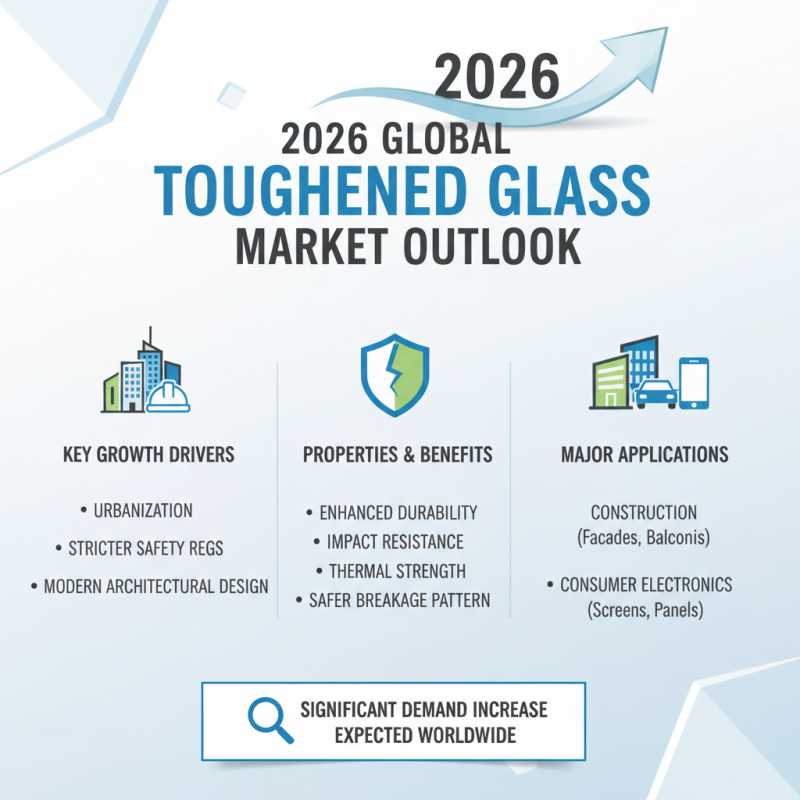
In 2026, the global demand for toughened glass is expected to rise significantly. This increase is driven by various factors, including urbanization, safety regulations, and design preferences. Toughened glass is known for its durability and ability to withstand harsh conditions. It finds applications in construction, automotive, and consumer electronics. As modern architecture evolves, the need for aesthetically pleasing yet robust glass solutions becomes critical.
Tips for buyers include understanding key market trends. Assessing the material's thermal resistance and mechanical strength is vital. Keep an eye on regional demand fluctuations, as they may affect prices. Staying informed on new manufacturing techniques can also be beneficial. Not every supplier meets industry standards, so careful supplier selection is necessary.
The shift towards sustainability is another critical trend. Many consumers prefer eco-friendly materials. Transparent production processes and certifications can enhance a brand's reputation. However, not every glass product labeled as eco-friendly truly is. Vigilance is required to distinguish the authentic from the misleading. Thorough research and consideration of verified sources can mitigate risks when purchasing toughened glass.
Key Specifications and Standards for Toughened Glass Products in 2026
In 2026, the demand for toughened glass is set to increase significantly. Buyers should be aware of key specifications when selecting their products. Toughened glass must meet stringent safety standards. This ensures it can withstand pressure and impact. The thickness of toughened glass is crucial. Standard thickness ranges from 4mm to 12mm. This variation allows for different applications, from windows to shower doors.
Another important factor is the thermal performance of the glass. Toughened glass needs to handle sudden temperature changes. This characteristic enhances safety, especially in commercial settings. Additionally, buyers should consider the visual clarity and aesthetic appeal. High-quality toughened glass should provide sharp and clear visuals without distortion.
However, challenges remain in the production process. Sourcing high-quality raw materials can be difficult. Not all manufacturers provide consistent quality. Buyers may face issues with unreliable suppliers. It's essential to research and verify the credibility of manufacturers. In doing so, buyers can make informed decisions and ensure they receive dependable products.
Comparative Analysis of Toughened Glass Types: Benefits and Drawbacks
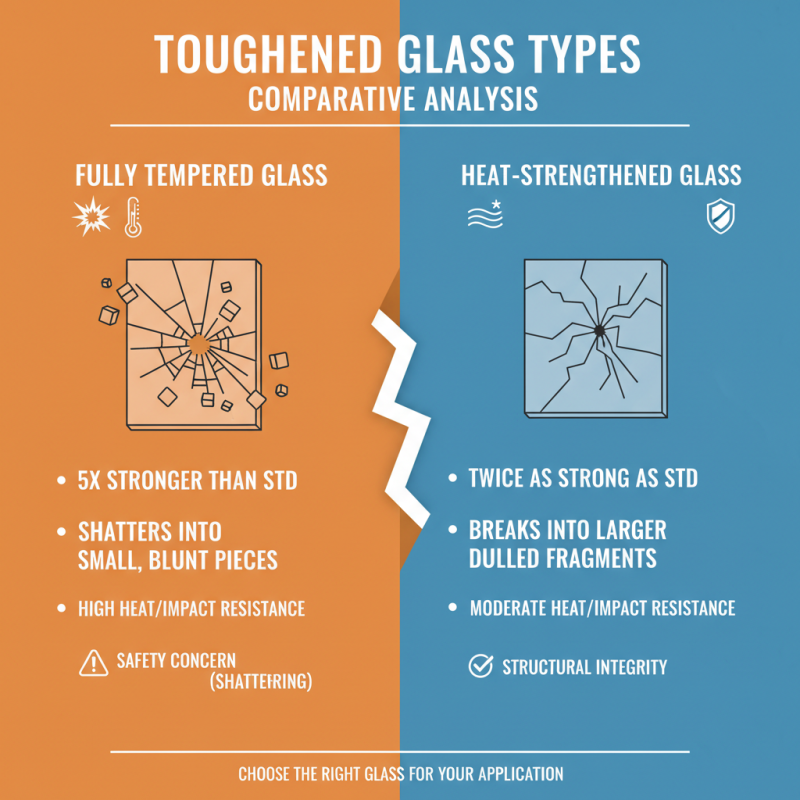
Toughened glass, known for its strength, is often used in various applications. However, understanding the different types can be challenging. Among the most common types are fully tempered and heat-strengthened glass. Fully Tempered Glass can withstand high temperatures and impact. In fact, it is up to five times stronger than standard glass. However, it shatters into small, less harmful pieces, raising safety concerns in certain situations.
On the other hand, heat-strengthened glass offers durability but with limitations. It is less likely to shatter than fully tempered glass, as it breaks into larger, more dangerous shards. According to industry reports, heat-strengthened glass has up to 50% more strength than non-treated glass. Yet, its lower performance in thermal resistance can be a drawback for specific applications, such as in facades in extreme climates.
Despite their benefits, the selection of toughened glass should consider various factors. Cost is often a significant issue, as tempering processes can vary widely in price. Additionally, the environmental impact of production methods cannot be overlooked. The energy-intensive nature of toughened glass manufacturing processes often leads to higher carbon emissions. As buyers weigh options, they must balance performance, cost, and sustainability.
Global Suppliers: Top Manufacturers of Toughened Glass in 2026
The demand for toughened glass is rising worldwide. Manufacturers are exploring new methods to enhance its strength and durability. Different types are available, catering to various industries. Architectural, automotive, and consumer goods markets benefit from these innovations. As buyers seek quality, understanding supplier capabilities is essential.
Leading manufacturers focus on advanced techniques. Heat treatment and chemical processes play a crucial role in production. Many suppliers have invested heavily in technology. However, not all meet the highest standards consistently. Some products fall short of expectations, prompting buyers to conduct thorough research. Evaluation of suppliers becomes critical in making informed decisions.
Trade shows and online platforms offer insight into leading companies. Networking enables global buyers to discover reliable suppliers. Reviews and certifications provide additional context. Relying solely on manufacturer claims can be misleading. A balanced approach will lead to better procurement choices.
2026 Toughened Glass Demand and Supply Analysis
Innovations in Toughened Glass Technology: What to Expect in 2026
Innovations in toughened glass technology are set to reshape the industry by 2026. Manufacturers are exploring new methods to enhance durability while minimizing weight. This balance is crucial for various applications, from architecture to automotive uses. One hopeful direction involves increasing resistance to thermal stress, crucial for environments with extreme temperature fluctuations.
Another exciting area is the development of self-cleaning surfaces. These advancements aim to reduce maintenance efforts for consumers. Photovoltaic integration into glass can also provide renewable energy solutions in buildings. However, challenges remain in production scalability and cost-effectiveness, requiring further research and innovation.
As the industry evolves, it will be vital to address aspects like recyclability and environmental impact. Consumers are becoming increasingly aware of sustainability. While progress is evident, the responsibility lies in finding a balance between innovation and ethical production practices. The coming years will reveal how these innovations meet consumer needs while promoting a greener future.
Sustainability and Environmental Impact of Toughened Glass Production
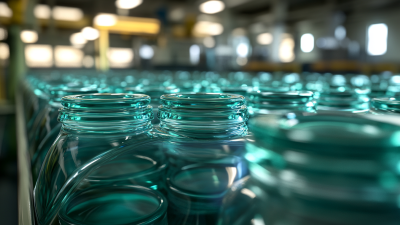
Toughened glass is gaining popularity worldwide. This material is known for its strength and durability. However, the sustainability of its production is a concern. The process typically involves high energy consumption. The intense heat is needed to treat and strengthen the glass. This energy requirement raises questions about environmental impact.
Recycling toughened glass is another challenge. Once processed, it becomes difficult to repurpose. Some argue that new technologies could improve recyclability. Others point out that current methods often lead to waste. This issue requires more attention and innovative solutions.
Additionally, sourcing raw materials also poses environmental risks. Sand extraction can lead to habitat loss and other ecological problems. While toughened glass has benefits, we must critically assess its entire lifecycle. Awareness and research into sustainable practices are crucial for future production. Reducing the ecological footprint should be our priority. Without proper attention, the industry may face significant hurdles ahead.
Consumer Preferences: Key Factors Influencing Toughened Glass Purchases
Consumer preferences for toughened glass are shaped by several key factors. Safety remains a top priority for buyers. According to a recent industry report, 70% of consumers consider safety features essential when choosing toughened glass. This preference stems from the increased awareness of accidents caused by regular glass.
Another important factor is durability. Toughened glass is known for its strength and ability to withstand extreme conditions. A study by Market Research Future found that durability influences 60% of purchasing decisions. Layers, treatments, and the thickness of the glass all affect its long-term performance. Buyers often seek materials that promise not just immediate safety but lasting reliability.
Aesthetic appeal also plays a role. Many consumers look for glass options that complement their designs. About 45% prefer toughened glass for its sleek, modern look. However, this desire can lead to a trade-off in terms of cost. Cheaper alternatives may offer less visual appeal. Consumers sometimes find themselves reflecting on the balance between budget and quality.
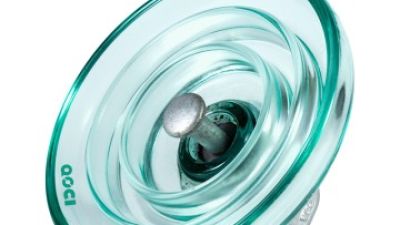
Exploring the Versatility and Advantages of U160BL Glass Insulators in Modern Electrical Applications
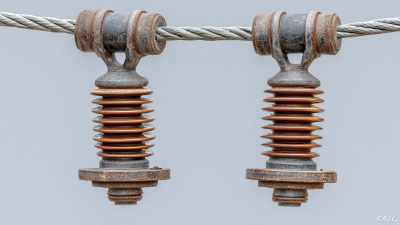
U160BL glass insulators have gained prominence in modern electrical applications due to their versatility and numerous advantages. These insulators are designed to meet the demands of high-voltage and extra-high-voltage overhead transmission lines, where they play a crucial role in supporting and securing conductors. The technical maturity of the U160BL insulators ensures they can withstand the harsh environmental conditions typically encountered in overhead transmission, making them a reliable choice for utility companies focused on maintaining the safety and efficiency of their power grids.
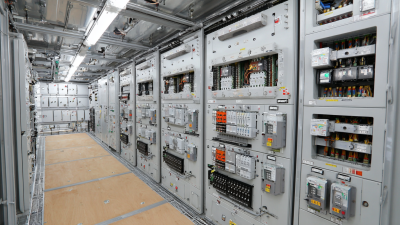
In addition to their application in overhead transmission lines, U160BL glass insulators serve a vital function within substations. They provide essential insulation support for live equipment, thereby ensuring the reliable operation of critical components. The safety and reliability of U160BL insulators stem from their robust design and the inherent properties of glass, which offers superior electrical and mechanical performance. This reliability is particularly important in substations where the integrity of electrical infrastructure is paramount. The use of U160BL insulators ultimately contributes to the enhanced reliability and safety of electrical networks, facilitating the seamless delivery of electricity to end-users.
FAQS
: Demand is rising due to urbanization, safety regulations, and design preferences in construction and automotive sectors.
Its durability allows it to withstand harsh conditions, making it ideal for various applications.
Assess thermal resistance, mechanical strength, and regional demand fluctuations to understand pricing better.
Not all suppliers meet industry standards, so meticulous selection is vital to ensure quality.
The production process requires high energy consumption, raising concerns about its environmental impact.
Recycling toughened glass is challenging due to current methods, which often lead to waste. More innovation is needed.
Sand extraction for glass production can result in habitat loss and ecological problems, needing careful management.
Yes, some products labeled eco-friendly may not be. Research is essential to distinguish true sustainability.
The entire lifecycle of the product must be assessed to reduce its ecological footprint and improve sustainability.
Staying updated on manufacturing techniques and verifying sources can help mitigate risks in purchasing decisions.
Conclusion
The article titled "2026 Best Toughened Glass for Global Buyers Needs?" explores the upcoming trends and requirements in the toughened glass market. It outlines the anticipated market demand for toughened glass globally, while emphasizing key specifications and standards that will govern product quality in 2026. Furthermore, the article offers a comparative analysis of different types of toughened glass, highlighting their respective benefits and drawbacks, which is crucial for consumers making informed purchasing decisions.
Additionally, the piece discusses the leading global suppliers of toughened glass and their innovative advancements that are expected to reshape the industry landscape. Sustainability and the environmental impact of toughened glass production are also examined, addressing key consumer preferences that ultimately influence buying behavior. As we move toward 2026, understanding these factors will be essential for buyers seeking the best products in the toughened glass sector.