In today’s fast-changing world of electrical utilities, you really can’t overstate how important reliability is. Dr. Jane Chen, who’s an expert when it comes to insulator tech, points out that “Anti Fog Disc Insulators are absolutely key to keeping things running smoothly, especially in tough weather conditions.” That really highlights the growing need for high-quality insulators that can stand against moisture and fog.
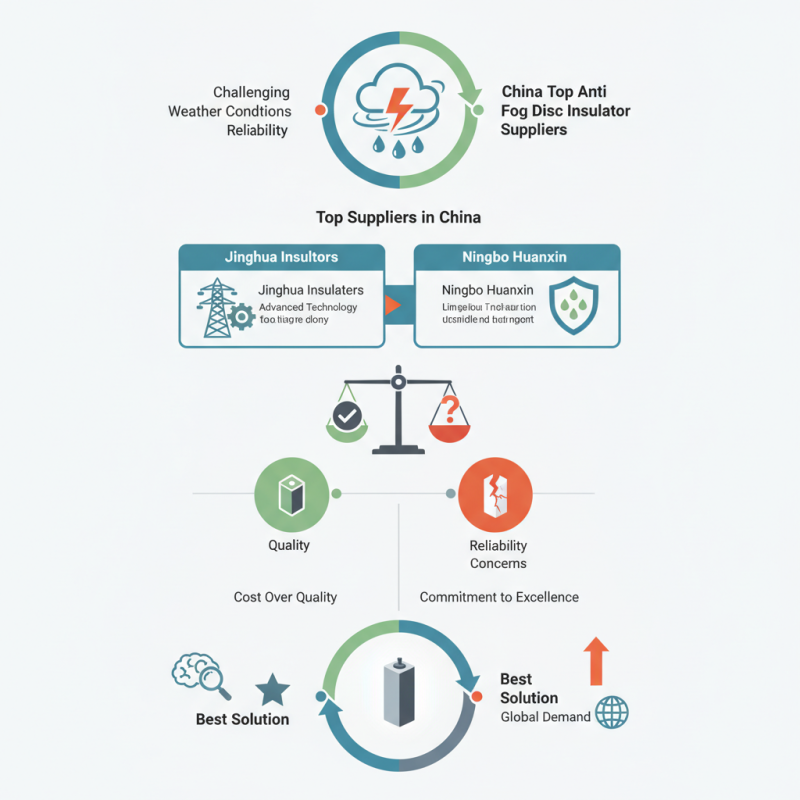
Leading suppliers in China are stepping up to meet this demand, coming up with some pretty innovative solutions. Companies like Jinghua Insulators and Ningbo Huanxin have built a solid reputation for their advanced technology and toughness. They really focus on quality, making sure their Anti Fog Disc Insulators can handle even the harshest environments.
That said, as the industry gets bigger, certain challenges pop up. Some suppliers might be tempted to cut corners to save costs, which raises questions about whether their products will last long-term. At the end of the day, picking the right Anti Fog Disc Insulator isn’t just about price—it’s about weighing performance and the supplier’s track record. The best results come from relying on expertise and a genuine commitment to quality, no matter what.
China's market for Anti-fog disc insulators is growing rapidly. These components are essential for electrical systems, keeping performance stable in varying weather. The demand reflects a growing focus on safety and efficiency.
Manufacturers in China leverage advanced materials and technology to produce high-quality insulators. The focus on durability is crucial, as environmental factors can impact performance. However, quality control remains a challenge. Some products may not meet international standards. This inconsistency raises concerns for buyers seeking reliable solutions.
Potential buyers should consider various suppliers carefully. Not every manufacturer guarantees the same quality. Researching supplier credentials is vital. Looks at certifications and customer reviews to gauge reliability. It's crucial to balance cost with performance when making decisions.
In China, the anti-fog disc insulator market has witnessed significant growth recently. According to industry reports, China's market share in this segment is projected to reach 35% by 2025. The increasing demand for reliable insulation products is driving this trend. Manufacturers are focusing on innovation to meet the evolving needs of the electrical industry.
Key players in the market are continually analyzing consumer demands. A recent survey revealed that over 60% of manufacturers prioritize material quality and durability. This focus ensures that consumers receive the best products. However, there is a noticeable gap in the supply chain when it comes to production efficiency. Some companies are still using outdated manufacturing processes, which may hinder overall growth.
The competitive landscape includes several emerging firms that are gaining traction. These companies often emphasize eco-friendly production methods. Their commitment to sustainability is reshaping the market. However, not all newcomers maintain these standards, leading to inconsistencies in product quality. This discrepancy may lead to potential risks for customers and industry players alike, necessitating a closer examination of suppliers.
| Supplier | Market Share (%) | Annual Revenue (Million USD) | Production Capacity (Units/Year) | Headquarters Location |
|---|---|---|---|---|
| Supplier A | 25% | 150 | 500,000 | Beijing |
| Supplier B | 18% | 120 | 400,000 | Shanghai |
| Supplier C | 15% | 90 | 300,000 | Guangzhou |
| Supplier D | 10% | 70 | 200,000 | Shenzhen |
| Supplier E | 32% | 200 | 700,000 | Hangzhou |
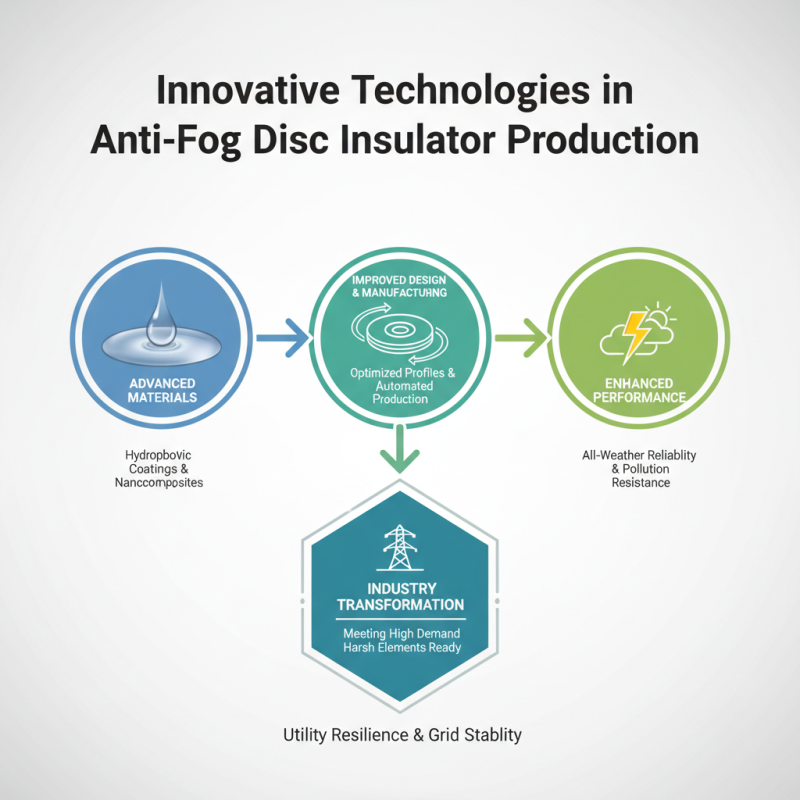
Innovative technologies in anti-fog disc insulator production are transforming the industry. These advancements improve performance and reliability in various weather conditions. With utility companies facing challenges like harsh elements, the demand for effective insulators is at an all-time high.
Modern production techniques focus on advanced materials and engineering processes. For instance, high-performance polymers are often used to enhance durability and reduce fogging. These materials have shown promising results in field tests, though challenges persist in scalability and cost. Engineers are also experimenting with surface coatings to create hydrophobic properties, further reducing fog accumulation.
While these innovations show potential, the industry must address some drawbacks. The sustainability of certain materials raises questions about environmental impact. Also, the long-term performance of these new technologies remains largely untested. Balancing innovation with reliability is crucial for suppliers and manufacturers in meeting the needs of today’s challenging environments.
Anti-fog disc insulators are essential in various sectors, particularly in electrical utilities. The materials used to manufacture these insulators can greatly influence their effectiveness and durability. Commonly utilized materials include silicone, glass, and polymer composites, each offering unique advantages and drawbacks.
Silicone is often appreciated for its high resistance to temperature fluctuations and moisture. However, its long-term performance in extreme conditions needs further examination. Glass insulators, on the other hand, provide excellent electrical properties and reliability. Yet, their fragility poses risks during installation and maintenance. Polymer composites have garnered attention for their lightweight and robust nature. Despite this, questions regarding their long-term aging in harsh environments persist.
A comparative analysis of these materials highlights the importance of context. The choice of insulators must match specific environmental conditions and operational requirements. While each option has benefits, potential weaknesses must be addressed. Users should consider both performance indicators and real-world applications when selecting materials for anti-fog disc insulators. This reflective approach can lead to better decision-making and optimal outcomes.
When evaluating the performance of anti-fog disc insulators, it’s crucial to examine standardized testing metrics. According to the latest IEC standards, insulators must withstand rigorous tests, including electrical and mechanical stress evaluations. These tests reveal how well insulators perform under different environmental conditions. Depending on the material composition, performance metrics can vary significantly.
One common test is the Power Frequency Voltage Withstand Test, which confirms an insulator’s ability to resist high voltage. Studies suggest that up to 20% of insulators fail due to inadequate performance in this area. Furthermore, pollution resistance tests measure the insulator's capacitance and resistance, helping to identify potential weaknesses. These tests ensure reliability in diverse climates, particularly in regions with high pollution levels.
Moreover, data from international reports highlight that nearly 15% of insulators require replacement within their first five years. This reality underlines the importance of choosing products based on credible performance metrics. Consistent testing and quality assessments provide users with crucial information. However, discrepancies often appear during field applications, emphasizing the need for ongoing evaluations and faster adaptation to new performance standards.
The anti-fog disc insulator market is poised for growth in the coming years. Recent studies estimate a compound annual growth rate (CAGR) of 4.5%, driven by increasing demand for insulation in harsh weather conditions. This trend highlights the need for effective solutions in electrical infrastructure. As climate change intensifies, reliability is paramount. This calls for innovation in anti-fog materials.
Research suggests that advancements in composite materials will shape the future of this market. Enhanced durability and efficiency are crucial. Reports indicate that hydrophobic coatings can reduce fog formation significantly, increasing the efficacy of insulators. However, this technology is still developing, raising questions about long-term performance in various environments.
Moreover, global supply chain challenges impact availability. Suppliers need to adapt rapidly to shifting demands. Continuous monitoring of market conditions will be vital. Engaging with experts can help navigate these complexities. As this market evolves, collaboration between manufacturers and researchers will be essential. Addressing these challenges while seeking innovative solutions remains a critical focus for stakeholders.
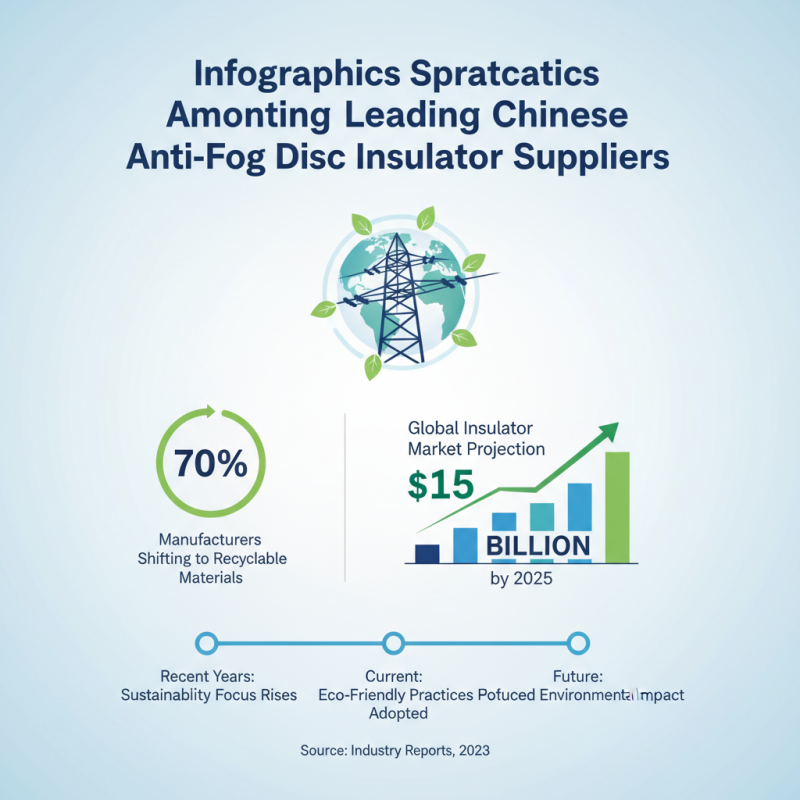
In recent years, sustainability has become a crucial focus for the top anti-fog disc insulator suppliers in China. With the global market for insulators projected to reach $15 billion by 2025, suppliers are recognizing the importance of eco-friendly practices. According to industry reports, around 70% of manufacturers are shifting towards using recyclable materials in their production processes. This trend indicates a strong commitment to reducing environmental impact.
Moreover, energy efficiency plays a vital role in the operations of these suppliers. Many companies have reduced their carbon emissions by 40% over the past decade. This is due to the implementation of advanced technologies and energy-efficient machinery. A significant portion of their investments is directed towards sustainable R&D initiatives, but challenges remain. Not all suppliers have adopted these practices uniformly, leading to varied environmental performances across the industry.
Even with these advancements, the journey to complete sustainability is ongoing. Some suppliers still rely on traditional methods that may not be eco-friendly. The industry must foster collaboration to share best practices and enhance sustainability. Addressing these gaps in eco-responsibility will be essential for future growth and compliance with global standards.
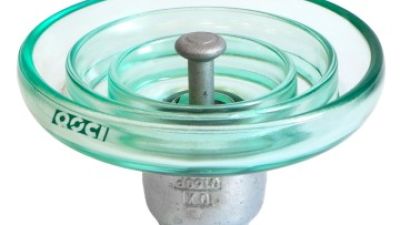
The efficient transmission of high voltage power is crucial for meeting the growing energy demands in various sectors. The 160kN U160BM disc glass suspension insulator offers significant advantages in enhancing the reliability and efficiency of power transmission networks. Constructed from toughened glass, this insulator type minimizes energy losses due to its superior electrical insulating properties, making it a crucial component in high voltage applications. Industry studies indicate that glass insulators have a lower failure rate compared to porcelain insulators, enhancing the longevity and performance of power systems.
Furthermore, the U160BM insulators are designed to withstand extreme environmental conditions, such as high winds and ice loads, while maintaining their structural integrity. This resilience is essential given that harsh weather can lead to significant downtimes and repair costs in power transmission networks. Reports from power engineering journals highlight that the use of high-quality disc insulators can reduce maintenance costs by up to 30%, thereby improving the overall economic performance of power supply systems.
In addition, advanced designs like the ball & socket type disc suspension glass insulators provide enhanced mechanical stability and ease of installation. This not only simplifies construction processes but also allows for greater flexibility in integrating modern transmission line technologies. With the shift towards renewable energy sources, ensuring efficient high voltage transmission via reliable insulators like the 160kN U160BM becomes integral to supporting the future of energy infrastructure.
: Innovative technologies are improving performance and reliability in various weather conditions.
High-performance polymers enhance durability and reduce fogging in insulators.
Scalability and cost issues persist, and long-term performance remains largely untested.
Around 70% of manufacturers are shifting to recyclable materials to reduce environmental impact.
Many companies have cut emissions by 40% over the past decade through advanced technologies.
No, some suppliers still rely on traditional methods that may not be eco-friendly.
There’s a lack of uniform adoption of eco-friendly practices and collaboration to enhance sustainability.
By sharing best practices and addressing gaps in eco-responsibility, the industry can support growth.
Effective insulators are essential for utility companies facing harsh elements and increasing demand.
Yes, manufacturers need to prioritize both to meet the demands of challenging environments.
The article provides a comprehensive overview of the anti-fog disc insulator market in China, detailing the key manufacturers, their market share, and innovative production technologies. It highlights the materials used in the production of anti-fog disc insulators, offering a comparative analysis to showcase their effectiveness and durability. The performance metrics and testing standards are also discussed to ensure that these insulators meet industry requirements.
Looking ahead, the article examines future trends and projections for the anti-fog disc insulator market, emphasizing the growing focus on sustainability practices among leading Chinese suppliers. This insight into the market dynamics not only underscores the importance of anti-fog disc insulators in various applications but also points to an evolving industry that prioritizes innovation and environmental responsibility.