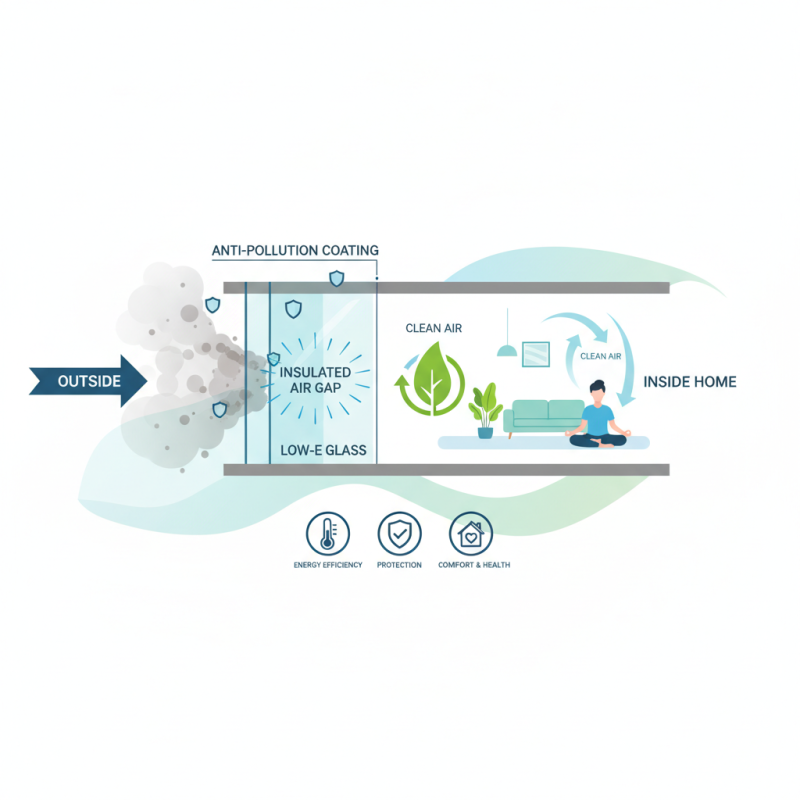
These days, pollution’s become a real headache for homeowners, and finding smart ways to keep indoor air clean is more important than ever. One option that’s gaining popularity is the **Anti-Pollution Glass Insulator**. It’s quite a clever little innovation that helps fight off those nasty air pollutants. Not only does it boost the look of your home a bit, but it also helps create a healthier space by keeping out unwanted contaminants from sneaking inside.
If you're thinking about choosing the right anti-pollution glass insulator, there are a few things to keep in mind to make sure you get the best bang for your buck. This quick guide will walk you through some of the main features, benefits, and easy tips to help you pick the right one. Getting to know how these insulators work means you can make a smarter choice—one that keeps your home comfortable, energy-efficient, and a lot healthier overall.
Understanding Pollution and Its Impact on Indoor Air Quality
Indoor air quality has become a paramount concern as urbanization and industrial activities continue to proliferate. According to the World Health Organization (WHO), around 4.3 million premature deaths worldwide are attributed to indoor air pollution, primarily from household combustion of solid fuels. Understanding how pollution infiltrates our homes is crucial for selecting effective solutions like anti-pollution glass insulators. These insulators can significantly reduce the infiltration of outdoor pollutants, thereby enhancing indoor air quality.
Research indicates that common indoor air pollutants, such as volatile organic compounds (VOCs), particulate matter (PM), and carbon dioxide (CO2), can adversely affect health and cognitive functioning. The Environmental Protection Agency (EPA) highlights that indoor air can be two to five times more polluted than outdoor air. By installing anti-pollution glass insulators, homeowners can mitigate the entry of these harmful particles and gases, creating a healthier living environment. A study published by the American Society of Heating, Refrigerating and Air-Conditioning Engineers (ASHRAE) shows that well-sealed windows and doors equipped with advanced glass technologies can lead to a significant reduction in airborne pollutants by up to 50%, illustrating the importance of making informed choices for home insulation.
The Role of Glass Insulators in Reducing Pollution Effects
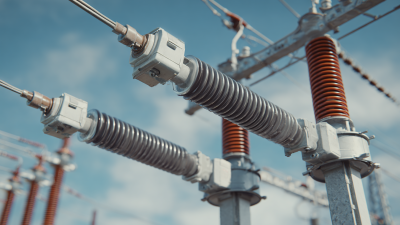
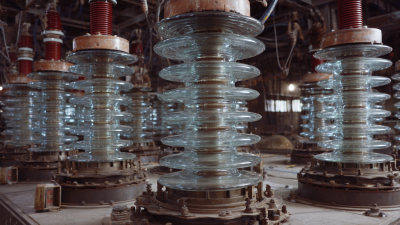
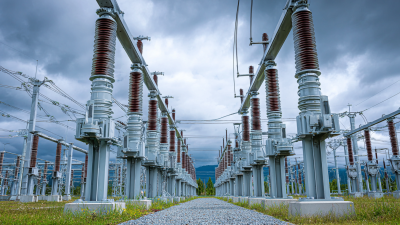
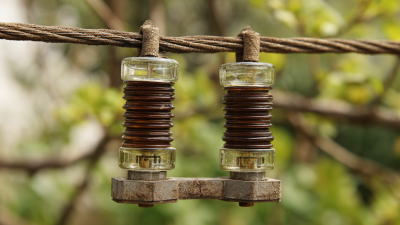
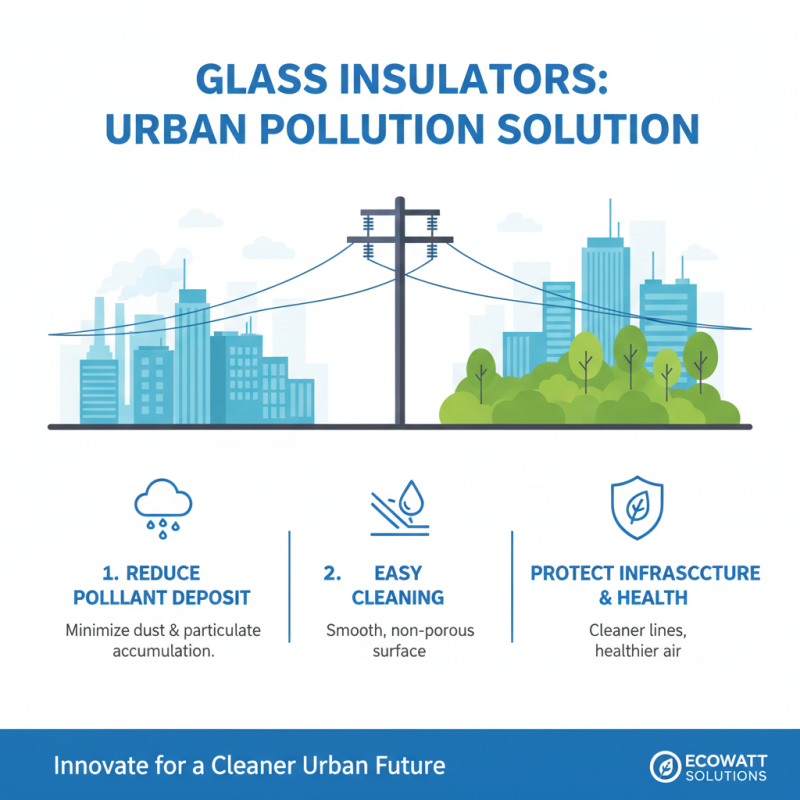
Glass insulators play a critical role in mitigating the effects of pollution in urban environments. As cities expand and industrial activities increase, the air quality often deteriorates, leading to health concerns and environmental degradation. According to a report by the World Health Organization, air pollution is responsible for approximately 7 million deaths annually, highlighting the urgency of addressing this issue. Glass insulators, when used in power and communication lines, help reduce the deposit of harmful particulate matter on surfaces by minimizing dust accumulation. Their smooth, non-porous surfaces help facilitate easier cleaning and reduce the adherence of pollutants.
Moreover, glass insulators contribute to pollution reduction through their durability and resistance to corrosive elements. Unlike traditional materials, glass is less likely to degrade over time, meaning that it requires less frequent replacement and maintenance, leading to reduced environmental impact from manufacturing and disposal processes. According to industry studies, glass insulators can last up to 40 years, significantly outpacing the lifespan of ceramic or plastic alternatives, which typically last only 10-15 years. This longevity translates into fewer resources used for production and less waste generated, which is crucial for sustainability in ecological practices. By choosing the right glass insulators, homeowners can effectively support cleaner environments while benefiting from long-lasting, efficient utility solutions.
Key Features to Look for in Anti-Pollution Glass Insulators
When selecting the best anti-pollution glass insulator for your home, it's essential to consider several key features that define their effectiveness in combating environmental pollutants. One of the most critical attributes is the insulator's transparency and light transmission properties. High-quality anti-pollution glass should allow maximum natural light to penetrate while minimizing harmful UV rays, thus contributing to better indoor air quality and energy efficiency. According to a report by the International Energy Agency, buildings equipped with advanced glazing technologies can reduce energy consumption by up to 30%, presenting both environmental benefits and cost savings.
Another significant feature to evaluate is the glass's self-cleaning capability, which utilizes advanced coatings to break down contaminants such as dirt and grime upon exposure to sunlight and rain. The use of photocatalytic coatings can enhance this self-cleaning property, significantly reducing maintenance efforts. The research conducted by the Glass Association indicates that homes utilizing self-cleaning glass can experience up to 50% less cleaning frequency, leading to additional time savings and less reliance on chemical cleaners, which can also detract from indoor air quality.
Lastly, consider the insulator's thermal performance. Anti-pollution glass insulators designed with low-emissivity (Low-E) coatings can significantly reduce heat transfer, thereby improving insulation quality and reducing HVAC system load. A study from the U.S. Department of Energy shows that Low-E glass can reduce heat loss in homes by approximately 30%-50%, which is vital for maintaining a comfortable living environment while minimizing energy use. By focusing on these key features, homeowners can make informed decisions about anti-pollution glass insulators that contribute to both health and energy efficiency.
Comparing Different Types of Anti-Pollution Glass Insulators
When it comes to selecting the right anti-pollution glass insulator for your home, it’s essential to understand the different types available on the market. One primary option is the laminated glass insulator, which consists of layers of glass bonded together with a special interlayer. This design not only enhances durability but also provides an effective barrier against air pollutants. Laminated glass offers superior sound insulation and can help reduce the impact of UV rays, making it an excellent choice for urban environments.
Another popular choice is Tempered Glass, known for its strength and safety features. Tempered glass is manufactured through a process of extreme heating and rapid cooling, making it more resistant to thermal stress and breakage. Its smooth surface effectively repels dirt and contaminants, making maintenance easier. While it may not provide the same level of sound insulation as laminated glass, its robustness makes it suitable for various applications in homes exposed to high levels of pollution.
Lastly, low-emissivity (Low-E) glass insulators are gaining traction due to their energy efficiency and pollution-reducing properties. These insulators have a special coating that reflects infrared light while allowing natural light to enter. This feature not only minimizes heat transfer but also helps maintain indoor air quality by reducing the infiltration of outdoor pollutants. Choosing the right type of anti-pollution glass insulator involves considering these options and evaluating your specific environmental needs.
Evaluating Costs and Budget Considerations for Your Home
When selecting the best anti-pollution glass insulator for your home, evaluating costs and budget considerations is essential. According to a report by the International Energy Agency (IEA), investing in energy-efficient insulation can reduce heating and cooling costs by up to 30%. While the initial investment may seem substantial, homeowners can expect these savings to accumulate over time, making this a cost-effective solution in the long run. The average cost of premium anti-pollution glass insulation can range between $20 to $50 per square foot, depending on the specifications and performance characteristics.
In addition to the upfront costs, homeowners should consider the long-term benefits associated with improved air quality and energy efficiency. A study published in the Journal of Environmental Management highlighted that households using high-performance anti-pollution insulation experienced a significant reduction in airborne contaminants, which can lead to improved health outcomes and potentially lower medical expenses over time. When budgeting for this upgrade, it’s crucial to factor in potential rebates or tax incentives available for environmentally friendly home improvements, which can further enhance the return on investment. By meticulously evaluating these costs and benefits, homeowners can make an informed decision that aligns with both their financial goals and desire for a healthier living environment.
Installation and Maintenance Tips for Anti-Pollution Glass Insulators
Choosing the right anti-pollution glass insulator for your home is only half the battle; proper installation and maintenance are crucial for ensuring their effectiveness. According to a study from the International Energy Agency, buildings equipped with advanced air filtration systems can reduce indoor pollutants by up to 80%. A well-installed insulator will act as a barrier, minimizing the infiltration of harmful pollutants while enhancing energy efficiency.
When installing anti-pollution glass insulators, it is essential to ensure a snug fit within the window frames. Use high-quality sealants to prevent air leaks, which can compromise the insulator's performance. Additionally, consider the use of a professional installation service if you're unsure, as improper installation can lead to decreased insulation properties and increased energy costs. Regularly check for any gaps or wear around the insulator, as even small openings can allow pollutants to enter your home.
Routine maintenance is key to extending the lifespan and functionality of your anti-pollution glass insulators. Clean them periodically with non-abrasive cleaners to avoid scratching and ensure optimal transparency and efficacy. According to the Building Research Establishment, regularly maintaining insulation can increase its lifespan by up to 30%. To maintain peak performance, schedule an annual inspection to identify any potential issues before they escalate. By implementing these tips, you can create a healthier indoor environment while maximizing the benefits of your investment.
User Reviews and Recommendations for Popular Brands
When selecting the best anti-pollution glass insulator for your home, user reviews and recommendations can be incredibly valuable resources. Many consumers emphasize the importance of quality and performance, often sharing their experiences on popular home improvement platforms. Positive feedback frequently highlights features such as UV protection, easy installation, and durability, which are essential for ensuring both safety and energy efficiency. Additionally, users often discuss the ease of cleaning and maintenance, which can significantly impact long-term satisfaction with the product.
Another common theme in user recommendations is the importance of aesthetics. Many homeowners seek insulators that not only serve a functional purpose but also enhance the visual appeal of their spaces. Online reviews often showcase before-and-after photos, helping potential buyers envision how different styles and finishes integrate into their home decor. Through these shared experiences, prospective buyers can gain insights into which anti-pollution glass insulators offer not just protection from contaminants but also complement their design preferences.
Overall, peer feedback serves as a powerful tool in the decision-making process, guiding consumers toward informed choices for their home environments.
FAQS
: The main types of anti-pollution glass insulators are laminated glass, tempered glass, and low-emissivity (Low-E) glass. Laminated glass is durable and provides sound insulation, tempered glass is strong and easy to maintain, and Low-E glass is energy efficient with pollution-reducing properties.
Laminated glass consists of layers of glass bonded together, which enhances durability and provides an effective barrier against air pollutants. It also offers superior sound insulation and protection against UV rays.
Tempered glass is manufactured through heating and rapid cooling, making it strong and resistant to breakage. Its smooth surface repels dirt and contaminants, making maintenance easier, which is beneficial for homes exposed to high pollution levels.
The average cost of premium anti-pollution glass insulation typically ranges from $20 to $50 per square foot, depending on specifications and performance characteristics.
Yes, while the initial investment may be substantial, energy-efficient insulation can reduce heating and cooling costs by up to 30%, which accumulates savings over time. Improved air quality can also lead to better health outcomes and potentially lower medical expenses.
Homeowners should evaluate initial costs, long-term savings on energy, potential rebates or tax incentives for environmentally friendly upgrades, and the associated health benefits of improved air quality.
User reviews highlight experiences related to quality, performance, UV protection, ease of installation and maintenance, and aesthetics, helping prospective buyers make informed decisions based on real-life feedback.
Homeowners often seek insulators that enhance the visual appeal of their spaces. Reviews frequently include before-and-after photos, enabling potential buyers to visualize how different styles fit into their home decor.
High-performance anti-pollution insulators can significantly reduce airborne contaminants, thereby improving indoor air quality and contributing to better health outcomes for occupants.
Conclusion
When selecting the best Anti-Pollution Glass Insulator for your home, it's essential to understand the impact of pollution on indoor air quality. These insulators play a crucial role in reducing harmful pollutants, providing a healthier living environment. Key features to consider include the insulator's material, thickness, and the technology used to enhance its anti-pollution properties.
Additionally, comparing different types of Anti-Pollution Glass Insulators can help you identify the most effective options available. Don't forget to evaluate the costs and budget considerations, as well as installation and maintenance tips to ensure optimal performance. Lastly, user reviews can offer insights and recommendations to aid in your decision-making process, ensuring you choose a product that meets your needs effectively.