Leave Your Message
0%

Picking the right Disc glass Insulator really matters if you want your electrical systems to stay reliable and safe. I mean, just ask industry pro John Smith from Amperex Insulators — he once said, 'The right insulator can make all the difference in how your electric lines perform.' That pretty much underlines why it’s so important to choose one that fits your specific needs.

Now, these insulators come in all sorts of shapes, sizes, and ratings. Each type has its own perks depending on where you’re using them and what voltage they need to handle. For instance, if you’re dealing with high-voltage lines, you’ll want insulators that can handle tough weather—think heavy rain, strong winds, you name it. It’s super important to keep these factors in mind when making your pick.

Honestly, the process of choosing might seem simple at first, but a lot of folks miss some key details. Sometimes, people get caught up in how it looks, rather than how well it works, which can cause headaches down the line. So, to avoid that, it’s a good idea to really weigh both how the insulator performs and whether it’s suitable for your environment. Trust me, a little extra thought now saves you a lot of trouble later.
How to Choose the Best Disc Glass Insulator for Your Needs?

Understanding the Purpose of Disc Glass Insulators

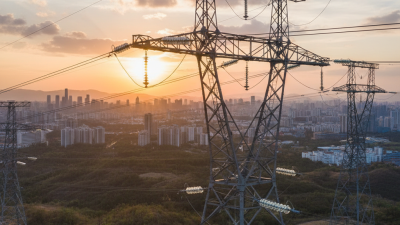
Disc glass insulators serve a crucial role in electrical transmission lines. They allow for the safe transmission of electrical energy while minimizing the risk of short circuits. The design lets them withstand environmental stresses. According to the National Electrical Manufacturers Association, insulators like these are designed to handle voltages that can exceed 765 kV. This resilience against voltage is vital for high-performance operations.

Understanding the purpose of disc glass insulators is essential for selecting the right type. They provide mechanical support while offering excellent electrical insulation. Their unique construction also allows for the dissipation of heat, which can be a problem in high-load scenarios. A report from the International Energy Agency reveals that improper insulation can lead to energy losses of up to 10% in some cases. This emphasizes the importance of choosing the right insulator type.

Installation conditions can also affect performance. For instance, areas with extreme weather require insulators that can endure high winds and ice accumulation. Some users may overlook these factors, leading to premature failures. Regular maintenance is needed to ensure long-term effectiveness. Users should periodically check for wear and tear, which can compromise functionality. Understanding these nuances can lead to more informed decisions when selecting disc glass insulators.

Types of Disc Glass Insulators and Their Applications

How to Choose the Best Disc Glass Insulator for Your Needs?

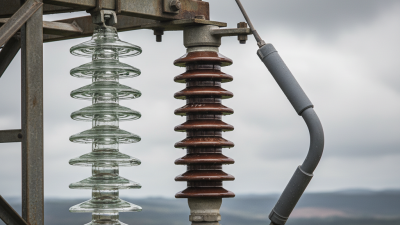
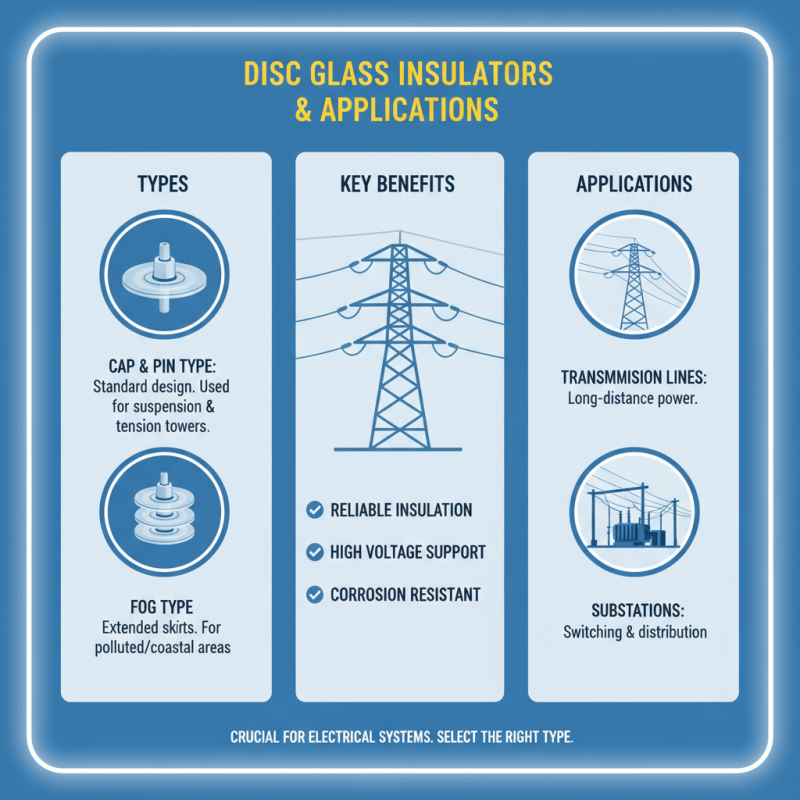
Disc glass insulators are crucial for electrical systems. They provide reliable insulation and support for high-voltage lines. Understanding the different types of disc glass insulators helps in selecting the right one.

There are mainly two types: suspension insulators and strain insulators. Suspension insulators hang from towers and are used in long spans. Their design can withstand heavy loads and harsh weather. Strain insulators are used to maintain tension in the line. They are essential in straight sections and areas with heavy wind.

Choosing the right insulator depends on specific needs. Factors such as environmental conditions and electrical load are key. A mismatched insulator might lead to failures. Sometimes, the aesthetic aspect also matters for installations near populated areas. Evaluating all these aspects can prevent costly mistakes.

Factors to Consider When Choosing Disc Glass Insulators

When selecting disc glass insulators, several key factors come into play. These insulators are crucial for electrical transmission lines, and their effectiveness directly impacts reliability and safety. A report from the International Electrotechnical Commission indicates that proper insulator selection can reduce power line failures by up to 30%. This statistic highlights the importance of choosing the right insulator.

Material quality is essential. High-quality glass insulators typically have a high dielectric strength, which means they can withstand significant electrical stress. The color, clarity, and absence of bubbles can indicate the level of craftsmanship. However, not all insulators perform equally over time. Environmental factors, like pollution and UV exposure, can degrade insulator performance. Regular inspections are necessary to ensure long-term efficacy.

Another critical aspect is voltage rating. Insulators should be chosen based on the specific voltage levels of your applications. Underestimating this can lead to insulator failures, risking equipment and safety. The Manufacturing Association for Insulation Products reports that mismatched insulators are responsible for up to 25% of all insulator-related incidents. Always consider the operating environment as well. Wet or polluted conditions require insulators with higher leakage resistance.

Disc Glass Insulators: Factors to Consider When Choosing

Evaluating Electrical and Mechanical Strength of Insulators

When selecting a disc glass insulator, understanding its electrical and mechanical strength is crucial. The electrical strength refers to the insulator's ability to withstand voltage without conducting electricity. Reports indicate that high-quality insulators can tolerate up to 100 kV depending on their design and manufacturing process. Meanwhile, the mechanical strength showcases the insulator's ability to endure physical stresses, including wind and ice loads. Industry data suggest that a well-designed disc insulator can withstand forces exceeding 5,000 newtons, making it suitable for diverse environmental conditions.

It’s essential to consider the specifics of your application. For instance, insulators used in coastal areas must resist not only electrical surges but also environmental factors like salinity and humidity. On the other hand, inland installations may face different challenges, such as extreme temperatures. This variability means that even standard insulators may perform poorly if they are not appropriately matched with environmental conditions. Moreover, manufacturers often provide testing results that validate their products; however, independent verification remains a valuable step. An informed choice is grounded in quality data and understanding of your unique needs.

Compatibility with Existing Electrical Systems

When selecting a disc glass insulator, compatibility with your existing electrical systems is crucial. The insulator must meet your system's voltage and mechanical strength requirements. Evaluate the type of lines in your network. Are they overhead or underground? This impacts the insulator's effectiveness and longevity.

A suitable insulator will prevent electrical faults and ensure safety. Consider the material's ability to resist environmental factors. High humidity or dust can affect performance. Pay attention to the insulator's design and its ability to provide a secure fit in your setup. Check for specifics related to your local climate.

Tips for choosing the right insulator include consulting with a knowledgeable electrician. They can offer insights into your system's unique needs. Look at previous installations in your area. This helps gauge the reliability of specific insulators. Lastly, read reviews and seek expert advice. Real-world experiences can highlight potential issues or advantages you might not have considered. Always remember, the right choice can significantly affect your system's efficiency and safety.

Assessing Environmental Resistance and Durability

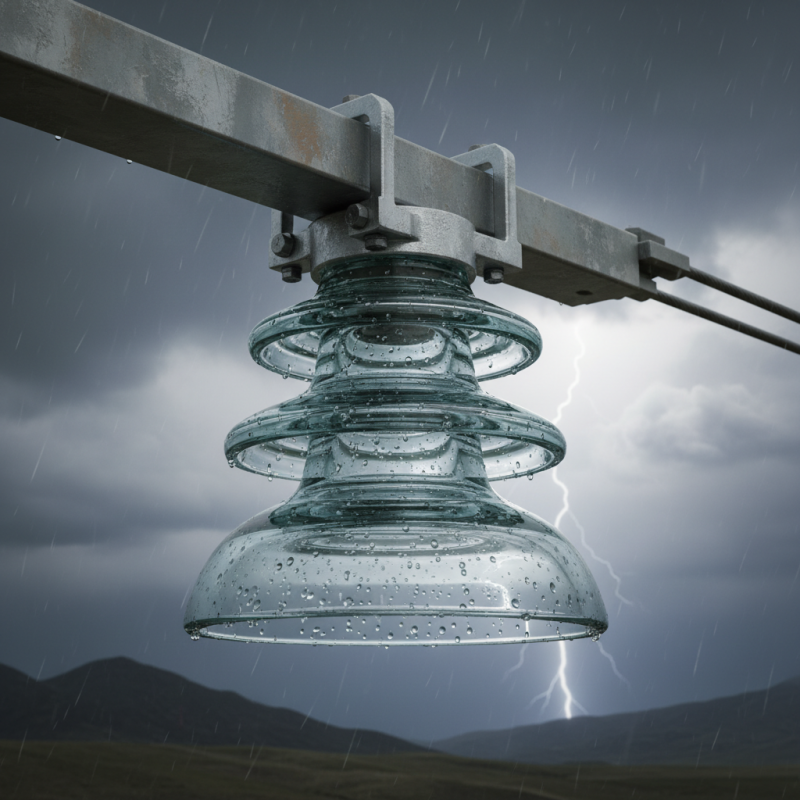
When choosing a disc glass insulator, environmental resistance is crucial. Different weather conditions can affect the insulator's performance and longevity. Insulators exposed to harsh sunlight may degrade faster. Rain and humidity can lead to water retention, which compromises their insulating properties. Evaluating the insulator's resistance to these elements is vital. You want an insulator that withstands temperature extremes and moisture without cracking.

Durability is another key factor. Look for materials that offer high tensile strength. This ensures they can handle mechanical stress. Regular inspections can reveal signs of wear, such as chips or discoloration. These changes can indicate a need for replacement. Understanding these nuances can help in selecting the right insulator for your specific environment.

Choosing the best disc glass insulator involves weighing various factors. It’s essential to consider not just initial costs but long-term durability. Each environment presents unique challenges. Reflecting on these factors can lead to better decision-making. Ultimately, selecting an insulator tailored to your needs ensures reliable performance over time.

Budget Considerations and Cost-Effectiveness of Insulators

Choosing the right disc glass insulator involves careful budgeting. The initial cost is critical. However, other factors contribute to overall cost-effectiveness. Installation expenses, maintenance needs, and longevity play significant roles in your financial decision.

Consider the price of different insulators, but don't forget added costs. Some lower-priced options might need frequent replacements. This can lead to higher long-term expenses. Higher-quality insulators may seem costly initially but can save money in the long run. Evaluating your specific needs ensures you invest wisely.

Budget is important, but functionality matters too. Look for insulators that meet your electrical requirements. Analyze your environment, as certain conditions can affect performance lifespan. Sometimes, opting for a cheap choice may lead to failure. Reflect on your priorities and how they align with your investment goals. Balancing cost with quality is key to making an informed decision.

FAQS

: What are disc glass insulators used for?

: They are crucial for electrical transmission lines, affecting reliability and safety directly.

Why is material quality important for insulators?

High-quality glass insulators can withstand significant electrical stress and show better performance over time.

How can environmental factors influence insulator performance?

Pollution and UV exposure can degrade insulator quality, making regular inspections necessary.

What should I consider regarding voltage rating?

Insulators must match the specific voltage levels to prevent failures and ensure safety.

How do budget considerations affect insulator selection?

Initial costs matter, but maintenance, longevity, and installation expenses also influence overall cost-effectiveness.

Are cheaper options always the best choice?

Lower-priced insulators may require frequent replacements, leading to higher long-term costs.

How can I analyze my specific needs for insulators?

Reflect on your operational environment and electrical requirements to make a wise investment.

What is a common mistake when selecting insulators?

Underestimating the insulator's voltage rating can lead to serious equipment failures.

How can I balance cost and quality when choosing insulators?

Identify your priorities and ensure they align with your investment goals for effective decision-making.

Should cost always dictate insulator choice?

While budget is important, functionality and performance must also be prioritized for reliable use.

Conclusion

When selecting the best disc glass insulator for your needs, it's essential to first understand their purpose and the various types available, each suited for different applications. Factors to consider include the electrical and mechanical strength of the insulators, ensuring they are compatible with your existing electrical systems, and assessing their environmental resistance and durability to withstand various conditions.

Additionally, budget considerations play a critical role in making a cost-effective choice. By evaluating these key aspects, including the specific requirements of your setup and the overall performance expectations, you can confidently choose the right disc glass insulator that meets your needs while ensuring reliability and efficiency in your electrical systems.
Charlotte

Charlotte

Charlotte is a dedicated marketing professional at Jiangxi QOCI Electric Co. Ltd., a leading company founded in December 2002 and located in Jiangxi Province, China. With a profound expertise in glass insulators, Charlotte plays a pivotal role in showcasing the company’s innovative products and......
Previous Top Glass Isolator U160bma Features for Global Buyers?