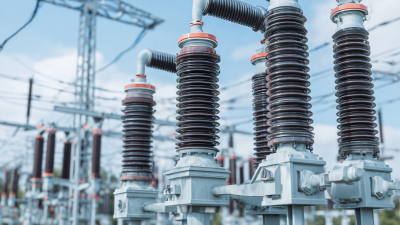
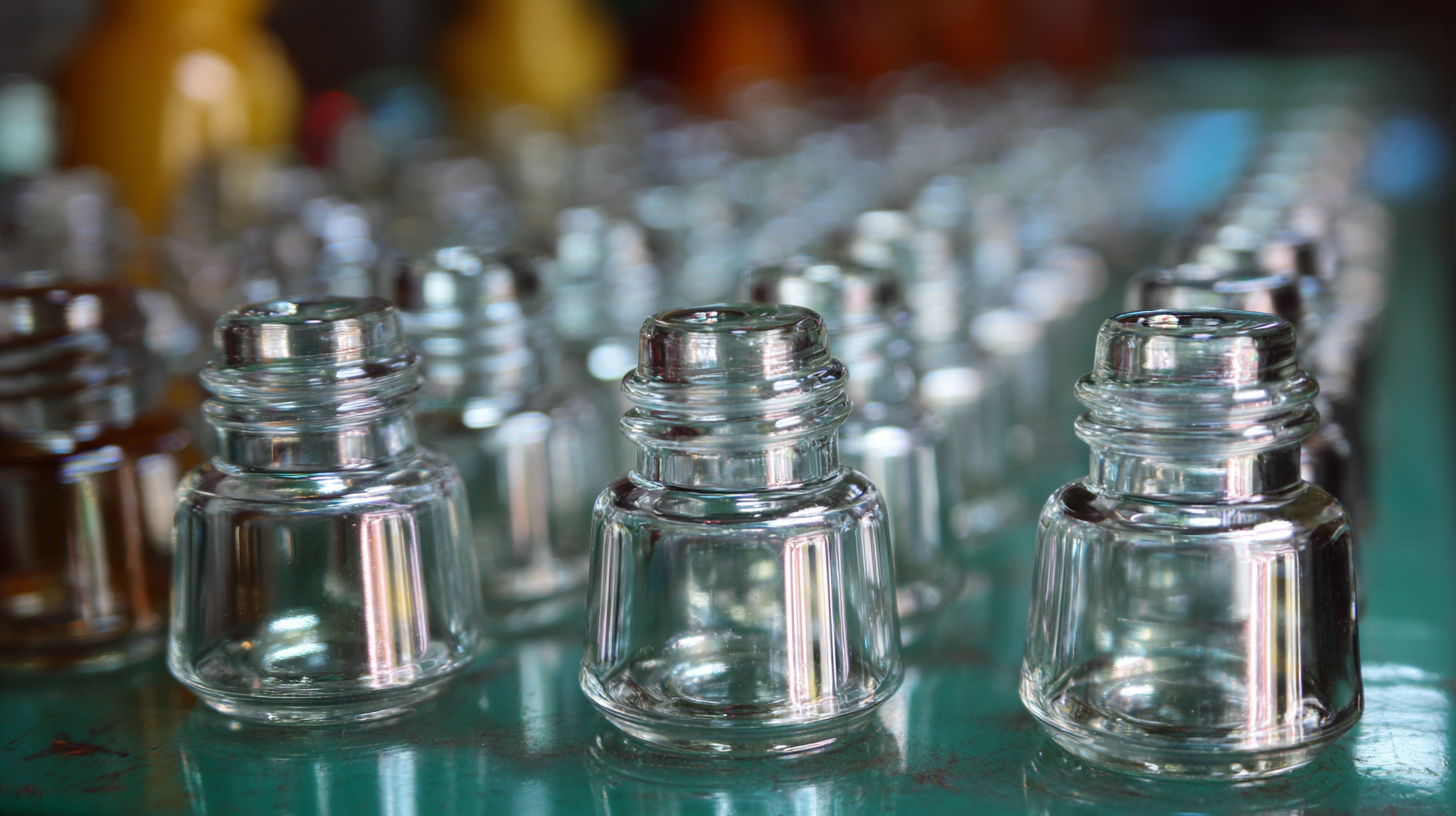
 Picking the right glass Insulator for your project really matters if you want it to last and stay reliable over time. Among all the options out there, the Glass Insulator 160b has been catching people's attention because it performs so well and offers some pretty sweet advantages in electrical setups. Industry reports mention that the global insulator market is expected to grow at around 4.5% annually from 2021 to 2026—that’s a clear sign that more folks need high-quality insulators for all sorts of different applications. On that note, Jiangxi QOCI Electric Co. LTD., which has been around since 2002 in Jiangxi Province, China, is really doing some impressive work with advanced manufacturing tech and research. They specialize in glass insulators, especially the Glass Insulator 160b. This particular insulator isn’t just great at insulating; it’s also built to handle tough environmental conditions, so it’s often a smart pick for a bunch of engineering projects. As you’re figuring out what’s best for your needs, getting a grasp on the benefits of the Glass Insulator 160b can really help you make smarter choices—things that keep your setup safe and running smoothly.
Factors to Consider When Selecting Glass Insulator 160b for Your Project
So, if you're thinking about choosing a Glass Insulator 160b for your project, there's a few key things you really want to keep in mind. First off, check out its dielectric strength—that's basically how well it can handle electrical stress. According to the IEEE (you know, the folks who set electrical standards), a good glass insulator should have at least 60 kV per centimeter. Why does this matter? Well, it helps stop electrical breakdowns and keeps your setup safer and more reliable overall.
But wait, there's more! You also gotta think about where it's gonna be working. The environment makes a big difference. For example, insulators that sit near the coast or in industrial zones face more humidity and pollution, which can wear them out faster. So, look for ones with good weather resistance and maybe extra features like moisture-repelling coatings. Picking the right material and design can really extend how long they last—even in tough conditions. All in all, considering these factors will help you pick something that not only works well but sticks around longer and fits your sustainability goals too.
How to Choose the Best Glass Insulator 160b for Your Project
This bar chart compares various factors to consider when selecting a Glass Insulator 160b for your project, including insulation performance, durability, cost, and availability.
Understanding the Different Types of Glass Insulators and Their Uses
So, if you're picking out glass insulators for your project, it's really helpful to understand the different types out there and what each is good for. Glass insulators have been pretty much the go-to for electrical lines for ages, mainly because they’re super durable and do a great job insulating. I saw a report from the International Energy Agency (IEA) that mentioned how the demand for these insulators has jumped over 15% in just the last five years — mainly because everyone’s really into building strong, reliable electrical infrastructure right now.
Now, there are several kinds of glass insulators — like suspension insulators, pin insulators, and strain insulators — and each one has its own purpose. Suspension insulators are usually what you see supporting overhead power lines, keeping the conductors insulated and supported, while pin insulators are more common on utility poles for lower voltage stuff. Interestingly, a study from the Electric Power Research Institute (EPRI) pointed out that glass insulators tend to perform way better than porcelain ones, especially in tough environmental conditions. They’ve got a failure rate of less than 0.5% over a 30-year lifespan — not too shabby!
When you're choosing the right insulator, think about things like how much electrical strength you need, the mechanical load, and the environment it’ll be living in. Oh, and if you're into that kind of thing, the way glass insulators look can actually add a nice touch to the overall design of a project. Thanks to ongoing improvements in manufacturing and design, glass insulators stay a top pick when it comes to safety and reliability in today’s electrical setups.
Top 5 Reasons Why Glass Insulator 160b is Ideal for Electrical Applications
When you’re talking about electrical stuff, the Glass Insulator 160b really stands out for a bunch of good reasons. First off, it has this really impressive dielectric strength, which basically means it does an awesome job at insulating — especially when dealing with high voltages. That’s super important because it helps prevent those nasty electrical breakdowns that can cause circuits to fail or, worse, pose safety risks. Plus, when you think about durability, glass insulators are tough—they can handle all kinds of weather, whether it's rain, sun, or wind. So, they’re pretty versatile for both indoor and outdoor setups.
Another thing I like about the Glass Insulator 160b is that it doesn’t get old or damaged by UV rays easily. Unlike plastic insulators, which can degrade over time, glass keeps its shape and strength longer, meaning you don’t have to replace them constantly. That’s a real money-saver in the long run. And hey, it’s also eco-friendly since glass is recyclable and doesn’t leach any harmful chemicals. All these things together make the Glass Insulator 160b a top choice for your electrical projects—because it’s reliable, efficient, and good for the planet too.
Essential Tips for Evaluating Quality and Durability of Glass Insulators
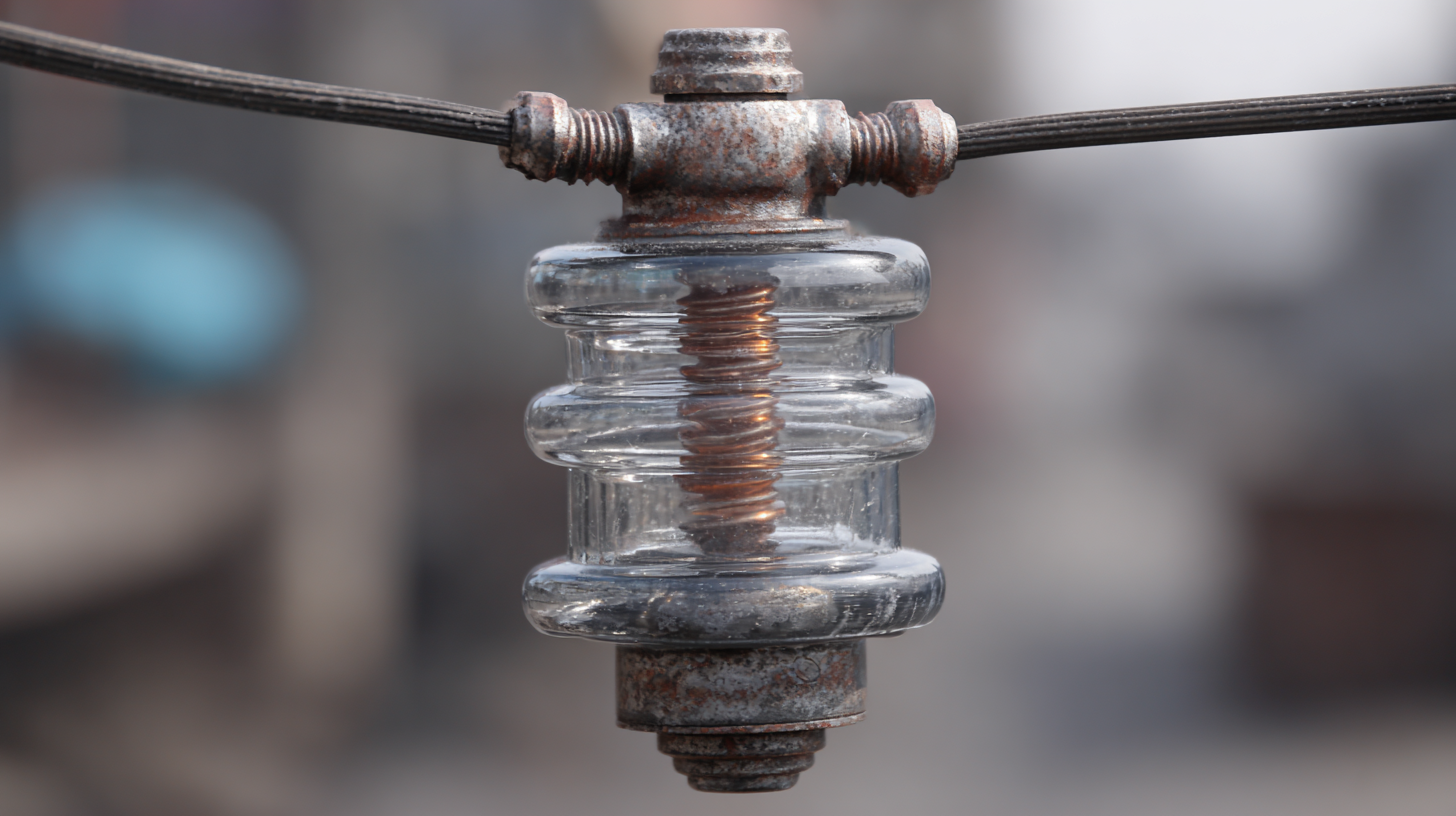
When you're picking out a glass insulator, it's super important to check its quality and how durable it is—this stuff really impacts whether your project will turn out well or not. Start off by looking at the material itself; the good ones are usually made from sturdy borosilicate or soda-lime glass. These types do a great job insulating electricity, plus they can handle temperature swings and tough weather pretty well, so they'll last longer in all sorts of situations.
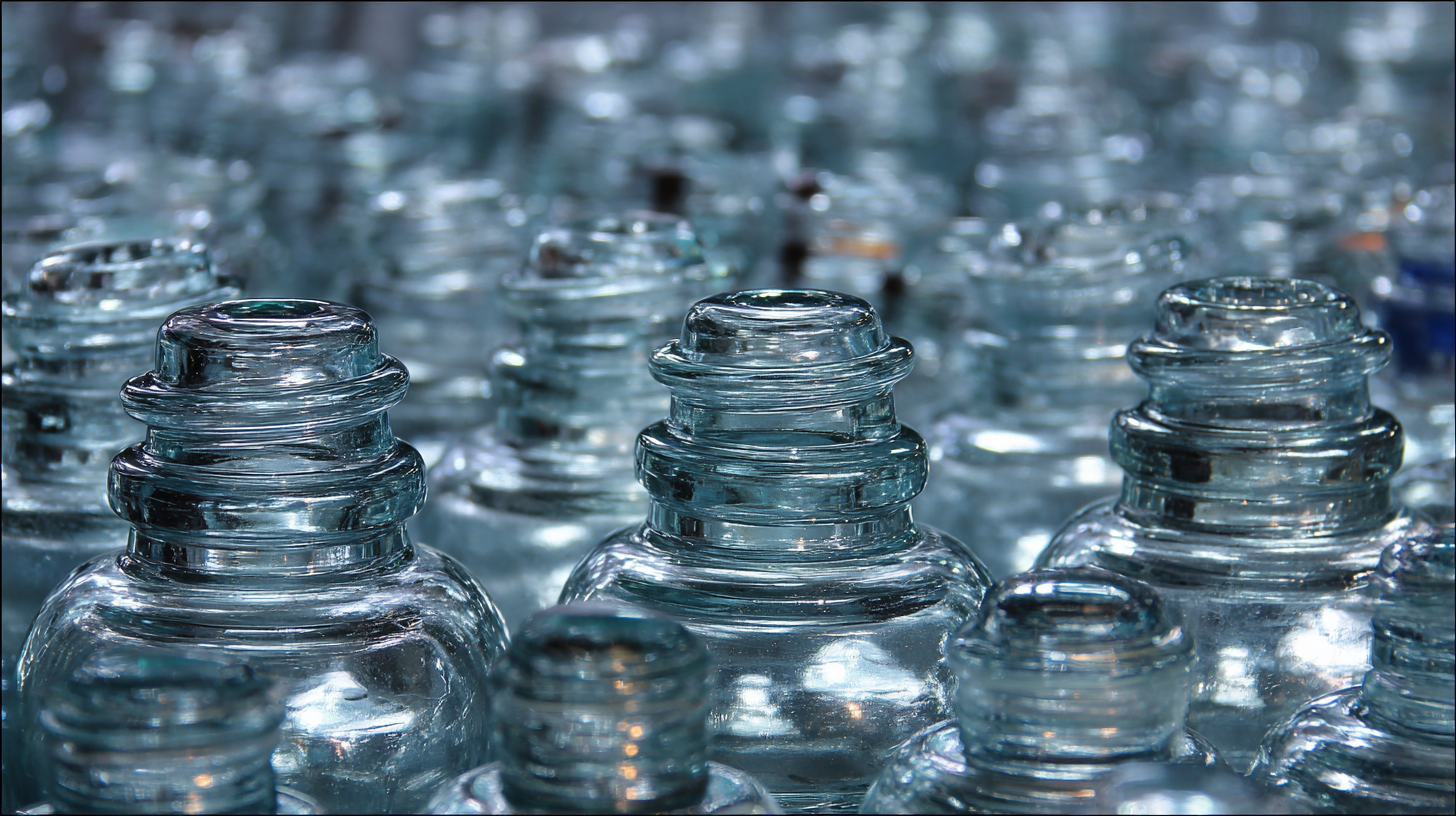
After that, take a peek at the design and how it was made. You want something that looks well-crafted—insulators with microfractures or uneven spots can break down sooner than you'd hope. Also, pay attention to the surface. If it’s smooth, dirt doesn’t get stuck as easily, and it generally works better electrically. And don’t forget—checking if it has relevant certifications or industry standards can give you that extra peace of mind that you're getting something reliable and up to snuff for your specific project. Basically, just do a little homework, and you'll be good to go!
Common Mistakes to Avoid When Choosing Glass Insulator 160b for Your Needs
So, when you're choosing a Glass Insulator 160b for your project, it’s really important to watch out for some common pitfalls that could cause you headaches—or worse, end up costing you a lot more down the line. One mistake I see a lot is just not paying attention to the environmental stuff—the weather, pollution, all that. The IEC actually recommends that insulators be rated for the specific pollution levels and climate where they'll be used. Picking an insulator that isn’t suited for places with heavy pollution or extreme weather can seriously cut down its lifespan and effectiveness. No one wants that kind of surprise, right?
And then there’s the mechanical load thing. A lot of folks forget to double-check what kind of physical stress the insulator needs to handle. According to ANSI, if you pick an insulator without considering the tension or mechanical forces it’ll face, you’re risking failure—big time. Different insulators are built to handle different loads, so if you grab one that’s not rated for your project’s stresses, it could lead to some pretty serious issues later on. My advice? Always peek at the manufacturer’s specs and load ratings—better safe than sorry, especially following solid engineering guidelines.
Comparative Analysis of Glass Insulator 160b vs. Other Insulator Materials
When you're picking insulation materials for a project, it's pretty interesting to compare the Glass Insulator 160b with other options out there. Recent studies have brought some exciting stuff to the table—like bio-insulation made from rice husks. Believe it or not, these natural materials are actually pretty good at trapping heat, which helps boost the whole sustainability vibe in the insulation world. When we look at how well they conduct heat, rice husk insulators seem to hold their own against the traditional ones, plus they use less energy during manufacturing, which is a win for the environment.
On top of that, the market for composite insulators is projected to grow pretty fast. Some forecasts say it’ll jump from about USD 3.8 billion in 2025 to over USD 7.1 billion by 2035—that’s a pretty significant shift towards all sorts of new insulating options. For example, using recycled glass waste as a thermal insulator is gaining attention; it’s a creative way to cut down environmental impact without sacrificing performance. So, when we weigh the benefits of the Glass Insulator 160b against these other innovative materials, it helps us figure out which one is really the best fit for the project’s needs and sustainability targets.
FAQS
: The Glass Insulator 160b is ideal for electrical applications due to its superior dielectric strength, which ensures exceptional insulation performance in high-voltage environments.
Its durability allows it to withstand harsh weather conditions, making it suitable for both indoor and outdoor installations and ensuring long-term reliability.
Glass insulators, unlike plastic, resist aging and UV damage, thus requiring less maintenance and replacement, leading to cost savings on long-term projects.
Yes, glass insulators are recyclable and do not leach harmful chemicals, making them a more environmentally friendly option compared to some other materials.
High-quality glass insulators are typically made from borosilicate or soda-lime glass, both of which offer excellent electrical insulation properties.
It's important to look for precision in the manufacturing process and a smooth surface finish, which reduces the risk of dirt accumulation and enhances electrical performance.
Rice husk-based insulators demonstrate significant thermal potential and can compete effectively with traditional options, highlighting a growing focus on sustainability in insulation materials.
The market is experiencing a shift towards diverse insulating materials, including a projected growth in composite insulators and the exploration of recycled glass waste for thermal insulation.
Certifications and adherence to industry standards can provide assurance of the insulator's reliability and quality, ensuring it meets the necessary specifications for specific project requirements.
The market for composite insulators is estimated to grow from USD 3,839.6 million in 2025 to USD 7,181.3 million by 2035.
Conclusion
When you're trying to pick the best Glass Insulator 160b for your project, there are quite a few things you’ll want to keep in mind. Basically, it’s about understanding what your electrical setup needs and getting familiar with the different types of glass insulators out there. Knowing how they’re used can really help you make smarter choices. The Glass Insulator 160b, in particular, is popular because it performs really well in electrical applications—it's what many pros tend to recommend.
To get the best results, you'll want to look closely at the quality and how durable the insulators are, and be mindful of some common pitfalls along the way. It’s also a good idea to compare the Glass Insulator 160b with other insulation options—that can give you some useful perspective. At Jiangxi QOCl Electric Co. Ltd., we use advanced technology and thorough research to produce top-notch glass insulators that can handle a variety of project requirements. Basically, we’re here to help ensure you get the right insulator for your needs.