Leave Your Message
Picking out the right glass Insulator 160b can feel pretty overwhelming at first. I mean, if you ask industry pros like Robert Tyler from Insulator Solutions, they’ll tell you that the right insulator can really make a big difference in performance. And honestly, that just shows how important it is to choose carefully if you want those optimal results.
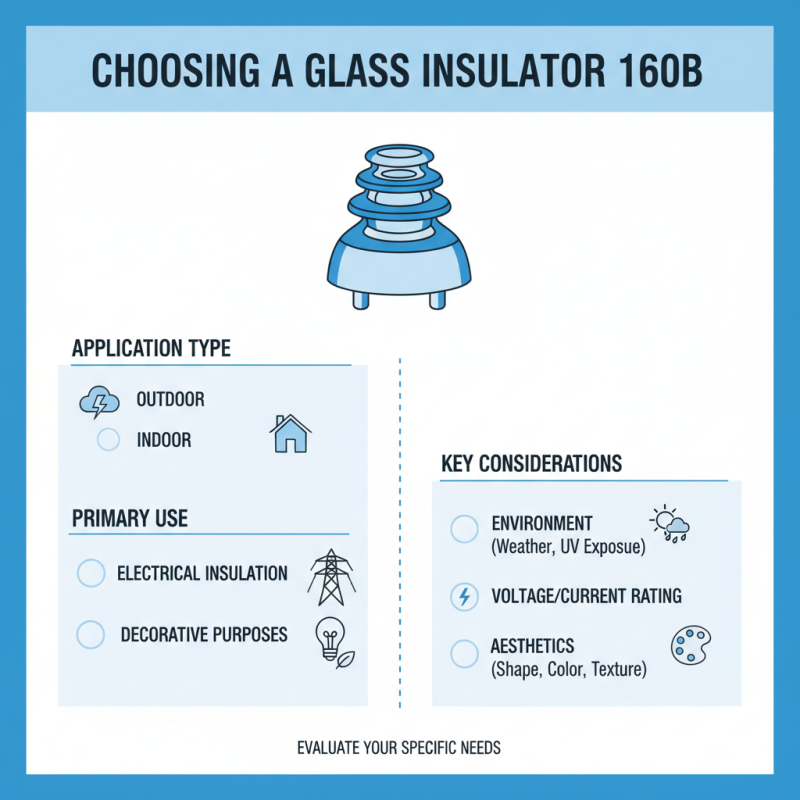
When you're deciding on a Glass Insulator 160b, it’s good to keep some key things in mind—like where you'll be using it and what it’s for. Not all insulators are a one-size-fits-all kind of deal. For instance, high-voltage lines might need something different compared to a standard residential setup. Taking these factors into account can save you from making costly mistakes down the line.
And honestly, thinking about your specific needs is a must. What works perfectly for one project might totally fall flat for another. So, finding the best Glass Insulator 160b isn’t just about the specs on paper—it's about making sure those specs fit your particular situation and requirements. It’s all about smart choices based on your actual setup.
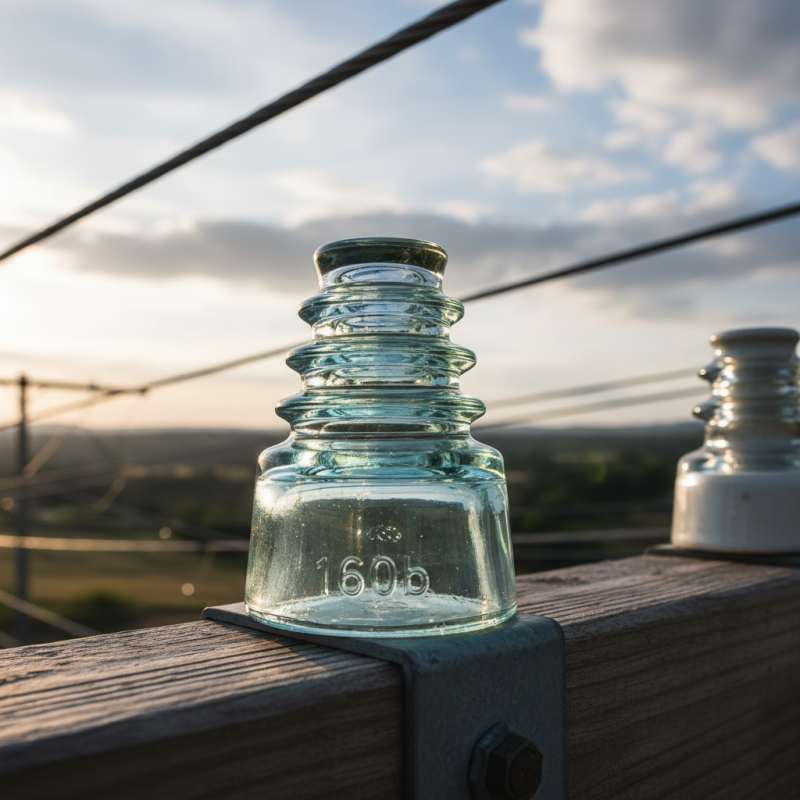
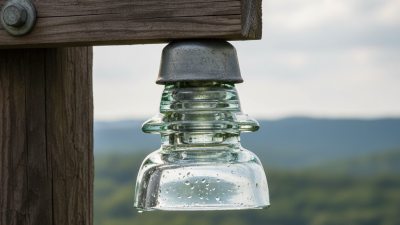
Glass insulators play a crucial role in electrical systems. They support and insulate high-voltage wires from the surrounding environment. Understanding their basics is essential before making a choice. Glass insulators come in different shapes, sizes, and colors. Each design serves a specific purpose.
When selecting a glass insulator, consider its application. Do you need it for a transmission line or a decorative purpose? Transmission lines require stronger insulators to handle high voltage. Decorative insulators may focus more on aesthetics rather than functionality.
Tips: Always check the voltage rating. This ensures the insulator meets the requirements of your electrical system. Inspect for any cracks or damage. Even a small flaw can lead to failures. Lastly, think about the environment. Extreme weather conditions can affect performance, so choose an Insulator Designed for your specific climate.
Remember, the right choice can enhance safety and efficiency. A mismatch might lead to undesirable outcomes, such as electrical failures. Reflect on your needs before making a final decision.
| Feature | Description | Importance |
|---|---|---|
| Material Quality | High-quality glass to ensure durability and resistance to weather elements. | Critical for longevity and performance. |
| Design Type | Different designs cater to specific applications, such as suspension or strain. | Affects functionality and application suitability. |
| Voltage Rating | Indicates the maximum voltage the insulator can handle safely. | Essential for ensuring safety in electrical installations. |
| Color | Color may affect aesthetics and UV protection level. | Can enhance visibility and application preference. |
| Size | Overall dimensions impact installation and performance. | Determines compatibility with existing systems. |
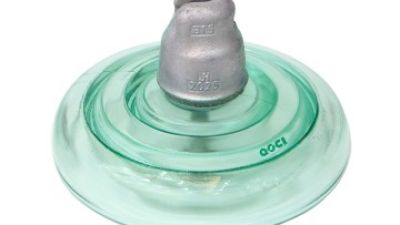
In modern electrical infrastructure, especially in polluted environments, the choice of insulators plays a crucial role in maintaining operational efficiency and reliability. The 120 kN toughened glass insulators have emerged as a superior solution, particularly for high voltage applications. These insulators are designed to withstand harsh environmental conditions, providing exceptional performance in areas with high levels of pollution. According to the International Electrotechnical Commission (IEC) standards, toughened glass disc insulators meet stringent requirements for mechanical strength and electrical performance, making them ideal for use in challenging conditions.
One of the standout advantages of 120 kN toughened glass suspension insulators is their anti-pollution characteristics. Pollutants such as dust, salt, and industrial emissions can significantly impair the functionality of traditional insulators, leading to increased maintenance costs and system failures. Reports indicate that insulators made from toughened glass demonstrate superior resistance to surface leakage currents and withstand the effects of pollution better than ceramic insulators or conventional glass options. This resilience not only enhances the durability of electrical infrastructure but also reduces the frequency of outages, thereby ensuring a more reliable power supply.
Moreover, the lightweight and robust nature of toughened glass insulators contribute to more efficient installation and reduced load on transmission structures. Studies show that the strength-to-weight ratio of toughened glass allows for longer spans between support structures without compromising safety or performance. This can result in significant material savings and reduced costs during both installation and maintenance phases. As the demand for reliable electrical infrastructure grows globally, the adoption of advanced materials like 120 kN toughened glass insulators becomes increasingly vital in addressing the challenges posed by polluted environments.
: They can enhance your daily routine. Users report improved efficiency and enjoyment. Results may vary for each individual.
They are often created using a mix of natural and synthetic ingredients. The exact process can vary significantly.
Some users experience mild discomfort or allergic reactions. It's essential to perform a patch test before widespread use.
Certain scents or components can trigger feelings of relaxation. However, not everyone will experience the same effects.
Results can differ from person to person. Some might notice changes within a week; for others, it may take longer.
Many users incorporate them into everyday routines. Still, moderation is often recommended to avoid dependency.
The suggested quantity can vary. Pay attention to your body's responses and adjust as necessary.
If you experience a negative reaction, stop using the product immediately. Consult a healthcare professional if symptoms persist.
Some products may not be suitable for younger individuals. It's essential to check guidelines before usage.
They may support well-being but should not replace professional advice. Always consult a qualified expert for serious concerns.
Choosing the right Glass Insulator 160b requires a fundamental understanding of what these insulators are and their primary purposes. It's essential to look for key features tailored to your specific needs and applications, as the diverse uses of Glass Insulator 160b can influence performance and reliability. Evaluating durability and performance characteristics is crucial, as these factors will determine the longevity and efficiency of the insulator in practical scenarios.
When assessing your options, it's also important to compare different brands and models while keeping an eye on pricing considerations to ensure your purchase aligns with your budget. Finally, potential buyers can explore various retailers and online options, making it easier to find the best Glass Insulator 160b suited for their needs.