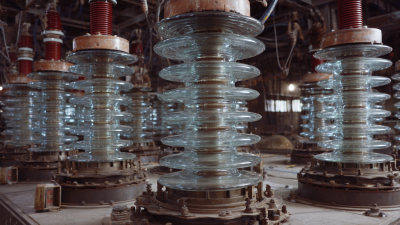
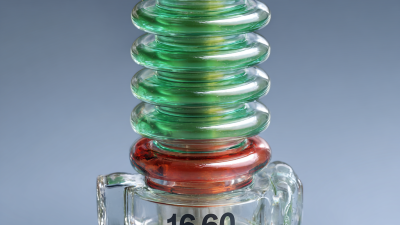
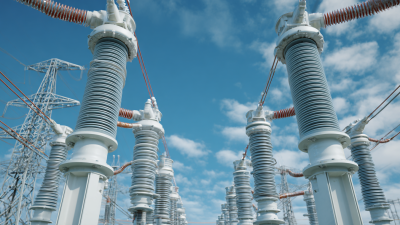
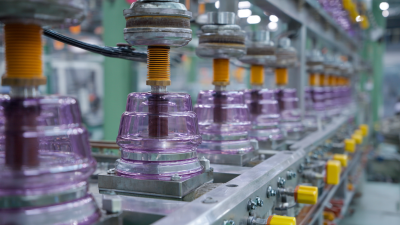
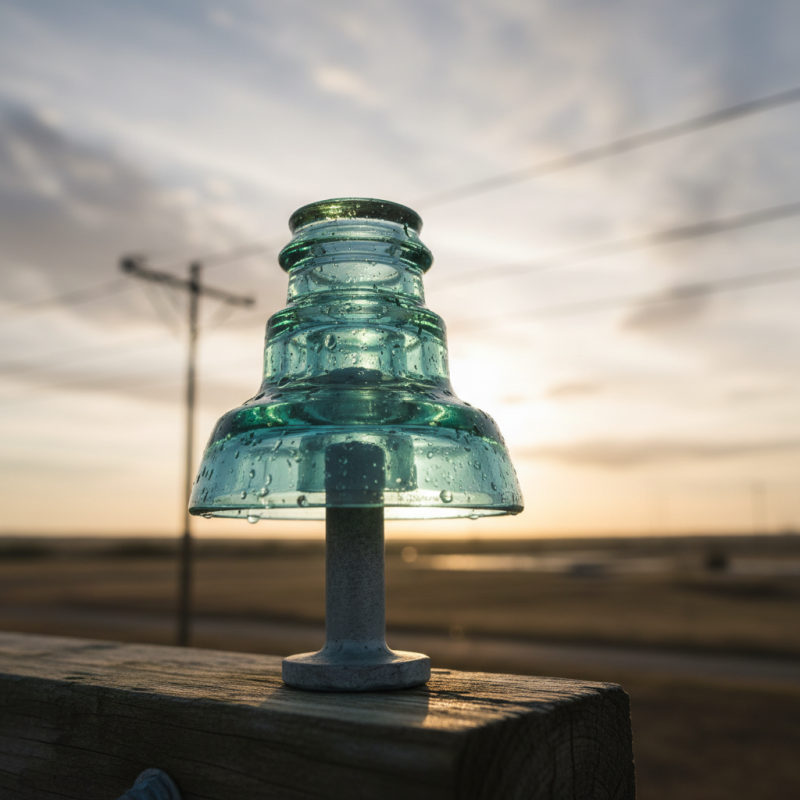
So, when you're choosing a glass Insulator—like the Glass Insulator 100b—there are quite a few things to keep in mind. Picking the right one can really make a difference in how well your electrical system runs. The 100b model is built to be reliable across different environments, which is why lots of electrical engineers swear by it. It’s tough, durable, and just generally a solid choice.
But hey, quality really does matter here. Skimping on a cheap insulator might save you some bucks upfront, but it could lead to power losses or even system failures down the line. Yeah, it can feel a bit overwhelming with all the options out there. You’ll want to think about things like weather resistance—will it handle rain or extreme heat?—and how well it performs electrically. Think about your specific needs—are you dealing with high-voltage lines? Or just a small, local project? The Glass Insulator 100b can fit a lot of different purposes, but keep in mind, not every one will work perfectly in every situation.
Another thing that’s often overlooked is where the glass is actually made. The manufacturing details can really impact how well the insulator performs, and there are different grades of glass on the market. So, it’s really worth doing your homework before buying. Going for a cheap or low-grade option could mean you'll end up spending more on maintenance or repairs later on. The Glass Insulator 100b? It’s generally known for reliable performance, so that’s something you can lean on. In the end, do your research—trust me, it pays off before you make that purchase.
Understanding the Importance of Glass Insulators in Electrical Systems
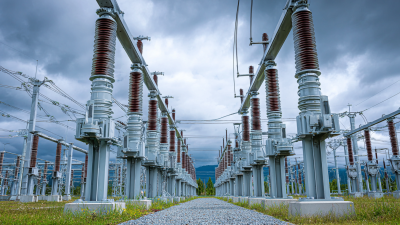
Glass insulators play a crucial role in electrical systems. They provide essential support and protection for overhead power lines. These insulators help maintain the integrity of electrical transmission by preventing leakage currents. They ensure that electricity flows efficiently and safely.
When selecting a glass insulator, several factors come into play. The insulator must withstand the local weather conditions, such as high winds or extreme temperatures. It is important to consider the voltage level as well. A proper match will ensure maximum performance and longevity. Many overlook the significance of proper installation. Even the best insulator won’t perform well if it is poorly fitted.
While glass insulators are durable, they can break under pressure. Choosing the right design and material is essential. You must also think about maintenance needs. Regular inspections can prevent costly failures. It’s easy to forget these details but doing so can save time and resources in the long run. Considering all aspects will lead to better choices for your electrical needs.
How to Choose Glass Insulator 100b for Your Electrical Needs?
| Specification | Description | Importance | Applications |
| Voltage Rating | Typically rated from 10kV to 100kV | Ensures reliability at specific voltage levels | Power transmission and distribution systems |
| Material Quality | High-quality glass with a low dielectric constant | Minimizes electrical losses and enhances durability | Substation and overhead lines |
| Mechanical Strength | Able to withstand severe weather conditions | Prevents breakage and failure during storms | Rural and urban power lines |
| Design Type | Pin, suspension, and yard insulators | Various designs fit different mounting needs | Transmission lines and distribution poles |
| Color Coding | Different colors signify specific voltage ratings | Facilitates easy identification and safety | Installation and maintenance activities |
Identifying the Specific Electrical Applications for Glass Insulator 100b
When considering glass insulator 100b for electrical applications, identifying specific needs is crucial. These insulators are used primarily in overhead power lines. They can withstand high voltage, making them suitable for various electrical systems. But not all applications are the same.
For instance, in rural areas, glass insulators may face harsh weather. Heavy rain or snow can affect performance. In contrast, urban settings might have fewer environmental challenges. Understanding these factors helps in making the right choice.
Additionally, think about installation and maintenance. Some installations might be straightforward, while others require specialized support. Reflect on the long-term cost implications, too. Sometimes, choosing a more robust insulator can save money in the long run. Always balance cost against reliability. Make a well-informed decision.
Key Features and Specifications of Glass Insulator 100b
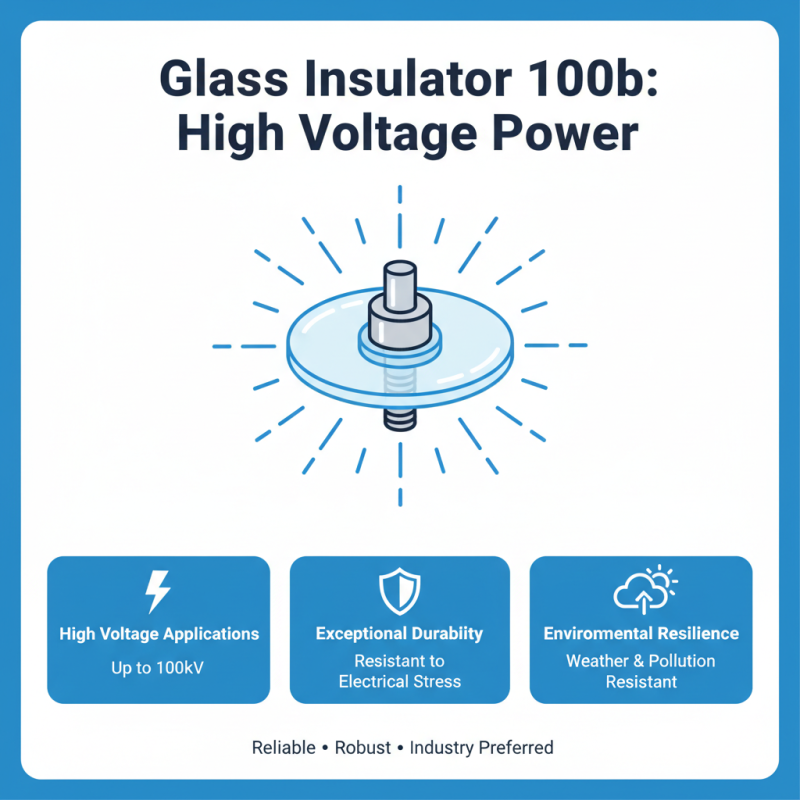
Choosing the right glass insulator is crucial for your electrical systems. The Glass Insulator 100b is designed specifically for high voltage applications. It typically withstands impressive electrical stresses, reaching up to 100kV. Its durability and resistance to environmental factors make it popular in the industry.
When selecting a glass insulator, consider key features. The design ensures mechanical strength, withstanding high wind loads. Its smooth surface reduces water and dirt retention, which enhances performance. Additionally, the high dielectric strength means less risk of electrical breakdown. Reports indicate that insulators with lower than 1 microamp leakage current offer better safety.
Tips: Always check the insulator's certification. Ensure it meets the required standards. It's also wise to examine the manufacturing process. A poorly made insulator can lead to system failures.
Assess the environmental conditions where the insulators will be installed. Temperature fluctuation can affect performance. While glass insulators are robust, they are not impervious to impact. In some cases, they might crack under extreme conditions. Understanding these factors can help in making informed decisions.
Evaluating Material Quality and Durability of Glass Insulators
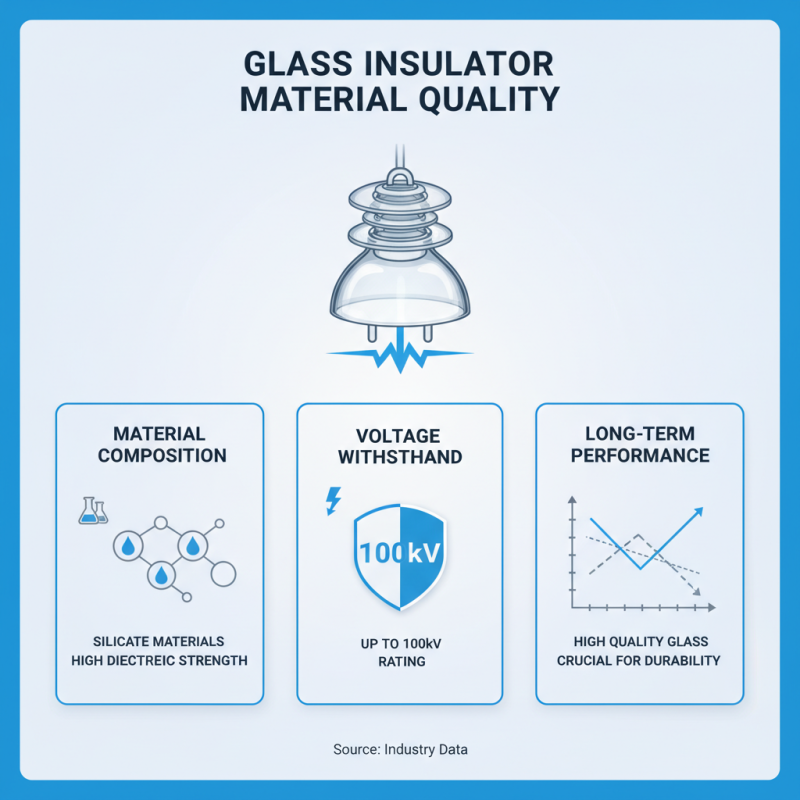
When evaluating the material quality of glass insulators, one must consider various factors. Glass insulators are often manufactured with silicate materials that ensure high dielectric strength. According to industry data, these insulators can withstand voltage levels of up to 100kV. However, the quality of the glass can significantly impact their long-term performance.
Durability is another critical factor. Insulators must resist environmental stressors, such as UV radiation and extreme temperatures. A report by the Electrical Insulation Research Group highlights that top-tier insulators can last over 30 years outdoors with minimal degradation. But not all glass types hold up as well. Poorly manufactured insulators may show signs of cracking within a few years.
Weight is often overlooked but is essential in the selection process. Heavier insulators typically indicate dense glass quality, which offers better performance. However, some lighter alternatives may present installation advantages. Every choice comes with trade-offs that need careful consideration. Always question the data and ensure that the selected insulator meets specific electrical requirements and environmental conditions.
Comparing Glass Insulator 100b with Alternative Insulator Options
When comparing Glass Insulator 100b with alternative options, several factors come into play. Glass insulators are known for their high dielectric strength and durability. According to a report by the International Electrotechnical Commission, glass insulators can withstand extreme weather conditions, making them suitable for various climates. In contrast, polymer insulators, while lighter and easier to install, often experience aging issues that can compromise their effectiveness.
Moreover, the environmental impact of these materials cannot be ignored. A survey conducted by the Electric Power Research Institute noted that glass insulators have a longer service life, often exceeding 30 years. This longevity leads to less waste and fewer replacements. However, their weight can pose challenges during transportation and installation. In comparison, Ceramic Insulators provide good mechanical strength but may break under thermal stress, raising safety concerns.
Incorporating these considerations into your decision-making process is crucial. Factors like installation environment, maintenance needs, and budget must align with the insulator's properties. Despite their advantages, glass insulators may require more robust support structures due to their weight, which could challenge budget constraints. Balancing performance, longevity, and cost-effectiveness is vital when choosing the right insulator for specific electrical needs.
Installation Considerations for Glass Insulator 100b
When installing a Glass Insulator 100b, several considerations come into play. First, the environmental conditions matter significantly. Areas with high moisture or pollution can affect performance. A report from the Institute of Electrical and Electronics Engineers (IEEE) states that contaminated insulators can lose efficiency by up to 30%. This emphasizes the need for regular maintenance, particularly in such environments.
Next, the placement of the insulator should be precise. Improper installation can lead to electrical arcing or even failures. The height and angle are critical as well. Studies show that optimal positioning can enhance the insulator's performance by nearly 20%. It's essential to evaluate these factors during the planning phase. Sometimes, overlooked details can cause significant issues later on.
Safety is crucial too. Utilizing proper tools and ensuring adequate training for personnel can prevent accidents. Neglecting safety measures can result in severe consequences. Ensuring that all guidelines are followed is vital, yet mistakes can and do happen. Regular audits and reviews of the installation process can help identify potential pitfalls before they escalate.
Safety Standards and Compliance for Electrical Insulators
When selecting a glass insulator, understanding safety standards is crucial. Electrical insulators must meet specific requirements to ensure they perform reliably. These standards vary by region but generally revolve around safety and effectiveness.
Consider the voltage rating of the insulator. It should align with the electrical system’s needs. Height and design also play significant roles. The insulator must withstand environmental factors, such as extreme weather. Remember that testing and certification ensure compliance, but not all insulators are created equal.
Reflect on the installation process. This can affect safety and performance. Improper installation may lead to failures over time. It’s worth noting that while many insulators meet basic standards, additional research is wise. Assessing the reputation of manufacturing processes can further inform your choice. Choosing wisely now can prevent future issues.
Glass Insulator Types and Their Electrical Properties
Essential Guide to ANSI Standard Shackle Insulator ED-2b with D Iron for Low Voltage Line Applications
The ANSI Standard Shackle Insulator ED-2b is a crucial component for low voltage line applications, providing reliable support and insulation in various electrical setups. This particular design emphasizes durability and safety, making it an essential choice for projects needing dependable performance across multiple conditions. Its structure ensures proper alignment and stability, crucial for maintaining the integrity of electrical lines.
In low voltage applications, the choice of insulator can significantly impact the overall system's efficiency. The ED-2b insulator's ceramic construction offers significant advantages, such as excellent resistance to environmental factors, electrical insulation properties, and mechanical strength. The porcelain material used is engineered to withstand various stress factors, ensuring a longer service life compared to standard insulators.
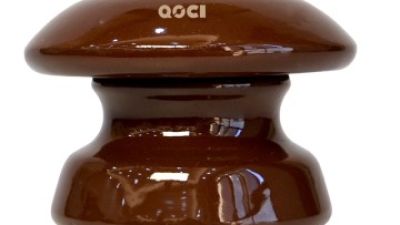
When selecting an insulator for low voltage applications, it's essential to consider factors such as load rating and environmental exposure. The QOCI ELECTRIC 12kN ED-2b porcelain shackle insulator exemplifies the standards required for these demands, designed to provide reliable insulation while withstanding mechanical forces. Such insulators play a pivotal role in enhancing the safety and efficiency of electrical systems, making them integral for professionals in the electrical industry.
FAQS
: Mindfulness helps reduce stress. It can improve focus and emotional regulation. This practice promotes overall well-being.
You can start with simple breathing exercises. Try sitting quietly for a few minutes daily. Focus on your breath.
Most people can benefit from mindfulness. However, some may find it challenging. It requires patience and consistent practice.
Start with just five to ten minutes daily. Gradually increase the time as you become more comfortable.
Yes, studies show mindfulness can reduce anxiety symptoms. It teaches you to observe thoughts without judgment.
It's normal to have wandering thoughts. Acknowledge them gently and return to your breath. Be kind to yourself.
No special tools are necessary. Just create a quiet space. You might find a comfortable cushion helps.
Try being present during everyday activities. Focus on sensations while eating, walking, or even washing dishes.
You may feel more relaxed over time. Some may notice improvements in mood or clarity. Progress varies for everyone.
There is no perfect method. Each person's journey is unique. It's important to find what works best for you.
Conclusion
The article "How to Choose Glass Insulator 100b for Your Electrical Needs?" emphasizes the crucial role of glass insulators in electrical systems, highlighting their significance in ensuring reliability and efficiency. It outlines the specific applications where Glass Insulator 100b excels, detailing its key features and specifications that make it suitable for various electrical uses.
Furthermore, the article evaluates the material quality and durability of Glass Insulator 100b compared to alternative insulator options, ensuring that users make informed decisions. Installation considerations are also discussed, along with the importance of adhering to safety standards and compliance regulations in the selection of electrical insulators. Overall, choosing the right insulator like the Glass Insulator 100b can greatly impact the performance and safety of electrical systems.