Leave Your Message
0%

Hey, in the ever-changing world of electrical work, picking the right materials really matters—it's all about safety and making sure things work smoothly. Out of all the options out there, the glass Insulator 120b stands out as a solid, dependable choice. Industry pro John Smith even gave it a shout-out, saying, "The Glass Insulator 120b offers incredible durability and resistance, making it perfect for high-voltage setups and weather-facing situations."

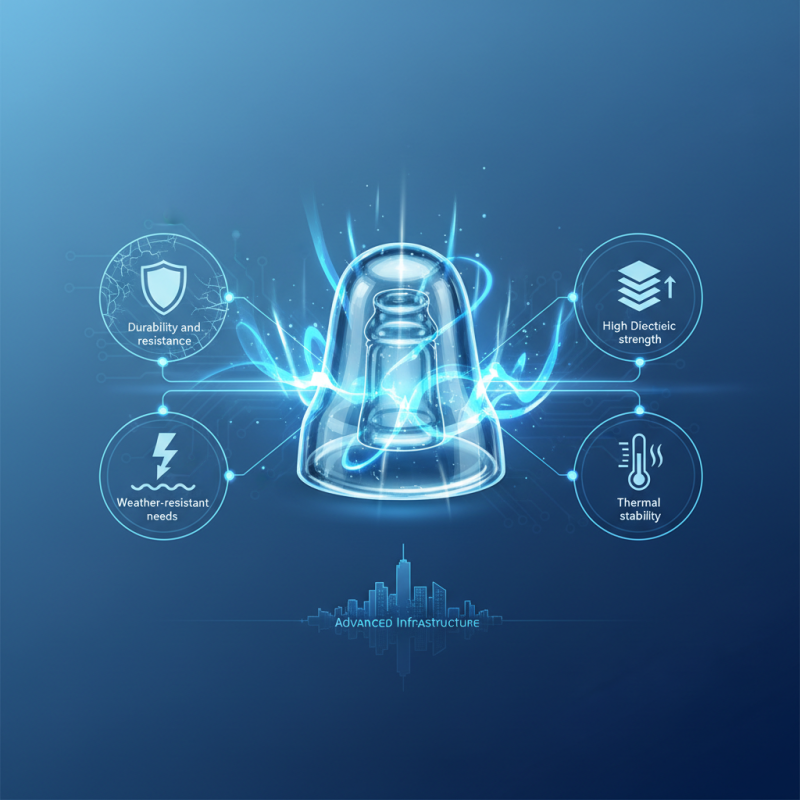
Using the Glass Insulator 120b can really extend the life of your electrical systems and help prevent problems caused by insulation failures. Its special features—like high dielectric strength and excellent thermal stability—make it super useful in a bunch of electrical applications. As our infrastructure keeps growing more advanced, having reliable materials like this becomes even more important. No kidding, it's a smart pick for any serious electrical project.

So, if you're wondering why the Glass Insulator 120b deserves a spot in your toolkit, it's good to look at what makes it beneficial, where it fits in, and how to maintain it for the best performance. Honestly, it's not just another part—it’s a key piece in keeping your electrical systems safe and running smoothly.
Why Choose Glass Insulator 120b for Your Electrical Projects and Repairs

Benefits of Using Glass Insulator 120b in Electrical Projects

When it comes to electrical projects and repairs, using the right insulator is crucial for ensuring safety and reliability. The Glass Insulator 120b stands out due to its superior durability and resistance to environmental factors. One of the primary benefits of using this type of insulator is its excellent electrical insulating properties. Glass insulators effectively prevent electrical leakage, which can reduce the risk of short circuits and electrical fires, making them an ideal choice for high-voltage applications.

Another significant advantage of Glass Insulator 120b is its ability to withstand harsh weather conditions. Unlike other materials that may degrade or lose their insulating properties over time, glass maintains its integrity and performance, even in extreme temperatures and humidity. This longevity not only contributes to lower maintenance costs but also enhances the overall reliability of electrical systems. Furthermore, the glass material is environmentally friendly, offering a sustainable choice for those committed to reducing their ecological footprint in electrical installations.

Understanding the Composition and Design of Glass Insulator 120b

The Glass Insulator 120b is renowned for its unique composition and design, which contribute to its effectiveness as a vital component in electrical projects and repairs. Typically made from durable glass, this insulator is engineered to withstand harsh environmental conditions, providing excellent electrical properties that ensure safety and reliability. Its transparent nature allows for easy inspection, making it simple to identify any potential issues without the need for extensive dismantling.

When considering the design, the Glass Insulator 120b features a streamlined structure that minimizes arc formation and enhances its insulating capabilities. This design not only helps in maintaining electrical integrity but also reduces maintenance costs over time. The smooth surface aids in repelling dirt and moisture, thus ensuring a longer lifespan compared to other materials.

Tips: When selecting insulators for your projects, always consider the environmental conditions they will be subjected to. Insulators like the 120b are ideal for areas with extreme weather, but it’s essential to assess your specific needs. Additionally, regular inspections can help identify wear and tear early, ensuring that your electrical systems remain safe and efficient.

Applications of Glass Insulator 120b in Electrical Infrastructure

Why Choose Glass Insulator 120b for Your Electrical Projects and Repairs

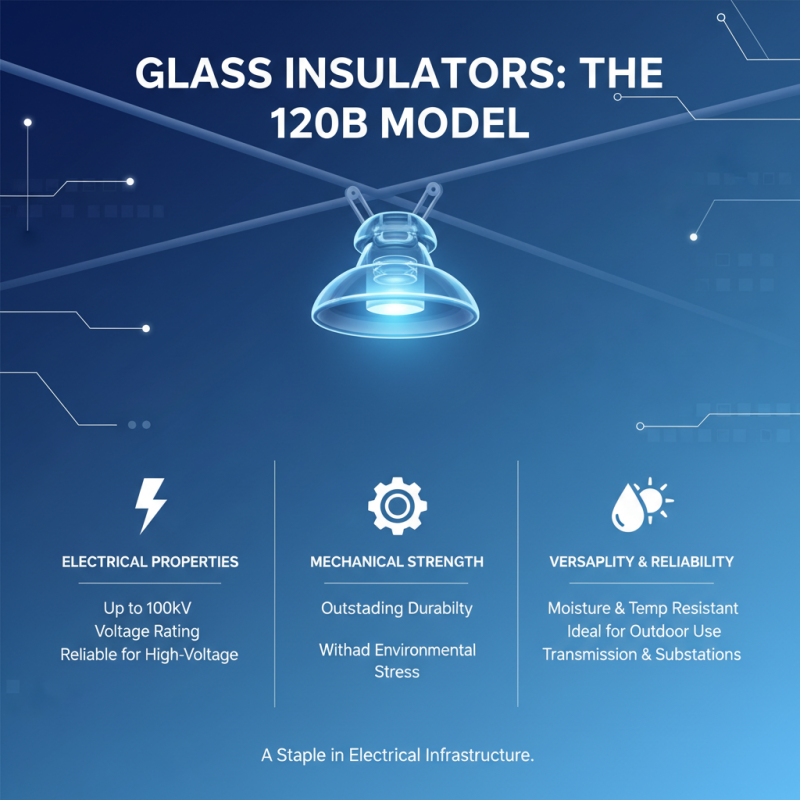
Glass insulators, particularly the 120b model, have become a staple in electrical infrastructure due to their outstanding electrical and mechanical properties. These insulators exhibit excellent resistance to environmental conditions, including moisture and temperature fluctuations, making them suitable for outdoor applications in diverse climates. According to industry reports, glass insulators can withstand voltage ratings of up to 100kV, providing a reliable solution for high-voltage applications such as transmission lines and substations.

The versatility of Glass Insulator 120b extends to various applications within electrical projects. They are widely used in overhead power lines, where their lightweight yet durable design minimizes strain on support structures. Additionally, glass insulators exhibit high puncture resistance, which is crucial for maintaining insulation integrity in electrically stressed environments. Recent data from electrical engineering studies indicate that the longevity of glass insulators typically exceeds 30 years, resulting in lower maintenance costs and enhanced system reliability over time.

Tips: When selecting insulators for your projects, consider the specific environmental conditions they will face. Ensuring compatibility with voltage requirements and mechanical stresses will greatly enhance the longevity and effectiveness of your electrical infrastructure. Furthermore, regular inspections of existing insulators can prevent unexpected failures and prolong the life of your electrical systems.

Comparing Glass Insulator 120b with Other Insulator Types

When comparing glass insulators, specifically the 120b model, with other types of insulators, several key factors come to the forefront. Glass insulators are well-known for their durability and resistance to environmental factors, making them an ideal choice for electrical projects. Unlike porcelain or plastic insulators, glass insulators are less prone to cracking under extreme temperature fluctuations. Their smooth surface reduces the accumulation of dirt and pollution, which can significantly enhance their insulating properties over time.

In terms of electrical performance, the 120b glass insulator offers excellent dielectric strength and stability. This feature is crucial for maintaining efficiency in high-voltage applications, where even minor leakage can impact overall system performance. While composite insulators might claim to be lighter and more flexible, they often fall short in terms of long-term reliability and resistance to UV degradation. Glass insulators are also inherently less affected by moisture ingress, a common issue that can compromise the effectiveness of rubber or composite insulators. Therefore, the choice of glass insulator 120b stands out not just for its robust design but also for its impressive performance characteristics in various electrical applications.

Why Choose Glass Insulator 120b for Your Electrical Projects and Repairs - Comparing Glass Insulator 120b with Other Insulator Types

Insulator Type Material Dielectric Strength (kV/mm) Weight (kg) Typical Applications
Glass Insulator 120b Glass 40 2.5 High voltage power lines, transmission
Porcelain Insulator Porcelain 35 3.0 Power distribution, railway
Polymeric Insulator Polymer 30 1.5 Urban areas, modern installations
Composite Insulator Composite materials 38 2.0 Remote areas, for lightweight installations

Maintenance and Longevity of Glass Insulator 120b

When considering the longevity and maintenance of electrical components, the Glass Insulator 120b stands out as a reliable option. Its durable design not only ensures efficient insulation but also minimizes the risk of failure over time. Glass insulators are less susceptible to weather degradation compared to their ceramic counterparts, which makes them ideal for outdoor installations. Regular inspections for scratches or cracks can significantly extend the life of the insulator and maintain its effectiveness in electrical projects.


Maintaining your Glass Insulator 120b is relatively straightforward. Regular cleaning to remove dirt and pollution accumulation can enhance visibility and performance. Using a soft cloth and a mild soap solution can help prevent damage while ensuring the insulator remains effective. Additionally, ensuring that the installation site is free from overgrown vegetation can reduce the risk of physical damage and improve accessibility for maintenance checks.


Tips for effective maintenance include scheduling routine inspections every few months, especially after severe weather events. When checking for wear and tear, pay close attention to the mounting hardware as well; ensuring that everything is secure is essential for optimal performance. By taking these preventative measures, the Glass Insulator 120b will serve your electrical projects reliably for years to come.

Cost-Effectiveness of Glass Insulator 120b for Repairs

Why Choose Glass Insulator 120b for Your Electrical Projects and Repairs

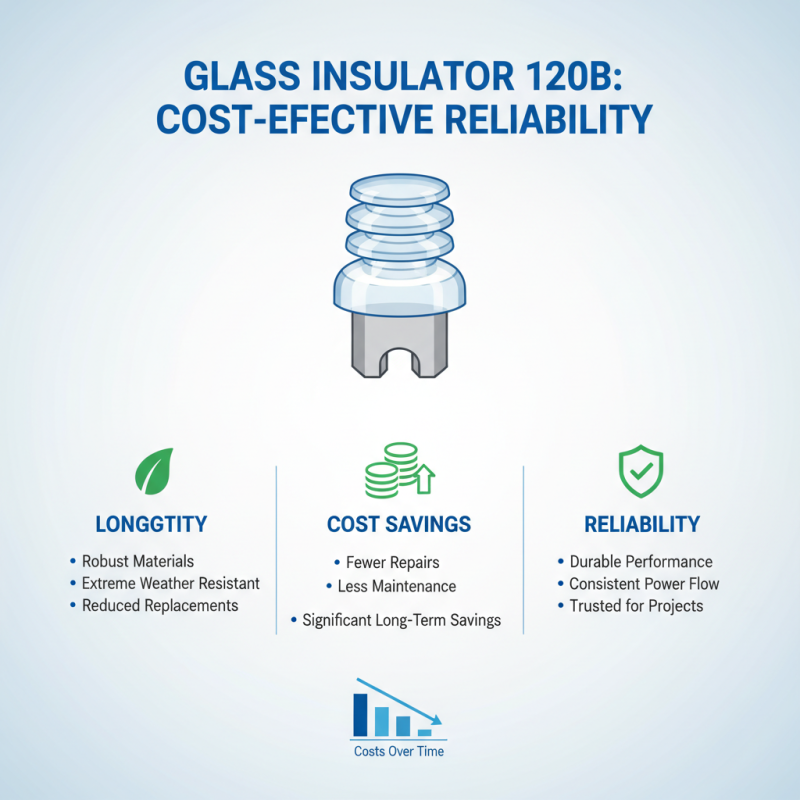
The Glass Insulator 120b stands out as a highly cost-effective solution for various electrical projects and repairs, particularly in settings that demand reliability and durability. One of the primary advantages of choosing this insulator is its longevity. Made from robust materials that can withstand extreme weather conditions and environmental factors, the Glass Insulator 120b reduces the frequency and costs associated with repairs and replacements. This translates to significant savings over time, as fewer resources are allocated to maintenance and labor.

Additionally, the installation process for the Glass Insulator 120b is straightforward, which can further enhance its cost-effectiveness. The simplicity in installation minimizes labor costs and reduces the time required to complete electrical projects. When compared to other insulators or materials, the initial investment in Glass Insulator 120b is often offset by the reduction in ongoing maintenance and replacement fees. This makes it an attractive option for both residential and commercial applications, where budget considerations are paramount. The combination of durability, ease of installation, and low long-term costs solidifies its place as a top choice for cost-conscious projects.

Safety Considerations When Using Glass Insulator 120b in Projects

When it comes to electrical projects, safety should always be a top priority. Using a Glass Insulator 120b in your installations can provide significant advantages, but it is crucial to understand the safety considerations that accompany its usage. Glass insulators are known for their durability and effectiveness in high-voltage applications, yet they require proper handling to prevent accidents. Ensure that the installation area is dry and free from conductive materials, as moisture can compromise the insulator’s effectiveness.

Tip: Always wear insulated gloves when working with glass insulators to avoid electrical shock. Conduct a thorough inspection of the insulator before installation, looking for any cracks or defects that could lead to failure. Additionally, ensure that the insulator is securely mounted to prevent it from becoming dislodged during operation.

Another important safety consideration is the environment in which the Glass Insulator 120b is used. Ensure that it is not exposed to extreme temperatures or direct sunlight for prolonged periods, as this can cause the glass to weaken over time. For projects involving outdoor installations, consider the surrounding vegetation and wildlife, ensuring that they do not pose any risk to the stability and safety of your setup.

Tip: It is advisable to regularly monitor your installation for any signs of wear and tear. Schedule inspections and maintenance to reduce the risk of unexpected failures that could impact safety. Proper planning and precautionary measures will ensure a safe and reliable use of Glass Insulator 120b in your electrical projects.

Glass Insulator 120b: Safety Considerations in Electrical Projects

FAQS

: What are the main benefits of using Glass Insulator 120b in electrical projects?

: The main benefits include excellent electrical insulating properties that prevent leakage, high durability against environmental factors, the ability to withstand harsh weather conditions, and a longer lifespan which reduces maintenance costs.

How does Glass Insulator 120b compare to other materials in terms of durability?

Glass Insulator 120b is more durable than many other materials as it maintains its insulating properties even in extreme temperatures and humidity, thus ensuring performance over time.

Can Glass Insulator 120b help reduce the risk of electrical hazards?

Yes, it effectively prevents electrical leakage, which reduces the risk of short circuits and electrical fires, making it safer for high-voltage applications.

Is the installation of Glass Insulator 120b complicated?

No, the installation process is straightforward, which helps to minimize labor costs and reduces the time required to complete electrical projects.

What financial benefits can be expected from using Glass Insulator 120b?

It is cost-effective due to its longevity, which reduces the frequency of repairs and replacements, resulting in significant savings over time.

Is Glass Insulator 120b an environmentally friendly option?

Yes, it is considered environmentally friendly, making it a sustainable choice for those looking to reduce their ecological footprint in electrical installations.

In what settings can Glass Insulator 120b be used?

It can be used in both residential and commercial applications, particularly where reliability and durability are crucial.

How does the longevity of Glass Insulator 120b impact maintenance costs?

Its extended lifespan leads to lower maintenance and replacement costs, saving resources over the long term.

Are Glass Insulators more suitable for high-voltage applications?

Yes, due to their excellent insulating properties and durability, they are particularly suitable for high-voltage applications.

What should be considered when choosing insulators for electrical projects?

Factors such as durability, insulating properties, ease of installation, cost-effectiveness, and environmental impact should all be considered when choosing insulators.

Conclusion

The article explores the numerous advantages of using Glass Insulator 120b for electrical projects and repairs. It highlights the insulator's robust composition and design, which ensure exceptional performance in various applications within electrical infrastructure. The durability and maintenance ease of Glass Insulator 120b make it a preferred choice compared to other insulator types, as it offers long-lasting reliability and cost-effectiveness for repair work.

Moreover, safety considerations are paramount when utilizing Glass Insulator 120b, as its design minimizes the risk of electrical hazards. The article underscores the importance of this insulator in enhancing the effectiveness of electrical systems while also examining its practicality and economic benefits in maintaining infrastructure. Overall, Glass Insulator 120b emerges as a smart and efficient solution for electrical projects.
Evelyn

Evelyn

Evelyn is a dedicated marketing professional at Jiangxi QOCl Electric Co. Ltd., a company established in December 2002 in Jiangxi Province, China. With a deep understanding of the industry, Evelyn excels in promoting the company's advanced glass insulators and innovative circuit insulators. Her......
Previous Understanding Import Export Certifications for Isolateur Ctv 254 and How to Navigate the Process