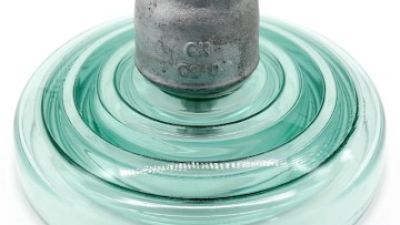
Picking the right Disc glass Insulator isn't just a small detail — it can really make or break your project. These little guys are super important when it comes to securing electrical lines and making sure you’re not losing too much energy. Honestly, with so many options out there, it can get pretty overwhelming. Every project is unique, right? So, understanding what your specific needs are is key to making a smart choice.
Now, each Insulator varies in size, voltage capacity, and design. For example, bigger ones usually handle higher voltages, but size isn’t just about volts — it also affects how easy it is to install and how long it lasts. Don’t forget to think about the environment too. Crazy weather conditions can throw a wrench in things, causing potential failures down the line.
It’s really worth taking a moment to consider your project’s unique setting. Have you looked into the local climate and any environmental factors that might matter? Are your decisions based on some solid research? The right Disc Glass Insulator can seriously improve performance, durability, and safety. Bottom line: taking the time to choose wisely now can save you a lot of headaches later — nobody wants surprises, right?
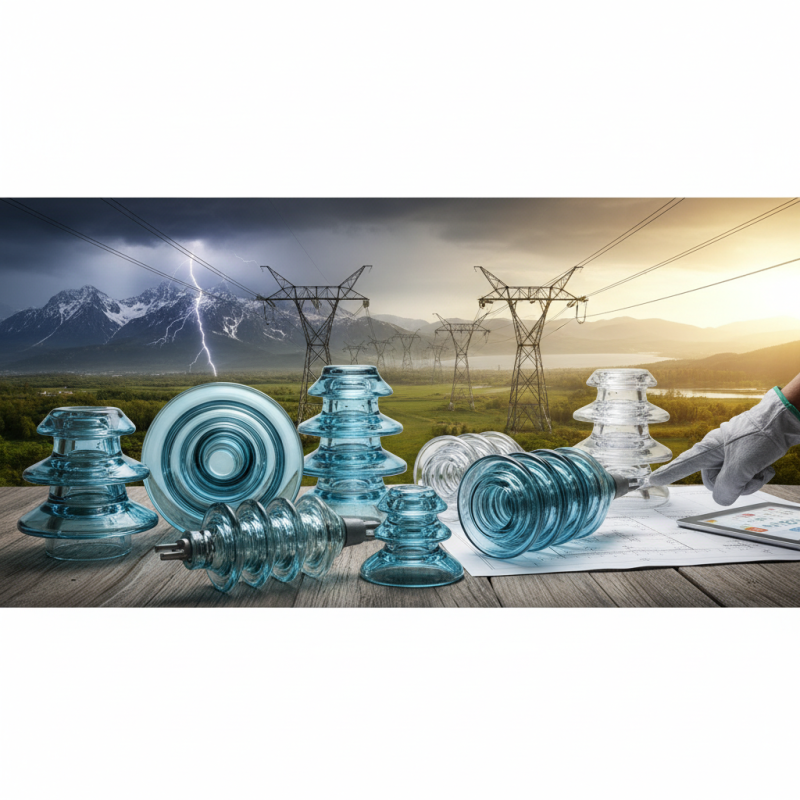
Understanding Disc Glass Insulators: Overview and Applications
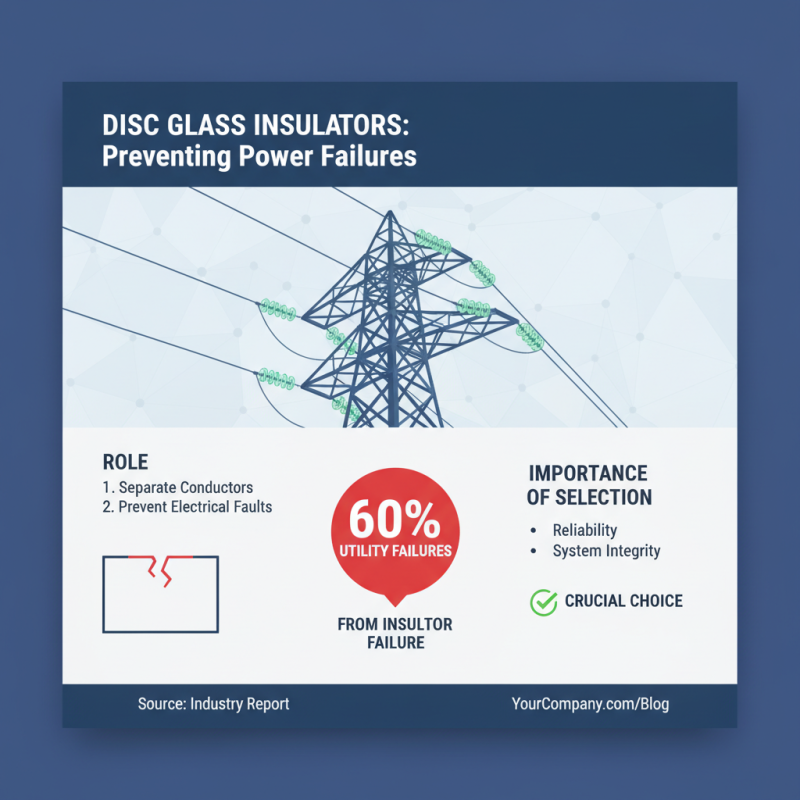
Disc glass insulators are pivotal in electrical transmission and distribution systems. They separate conductive materials from the ground, preventing electrical faults. A recent industry report indicates that nearly 60% of utility failures stem from insulator failure. Thus, selecting the right insulator is crucial.
Understanding the applications of disc glass insulators helps in making informed choices. They are primarily used in high-voltage environments due to their durability and weather resistance. With a dielectric strength exceeding 20 kV/mm, they excel in extreme conditions. However, the aesthetic aspect often gets overlooked; clear glass can shatter under certain pressures.
It is essential to consider environmental factors in your selection. Some insulators perform poorly under high moisture or pollution. A study has shown that insulators may be compromised after only five years in heavily polluted areas. Review installation locations and long-term performance data to ensure reliability. Reflect on past projects; choose wisely to prevent costly replacements or downtime.
Key Factors to Consider When Choosing a Disc Glass Insulator
Choosing the right disc glass insulator involves several key factors. First, consider the voltage requirements of your project. Insulators come in various voltage ratings. You need to match the insulator to your system's needs. A mismatch can lead to failures or safety hazards.
Material quality is another significant factor. Not all glass insulators are created equal. Look for insulators made of high-strength glass. These insulators handle environmental stresses better. Additionally, inspect for defects or imperfections, as they can compromise performance.
Tip: Check the weather conditions in your area. Insulators must withstand wind, rain, and snow. For high-wind areas, choose insulators designed for extra strength. They offer better durability.
Also, consider how the insulator attaches to your poles. You might need a specific fitting type. A poor fit can lead to breakage. Ensure compatibility with your installation setup. Understanding these factors makes your selection process smoother and more effective.
Types of Disc Glass Insulators and Their Use Cases
When selecting a disc glass insulator, understanding the types available is key. There are four main categories: suspension, pin, strain, and shackle insulators. Each type has specific use cases based on electrical requirements and environmental factors. Suspension insulators are crucial in high-voltage lines, effectively managing tension and preventing contact with grounded structures. According to industry data, about 85% of high-voltage installations utilize suspension models.
Pin insulators are designed for lower voltage applications, typically on wooden or concrete poles. They are more common in rural areas. Strain insulators help manage the tension on overhead lines, especially in longer spans. Shackle insulators are used in connecting wires to other components. Their design helps minimize the risk of electrical failure, especially during storms.
Tips: Always assess environmental conditions before making a choice. Humidity and temperature can impact performance. Check for compliance with local regulations to prevent costly alterations later. Sometimes, opting for a specific insulator might seem beneficial, but it’s essential to ensure it fits your project's unique requirements. Balancing cost and performance can be challenging, but the right decision saves time and resources. Aligning insulator specifications with project needs is vital for long-term reliability.
Evaluating Environmental Conditions for Insulator Selection
When selecting disc glass insulators, evaluating environmental conditions is critical. Various factors affect performance, such as pollution levels, humidity, and temperature swings. Studies show that insulators in coastal areas face higher pollution, increasing breakdown risk. Insulators used in such conditions should meet specific standards to reduce failure rates.
Humidity is another vital element. According to industry reports, high humidity areas can lead to conductive paths on insulator surfaces. A study from the National Electrical Safety Code (NESC) highlights that moisture accumulation can reduce an insulator’s lifespan by up to 30%. Therefore, using hydrophobic materials helps mitigate this issue.
Pollution levels should also guide your insulator choice. Urban areas often have higher pollution, necessitating insulators designed for such environments. Some reports state that pollution can decrease the electrical strength of insulators by 15%. Regular inspections may not be enough in aggressive conditions. Understanding these environmental impacts is essential for ensuring long-term reliability and performance.
How to Choose the Right Disc Glass Insulator for Your Project - Evaluating Environmental Conditions for Insulator Selection
| Environmental Condition | Insulator Type | Voltage Rating (kV) | Pollution Level | Diameter (mm) |
| Coastal Area | Standard Disc Insulator | 15 | High | 220 |
| Industrial Environment | Heavy Duty Insulator | 25 | Moderate | 250 |
| Mountainous Area | High-Altitude Insulator | 30 | Low | 210 |
| Urban Area | Standard Disc Insulator | 20 | Moderate | 200 |
| Desert Region | Heat-Resistant Insulator | 35 | Low | 230 |
Assessing Voltage Ratings and Electrical Specifications
When selecting a disc glass insulator, voltage ratings are crucial. These ratings determine how much electric potential the insulator can handle. A higher voltage insulator is necessary for demanding projects. Overestimating required voltage can lead to structural failures. Conversely, underestimating it risks electrical hazards. It’s essential to match the insulator's specifications with the voltage in your system.
Consider the materials used in the insulator’s construction. Glass is robust but can be brittle. Improper handling might lead to chips or cracks. Inspect insulators for visible defects before installation. Environmental factors, like moisture, also impact the performance of glass insulators. Ensure they are rated for your specific conditions.
Don’t forget about electrical specifications beyond voltage. Insulation resistance matters too. High resistance prevents current leakage, reducing the risk of failures. Testing these factors can feel overwhelming. But taking the time to assess details saves headaches later. Sometimes, a project’s budget influences quality choices. Trusting instinct is important, but a detailed evaluation is key.
Comparing Performance: Glass Insulators vs. Other Materials
When selecting a disc glass insulator, performance comparison is crucial. Glass insulators have several advantages over materials like porcelain and polymer. They offer superior electrical insulation properties, with a dielectric strength often exceeding 60 kV/cm, according to industry studies. This makes them ideal for high-voltage applications.
In challenging environments, glass insulators resist environmental stress better than many alternatives. Studies show that glass can maintain its integrity at temperatures ranging from -60°C to 90°C. Meanwhile, porcelain may crack under extreme conditions, leading to potential failures. However, glass is heavier, which demands robust supporting structures.
Despite these benefits, glass insulators can face challenges. The fragility of glass requires careful handling during installation. Reports indicate that installation errors can lead to material breakage, resulting in downtime. In some applications, high weight limits can also complicate logistics. This reality calls for careful project planning, especially when deciding on insulator materials.
Performance Comparison of Disc Glass Insulators and Other Materials
Installation Tips and Best Practices for Disc Glass Insulators
When installing disc glass insulators, attention to detail is crucial. The right placement ensures optimal performance. Misalignment can lead to electrical failures. Reports indicate that nearly 30% of insulator issues stem from improper installation. This statistic highlights the importance of following best practices during the process.
Use a torque wrench to ensure the insulators are securely fastened. Over-tightening can cause cracks, while under-tightening may lead to loose connections. It's a delicate balance. According to industry studies, insulators should be checked regularly for signs of wear or damage. This proactive approach can save time and resources.
Consider the environmental factors that affect your installation site. Humidity, temperature, and pollution levels can impact insulator performance. Using shields and protective covers can mitigate these issues. Understand local weather patterns to make informed decisions. In some regions, extreme conditions can reduce the lifespan of insulators significantly. Regular maintenance is a must, ensuring longevity and reliability.
Optimizing Transmission Line Performance with 240kN U240B Standard Suspension Glass Disc Insulators
In the realm of power transmission, the selection of high-quality insulators is paramount to optimizing performance and ensuring the reliability of transmission lines. The U240B standard suspension glass disc insulator, with its impressive 240kN load capacity, is engineered to meet the rigorous demands of modern power supply systems. Its robust construction not only offers superior mechanical strength but also enhances the overall insulation effectiveness, which is critical in high-voltage applications.
The toughness of the U240B insulator is a notable feature that contributes to its long lifespan and durability in various environmental conditions. Its glass composition provides excellent resistance to weathering, electrical stress, and mechanical impacts, ensuring that transmission lines maintain operational stability. By utilizing such high-performance insulators, power utilities can improve their transmission efficiency, reduce maintenance costs, and ultimately deliver more reliable service to consumers. The strategic implementation of the U240B insulator is a key factor in advancing the infrastructure necessary for modern electrical grids.
FAQS
: The product aims to improve daily activities and enhance user productivity.
Follow the user guide. Start with small tasks. Gradually progress to complex ones.
Always use in a well-ventilated area. Avoid contact with moisture.
Troubleshoot with basic checks. Restart the product. Reach out for support if needed.
Yes, it suits various environments, like home and office. Adapt its use to your needs.
A limited warranty usually covers manufacturing defects. Keep your receipt for claims.
Use a soft cloth. Avoid harsh chemicals. Regular maintenance prolongs its lifespan.
Review the instructions again. Adjust settings. Remember, results may vary from user to user.
Some users might find it challenging at first. Practice helps in mastering its features.
Longevity depends on usage and care. Regular maintenance can lead to better durability.
Conclusion
This article provides a comprehensive guide on how to choose the right Disc Glass Insulator for various projects. It begins by outlining the fundamental characteristics and applications of disc glass insulators, highlighting their significance in electrical systems. The article emphasizes the key factors to consider during selection, such as environmental conditions and voltage ratings, which are critical to ensuring optimal performance.
Furthermore, it categorizes different types of disc glass insulators and their specific use cases, helping readers understand their advantages compared to insulators made from other materials. Additionally, the piece offers practical installation tips and best practices to enhance the longevity and effectiveness of the disc glass insulator in diverse settings. By carefully evaluating these aspects, one can make an informed decision when selecting the most suitable disc glass insulator for their needs.