Picking the right Glass Isolator U160BMa really matters if you want your optical setups to work smoothly. Think of it like a protective shield—keeping your sensitive parts safe from any pesky disturbances. But here’s the thing: choosing the right one isn’t just about picking any model. You need to get a feel for what your system actually needs—things like the wavelength you're working with, power levels, and how precise your alignment has to be.
The U160bma model is pretty popular because it’s reliable and does the job well. Still, it’s essential that it matches your specific requirements perfectly. When you’re looking at options, don’t forget to check things like how much signal loss there is and how well it isolates. It’s also a good idea to go for reputable brands that really know their stuff when it comes to optical tech—that way, you’ll get a product that lives up to industry standards.
Think back to your past experiences with optical components—were they smooth sailing, or did you run into issues? Did they do what you needed them to do? Reflecting on that kind of stuff helps you make a smarter choice. At the end of the day, picking the right Glass Isolator U160bma isn’t just about performance; it’s about making your whole system more reliable and lasting longer.
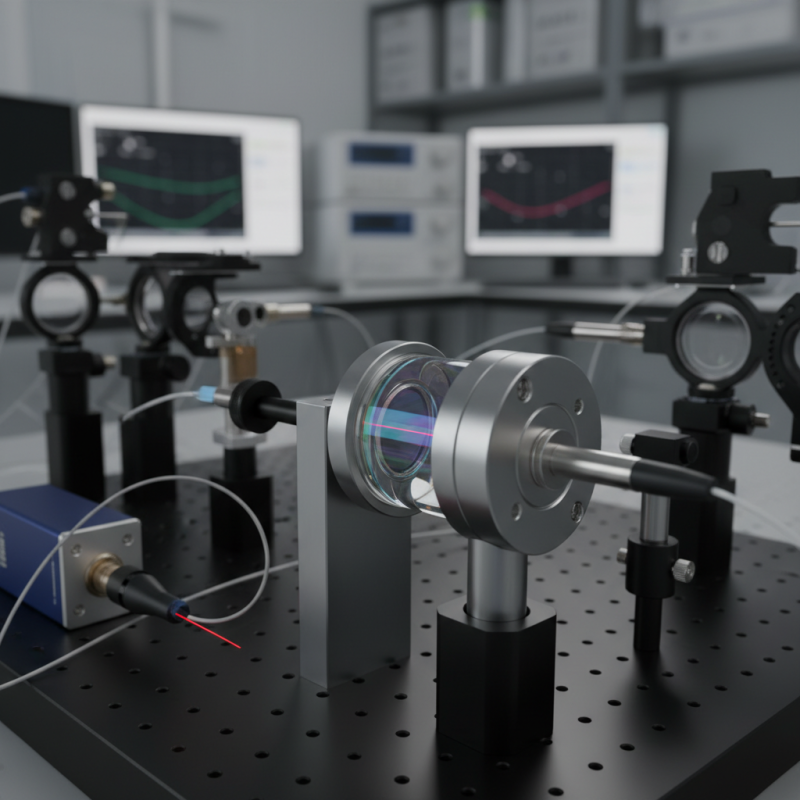
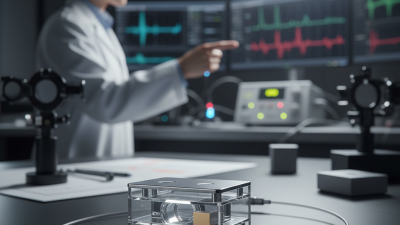
glass isolators are essential components in optical systems. They function by preventing back reflections, which can disrupt sensitive equipment. When light passes through these isolators, they allow it to move in one direction while blocking any light trying to come back. This unidirectional property is crucial in maintaining the integrity of optical signals.
In an optical setup, the effectiveness of a glass isolator greatly influences performance. The U160bma model is specifically designed for glass applications. It is built to minimize insertion loss while maximizing isolation. Users often overlook the importance of wavelength compatibility and power handling capabilities. These factors are vital to prevent damage and ensure optimal operation.
Experience shows that choosing the right isolator requires careful consideration. An isolator must fit the specific application needs. Misjudgments in specifications can lead to inefficiencies. Testing in real-world scenarios might reveal unforeseen issues. Learning from these experiences can significantly enhance decision-making for future purchases.
When selecting a glass isolator like the U160bma, key specifications play a crucial role. The isolator’s bandwidth is essential for optimizing performance. A wider bandwidth can enhance signal integrity and reduce distortion. However, this can lead to challenges in managing out-of-band signals. Understand your application’s needs to find a balance.
Another important factor is the isolation level. A high isolation level minimizes cross-talk and protects sensitive components. But achieving this often requires careful design considerations. Evaluate power handling capacity as well. An isolator with insufficient power capacity can damage connected devices. Look for a model that matches your specific requirements.
It's also worth considering the physical dimensions of the glass isolator. Compact designs save space but may compromise on power handling. Reflect on your installation environment. Does it allow for ventilation? Lastly, think about the temperature range. Operating outside the specified range could affect performance. Each detail matters in choosing the right glass isolator for your needs.
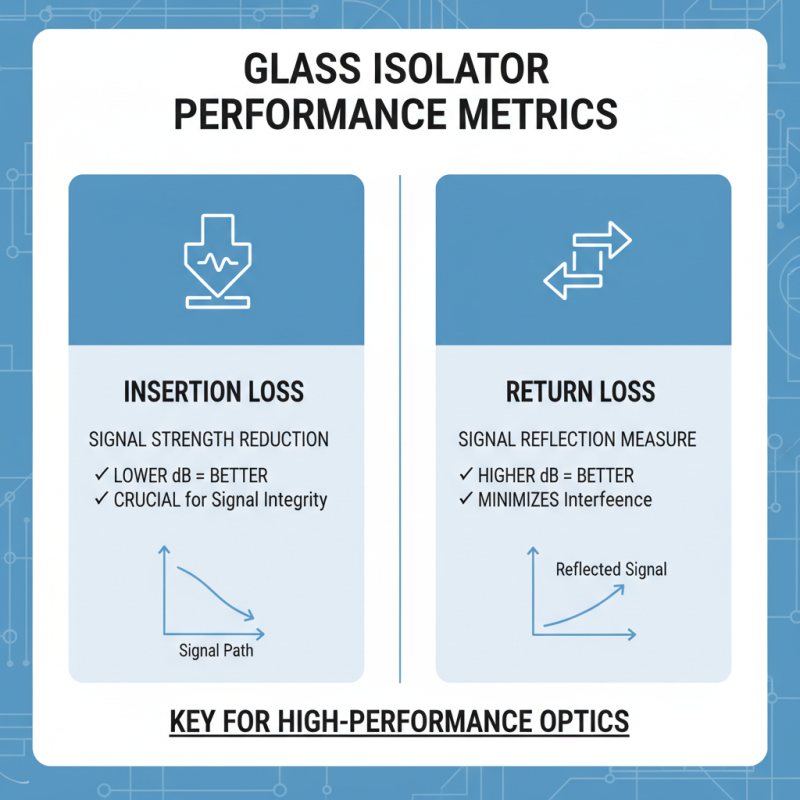
When choosing the right glass isolator, evaluating insertion loss is key. Insertion loss measures how much signal is lost as it passes through the device. A lower insertion loss means better performance. For applications requiring high signal integrity, look for isolators with minimal insertion loss.
Return loss is another critical factor. It indicates how much of the signal is reflected back towards the source. High return loss values suggest better isolation and less reflection. In optical systems, even small reflections can disrupt performance. When selecting an isolator, check specifications for both insertion and return loss carefully.
Real-world testing often reveals discrepancies between theoretical values and practical outcomes. Field measurements may show higher insertion losses than expected. Understanding your specific application helps in making the right choice. Consider the environmental factors and installation techniques as they can affect performance. Always seek expert advice if uncertain. Adjusting your selection based on feedback can lead to better results over time.
When selecting a glass isolator like the U160bma, understanding the wavelength range is crucial. Studies show that wavelength range impacts isolation efficiency. For instance, isolators need to perform effectively in specific wavelength bands. A narrow band may lead to suboptimal performance in applications requiring broader wavelengths.
Research indicates that isolators with a specified wavelength range can enhance system stability. For optical systems operating in the 800-900 nm range, effective isolation can exceed 30 dB. This highlights the importance of choosing an isolator that matches your operational parameters. Consider the consequences of mismatched wavelengths. Significant attenuation may occur, leading to signal losses and decreased system reliability.
Additionally, environmental variables can affect performance. Factors like temperature and humidity can shift the effective wavelength range. This emphasizes the need for reliable isolators. The glass material and coating play a role here. A mismatch can result in unexpected reflections. Users must be critical, ensuring the chosen isolator supports their specific applications. Crafting an informed choice involves thorough analysis of wavelength requirements and anticipated operational conditions.
When selecting a glass isolator like the U160bma, power handling capabilities are crucial. Understanding the power ratings helps you choose one that suits your specific application. Too much power can lead to failures. Too little can cause inefficiencies or equipment damage. Hence, assessing the isolator's limits is vital.
Look for the maximum power capacity specified in the isolator's datasheet. This information provides essential insight into safe operation. Different applications demand different power levels. Not every isolator is designed for high power environments. Consider your operational parameters carefully. They define how the isolator will perform under stress.
It's also necessary to consider peak power handling. Sometimes, short bursts of higher power occur. The isolator should be able to handle these spikes without compromising safety. Always review the installation environment. Heat management may play a role in performance consistency. Proper air circulation might be necessary. Evaluate these factors alongside power capability. An isolator that doesn’t meet your needs can lead to significant issues. Reflection on these details ensures you choose wisely.
When choosing the right glass isolator U160bma, temperature stability is crucial. Some applications require consistent thermal performance. Fluctuations can affect measurements and outcomes. Certain environments expose isolators to extreme temperatures. Therefore, it is vital to consider the ambient conditions where the isolator will function.
Humidity is another factor that cannot be overlooked. High moisture levels may lead to contamination. Ensure the isolator’s materials can withstand such challenges. Consider using coatings or seals that provide moisture resistance. This is especially important in industrial settings.
Tips: Always consult with experts in the field. They can offer insights on the best practices. Consider environmental factors carefully. Assessing specific site conditions helps narrow down your choices. Regularly review performance data over time. This ensures your isolator continues to meet your needs effectively. Unexpected failures can occur if conditions change. Stay proactive to maintain reliability.
When selecting a glass isolator, the choice of manufacturer plays a pivotal role. Quality and reliability are essential factors that can significantly impact performance. Many manufacturers may claim to produce high-quality isolators, but it’s vital to research their track record. Look for manufacturers with proven experience in the industry.
One way to assess a manufacturer’s credibility is through customer reviews and testimonials. These insights can provide a glimpse of the product's effectiveness. Additionally, consider their warranty policies. A solid warranty indicates confidence in product reliability.
Evaluating production processes and sourcing materials is crucial too. Quality materials lead to better performance and durability. Ask about their testing procedures for isolators. This transparency can help build trust. Remember, even reputable manufacturers can have flaws. It’s essential to reflect on your specific needs and requirements before making a final decision. Ultimately, being informed can lead you to the right choice.
| Specification | Value | Importance |
|---|---|---|
| Frequency Range | 10 KHz - 6 GHz | Critical for signal integrity |
| Insertion Loss | Low loss for optimal performance | |
| Power Handling | 100 W | Ensures durability under load |
| Temperature Range | -40°C to +85°C | Versatility in diverse environments |
| Connector Type | SMA, N-Connector | Compatibility with existing systems |
| Material | Aluminum, Glass | Impact on weight and performance |
| Size | 2 x 2 x 1 inches | Fits in various configurations |
| Certifications | RoHS, CE | Assurance of quality and safety |
: The wavelength range impacts isolation efficiency and system stability. Mismatched ranges can lead to performance issues.
Temperature fluctuations can affect measurements. Consistent thermal performance is crucial for accurate outcomes.
High humidity may cause contamination. It is essential to ensure isolator materials can resist moisture.
Research their track record and read customer reviews. Look for proven experience in the industry.
Testing transparency indicates product reliability. Quality materials ensure better performance and durability.
Poor choices can lead to significant signal losses and decreased system reliability. Reflect on your needs before deciding.
Regular reviews are essential for maintaining effectiveness. Conditions may change and affect performance unexpectedly.
Consider wavelength range, temperature, and humidity. Ambience affects how well your isolator performs over time.
Yes, experts can provide valuable insights and best practices based on specific site conditions and needs.
Conduct thorough analyses of wavelength requirements and operational conditions. Informed choices lead to better results.
The article "How to Choose the Right Glass Isolator U160bma for Your Needs?" provides a comprehensive guide to selecting the appropriate Glass Isolator U160bma for various optical applications. It explains how the device functions within optical systems, emphasizing its key specifications necessary for performance optimization. The evaluation of insertion loss and return loss is discussed, highlighting their significance in achieving efficient isolation.
Furthermore, the article delves into the importance of the wavelength range and power handling capabilities to ensure safe and effective operation. Considerations regarding temperature stability and environmental factors are also examined, offering insights into maintaining optimal performance. Lastly, selecting a reliable manufacturer is underscored, reinforcing the need for quality and dependability in glass isolators to meet specific technical requirements. This comprehensive assessment serves to assist professionals in making informed decisions when acquiring a Glass Isolator U160bma.