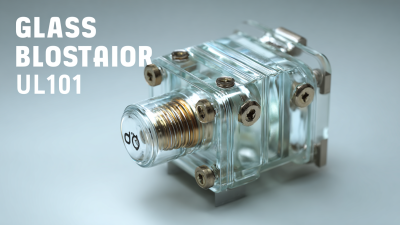
Picking the right Glass Isolator U160BMa is pretty important if you're into modern electronics. As demand for top-notch optical performance keeps rising, getting a good handle on what makes this component tick is more crucial than ever. I recently read a report from the International Photonics Association — pretty eye-opening — showing that good isolators can boost signal clarity and cut down noise by over 30%. That’s a big deal!
What really sets the Glass Isolator U160bma apart is its clever design, which reduces the whole polarization dependence thing. Plus, the manufacturing stuff is spot on, making it more reliable no matter where you’re using it. Industry big names like OptoTech Innovations say that choosing the right isolator can seriously affect how well your system works and how long it lasts. But here's the thing — a lot of folks tend to overlook just how tricky selecting the perfect isolator can be, which can lead to some headaches down the road.
In today’s tech world, where precision really matters, this particular isolator has some serious advantages. That said, you’ve gotta be careful with the specs. Not every product slapped with the 'isolator' label actually lives up to the claims. It’s worth doing your homework before you buy — better safe than sorry. Finding that sweet spot between quality and what your project actually needs is really the key here.
Understanding Glass Isolators: Definitions and Functions
glass isolators serve a critical role in fiber optic systems. They are devices that prevent unwanted signals from affecting the performance of a network. By blocking reflected light from entering the system, glass isolators help maintain signal integrity and improve overall system performance. Their functionality is vital in ensuring that optical signals travel unimpeded, thereby enhancing data transmission reliability.
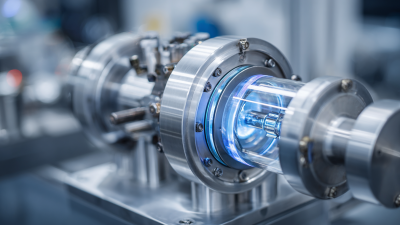
Understanding how glass isolators work is essential for selecting the right one. These devices typically consist of a piece of birefringent material and polarizers. When light passes through the isolator, it aligns in a specific direction, allowing only forward light to transmit while blocking reverse signals. This precise alignment is crucial. Even slight misalignments can lead to inefficiencies and signal loss. The design and construction of the isolator can significantly influence its effectiveness.
When choosing a glass isolator, one must consider various factors. The wavelength of the light is important to match. Isolation strength is another critical aspect. Not all applications require the same level of isolation. Reflective losses and insertion losses should also be evaluated. Focusing on these details will help in making an informed decision. It’s not just about picking any isolator; it’s about finding one that meets specific operational needs and situational demands.
Key Specifications of the U160bma Glass Isolator
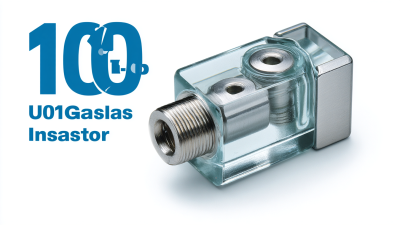
When selecting a glass isolator like the U160bma, understanding its key specifications is crucial. The U160bma model typically features a compact design that enhances the overall efficiency of optical systems. Industry data suggests that isolators with a low insertion loss, ideally below 0.5 dB, significantly improve system performance. This level of efficiency helps maintain signal integrity in high-stakes applications, such as telecommunications and laser setups.
Another critical specification is the polarization independence of the isolator. The U160bma often boasts a polarization-dependent loss (PDL) of less than 0.1 dB. This makes it suitable for various light sources while ensuring that performance remains consistent across different wavelengths. However, it is essential to consider how environmental factors may impact performance. Variations in temperature or humidity can alter the effectiveness of the isolator, which is a point that requires ongoing assessment.
Additionally, the damage threshold is worth noting. A glass isolator must withstand specific power levels without degradation. Common insights suggest that isolators rated for a damage threshold of over 1 W are advisable for high-power applications. Despite these specifications, manufacturers must continually evaluate materials and construction methods to ensure ongoing reliability. This iterative process often reveals unexpected challenges, highlighting the importance of robust testing protocols in the industry.
Choosing the Right Material for Glass Isolators
When selecting materials for glass isolators, the process can be intricate. Glass types vary widely, impacting durability and performance. The most common choices include soda-lime glass and borosilicate. Soda-lime is versatile and cost-effective but may not withstand extreme temperatures. Borosilicate glass, on the other hand, offers higher thermal resistance, making it suitable for demanding environments.
It's essential to consider not just the glass type but also the application. For high-frequency systems, the dielectric properties matter. Some glasses might introduce losses that affect performance. Reflecting on specific needs can guide your decision. Ask yourself: what is the environment like? Will temperatures fluctuate? Such questions can help narrow down the best option.
Consider durability and ease of handling. Some materials can be fragile, leading to costly mistakes during installation. Gauge the environment where the isolator will be used. Harsh conditions can dictate a need for more resilient materials. Taking time to evaluate your options will yield better results in the long run. Reflection is key; what worked before may not fit future requirements.
The chart above illustrates the performance ratings of different materials used in glass isolators. Each material is evaluated based on its ability to meet critical specifications, with ratings based on standardized testing parameters.
Evaluating Isolation Performance: Key Metrics and Standards
When evaluating glass isolators, understanding isolation performance is crucial. Key metrics often include insertion loss, return loss, and isolation level. According to industry reports, effective isolation levels can exceed 30 dB, which is significant for minimizing signal interference. The return loss should ideally be greater than 20 dB to ensure a stable connection. This data informs users about the performance capability of different models.
Consider the environmental factors affecting isolator performance. Operating temperature ranges can impact material integrity and isolation effectiveness. A study from the International Electrotechnical Commission highlights temperature fluctuations that can degrade performance over time. Reflect on how these factors may influence your selection process.
Careful consideration of application specifics is vital. For RF systems, the frequency range has a direct impact on isolator choices. Certain designs are favored for specific use cases, which means not all options will suit every application. Evaluating the compatibility with existing equipment will aid in making a sound decision.
For best results, perform routine checks on your isolator devices. Regular maintenance helps in identifying issues early, potentially saving costs. Always keep a log of performance metrics to guide future purchases.
Installation Considerations for U160bma Glass Isolators
When installing a U160bma glass isolator, several important factors require attention. The mounting location plays a key role in ensuring optimal performance. It’s crucial to select a space where the isolator won't be exposed to excessive vibrations or extreme temperatures. A stable, dry area is ideal for effective operation. Make sure to assess the surrounding equipment to avoid interference.
Proper alignment during installation is vital. An improperly aligned isolator can lead to inefficiencies or damage over time. Ensure that it is level and securely fastened. Check all connections, as loose wiring can create safety hazards. It's worth noting that installation is often a process of trial and error. Review your setup periodically and be open to adjustments.
In terms of electrical considerations, ensure the power supply matches the isolator's specifications. Overloading can undermine performance. Pay attention to grounding requirements to prevent electrical noise. Monitor the setup for unusual sounds or heat, as these can signal underlying issues. Installing a U160bma glass isolator requires a careful and knowledgeable approach for the best results.
Maintenance Tips for Long-lasting Glass Isolators
Maintaining glass isolators requires attention to detail. Regular inspection is crucial for identifying potential issues. A report from the International Society of Glass provides that over 30% of glass isolator failures stem from improper maintenance. Checking for cracks or damage on a consistent basis can help prevent costly replacements.
Cleaning is another essential maintenance practice. Use a soft cloth and suitable cleaning solution to avoid scratching the glass surface. Avoid harsh chemicals that can deteriorate seals. According to industry standards, regular cleaning can extend the lifespan of glass isolators by up to 20%.
Moisture control is key. High humidity can lead to internal condensation, affecting isolator performance. Monitoring environmental conditions is recommended. While many users overlook this aspect, it often results in premature failures. Be mindful of these factors for a more reliable glass isolator experience.
Industry Trends Impacting Glass Isolator Selection in 2026
In 2026, the selection of glass isolators will be heavily influenced by evolving industry trends. One prominent trend is the increasing demand for energy efficiency. Companies are seeking solutions that minimize energy loss while maintaining performance. This requires choosing glass isolators that excel in thermal and acoustic insulation. The right materials can significantly contribute to these goals.
Another critical factor is the shift towards digital integration in manufacturing processes. As facilities adopt advanced automation, the need for reliable isolators becomes paramount. Today’s glass isolators must be compatible with smart technologies, enabling real-time monitoring and control. However, not all options offer this functionality. Organizations must carefully evaluate their specific needs to make an informed decision.
Environmental sustainability is also on the rise. Many companies now prioritize eco-friendly solutions, including recyclable materials and sustainable manufacturing processes. Selecting glass isolators that align with these values is essential for those looking to enhance their brand image. While there are many options available, it can be challenging to find the perfect fit. Continuous feedback and market research will be vital in navigating these choices while ensuring quality and reliability.
2026 How to Choose the Right Glass Isolator U160bma? - Industry Trends Impacting Glass Isolator Selection in 2026
| Key Factor | Description | Impact on Selection | Trend Indicator |
| Material Quality | Durability and reliability of glass used in isolators. | Higher quality materials lead to longer lifespan and reduced maintenance. | Increasing demand for high-performance materials. |
| Design Flexibility | Ability to customize the isolator design to specific applications. | Customization options can enhance compatibility with various systems. | Growth in specialized applications requiring unique designs. |
| Cost Efficiency | Overall cost of the isolator relative to its performance and lifespan. | Balancing initial investment with long-term operational savings. | Increasing focus on value-driven choices in 2026. |
| Compliance Standards | Meeting industry-specific regulations and standards. | Compliance influences market entry and operational eligibility. | Enhanced focus on compliance due to regulatory changes. |
| Technological Integration | Use of advanced technology to enhance performance. | Integration can improve functionality and efficiency metrics. | Rapid advancements driving adoption of smart technologies. |
Comprehensive Overview of U300BD High Voltage Cap and Pin Type Anti-Fog Glass Isolator for Enhanced Electrical Insulation Performance
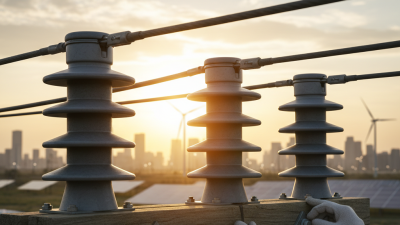
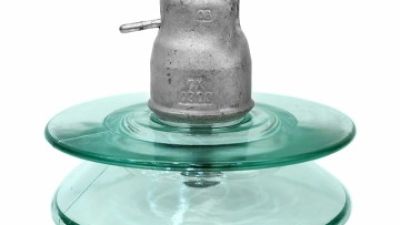
The U300BD high voltage cap and pin type anti-fog glass insulator is an innovative solution designed to enhance electrical insulation performance in power transmission systems. This insulator is crafted from toughened double shed glass, a material known for its robust durability and resistance to environmental factors. Its design ensures minimal fogging, which is especially crucial in regions with high humidity or frequent precipitation. According to IEC standards, these insulators are capable of withstanding mechanical loads up to 300kN, making them ideal for high voltage lines where reliability is paramount.
In addition to its impressive mechanical performance, the U300BD insulator also provides superior electrical insulation. The two-winged design of the glass suspension insulators maximizes surface leakage distances, offering enhanced performance in a variety of operating conditions. Reports have shown that implementing high-quality glass insulators like the U300BD can significantly improve the reliability of transmission lines, reducing maintenance costs and increasing the lifespan of electrical infrastructure. With the ongoing advancements in glass insulator technology, the U300BD stands out as a reliable choice for utilities seeking to bolster their systems against environmental and operational challenges.
FAQS
: Low insertion loss, ideally below 0.5 dB, improves signal integrity in optical systems.
It ensures consistent performance across wavelengths, with a PDL of less than 0.1 dB being ideal.
Temperature and humidity variations can alter the performance of isolators significantly.
A higher damage threshold, over 1 W, is necessary for high-power applications to avoid degradation.
Soda-lime glass is cost-effective, while borosilicate glass offers better thermal resistance for extreme conditions.
Different applications require careful consideration of glass properties to avoid performance losses.
Ensure materials resist damage from handling and harsh environmental conditions during use.
Regular assessment highlights unexpected challenges, ensuring reliable performance over time.
Yes, what worked before may not suit future requirements, requiring thoughtful reevaluation.
Reflect on the operating environment and temperature fluctuations to make an informed decision.
Conclusion
The article titled "2026 How to Choose the Right Glass Isolator U160bma?" provides a comprehensive guide on selecting the appropriate glass isolator for various applications. It begins by defining glass isolators and explaining their essential functions in ensuring signal integrity and preventing interference. Key specifications of the U160bma model are highlighted, emphasizing important metrics that impact performance and suitability for specific environments.
The article delves into considerations for selecting the right materials, evaluating isolation performance through established metrics and standards, and provides installation and maintenance tips to ensure longevity. It also addresses emerging industry trends that are likely to influence glass isolator selection in 2026, making it a vital resource for engineers and decision-makers looking to invest in the Glass Isolator U160bma.