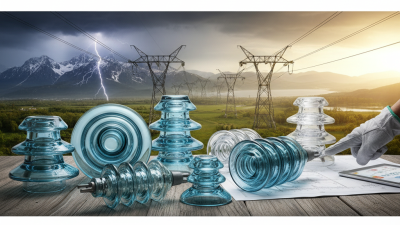
When you're picking out components for electrical systems, it's pretty common to feel a bit unsure about what to choose. Among all the options out there, the Suspension Disc Insulator definitely catches your eye. It’s known for being reliable and working well in a bunch of different environments. Basically, it’s a key part of power transmission lines, giving that much-needed support.
Companies like XYZ Insulators have been around for decades, and they've really honed their craft. They make sure their Suspension Disc Insulators live up to strict industry standards, which helps build trust in what they’re offering. These insulators are crucial—they prevent electrical sparks, keep things safe, and protect the equipment that depends on them.
Of course, some folks might still wonder if these insulators really last long or hold up in really tough conditions. That’s why thorough testing is so important—they help clear up those concerns. Still, there’s always room for more research and innovation to make these products even better when things get really harsh. By understanding both what they do well and where they might fall short, you can make smarter choices for your electrical needs.
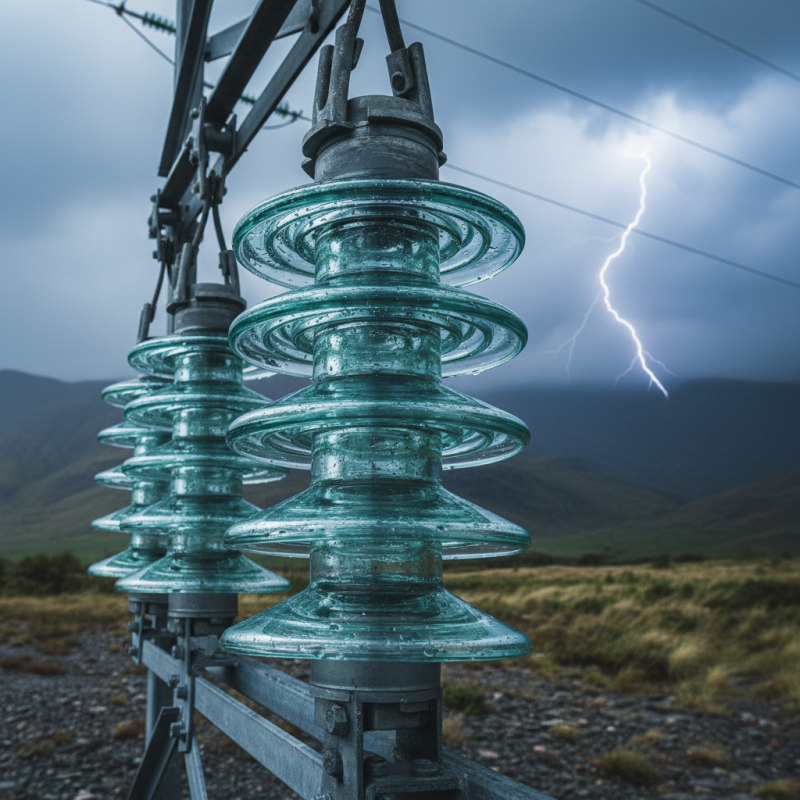
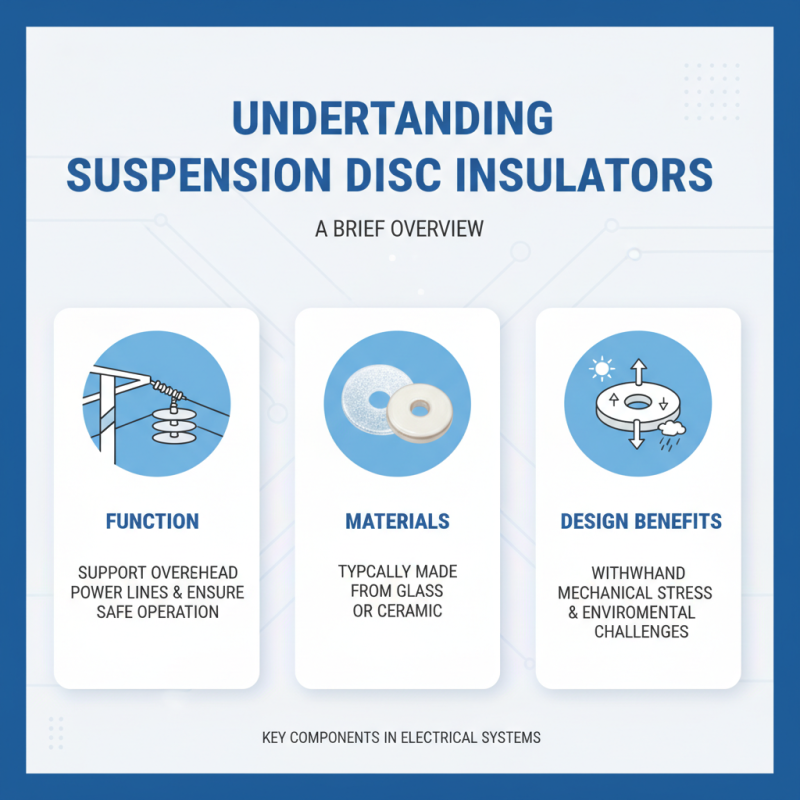
Suspension disc insulators are key components in electrical systems. They support overhead power lines and ensure safe operation under various conditions. These insulators are circular and typically made from materials like glass or ceramic. Their design allows them to withstand mechanical stress and environmental challenges.
The performance of suspension disc insulators depends on their material and construction. For example, glass insulators tend to resist pollution better than ceramic ones. However, they also require careful handling to prevent breakage. Regular inspections are crucial. Small cracks or chips can compromise their reliability. Understanding these factors helps in selecting the right insulator for specific needs.
Electricity travels through these insulators, making their role critical. They must provide reliable performance over time. However, not all installations meet this requirement. External factors like weather and humidity can affect their lifespan. Regular assessments can help identify potential issues before they lead to failures.
Suspension disc insulators are essential in electrical systems. They provide reliable support for conductors in overhead power lines. These insulators help isolate the electrical components from the grounding surface. This ensures safety and efficiency.
One key benefit is their durability. Made from tough materials, they resist environmental stress. This includes temperature fluctuations and humidity. Suspension disc insulators can last many years with proper maintenance. However, some may wear over time, requiring regular inspections. It's critical to keep an eye on their condition.
Another advantage is their flexibility. These insulators can adjust to various angles. This feature is crucial in areas with geographical challenges. It allows for better alignment of the power lines. They also help reduce the risk of line snapping during high winds. Yet, careful planning is needed to avoid misalignment. Overall, suspension disc insulators play a vital role in maintaining optimal electrical performance.
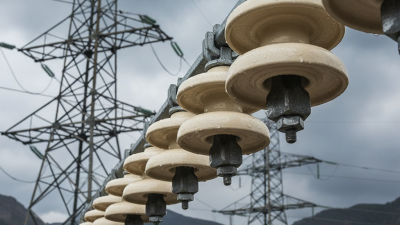
Suspension disc insulators are vital for electrical applications. They support overhead conductors while resisting environmental pressures. The design ensures efficient performance in various climates. Made from materials like glass and porcelain, these insulators excel in durability and electrical insulation.
The shaping of suspension disc insulators is crucial. Their curved surfaces minimize the impact of environmental factors, such as wind and ice. Each insulator is tested to withstand extreme conditions. However, imperfect manufacturing can lead to failures. Inspecting each piece is essential.
Choosing the right insulator involves understanding its properties. The material used affects both performance and longevity. While glass insulators provide excellent visibility and reliability, porcelain ones offer superior strength. It’s important to evaluate the intended use. Each application may demand different attributes from insulators. Understanding these nuances can better meet electrical needs.
Suspension disc insulators are vital in power transmission systems. They ensure reliable and safe operation by supporting overhead conductors. These insulators are designed to handle high voltage and resist environmental stress. Their unique design allows them to effectively manage tension and maintain the integrity of the electrical lines.
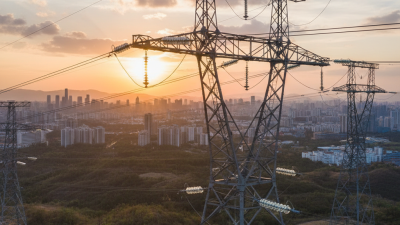
The applications of suspension disc insulators are varied. They are commonly used in overhead transmission lines, where they prevent electrical contact with the supporting structures. This separation is crucial for safety and efficiency. Additionally, they are used in substations, providing insulation between components. Their ability to withstand extreme weather conditions makes them a popular choice.
However, there are challenges with suspension disc insulators. Maintenance can be an issue, especially in rugged environments. Insulators can accumulate dirt and pollution, reducing their effectiveness. Regular inspections are necessary to ensure their functionality. Understanding these factors is essential in optimizing their performance and reliability in power transmission.
When evaluating insulators for electrical applications, suspension disc insulators emerge as a reliable choice. They are designed to withstand harsh environmental conditions. Their strength lies in their ability to support heavy loads while providing excellent electrical insulation. Suspension disc insulators resist environmental stress better than some polymer insulators. They are particularly effective in high-voltage systems.
In contrast to traditional pin insulators, suspension disc insulators offer greater flexibility in installations. They can be arranged in various configurations to meet unique transmission needs. This adaptability can lead to improved system efficiency. However, one must consider the potential drawbacks. The installation process may be more complex and require specialized techniques. Ensuring proper alignment and tension is crucial.
The long-term performance of suspension disc insulators is another aspect worth reflecting on. While they typically have a long lifespan, factors like pollution and weather can affect their reliability. Regular maintenance and inspections are necessary to mitigate risks. Each type of insulator has its pros and cons, highlighting the need for careful selection based on specific project requirements.
When considering suspension disc insulators, installation and maintenance are crucial. Proper installation directly impacts their performance and durability. Ensure that the insulator is mounted securely to avoid unintended movement. Use appropriate tools and techniques to prevent damage during installation. Additionally, it’s essential to follow manufacturer guidelines for spacing and alignment. This prevents stress and potential failure of the insulator.
Regular maintenance checks are vital for optimal performance. Inspect the insulators for signs of wear, cracks, or contamination. Dirt and moisture can significantly affect their reliability. A visual inspection at least twice a year can prevent serious issues. If abnormalities are noticed, take corrective action immediately. Failing to address minor problems can lead to major failures down the line. Thoughtful attention to both the installation and maintenance phases will ensure that your suspension disc insulators function effectively for years.
Suspension disc insulators play a crucial role in electrical systems. Their design allows for effective insulation under various weather conditions. Looking ahead, advancements in materials will likely enhance their durability and performance. Innovative composites could reduce weight while increasing strength. This change may lead to easier installations and improved safety.
Recent trends show a shift towards smart technology integration. Sensors embedded in insulators could monitor their performance in real-time. This data may help utilities manage maintenance proactively. Yet, the challenge lies in ensuring these systems remain reliable amidst environmental changes. Adapting to these innovations requires careful consideration of long-term impacts.
Moreover, sustainability is becoming essential. Manufacturers are exploring eco-friendly materials to minimize environmental impact. However, the availability of these materials may affect costs and performance. Balancing sustainability with functionality will be a challenge for the industry moving forward. Embracing these trends can lead to better solutions but must be approached with critical thinking.
| Dimension | Material Type | Typical Voltage (kV) | Operating Temperature Range (°C) | Application Area |
|---|---|---|---|---|
| 200 mm | Porcelain | 110 | -40 to 60 | Transmission Lines |
| 250 mm | Glass | 220 | -30 to 70 | Substation Equipment |
| 300 mm | Composite | 400 | -40 to 75 | Renewable Energy Plants |
| 350 mm | Porcelain | 765 | -30 to 85 | High Voltage Transmission |
: They are vital in power transmission systems, supporting overhead conductors safely.
They prevent electrical contact with supporting structures, ensuring safety and efficiency.
Yes, they are designed to handle harsh conditions effectively.
Regular inspections for dirt, wear, or cracks are necessary to maintain effectiveness.
At least twice a year to prevent serious issues.
Accumulation of dirt and contamination can significantly reduce their reliability.
Yes, it directly impacts their performance and durability.
Take corrective action immediately to avoid major issues later.
Appropriate tools and techniques are essential to avoid damage.
It can lead to stress and potential failure of the insulator.
Suspension disc insulators play a crucial role in modern electrical systems by providing reliable insulation and support for overhead power lines. These insulators are designed to withstand various environmental challenges, making them essential components in power transmission networks. Their key benefits include excellent mechanical strength, resistance to weather and pollution, and reduced operational maintenance, which enhances the overall efficiency of electrical systems.
The materials used in suspension disc insulators, along with their innovative design features, contribute to their effectiveness in diverse applications, from high-voltage transmission to urban infrastructure. Comparative analyses highlight the advantages of suspension disc insulators over other types, emphasizing their durability and performance. As technology advances, future trends in suspension disc insulator design promise improvements in functionality and sustainability, making them an indispensable choice for electrical needs.