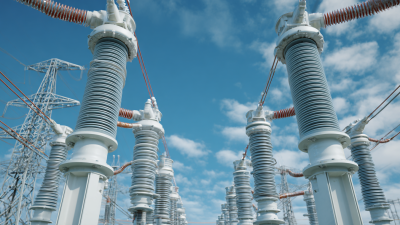
When you're figuring out the right materials for your project, choosing the rigHt Insulators is a pretty big deal. Suspension String Insulators, in particular, really stand out because of how versatile and dependable they are. They're the go-to components for holding up conductors and helping prevent electrical outages. Plus, their design makes it easier to handle load properly, keeping everything stable—even when weather gets nasty.
From what I've seen in the industry—companies like PowerTech Inc. included—using Suspension String Insulators really makes a difference. Not only do they boost overall system performance, but they can also help your electrical networks last longer. That said, picking the right type isn’t always straightforward. You’ve got to match the insulator to your specific needs, or it might not do the trick.
Investing in good quality insulators definitely pays off in the long run. Sometimes, companies overlook these details and assume any insulator does the job—they don’t realize this can lead to higher maintenance costs and efficiency hiccups down the road. So, really, it’s crucial to pay attention to quality and whether a particular insulator fits your project. When you get it right with Suspension String Insulators, it lays a solid foundation for a reliable and sturdy electrical system that you can count on.
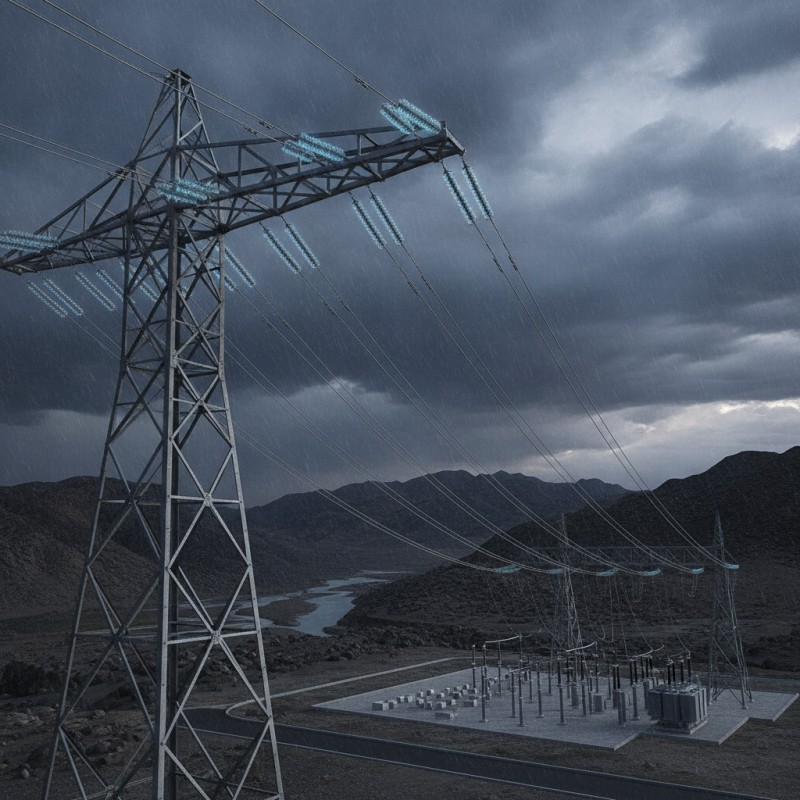
Benefits of Using Suspension String Insulators in Electrical Projects
When it comes to electrical projects, choosing the right insulator is crucial. Suspension string insulators offer numerous benefits that make them an excellent choice. These insulators effectively support high-voltage transmission lines, preventing electrical losses. They are designed to withstand harsh weather conditions, ensuring reliability and safety in various environments.
One key advantage is their lightweight design. This allows for easier installation and reduced transportation costs. Usually, engineers appreciate the simplicity of installing suspension string insulators. They can be delivered in segments, allowing for adjustments based on specific site conditions. Using suspension type insulators can also lead to better performance in areas prone to lightning strikes or wind pressure.
Tip: Always assess your site conditions before selection. Understand the physical stresses your insulator will face.
Another important benefit is their ability to reduce maintenance costs. With fewer components that can fail, these insulators require less frequent repairs. Their durability contributes to longer service life. In addition, they are made from materials resistant to pollution, which is vital in urban settings.
Tip: Regular checks and assessments of insulators are advisable. This ensures they perform optimally throughout their lifespan.
Ultimately, suspension string insulators combine efficiency, reliability, and cost-effectiveness. They remain a preferred choice for engineers looking to enhance their electrical projects.
Key Features of Suspension String Insulators and Their Applications
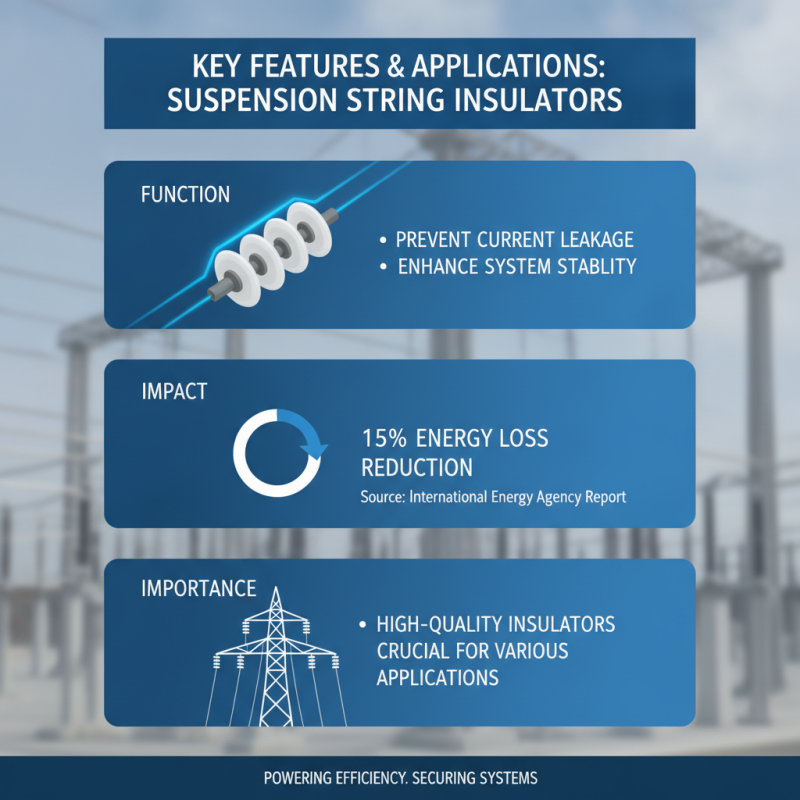
Suspension string insulators are vital components in electrical systems. They prevent current leakage and enhance system stability. A report by the International Energy Agency states that effective insulation can reduce energy losses by 15%. This efficiency highlights the importance of selecting high-quality insulators for various applications.
These insulators offer several key features. Made from materials like toughened glass or polymer, they resist environmental factors. Their high tensile strength allows them to withstand harsh conditions. For instance, they can endure wind speeds exceeding 140 km/h. Additionally, suspension string insulators have a high dielectric strength, which is crucial for preventing electrical breakdown. According to industry standards, these insulators can handle voltage levels up to 1,000 kV, making them suitable for ultra-high voltage transmission lines.
Applications of suspension string insulators extend to overhead power lines and substations. They are crucial in keeping power flowing efficiently over long distances. Yet, challenges remain, such as environmental pollution affecting insulation performance. Regular maintenance and inspection are essential to ensure their reliability. Ignoring these aspects can lead to increased outages and repair costs. Understanding these nuances can help project managers make informed decisions.
Comparison of Suspension String Insulators with Other Insulator Types
Suspension string insulators play a crucial role in electrical engineering projects. They provide excellent electrical insulation and mechanical support. When compared to other insulator types, such as pin or post insulators, suspension insulators offer more flexibility. They can accommodate line movements and temperature changes effectively. This quality makes them ideal for long transmission lines.
Moreover, suspension insulators are less susceptible to mechanical failure. They are typically made from materials like glass or porcelain, ensuring durability. In contrast, other insulator types can experience increased wear and tear. This durability enhances overall system reliability, but it’s important to regularly inspect them.
Tips for Selecting Insulators:
- Consider environmental factors: Extreme weather can affect performance.
- Evaluate voltage levels: Ensure the insulator can handle system requirements.
- Regular maintenance is key: Monitoring prevents unexpected failures.
While suspension insulators have their advantages, they also require careful installation. Proper alignment is crucial to avoid stress points. Neglecting installation details can lead to issues down the line. It’s essential to weigh the benefits and drawbacks before making a decision.
Why Choose Suspension String Insulator for Your Project? - Comparison of Suspension String Insulators with Other Insulator Types
| Insulator Type | Material | Voltage Rating (kV) | Weight (kg) | Typical Applications |
| Suspension String Insulator | Porcelain / Glass / Polymer | 110 - 765 | 15 - 30 | Overhead Transmission Lines |
| Pin Insulator | Porcelain / Glass | 11 - 33 | 1 - 5 | Distribution Lines |
| Post Insulator | Porcelain / Polymer | 33 - 400 | 10 - 20 | Substations / Busbars |
| Guy Insulator | Porcelain / Glass | 11 - 33 | 5 - 10 | Supporting Lines |
Factors to Consider When Selecting Suspension String Insulators
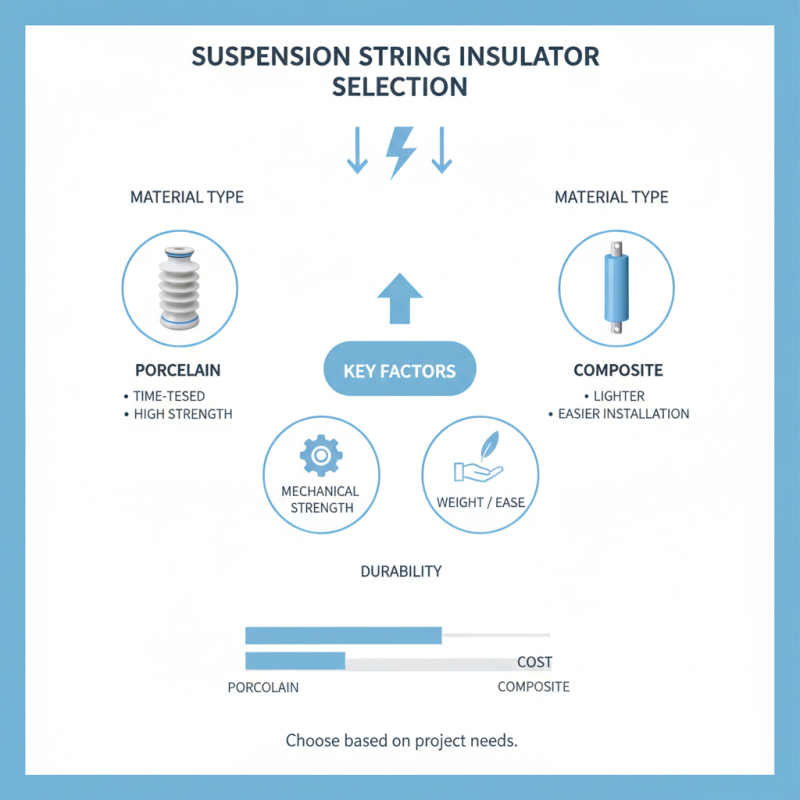
When choosing suspension string insulators, several important factors come into play. Material type is critical. Insulators made from porcelain or composite materials offer different advantages. Porcelain insulators are time-tested; they have excellent mechanical strength. Composite insulators are often lighter, providing easier installation options.
Moreover, the insulator's electrical rating must align with your project requirements. This includes voltage thresholds and dielectric properties. Identifying the environment is essential too. Areas with extreme weather patterns may require insulators with enhanced performance under harsh conditions.
Finally, installation and maintenance considerations also matter. The chosen insulators should facilitate easy installation but also require minimal maintenance. Reflecting on these elements may highlight gaps in understanding. It’s crucial to evaluate options carefully. Wrong choices can lead to project delays or increased costs.
Common Challenges in Suspension String Insulator Implementation
The implementation of suspension string insulators often faces several challenges. One critical issue is environmental stress. According to a recent industry report, mechanical failures account for over 30% of insulator failures. Factors like weather conditions, pollution, and aging materials contribute to these failures. Insulators exposed to heavy snow or ice may crack, disrupting service continuity.
Installation complexity ranks high among common challenges. The process requires precision to ensure proper alignment and secure attachment. Poor installation can lead to premature failure. A study highlighted that improper installation increases risks by up to 25%. Training workers on best practices is essential but often overlooked. This gap in knowledge can have costly repercussions.
Maintenance is another area needing attention. Regular inspections are crucial to identify wear and tear. Yet, some facilities perform infrequent checks, putting systems at risk. Data shows that facilities with proactive maintenance reduce failure rates by 40%. Investing time in these processes can create a more reliable insulator system. However, balancing cost and thoroughness remains a persistent dilemma in managing insulation projects.
Maintenance and Care for Suspension String Insulators
Proper maintenance and care for suspension string insulators is crucial for their longevity and reliability. Over time, these insulators can accumulate dirt, moisture, and other contaminants. Regular inspections are vital. Technicians should look for signs of wear or degradation. This proactive approach can prevent unexpected failures in the electrical system.
Cleaning insulators is an essential task. Use a damp cloth or a soft brush to remove dirt. In challenging environments, high-pressure water can be effective. It's best to perform cleaning when the system is offline. This ensures safety and avoids electrical hazards. Any cracks or physical damage should be reported immediately for further assessment.
Weather conditions play a significant role in insulator health. Extreme temperatures can affect materials. Humidity may enhance electrical leakage. Periodic assessments during seasonal changes can be beneficial. Consider environmental factors in your maintenance schedule. Reflecting on past maintenance efforts can help identify areas for improvement. Efficient procedures can make a difference in performance.
Case Studies Highlighting Successful Use of Suspension String Insulators
Suspension string insulators play a crucial role in various projects, particularly in power transmission systems. Successful case studies highlight their unique advantages. For instance, a major utility implemented these insulators in a mountainous region. They effectively withstood harsh weather conditions, reducing maintenance costs and improving reliability.
Another project involved a long-distance transmission line. Engineers faced challenges due to environmental factors. By utilizing suspension string insulators, they minimized the risk of electrical failure. This choice increased the project's overall success rate. The insulators' ability to handle thermal expansion and contraction proved essential during temperature fluctuations.
However, not all installations are without issues. Some teams reported difficulties in the installation process. Misalignment led to unexpected stresses on the insulators. This scenario emphasizes the need for thorough planning and skilled labor. Engineers must evaluate the terrain and environmental factors before making decisions. Attention to detail is vital in ensuring the insulators perform optimally.
Innovative Solutions for Power Transmission: The U210 High Voltage Anti-Fog Glass Insulator and its Benefits
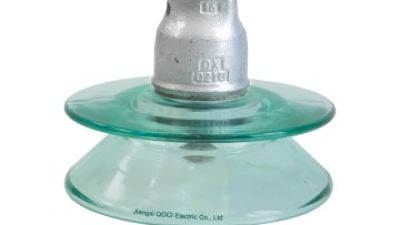
The U210 High Voltage Anti-Fog Glass Insulator represents a significant advancement in power transmission technology, particularly in high voltage applications. Engineered with a double-shed design, this insulator meets the stringent IEC standards, boasting a mechanical load capacity of 210kN. This level of strength ensures reliability in a variety of challenging weather conditions, which is crucial for maintaining uninterrupted power supply, especially in regions prone to fog and precipitation where traditional materials might fail.
The toughness of the U210 design, along with its anti-fog properties, enhances performance by reducing the likelihood of surface leakage currents that can lead to power outages. Reports indicate that the usage of high-quality glass insulators can cut maintenance costs by approximately 15%, while significantly extending the lifespan of power transmission lines. Furthermore, the two-winged design among other variants, such as the PSD-210 B type suspension insulators, provides additional flexibility and adaptability in installation, thereby simplifying logistics for utility providers.
Incorporating these advanced insulators into power transmission networks is an investment in reliability and efficiency, with data from industry studies suggesting that upgrading insulator technology can improve overall system performance by 20%. This innovative solution not only contributes to better electrical insulation but also helps meet growing energy demands sustainably, making it essential for modern grid infrastructure.
FAQS
: They provide electrical insulation and mechanical support in power systems.
Suspension insulators offer more flexibility for line movements and temperature changes.
They are typically made from glass or porcelain for durability.
It prevents unexpected failures and ensures reliable performance over time.
Extreme weather conditions can significantly affect the performance of the insulators.
Misalignment may cause stress points, leading to potential failure of the insulators.
They effectively reduced maintenance costs and improved reliability in challenging environments.
Installation difficulties can arise, particularly if terrain and environmental factors are not evaluated.
Conclusion
Suspension String Insulators are essential components in electrical projects, offering numerous benefits such as enhanced mechanical strength, operational flexibility, and superior insulation properties. Their design allows them to effectively manage tension in overhead lines, making them suitable for various applications in power transmission and distribution. When selecting Suspension String Insulators, it is crucial to consider factors such as environmental conditions, voltage levels, and system configurations to ensure optimal performance.
Additionally, while Suspension String Insulators present distinct advantages over other types of insulators, challenges may arise during implementation, including installation complexities and maintenance requirements. Regular inspections and proper care are vital to prolonging their lifespan and maintaining system reliability. Case studies demonstrate the successful application of Suspension String Insulators, highlighting their effectiveness in tackling real-world electrical challenges. Overall, opting for Suspension String Insulators can significantly enhance the efficiency and safety of electrical projects.