When you're trying to pick out the perfect *isolateur en verre* for your project, it's really important to get a grip on how glass insulation works. These special products do more than just look good—they help with energy savings and noise reduction too. And with 2025 bringing some pretty exciting updates and new tech in glass insulation, it’s definitely worth keeping an eye on the latest stuff out there.
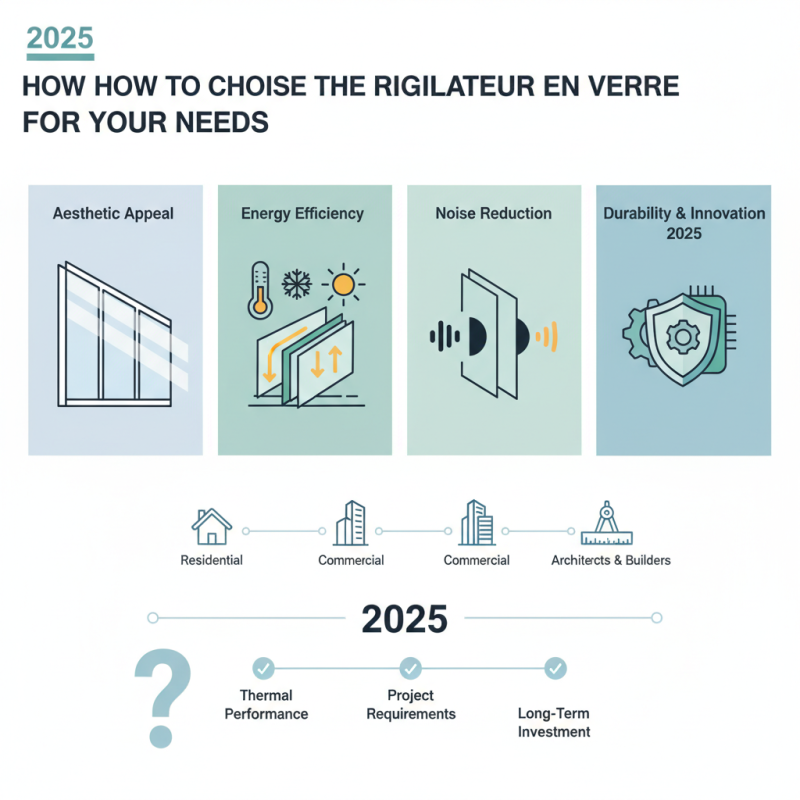
Choosing the right *Isolateur En Verre* isn’t just about looks, though. You’ve got to think about things like how well it keeps the heat in, how tough it is, and what exactly your building needs. More and more, architects and builders are loving glass insulation for both homes and commercial spaces, so knowing your stuff can really help you make smart choices tailored to your particular place. This little guide’s here to give you some helpful tips and insights so you can navigate the whole selection process with confidence—making sure your investment checks both the functional and aesthetic boxes for years to come.
Understanding the Basics of Isolateur En Verre and Its Applications
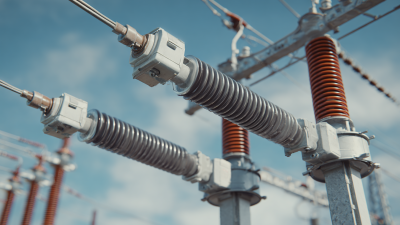
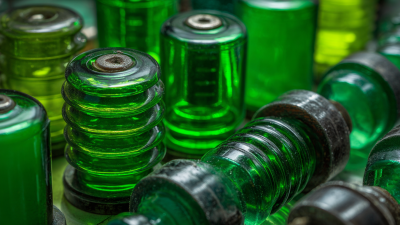
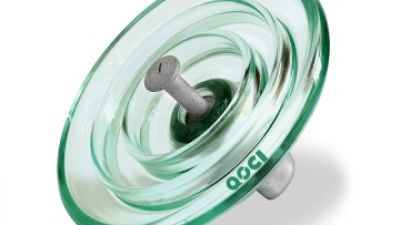
Isolateur en verre, or glass Insulators, play a vital role in electrical engineering by ensuring the safe transmission of electricity through various components in overhead power lines. These insulators are typically used to support and separate electrical conductors from their supporting structures, which can be poles or towers. The primary function is to prevent electrical leakage and maintain a safe distance between live wires and grounded structures. Understanding the basics ofisolateur en verre is essential for anyone involved in electrical installations, maintenance, or safety assessments.
The applications of isolateur en verre are vast, ranging from utility poles to telecommunications systems. In areas exposed to harsh weather conditions, such as high winds or heavy rain, glass insulators are preferred due to their robustness and longevity. Unlike ceramic insulators, which can chip or crack, glass insulators maintain their integrity over time, providing reliable performance with minimal maintenance.
Furthermore, their transparency allows for easy visual inspection, ensuring that any potential issues can be identified promptly. By choosing the right isolateur en verre, users can significantly enhance the reliability and safety of electrical infrastructure, reflecting on the effectiveness of their overall system design.
Factors to Consider When Choosing Isolateur En Verre for Your Projects
When selecting the right isolateur en verre for your projects, several key factors must be taken into account to ensure optimal performance and compliance with safety standards. First and foremost, consider the intended application of the isolateur en verre. Different projects may require different specifications in terms of insulation properties, mechanical strength, and environmental resistance. For instance, if your project involves high-voltage applications, you’ll need isolateurs that can withstand increased electrical stress without failing.
Next, evaluate the installation environment. The physical and chemical conditions surrounding the isolateur en verre can significantly influence its longevity and effectiveness. For areas prone to harsh weather conditions, such as extreme temperatures or heavy rainfall, look for products specifically designed to endure these challenges. Additionally, the size and configuration of your installation space play a crucial role in the compatibility of the isolateur. Ensure that the selected type fits seamlessly into your project's architectural design while meeting the relevant regulatory standards. By carefully considering these factors, you can make an informed decision that aligns with your specific project needs.
Types of Isolateur En Verre: Which One Fits Your Needs?
When selecting the right isolateur en verre, it’s essential to understand the different types available in the market to determine which one best suits your needs. The most common types include standard glass insulators, which offer excellent electrical resistance and durability. They are primarily used in overhead power lines and can withstand extreme weather conditions, making them suitable for outdoor applications.
Another option is the ceramic insulator, which combines glass and ceramic materials to enhance strength and thermal resistance. This type is ideal for high-voltage applications, providing superior performance in environments where physical impact is a concern. Additionally, there are specialized designs, such as tension insulators and pin-type insulators, each serving specific functions depending on the installation requirements.
Assessing the environment, voltage levels, and mechanical stresses will guide you in choosing the right type of isolateur en verre for your specific application.
Evaluating the Performance and Efficiency of Isolateur En Verre
When selecting the right isolateur en verre (glass insulator), it is crucial to evaluate its performance and efficiency to ensure optimal function in electrical transmission and distribution systems. According to the International Energy Agency (IEA), the demand for efficient insulators has surged by 25% over the past decade, driven by the expansion of renewable energy sources and the need for advanced infrastructure. The performance of these insulators is primarily determined by their dielectric strength, mechanical properties, and environmental durability, making it vital for users to assess these factors before making a decision.
A comprehensive study published in the "Journal of Electrical Engineering" indicates that glass insulators exhibit superior long-term performance compared to ceramic alternatives, with a failure rate significantly lower—approximately 2% in glass insulators against 5% in ceramics. Furthermore, the efficiency of glass insulators is enhanced by their lower pollution sensitivity and moisture absorption, which translates into reduced maintenance costs and increased reliability in harsh environmental conditions. By prioritizing these performance metrics, businesses and engineers can effectively select isolateur en verre that aligns with their operational needs while maximizing system efficiency.
Installation Guidelines for Optimal Use of Isolateur En Verre
When it comes to installing isolateur en verre, proper guidelines are crucial for ensuring optimal performance and longevity. First, selecting the appropriate location for installation is essential. The isolateur should be placed where it can effectively manage electrical insulation while also being easily accessible for maintenance. Proper measurement and alignment during the installation process will help avoid future complications and ensure the integrity of the glass insulator.
Additionally, the installation technique significantly influences the effectiveness of the isolateur en verre. It is important to follow manufacturer specifications regarding spacing and fitting methods. Use appropriate tools to securely fasten the insulator, ensuring that it can withstand environmental stresses such as wind or thermal expansion. Finally, after installation, regular inspections should be conducted to check for wear, damage, or any structural issues, allowing for timely interventions that can prevent costly repairs and maintain safety standards.
2025 Isolateur En Verre Selection Criteria
This chart represents the importance levels of various criteria when choosing the right Isolateur En Verre for your needs in 2025. Consider thermal insulation and durability as the most critical aspects to weigh in your decision-making process.
Maintenance Tips for Longevity of Isolateur En Verre Systems
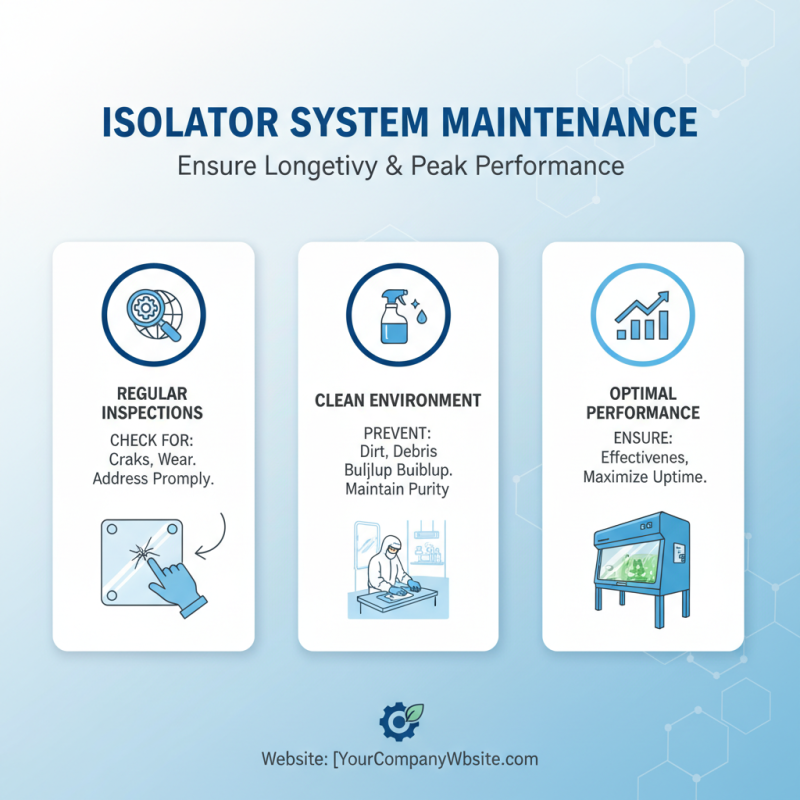
Maintaining your isolateur en verre systems is essential for ensuring their longevity and optimal performance. Regular inspections should be a part of your maintenance routine. Check for any visible signs of damage, such as cracks or chips in the glass. Addressing these issues promptly can prevent further deterioration and maintain the effectiveness of the isolateur. Maintaining a clean environment around the isolateur is also crucial, as dirt and debris can build up and affect its performance.
Proper cleaning methods are critical as well, as harsh chemicals can damage the glass over time. Instead, use a mild detergent and a soft cloth to clean the glass surface. Avoid abrasive materials that could scratch the surface. Additionally, ensure that the installation area is protected from extreme weather conditions, as excess moisture or direct sunlight can impact the durability of the isolateur en verre. Regularly updating any seals or insulation around the glass can also help improve energy efficiency and minimize the potential for leaks.
Cost Analysis: Budgeting for Isolateur En Verre Solutions
When it comes to budgeting for Isolateur En Verre solutions in 2025, it is essential to consider not only the initial costs but also the long-term savings these products can offer. An industry report from the Glass and Glazing Federation indicates that incorporating high-quality glass insulators can lead to a significant reduction in energy expenses, with typical savings ranging from 20% to 30% on heating and cooling costs. Furthermore, the durability of these isolators reduces the frequency of replacements, making them a smart financial investment over time.
Tips for budgeting effectively include conducting a thorough cost-benefit analysis. Begin by evaluating your current energy expenditures and estimating the potential savings associated with upgraded isolators. Additionally, consider the installation costs versus the long-term efficiency gains. A well-planned budget should also factor in maintenance expenses, as regular upkeep can extend the life of your isolators and enhance their performance.
Another valuable tip is to explore various financing options available for energy-efficient upgrades. Many regions offer incentives or rebates for homeowners who choose sustainable solutions. Additionally, locate local programs that provide low-interest loans for home improvements, which can alleviate the upfront costs while maximizing both value and efficiency over the lifespan of your isolateur en verre. By being mindful of both immediate and future expenses, you can choose the right insulating glass solution tailored to your financial and environmental needs.
Comprehensive Guide to the 70kN High Voltage Glass Insulator CTV 254: Features, Applications, and Benefits
The CTV 254 high voltage glass insulator is an essential component for efficient power transmission systems operating between 10 kV and 330 kV. With a diameter of 254 mm and a creepage distance of 320 mm, this insulator is designed to withstand extreme conditions, providing a minimum mechanical failing load of 70 kN. Its robust construction ensures high reliability and stability, which are crucial for maintaining the integrity of high-voltage networks in various environments.
Notably popular in regions like Algeria, the CTV 254 insulator has proven its durability over time. Its ability to maintain excellent mechanical and electrical properties even after three decades of service highlights its superior performance. The longevity and resilience of the CTV 254 insulator make it a favored choice for utility companies seeking to enhance the efficiency and reliability of their power distribution systems. The combination of its technical specifications and long-term reliability underscores the benefits of utilizing this glass insulator in demanding applications.
FAQS
: An isolateur en verre, or glass insulator, is used in electrical engineering to support and separate electrical conductors from their supporting structures, preventing electrical leakage and maintaining a safe distance between live wires and grounded structures.
Glass insulators are preferred in harsh weather conditions due to their robustness and longevity. Unlike ceramic insulators, they do not chip or crack easily and provide reliable performance with minimal maintenance.
Glass insulators are used in various applications, including utility poles and telecommunications systems, ensuring safe electricity transmission in overhead power lines.
Key factors include the intended application, insulation properties, mechanical strength, environmental resistance, and compatibility with the installation space and regulatory standards.
The physical and chemical conditions surrounding the isolateur can influence its longevity and effectiveness, making it essential to choose products designed to endure specific environmental challenges like extreme temperatures and heavy rainfall.
The installation environment can significantly impact the insulator's performance and lifespan, so selecting an isolateur explicitly designed to withstand local conditions is crucial for optimal reliability.
The transparency of glass insulators allows for easy visual inspection, which helps in identifying potential issues promptly, ensuring ongoing reliability and safety in electrical systems.
Conclusion
Choosing the right Isolateur En Verre involves understanding its fundamental characteristics and multiple applications. This article outlines critical factors to consider, such as project requirements, efficiency ratings, and the specific types of Isolateur En Verre that best fit individual needs. Additionally, it discusses key aspects of installation for optimal use, alongside maintenance tips to ensure longevity and performance stability.
A thorough cost analysis is provided to assist in budgeting effectively for Isolateur En Verre solutions, helping users make informed decisions that align with their financial constraints while achieving the desired insulation outcomes. Overall, the goal is to guide readers in selecting and utilizing Isolateur En Verre systems that enhance energy efficiency and comfort in their spaces.