Picking the right Toughened Glass for your project really makes a difference—both when it comes to safety and how everything looks. I read somewhere, a report from Research and Markets, that the global glass market is set to hit around $100 billion by 2025. Toughened glass is a big part of that growth, which highlights how important it’s become in construction and design these days.
Now, toughened glass is known for being super tough—resisting impacts and thermal stress much better than regular glass. Because of that, it’s used in all sorts of applications. But here’s the thing: not all toughened glass is the same. There are different thicknesses and treatment processes, which means you really gotta choose carefully based on what you need.
A lot of folks overlook how crucial proper installation is, which can lead to problems later on. According to the Glass Association, if you don’t handle or install it right, you could weaken the glass or even risk safety issues. So, it's pretty important to be in the know and make informed choices. In a market that keeps changing so fast, staying aware and thoughtful about your selections will help you get the most out of toughened glass without any headaches.
Understanding Toughened Glass: Properties and Benefits
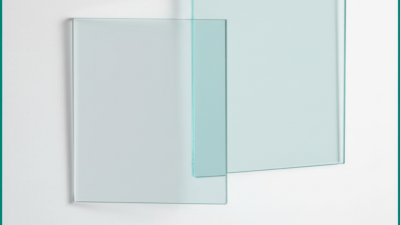
Toughened glass is a versatile material known for its strength and safety. It undergoes a special heating and cooling process, making it up to five times stronger than regular glass. This enhanced durability allows it to resist impacts and thermal stresses. It also shatters into small, blunt pieces when broken, reducing the risk of injury.
Using toughened glass brings several benefits. It is ideal for various applications, such as windows, shower doors, and glass tabletops. Its resistance to thermal shock makes it perfect for kitchen use. When exposed to temperature changes, it maintains structural integrity. However, one must be aware of its limitations.
Installation must be precise, as improper handling can lead to unexpected breakage.
Choosing toughened glass requires careful consideration. Assess your specific needs and intended use. Understand that while it is robust, it isn't invincible. Ensure all dimensions are accurate, as mistakes can be costly. Experience and trial play a vital role. Learning from any missteps will help refine your choices in the future.
Types of Toughened Glass: Annealed, Tempered, and Laminated Variants
When exploring toughened glass, it's vital to understand its different types: annealed, tempered, and laminated. Each variant has unique characteristics and applications. According to the Glass Association, Tempered Glass is four to five times stronger than standard glass. This makes it an excellent choice for high-stress scenarios, like shower doors and glass partitions.
Laminated glass consists of layers, providing enhanced safety. It holds together when shattered, reducing injury risks. Data from the International Glass Association shows that laminated glass can block up to 99% of UV rays, making it suitable for locations requiring sun protection. However, some may find it less cost-effective than other options.
Annealed glass is the most basic form. It has not been treated for increased strength. It’s cheaper, but safety features are absent. Cracks can spread rapidly in this type. Users sometimes overlook its limitations. They may prioritize cost over safety, which can lead to regrettable outcomes. Thus, understanding these differences aids effective selection of toughened glass.
Key Factors to Consider When Selecting Toughened Glass
When selecting toughened glass, consider several key factors. The thickness of the glass affects its strength and durability. Generally, thicker glass withstands impacts better. However, it can be heavier and may require stronger frames. So, balance is crucial.
Temperature variations also play a significant role. Toughened glass is engineered to handle heat changes. Yet, extreme temperature fluctuations can still pose risks. Ensure the installation location is suitable for your chosen glass type.
Tips: Always check the manufacturer’s specifications. This ensures the glass can meet your project’s demands. Look for certification marks. These indicate quality control and safety standards. Remember, not all toughened glass is created equal.
Consider how the glass will be used. For high-traffic areas, opt for thicker choices. You need to think about visibility and design as well. Sometimes, a thicker glass might obscure views. Assess the aesthetic alongside the functional needs.
Industry Standards and Certifications for Toughened Glass Quality
When selecting toughened glass, industry standards play a crucial role. Certifications can indicate quality and safety. Look for certifications like ISO and EN standards. These certifications ensure that the glass meets specific strength and thermal resistance criteria. They are not just labels; they represent rigorous testing.
Quality control is vital. Not all manufacturers adhere equally to these standards. Some might cut corners, resulting in glass that is less durable. It’s essential to seek out third-party testing. Ask for documentation that proves compliance with these industry standards. This can prevent future issues related to glass failure.
Remember, toughened glass is designed to endure pressure. However, improper installation can lead to problems. Always double-check the installation process. Misalignment can compromise strength. Pay attention to details, as even minor mistakes can lead to significant failures.
Applications of Toughened Glass in Various Sectors
Toughened glass is increasingly used across various sectors due to its strength and durability. In the construction industry, it's often utilized for facades and windows. Its ability to withstand severe weather makes it ideal for skyscrapers. Additionally, toughened glass can enhance energy efficiency, reducing the need for excessive heating or cooling.
In the automotive industry, toughened glass plays a crucial role. It provides safety in windshields and side windows. If an accident occurs, it shatters into small pieces, reducing injury risks. This feature makes it a preferred choice among manufacturers. Yet, there are ongoing concerns about its replacement and recycling.
Retail spaces often use toughened glass in displays and counters. It can create an open atmosphere, enhancing customer experience. However, proper installation is key. Misalignment can lead to breakage or safety hazards. Users must reflect on these aspects when utilizing toughened glass to ensure optimal performance.
Best Practices for Installation and Maintenance of Toughened Glass
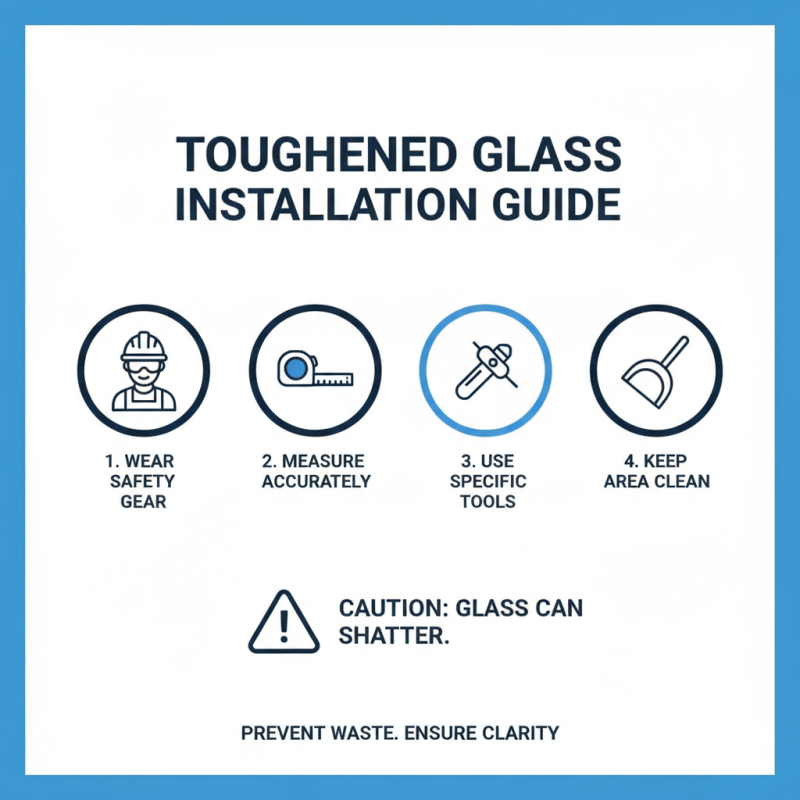
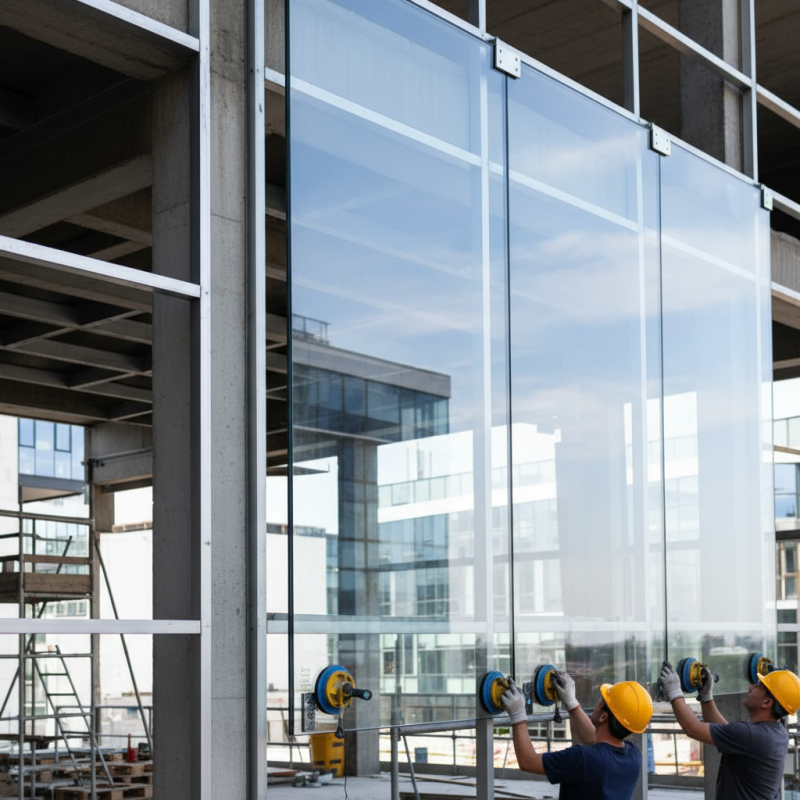
When installing toughened glass, proper handling is crucial. Always wear safety gear. This glass can shatter unexpectedly. Measure accurately before cutting. Any mistake can lead to wastage. Use glass-specific tools that ensure precision. A slight slip can ruin your project. Ensure the work area is clean to avoid scratches. Dust can get trapped, affecting the glass's clarity.
After installation, maintenance becomes vital. Regularly inspect for cracks or chips. They can worsen over time. Clean the surface with non-abrasive solutions. Harsh chemicals might damage the glass. Remember to dry it to prevent water spots. If a problem appears, assess the extent. Small issues might be fixable. Larger cracks may require replacement. It’s essential to stay proactive in maintenance. This way, toughened glass remains durable and functional.
Safety Considerations and Risk Management for Using Toughened Glass
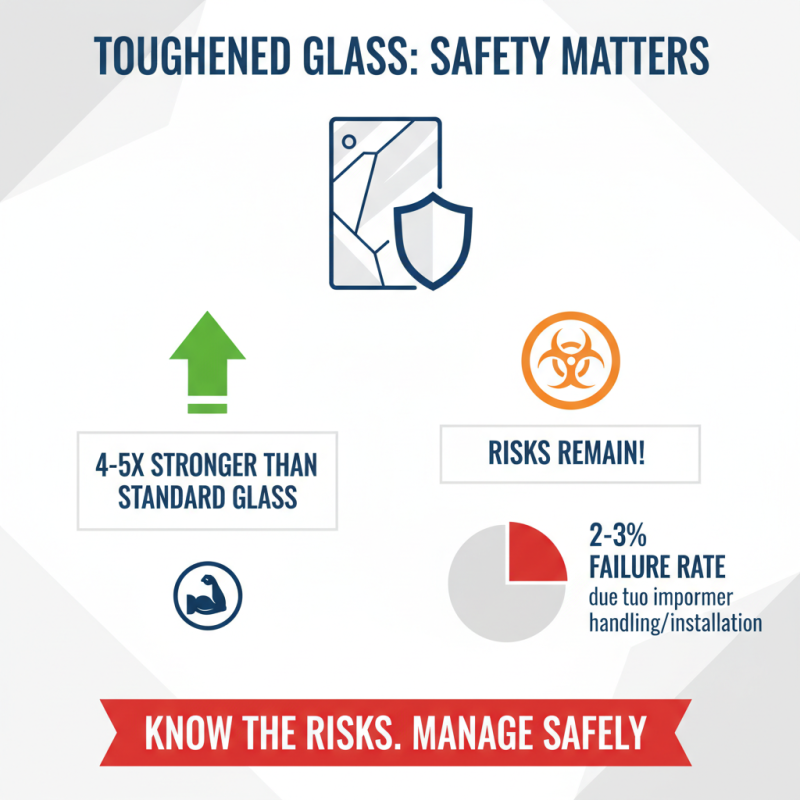
When using toughened glass, safety considerations are paramount. This material is four to five times stronger than standard glass. However, its strength does not eliminate all risks. In fact, about 2-3% of toughened glass installations face failure due to improper handling or installation errors. Awareness of these statistics is crucial for risk management.
One significant concern is thermal stress. Toughened glass can endure high temperatures, yet sudden changes can lead to breakage. Reports indicate that around 30% of breakages occur due to thermal shock. It's essential to ensure uniform heating and avoid rapid cooling. Installing toughened glass requires careful planning and adherence to safety guidelines.
Additionally, fragmentation upon breakage poses risks. Though toughened glass breaks into small, less harmful pieces, injuries can still occur. To minimize impact risks, consider using protective films. Statistics reveal that 77% of injuries from glass occur in residential settings. Reinforcing security measures in such areas can reduce accidents and enhance safety. Balancing the benefits of toughened glass with these risks is vital for effective use.
Enhancing Power Distribution Reliability: The Role of U420B High Voltage Toughened Suspension Glass Insulators in Current Market Trends
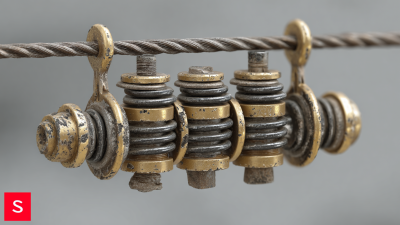
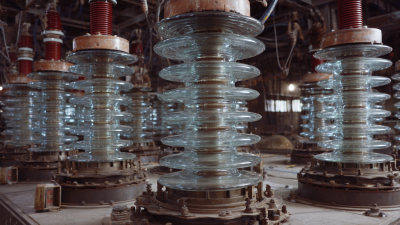
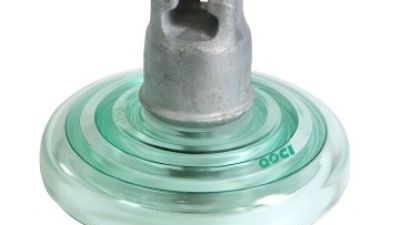
In the evolving landscape of power distribution, enhancing reliability is paramount. The U420B high voltage toughened suspension glass insulators have emerged as essential components, offering superior performance to meet the demands of modern electrical systems. With their robust design and excellent insulating properties, these insulators not only guarantee stability in high-stress environments but also contribute significantly to minimizing power interruptions and ensuring a consistent supply to end-users.
With the increasing complexity of power distribution networks, the choice of insulators plays a critical role in maintaining system reliability. Toughened glass insulators, like the U420B, are engineered to withstand extreme weather conditions and high mechanical loads, making them ideal for various applications. Their resistance to environmental factors and electrical stresses positions them as a reliable solution for utilities seeking to enhance their infrastructure. Additionally, their lightweight and durable nature facilitates easier installation and maintenance, ultimately leading to cost savings for operators.
As market trends shift towards sustainability and efficiency, the adoption of high voltage toughened suspension glass insulators is expected to rise. By integrating advanced insulator technologies, power distribution companies can not only improve their service reliability but also make strides towards a more resilient and efficient energy infrastructure. The U420B insulators represent a crucial step in this direction, aligning with contemporary needs for enhanced performance in power supply systems.
FAQS
: The article aims to provide insights on a specific topic. It facilitates understanding and encourages further exploration.
Yes, the concepts are applicable to various situations. Consider the context before implementation, though.
There may be risks. Evaluating each situation critically is vital to minimize potential consequences.
Begin by identifying relevant aspects. Take small steps and gradually incorporate more complex ideas.
Facing challenges is common. Seek advice, assess your approach, and adapt your strategies as needed.
Results vary based on individual circumstances. Patience and persistence are essential in the process.
Define clear goals first. Evaluate progress regularly to determine what success looks like for you.
Yes, sharing can spark discussions. Ensure to explain the concepts clearly to avoid misunderstandings.
It’s okay to seek clarification. Revisit the material or discuss it with others for better understanding.
Many resources are available online or in libraries. Explore different formats and perspectives for a broader view.
Conclusion
Toughened glass, known for its enhanced strength and safety features, is a crucial material in various applications. Understanding its properties, such as resistance to thermal stress and impact, is essential for effective use. The main types of toughened glass include annealed, tempered, and laminated variants, each serving specific purposes. When selecting glass toughened glass, key factors such as thickness, size, and application environment must be considered to ensure optimal performance.
Moreover, adhering to industry standards and certifications guarantees the quality of toughened glass, making it reliable for construction and design. Proper installation and maintenance practices are vital for longevity, along with thorough safety considerations to mitigate risks associated with its use. By following these guidelines, users can fully harness the benefits of toughened glass across diverse sectors while prioritizing safety and effectiveness.