Leave Your Message
0%

Nowadays, with environmental issues becoming more and more of a concern in the industrial world, choosing the right anti-pollution glass insulator is pretty important if you want your electrical systems to stay reliable and last longer. Jiangxi QOC1 Electric Co. LTD., started back in December 2002, is a top player based in Jiangxi Province, China. They've got a solid reputation for making high-quality glass insulators. Thanks to their advanced manufacturing processes and strong R&D team, they can craft solutions that fit a wide range of industrial needs. In this guide, I’ll walk you through what you really need to consider when picking anti-pollution glass insulators. The goal? Helping businesses reduce their environmental impact while keeping their electrical systems running smoothly and efficiently. Getting these factors right not only helps you stick to industry standards but also boosts operational performance and sustainability—pretty important these days, right?
How to Choose the Right Anti Pollution Glass Insulator for Your Industrial Needs

Understanding the Importance of Anti Pollution Glass Insulators in Industrial Applications

You know, in today’s industrial world, anti-pollution glass insulators are really becoming more and more important. They do a great job not just keeping electrical systems running smoothly, but also helping to reduce the damage caused by environmental pollutants. Thanks to advances in materials science—like new coatings that make high-voltage insulators last longer—it’s clear that we need innovative solutions to tackle pollution’s challenges. Plus, as industries lean more towards sustainability, things like natural fibers and eco-friendly composites are gaining popularity because they show real promise as greener alternatives to traditional materials.

At Jiangxi QOCl Electric Co. Ltd., we genuinely get how vital it is to stay ahead with the latest tech. Our team stays busy with research and development, always aiming to craft high-quality glass insulators that are perfect for industrial needs. By refining our manufacturing processes, we make sure our insulators don’t just perform well electrically but can also stand up to tough environmental conditions. As more industries focus on saving energy and adopting sustainable materials, choosing the right anti-pollution glass insulators is key—it's all about keeping things reliable while doing our part to protect the environment.

Key Characteristics to Look for in High-Quality Anti Pollution Glass Insulators

When you're picking out anti-pollution glass insulators for industrial use, it's really important to focus on a few key features that guarantee they last and perform well. Good quality insulators should have excellent hydrophobic qualities—that’s just a fancy way of saying they repel water and dirt effectively. This matters because if insulators stay clean even in humid, polluted environments, they’re much better at handling high voltages without trouble. Sometimes, using special coatings can make a huge difference—helping to prevent issues like pollution flashovers and letting the insulators work smoothly even in tough conditions.

Tip 1: Look for coatings that boost hydrophobicity. There are these superhydrophobic coatings out there that keep pollutants from sticking to the insulator surfaces. Not only do they make the insulators stay cleaner longer, but they also help them last longer, especially when stuff gets really nasty out there.

Tip 2: Think about how the insulators perform in different pollution scenarios. It’s a good idea to test them in both clean and dirty simulated environments—this way, you get a real sense of how they’ll hold up in real life. Knowing how different designs react to pollution can help you choose the right one for your specific industrial needs.

By paying attention to these qualities, you can be confident that you’re choosing the right anti-pollution insulators that meet the tough demands of modern industry.

Analyzing Industry Standards: What Makes an Insulator Ideal for Harsh Environments

So, when you're choosing an anti-pollution glass insulator for industrial stuff, it’s super important to get a grip on the industry standards. That way, you know it’ll hold up even in tough environments. The perfect insulator has to tick a lot of boxes, like resisting moisture, UV rays, and pollution buildup—that stuff can really mess with how well it insulates and how long it lasts. Things like the material it’s made of, how its surface looks, and its shape all matter when it comes to handling pollutants and crazy weather conditions.

One thing you really gotta watch out for is the creepage distance—that’s basically the length over which electrical current can creep along the surface. The longer that path, the less likely it is to cause surface discharges from dirt or grime. Plus, a good surface glaze that keeps dirt from sticking around makes cleaning way easier, especially if pollution is a big issue in your area. It’s also a good idea to check the insulator’s mechanical strength and electrical ratings to make sure it can handle the demands of your setup. At the end of the day, you want something reliable that’ll keep the power flowing smoothly, even when conditions are less than ideal.

How to Choose the Right Anti Pollution Glass Insulator for Your Industrial Needs

Cost-Benefit Analysis: Investing in the Right Anti Pollution Glass Insulator

When you're looking into anti-pollution glass insulators for industrial use, it’s really important to get a good grasp of the cost versus benefits. From what industry reports say, the global insulator market is expected to hit around $22 billion by 2025 — showing just how essential durable materials are for electrical infrastructure these days. These insulators do a pretty great job at improving the reliability of power systems by stopping electrical failures, plus they help cut down on maintenance costs caused by pollution-related wear and tear.

At Jiangxi QOCI Electric Co. Ltd., we use the latest manufacturing tech and have a strong research background to create high-quality glass insulators that can handle tough environmental conditions. We’ve tested our products thoroughly, and the data shows that top-tier glass insulators can last about 25% longer than your standard ones. That extra lifespan adds up to real savings over time, making the initial investment totally worth it. Basically, a good anti-pollution glass insulator not only boosts system performance and cuts down on downtime but also helps industries stay in line with environmental regulations — making it a smart choice for companies that want to stay ahead of the curve.

How to Choose the Right Anti Pollution Glass Insulator for Your Industrial Needs

Maintenance Tips for Extending the Lifespan of Your Anti Pollution Glass Insulators

Taking good care of your anti-pollution glass insulators isn't just a good idea—it's kinda essential if you want them to last and work their best, especially in industrial settings. Make it a habit to check on them regularly; this way, you can catch any signs of wear, damage, or dirt buildup early on. When it’s time to clean, go for a gentle, non-abrasive cleaner—something that gets rid of dust, grime, and pollutants without harming the material. Steer clear of harsh chemicals, since those can actually damage the insulators and lessen their lifespan. Instead, stick with eco-friendly solutions that support their integrity.

Also, keep an eye on the weather and environmental factors. Extreme conditions like heavy rain, snow, or scorching sunlight can speed up deterioration, so adding protective stuff like shading or proper housing can help a lot. And don’t forget, if you're installing new insulators or doing repairs, make sure to follow the manufacturer’s instructions. Poor installation can cause all sorts of problems down the line.

Basically, by taking these simple steps, you'll be able to stretch out the life of your insulators, keep them working efficiently, and save some money on replacements. Trust me, a little maintenance goes a long way!

Anti Pollution Glass Insulator Performance Comparison

Evaluating Market Trends: The Future of Anti Pollution Insulator Technology in Industry

As more and more industries grapple with pollution issues, there's a noticeable bump in the demand for advanced anti-pollution glass insulators. If you look at the market trends, it’s clear there’s huge growth potential here—especially with China's Building Insulation Material Industry expected to jump from around $3.65 billion in 2024 to nearly $6.69 billion by 2035. The main driver? The growing need for sustainable building materials that can handle environmental stress while still being energy-efficient.

Lately, tech in anti-pollution stuff has been really evolving, focusing on new ways to produce these insulators that don’t just boost performance but also cut down on environmental harm. Companies are putting more effort into reducing energy use and emissions during glass manufacturing—things like recycling glass and better furnace insulation are really making a difference. As more players jump on these green practices, it’s pretty safe to say that anti-pollution solutions are heading towards becoming key parts of a bigger move to produce more sustainably across various industries.

Maximize Safety and Performance with the 210kn Anti Fog Toughened Suspension Tempered Glass Insulator IEC U210BP

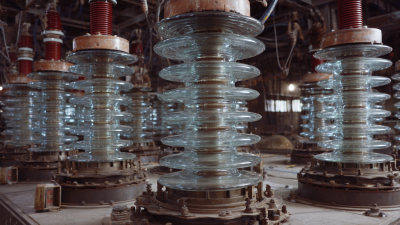
In today's rapidly evolving energy landscape, ensuring the reliability and safety of high voltage transmission lines is paramount. The 210kN Anti Fog Toughened Suspension Tempered Glass Insulator, identified by the IEC U210BP standards, sets a high benchmark for performance and safety in various environmental conditions. Designed with advanced toughened glass technology, this insulator not only meets but exceeds the stringent criteria established by the International Electrotechnical Commission (IEC), ensuring enhanced durability and resistance to adverse weather phenomena.

The utilization of toughened glass in high voltage applications offers significant advantages over traditional materials. According to industry data, tempered glass insulators exhibit a higher resistance to mechanical stress, with a typical tensile strength of 200-300 MPa, making them ideal for high pollution environments. Moreover, the 210kN rating addresses the growing demand for reliable insulators in regions prone to severe weather and pollution, thus maximizing both safety and system performance. By minimizing fog and maintaining clear visibility, the insulator enhances operational efficiency, reducing maintenance costs associated with performance downtime.

Additionally, the anti-pollution features of the IEC U210BP insulator are particularly vital as transmission lines are often exposed to harsh environments laden with contaminants. This insulator is designed to withstand heavy insulation stress while significantly reducing the risk of electrical breakdown, contributing to the overall reliability of power supply systems. With the global power demand projected to increase by over 25% by 2040, the integration of high-performance insulators like the 210kN Anti Fog Toughened Suspension Insulator is critical in supporting the burgeoning energy infrastructure.

FAQS

: What are anti-pollution glass insulators and why are they important in industrial applications?

: Anti-pollution glass insulators help maintain the integrity of electrical systems and mitigate the adverse effects of environmental pollutants, making them increasingly significant in today’s industrial landscape.

What advancements have been made in the materials used for glass insulators?

Recent advancements include the development of functional coatings that enhance the lifespan of high-voltage insulators, as well as the use of natural fibers and eco-friendly composites to replace conventional materials.

What factors should be considered when selecting an anti-pollution glass insulator?

Key factors include resistance to moisture and UV degradation, creepage distance, surface characteristics that minimize dirt adhesion, and the insulator's mechanical strength and electrical performance ratings.

How does creepage distance affect the performance of glass insulators?

The creepage distance is the distance over which current can travel along the surface of the insulator; a longer creepage path improves resistance to surface discharge from contaminants.

What market trends are affecting the demand for anti-pollution glass insulators?

There is a significant growth potential in the construction industry for sustainable building materials, with the China Building Insulation Material Industry projected to expand considerably by 2035 due to the rising need for materials that balance performance with environmental sustainability.

What innovative strategies are being adopted to enhance the sustainability of glass manufacturing?

Strategies include glass recycling and improved furnace insulation to reduce energy consumption and emissions during the manufacturing process, contributing to a greener production landscape.

How do anti-pollution glass insulators contribute to energy efficiency in industrial settings?

By providing reliable insulation that can withstand environmental pollutants and harsh conditions, these insulators maximize operational reliability, which in turn aids in energy efficiency.

What role does Jiangxi QOCl Electric Co. Ltd. play in the development of glass insulators?

Jiangxi QOCl Electric Co. Ltd. focuses on research and development to create high-performance glass insulators tailored for industrial applications, utilizing advanced production techniques to ensure effectiveness and resilience.

Why is the choice of anti-pollution glass insulator crucial for industries?

Choosing the right anti-pollution glass insulator is essential for maximizing operational reliability while minimizing environmental impact, especially as industries increasingly prioritize sustainability.

Conclusion

In today’s industrial world, picking the right anti-pollution glass insulator is pretty important if you want your electrical systems to stay durable and run smoothly. These insulators are built to handle tough environmental conditions, so they’re a must-have for industries working in polluted or harsh areas. When you’re choosing one, it’s good to look at things like the quality of the material, how well it resists dirt and contaminants, and whether it meets industry standards. Doing a bit of a cost-benefit check can really highlight how investing in good-quality insulators can save you money down the line—since they tend to need less fixing and replacing over time.

Also, a few simple maintenance tips can go a long way in making these insulators last longer, helping them stay in top shape for years. As technology keeps advancing, it’s smart to stay updated on new trends and innovations—this way, industries can better handle evolving challenges and upgrade their electrical setups. Companies like Jiangxi QOCl Electric Co. Ltd. are really leading the charge here, with their expertise in producing high-quality glass insulators and pushing for innovative solutions to meet all kinds of industrial demands.
Evelyn

Evelyn

Evelyn is a dedicated marketing professional at Jiangxi QOCl Electric Co. Ltd., a company established in December 2002 in Jiangxi Province, China. With a deep understanding of the industry, Evelyn excels in promoting the company's advanced glass insulators and innovative circuit insulators. Her......
Previous Understanding Import Export Certifications for Isolateur Ctv 254 and How to Navigate the Process