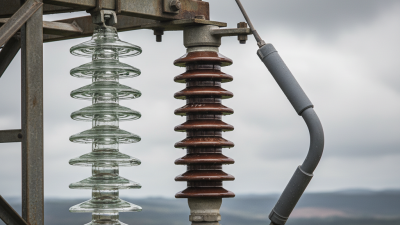
Choosing the right 120 Kn Disc Insulator is super important if you want your electrical systems to stay safe and reliable. Basically, these insulators are the backbone that support and insulate your high-voltage power lines. They help protect connections against wear and tear caused by the weather going crazy out there.
Figuring out what you actually need is pretty key. Things like the voltage you're working with, the environment you’re in, and how much mechanical strength you require all matter. Good quality 120 Kn Disc Insulators can tough out rough weather and tough conditions without breaking a sweat. Brands like XYZ Insulators have a bunch of options, so you’re not stuck choosing from just one or two.
Take some time to think about what you really need before you pick one. Not all insulators are the same, and sometimes something that looks cool might not actually do the job. Make sure the one you choose can handle your operational pressures and last through the tough times. Picking the right insulator now can save you a lot of headaches down the line—and even prevent major issues later on.
Understanding the Function of 120 Kn Disc Insulators
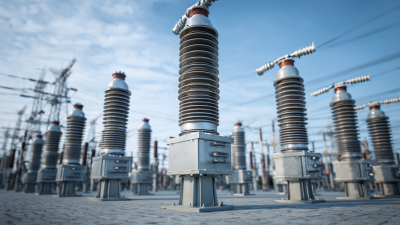
120 kN disc insulators play a vital role in electrical engineering. They support overhead power lines and ensure safety by preventing electrical arcs. Understanding their function is crucial for making informed choices.
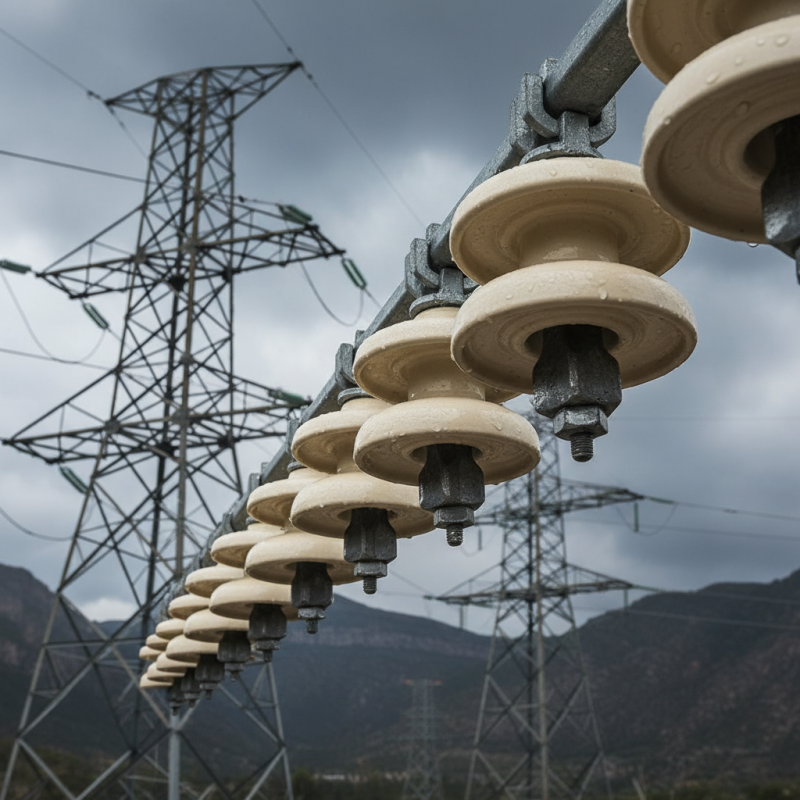
These insulators work by isolating conductors from the supporting structures like poles and towers. This isolation allows for the safe transmission of electrical energy. They are designed to withstand high voltage levels and mechanical stress. When selecting the right one, consider the environmental conditions. For instance, areas prone to severe weather may require insulators with enhanced durability.
**Tips:** Always check the material used in the insulator. Quality materials can improve performance and lifespan. Installation is key; improper installation can lead to failures. Don't overlook the insulator's rating for mechanical strength. It should match your application needs.
Ensure you assess your requirements carefully. If you have specific environmental challenges, it’s wise to consult experts. Avoid rushing through the selection process. Sometimes, a more detailed inspection is necessary. Research can prevent costly mistakes down the line. Choose wisely to support a reliable electrical infrastructure.
Identifying the Specific Requirements for Your Application
Choosing the right 120 kN disc insulator involves understanding your specific requirements. Consider the voltage levels in your application. Different insulators serve various voltage needs, affecting performance. Check the physical environment as well. Factors like weather, temperature, and location can influence your choice.
Evaluate the mechanical strength needed for your setup. Higher tensile strength can prevent failure under stress. But, are stronger insulators always necessary? Sometimes, over-engineering leads to unnecessary costs. Think about weight too. Heavier insulators may require robust structures, which could complicate installation.
Don't forget about the installation process. Some insulators are easier to handle and fit in tight spaces. Ideally, you want peace of mind during and after installation. Make sure to assess compatibility with existing components. Overlooked compatibility issues can lead to failures later. Reflection on your choices is vital; what works in one scenario may not work in another.
Material Options for 120 Kn Disc Insulators Explained
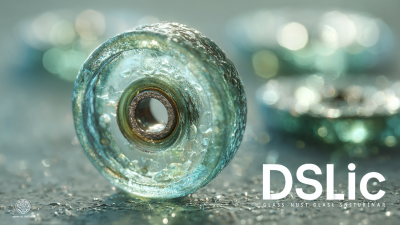
When selecting a 120 kN disc insulator, understanding its material options is crucial. Common materials include glass, porcelain, and polymer. Each has unique properties that affect performance. Glass insulators are durable but may be heavier. Porcelain options offer good mechanical strength and insulation properties but can be brittle. Polymer insulators are lightweight and resistant to environmental impacts, though they may have a shorter lifespan.
Tips: Consider environmental factors. If your location experiences high pollution or severe weather, polymer insulators may be beneficial. Glass insulators could withstand extreme conditions. However, their weight might be a drawback during installation.
Another consideration is the insulator's electrical characteristics. For high-voltage applications, electrical strength is paramount. Both porcelain and glass typically provide excellent performance. Polymer insulators are improving, but be cautious. Test data on these materials can be inconsistent, and some users find discrepancies in field performance.
In summary, weigh the pros and cons of each material. Assess how these factors align with your specific requirements. It’s important to gather accurate data before making a decision.
Comparison of 120 kN Disc Insulator Material Options
Key Features to Consider in Disc Insulator Selection
When selecting a 120 kN disc insulator, certain features should be prioritized. First, consider the material used in the insulator's construction. Common materials include porcelain and composite. Porcelain insulators often provide excellent dielectric strength and mechanical durability. Composite materials, on the other hand, offer reduced weight and improved weather resistance.
Voltage ratings are also crucial. A 120 kN disc insulator must accommodate the specific voltage levels in your application. According to industry reports, insulators should exceed the maximum operational voltage by at least 20% to ensure safety. Additionally, examine the insulator’s pollution withstand characteristics. This is particularly important in regions with high pollution levels. Insulators may degrade faster without adequate ratings, leading to failure.
Finally, installation and maintenance aspects cannot be overlooked. Weight and size affect transportation and handling during installation. Ensure that your choice facilitates ease of installation. Also, consider long-term maintenance needs. Some insulators require more frequent inspections and cleanings than others. A thoughtful approach can prevent future issues and unforeseen costs.
Evaluating the Environmental Conditions for Insulator Use
When selecting a 120 kN disc insulator, it's essential to assess environmental conditions carefully. External factors play a significant role in an insulator's overall performance and longevity. For example, high humidity areas can create challenges, leading to increased leakage currents. Polluted environments often require insulators with enhanced resistance. This means evaluating the specific location where the insulators will be installed is crucial.
Temperature variations also impact insulator selection. In regions with extreme cold or heat, materials can weaken. Regular inspections may be necessary to ensure that insulators remain functional. Moreover, working in coastal areas introduces salt exposure, further complicating the situation. Sometimes, even after careful planning, the selected insulator may not perform as expected. This requires reflection and possibly revisiting the environmental characteristics that were assessed initially. Choices may need to be adjusted based on firsthand experiences or emerging weather patterns. Understanding these details can significantly enhance the effectiveness of the insulators used.
Comparing Different Brands and Models of 120 Kn Disc Insulators
When selecting a 120 kN disc insulator, it’s essential to understand the differences among various brands and models. Not all insulators are created equal. For instance, an industry study published in 2022 found that performance variances can reach up to 30% between different manufacturers. These discrepancies in insulation resistance can significantly impact operational reliability.
Material quality is another critical factor to consider. Some insulators use advanced ceramic composites, while others rely on traditional materials. The 2021 Electrical Insulation Report indicated that leakage current in ceramic insulators can be as low as 1 µA, offering superior performance. Durability and weather resistance are vital too. Insulators exposed to harsh environments should ideally have a minimum puncture strength of 130 kN. Each brand may have different testing standards, which can lead to confusion when making a choice.
Price points also vary widely. A less expensive model might save money initially, but it could lead to higher maintenance costs over time. Maintenance data suggests that cheaper insulators require repairs more frequently. Thus, understanding the long-term value is key. Be cautious; some features may seem appealing but offer little real-world benefits.
Installation and Maintenance Tips for Optimal Performance
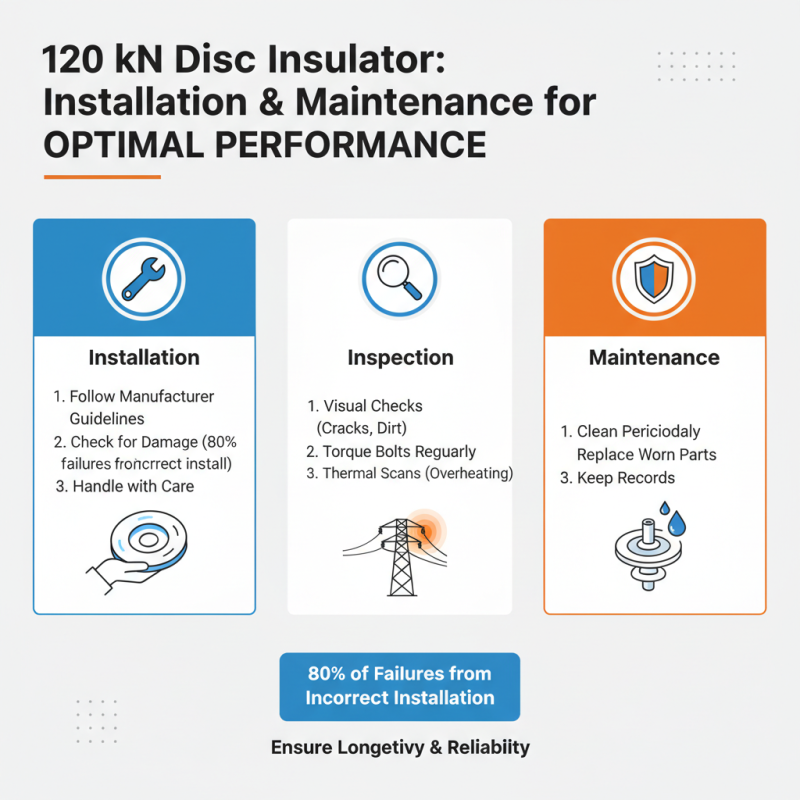
When it comes to the installation of 120 kN disc insulators, attention to detail is crucial. Proper installation ensures optimal performance and longevity. Reports suggest that 80% of failures in electrical systems may arise from incorrect installations. Therefore, it is essential to follow manufacturer guidelines carefully. Start by examining the product's packing. Look for any signs of damage. A damaged insulator is a risk.
Maintenance cannot be overlooked. Regular inspections are key to enhancing the lifespan of your insulators. Clean the surfaces of the insulators regularly to prevent the accumulation of contaminants that can lead to failures. An effective maintenance schedule can reduce issues by around 50%, according to industry assessments. Be aware of environmental factors. Pollution, humidity, and temperature fluctuations can impact performance. A thorough understanding of these factors will help you to mitigate risks.
Document your maintenance routines. This can provide valuable insights over time. Consider both visual and electrical testing methods. Many professionals advocate for adherence to the specific standards set by regulatory bodies. They emphasize that compliance is often the difference between reliable performance and a costly failure. These practices will lead to better decision-making and improved outcomes.
The Essential Role of U100bla 70kN 220kV Open Air Aerodynamic Disc Glass Insulator in High Voltage Applications
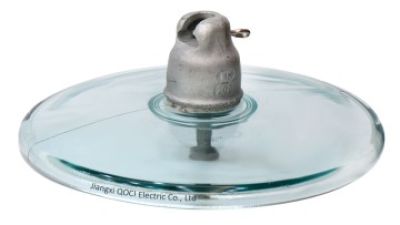
The U100bla 70kN 220kV Open Air Aerodynamic Disc Glass Insulator plays a crucial role in high voltage applications, particularly in the realm of electrical power transmission and distribution. Its robust design and high mechanical strength make it an ideal choice for ensuring the reliability and stability of electrical networks. Withstanding harsh environmental conditions, these insulators are specifically engineered to meet the IEC standards for safety and performance, offering effective insulation and support for high voltage lines.
Recent industry reports highlight that aerodynamic insulators, such as the U100A and U100bsa models, provide enhanced performance and durability in high voltage environments. For instance, the U100A Aerodynamic Type Glass Insulator is constructed to handle forces up to 100kN, making it capable of enduring the rigors of modern electrical systems. Moreover, data from the International Electrotechnical Commission underline the importance of using toughened glass insulators to minimize environmental impact while maintaining high electrical resistivity, which is critical for preventing operational failures in power lines.
Furthermore, advancements in materials science have allowed for the development of insulated units that exhibit superior resistance to pollution and environmental stressors. The U100bla insulator, with its aerodynamic design, not only reduces wind resistance but also enhances the overall aesthetic integration within high voltage installations. As electricity demand continues to rise globally, the necessity for reliable high voltage insulators becomes increasingly significant, emphasizing their essential role in the infrastructure of modern electrical grids.
FAQS
: Evaluate voltage levels, mechanical strength, and the physical environment. Each factor influences performance.
Not necessarily. Heavier insulators may complicate installation and require stronger structures. Consider the specific needs of your setup.
Porcelain offers durability, while composite materials are lighter and weather-resistant. Choose based on your application’s needs.
Insulators must exceed maximum operational voltage by at least 20% for safety and performance. This helps prevent failures.
Insulators in polluted regions need higher pollution withstand ratings. Without them, faster degradation and failure can occur.
Weight and size influence transportation and handling during installation. Ensure ease of installation to avoid future complications.
No, not all brands perform the same. Performance variances can reach 30%, impacting reliability.
Often, cheaper insulators need more repairs, leading to higher maintenance costs. Think carefully about initial savings versus future expenses.
The maintenance needs vary. Some insulators need more frequent inspections and cleanings than others. Planning is essential.
Don't ignore compatibility with existing components. Overlooking this can lead to failures. Reflect on your choices thoughtfully.
Conclusion
When selecting a 120 Kn Disc Insulator, it's crucial to understand its function and how it meets the specific requirements of your application. This involves considering various material options and key features, such as dielectric strength and mechanical durability, to ensure the insulator's performance aligns with your project's demands.
Additionally, evaluating the environmental conditions where the insulator will be used is essential in making the right choice. Understand the differences among various brands and models to identify the best fit for your needs. Finally, proper installation and maintenance practices are vital for optimizing the performance of your 120 Kn Disc Insulator, ensuring longevity and reliability in its application.