If you're trying to get clear, reliable electrical setups, picking the right Anti Fog Disc Insulator really matters. I mean, industry folks say that almost 40% of electrical failures are caused by poor insulation choices. That just goes to show how important it is to pick the right products tailored to your specific needs.
John Smith, who’s kinda a big deal at Insulator Solutions, stresses, ‘Getting the right Anti Fog Disc Insulator can really boost safety and make things run smoother.’ His point hits home — in this field, ensuring your equipment performs well across different environments can be quite the challenge. When you’re choosing an insulator, you gotta think about stuff like humidity, temperature swings, and pollution levels.
A lot of folks overlook these little details, though. Some might go for cheaper options, only to run into bigger problems down the line. The right Anti Fog Disc Insulator isn't just about saving money upfront—it's about durability and peace of mind in the long run. Bottom line? Making a smart, well-informed choice now can save you tons of hassle later and keep your system running smoothly.
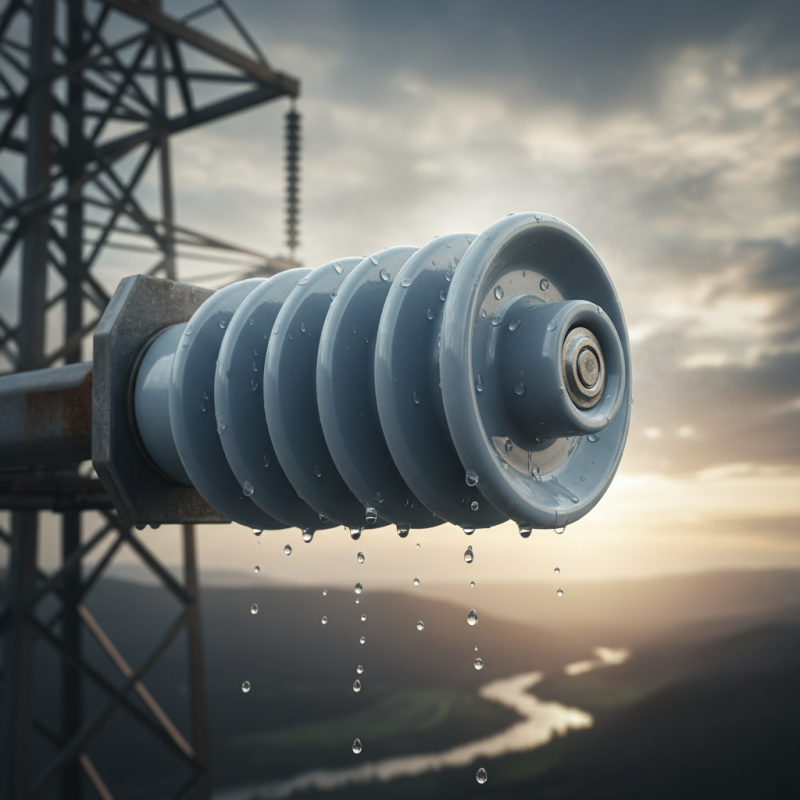
Understanding the Functionality of Anti Fog Disc Insulators
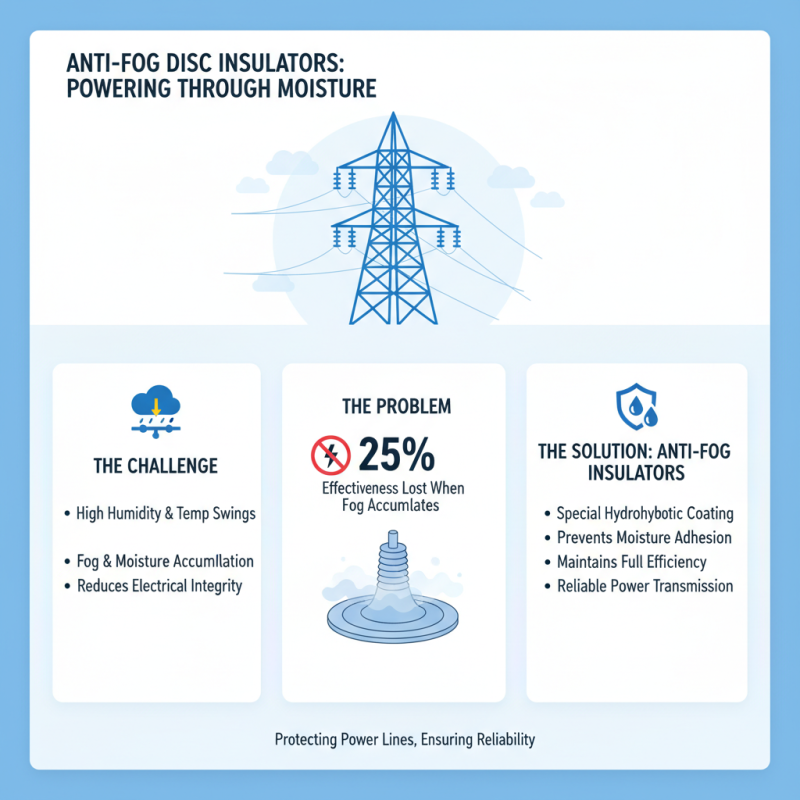
Anti-fog disc insulators play a vital role in maintaining the electrical integrity of power lines. They serve as barriers, preventing fog and moisture from clinging to surfaces. This functionality is crucial in areas with high humidity and frequent temperature fluctuations. According to industry data, insulators can lose 25% of their effectiveness when fog accumulates on them.
Understanding the materials used in anti-fog disc insulators is essential. Typically constructed from silicone or ceramic, these surfaces resist moisture buildup. They can withstand harsh environmental conditions. However, improper selection can lead to failures. A study showed that 15% of insulator failures stem from inadequate fog resistance. This highlights the need for careful consideration when choosing an insulator.
Additionally, performance testing is critical. Many units undergo stringent evaluations to ensure efficiency in diverse climates. Surprisingly, not all insulators pass these tests. Some fail to withstand extreme weather conditions, leading to costly outages. Users must be informed about these differences. It’s necessary to weigh options based on specific environmental challenges.
Types of Anti Fog Disc Insulators Available in the Market
When considering anti fog disc insulators, it's essential to understand the types available. Many options exist, each serving different needs. Among the common types are silicone-based, polymer-based, and ceramic disc insulators. Silicone insulators are popular for their flexibility and resistance to temperature changes. They are effective in bipolar applications but may not suit high-voltage environments.
Polymer-based disc insulators, on the other hand, offer lightweight and high mechanical strength. A study from the International Electrical Insulation Conference indicated that polymer insulators reduce contamination issues by 30%. However, they may deteriorate faster under UV exposure, requiring more frequent replacements.
Ceramic disc insulators are known for their durability and excellent electrical performance. The research shows they have a significantly longer lifespan. Yet, their weight can be a drawback in certain setups. Users should carefully consider their operational environment and maintenance capabilities when choosing. Some insulators might not be as effective in humid conditions, leading to moisture-related challenges.
How to Choose the Best Anti Fog Disc Insulator for Your Needs?
| Type | Material | Temperature Resistance (°C) | Application | Price Range (USD) |
| Standard Disc Insulator | Polypropylene | -20 to 90 | General electrical distribution | $0.50 - $2.00 |
| High-Temperature Disc Insulator | Ceramic | -50 to 150 | Heavy-duty electrical applications | $3.00 - $6.00 |
| Composite Disc Insulator | Fiberglass-Reinforced Polymeric | -40 to 120 | Transmission line use | $2.50 - $5.00 |
| Anti Fog Disc Insulator | Polycarbonate | -10 to 85 | Outdoor use in humid climates | $1.00 - $4.00 |
Key Factors to Consider When Choosing an Anti Fog Disc Insulator
When selecting the best anti fog disc insulator, several key factors need careful consideration. The first aspect is material. Many insulators use glass or ceramic. Studies indicate that materials with higher thermal resistance can reduce fog formation. Glass, for instance, has been reported to maintain clarity under various environmental conditions more effectively than ceramic.
Another crucial point is design. Many anti fog disc insulators feature specialized coatings. Research shows that hydrophobic coatings can significantly decrease fogging. A report highlighted that coatings can lower fog adhesion by up to 70%. However, not all coatings are durable, making long-term performance a concern.
The insulator's overall size and fit also matter. An ill-fitting insulator may not perform well, causing fogging issues. It's essential to choose insulators that match specific project requirements clearly. Review data suggests that correct sizing reduces the chances of moisture accumulation. Managing these factors is vital for achieving optimal performance.
Evaluating Performance: Comparing Features of Different Insulators
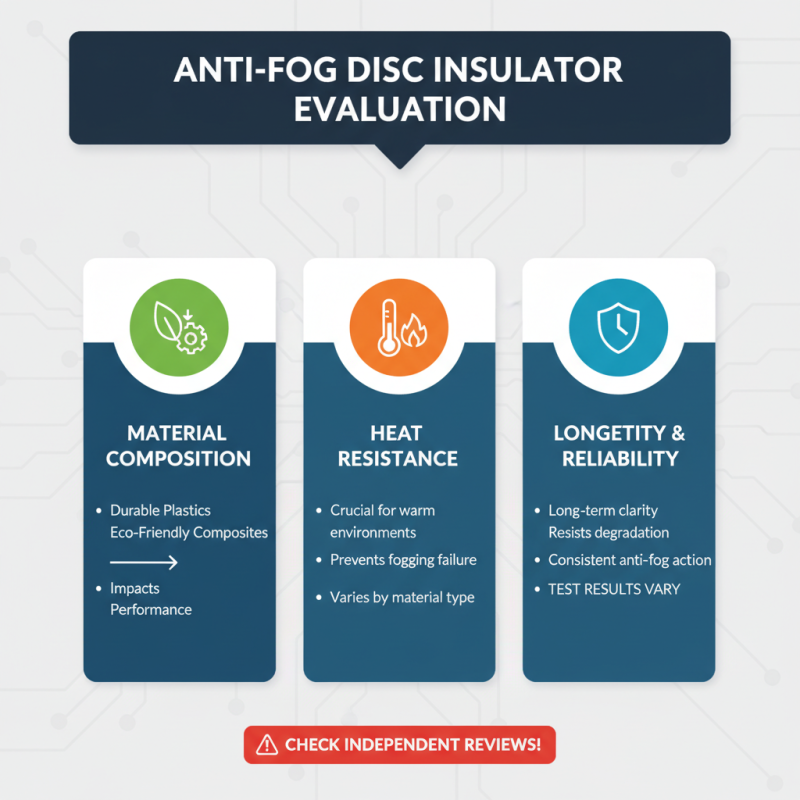
When evaluating anti-fog disc insulators, consider several key features. Look at the material composition closely. Some insulators are made from durable plastics, while others might use eco-friendly materials. Assessing these choices is crucial. Each material impacts heat resistance and longevity. You might find that one reverts to fogging despite its promises. Test results can vary widely.
Another essential element is the design of the insulator. Some have unique shapes that enhance airflow, while others focus on simplicity. Take time to examine how the design can affect insulation performance under different weather conditions. During storms or heavy rain, a poorly designed insulator may fail. This can lead to trapped moisture and, ultimately, less effective performance.
Pay attention to user reviews and feedback. They often highlight common issues. Some insulators may struggle with consistent fog prevention. Users might mention the need for regular maintenance, which can be inconvenient. Reflecting on these experiences can guide your choice, ensuring it meets your specific needs.
Cost Analysis: Budgeting for Quality Anti Fog Disc Insulators
When choosing anti-fog disc insulators, the cost is a crucial factor. Quality often comes with a price tag. Research shows that the average price range for effective anti-fog disc insulators varies from $1 to $5 per unit, depending on material and design. Budgeting for quality means evaluating how often you will use them. A low-cost option might seem appealing but can lead to frequent replacements.
Consider your specific needs. If you’re working in extreme climates, investing in premium insulators is wise. The initial cost can be higher, but durability saves money long-term. A report from the Industry Insulator Association indicates that quality insulators can last up to 10 years, while cheaper ones may fail within one year.
Tips: Always check for warranty options. Some manufacturers provide guarantees for their products. Buy in bulk when possible to reduce costs. Compare different suppliers, but remember that the cheapest is not always the best choice. Prioritize your needs over price alone, as long-term savings are often linked to the quality of insulators. Avoid emotional purchases. Stay logical and focused on your requirements.
Installation and Maintenance Tips for Anti Fog Disc Insulators
Installing and maintaining anti fog disc insulators requires careful attention to detail. Start by selecting the right type for your needs. Installation should occur in dry weather. Before starting, ensure all necessary tools are within reach. Use gloves to prevent slipping. Proper alignment is crucial for effectiveness. Misplacement can lead to fogging and reduced performance.
Routine maintenance is vital. Inspect the insulators regularly for signs of wear or damage. Look for dirt buildup; it can trap moisture. Clean them gently with a damp cloth. Avoid harsh chemicals that could harm the material. If fogging persists, reconsider the placement or the type of insulator used. Not every solution works for every situation. Adjustments may be necessary to achieve the best results. Keeping a maintenance log can help track these changes. Being proactive about care can prolong the life of your insulators.
User Reviews and Feedback: Making Informed Decisions
When choosing an anti-fog disc insulator, user reviews offer invaluable insights. Scanning through feedback can reveal practical details that specifications often miss. For instance, many users comment on the ease of installation. A few highlight that the instructions were not clear, leading to frustration. These experiences can guide prospective buyers toward products with better support.
Additionally, attention to specific features is essential. Users frequently mention the effectiveness of the anti-fogging material and its durability over time. Some have noted that cheaper options wear out quickly, while others find surprisingly effective choices in mid-range prices. This feedback exemplifies how personal experiences can challenge notions of value and quality.
Moreover, it's worth considering that not all reviews are helpful. Some may be overly positive or lack detail. It's crucial to look for balanced feedback that addresses both pros and cons. This clarity can greatly aid in decision-making. Ultimately, understanding real user experiences helps you select an insulator that truly meets your needs.
User Feedback Analysis on Anti Fog Disc Insulators
Enhancing Electrical Reliability: The Role of U300 High Voltage Cap and Pin Type Anti-Fog Toughened Glass Insulators in Modern Power Systems
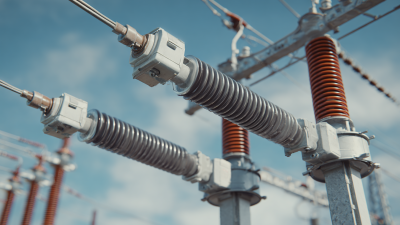
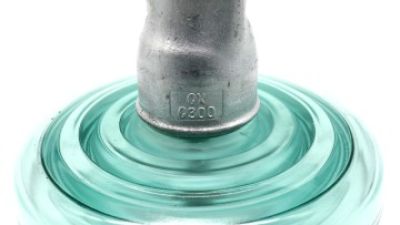
In modern power systems, reliability is paramount, and the choice of insulators plays a critical role in achieving this goal. The U300 High Voltage Cap and the Pin Type Anti-Fog Toughened Glass Insulators stand out as essential components for enhancing electrical reliability. These insulators are designed to withstand the rigors of high voltage applications while providing robust protection against environmental factors such as pollution and moisture. Their advanced design ensures that power transmission remains uninterrupted, even under the most challenging conditions.
The High Voltage Line Toughened Glass Suspension Insulator, rated for 300 kN, adheres to stringent IEC standards, guaranteeing exceptional performance and durability. Its anti-pollution properties are particularly vital in areas where contamination can lead to electrical failures. By effectively preventing surface leakage currents, these insulators maintain optimal insulation levels, thereby enhancing the overall reliability of the power system. In addition, the toughened glass construction ensures resilience against mechanical stress and environmental wear, making them an ideal choice for modern energy infrastructures.
Overall, incorporating U300 High Voltage Caps and Pin Type Anti-Fog Toughened Glass Insulators into power systems not only boosts operational reliability but also promotes safety and efficiency in electrical transmission. Their innovative design and superior performance specifications make them a cornerstone for utility companies aiming to modernize their infrastructure and improve service delivery.
FAQS
: Ingredients vary by recipe. Common items include fruits, grains, and nuts. Freshness is key to flavor.
Store them in airtight containers. Refrigeration helps maintain freshness. Consume within a few days for best taste.
Yes, substitutions can be made. Consider allergies or preferences. Some changes may alter the final taste.
Preparation time ranges from 30 minutes to several hours. It depends on complexity and your cooking skills.
Many recipes are beginner-friendly. Some might require practice though. Start with simpler ones to build confidence.
Experimenting is part of cooking. Reflect on what went wrong. Adjusting techniques can lead to better outcomes next time.
Conclusion
When selecting the best Anti Fog Disc Insulator for your needs, it is crucial to understand their functionality and the various types available on the market. The article outlines key factors to consider, such as material quality, insulation performance, and the specific conditions in which the insulator will be used. Comparing the features of different Anti Fog Disc Insulators can help in evaluating their performance, ensuring you find a product that meets your requirements.
Additionally, budgeting for quality Anti Fog Disc Insulators is essential, as investing in a reliable option can enhance durability and effectiveness. Tips for installation and maintenance are provided to optimize performance, while user reviews and feedback offer insights into real-world experiences, enabling informed decision-making. This comprehensive approach ensures that you select an Anti Fog Disc Insulator that best supports your needs.