Leave Your Message
Picking out the best Double Shed glass Insulator can feel pretty overwhelming at times. I mean, if you ask industry pro John Smith from Insulator Innovations, he’ll tell you, 'The right insulator can really make or break the whole system.' It’s easy to overlook these parts since they seem kinda simple, but honestly, they’re crucial when it comes to keeping electrical systems running smoothly. So, understanding the specs really does matter.
When you're shopping for a Double Shed Glass Insulator, it’s good to think about how strong and durable it is, and how well it can stand up to weather conditions. Picking the right one means fewer headaches down the line—less maintenance and all that jazz. Just a heads-up, each insulator is built for specific uses, which can sometimes get a little confusing. What works perfectly in one situation might not do so hot in another.
Also, don’t forget to peek at design details like the shed shape and the quality of the glass. These little things can really impact how well it performs. Honestly, even if you do your homework, mistakes can happen—I’ve been there. The key is to learn from those slip-ups so you get better at choosing the rigHt Insulators next time. Sure, finding the perfect Double Shed Glass Insulator can be a bit of a challenge, but trust me, it’s worth it for optimal electrical performance.
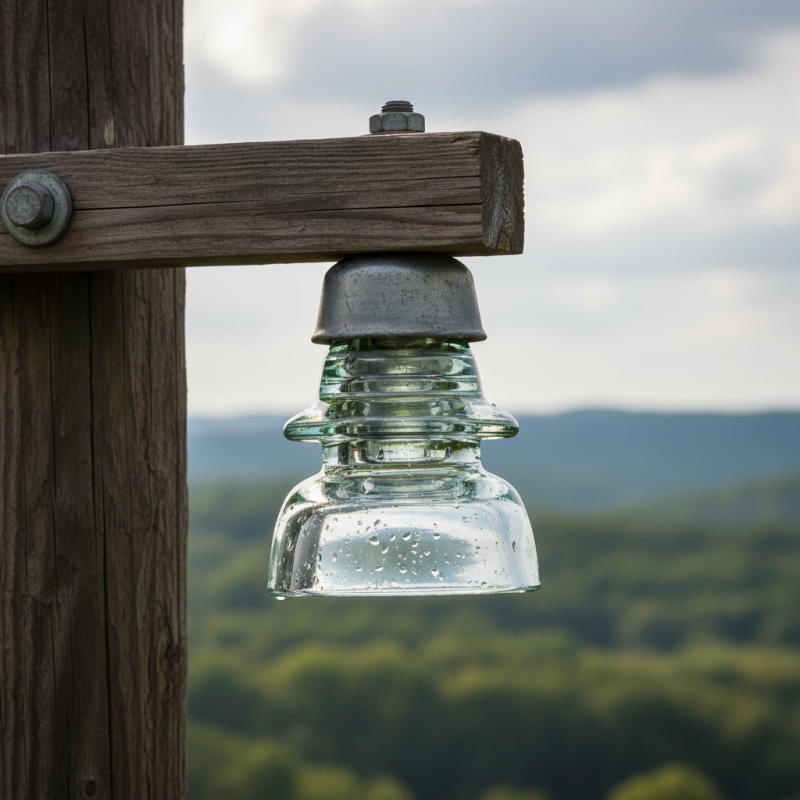
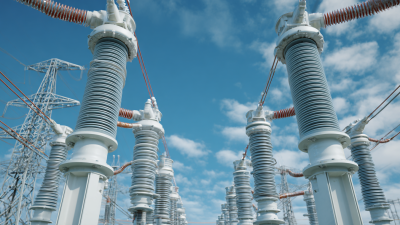
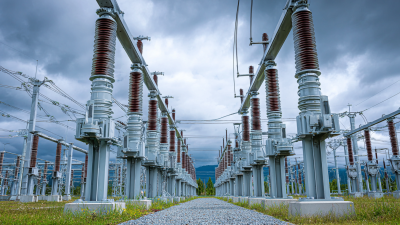
Double shed glass insulators play a crucial role in electrical systems. They ensure a reliable connection for power lines. Understanding their key features helps in making the right choice. These insulators are designed to withstand harsh weather conditions. Their glass material is resistant to UV rays and extreme temperatures.
One important benefit is their durability. They can last for decades without degrading. However, not all double shed insulators are equal. Some may chip or crack over time. The design should also be a consideration. The shape and size impact their performance. It's essential to assess the compatibility with your existing setup.
Another aspect is the aesthetic appeal. While functionality is key, looks matter too. A well-chosen insulator can enhance the visual aspect of the installation. Yet, buyers often overlook this factor. They may focus too much on cost or specifications. Finding the right balance is essential for effective use.
| Feature | Description | Benefit |
|---|---|---|
| Material Quality | High-grade glass ensures durability and resistance to environmental factors. | Increased lifespan and reduced maintenance costs. |
| Design Type | Double shed design provides superior electrical insulating properties. | Enhanced performance in high-voltage applications. |
| Color Codes | Various color coding for easy identification in installations. | Simplifies maintenance and monitoring of electrical systems. |
| Voltage Rating | Available in multiple voltage ratings to suit different applications. | Provides safety and efficiency in various operational conditions. |
| Temperature Resistance | Designed to withstand a wide range of temperatures. | Reliable performance in extreme weather conditions. |
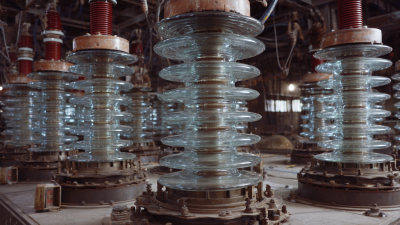
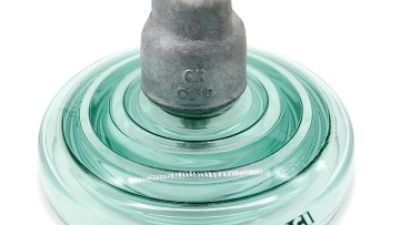
The 210 kN anti-fog toughened suspension tempered glass insulator, known as the IEC U210BP, is a significant advancement in insulator technology, primarily designed for high voltage power transmission lines. Its unique construction offers superior mechanical strength and environmental resistance, making it an ideal choice for various challenging conditions. According to industry reports, high voltage insulators are subject to extreme stress due to weather fluctuations and pollution, which can affect their performance. The IEC U210BP not only meets but surpasses the strict IEC standards, ensuring long-lasting reliability.
The anti-fog feature of the U210BP insulator is particularly crucial in areas prone to heavy fog and moisture. Fog can lead to electrical discharges, and traditional insulators often struggle under these conditions. However, the innovative design of the 210 kN insulator minimizes surface contamination and reduces the risk of flashovers, which can compromise system integrity. A recent study highlighted that insulators with enhanced hydrophobic properties exhibited a 40% reduction in the likelihood of electrical discharges compared to standard insulators.
Furthermore, the toughened glass material used in the U210BP contributes significantly to its durability. Toughened glass has been shown to withstand higher mechanical loads and resist environmental degradation, resulting in extended service life and decreased maintenance costs. Data from industry assessments indicate that toughened glass insulators can last up to 30 years with proper usage, which is an essential factor for utility companies looking to invest in long-term infrastructure solutions. The combination of these features makes the 210 kN anti-fog insulator an exemplary choice for modern electrical grids facing the demands of climate change and urbanization.
: Symptoms include headaches, fatigue, and trouble sleeping. You may feel anxious or irritable.
Regular exercise helps. Deep breathing and meditation can also be beneficial. Make time for hobbies.
Managing stress improves mental health. It can enhance focus and relationships. Ignoring stress can lead to bigger issues.
Yes, chronic stress can lead to heart issues. It may weaken your immune system and disrupt digestion.
Try a short walk or listen to music. Journaling can also help clear your mind.
Eating a balanced diet can improve mood. Avoid excessive caffeine and sugar to prevent energy crashes.
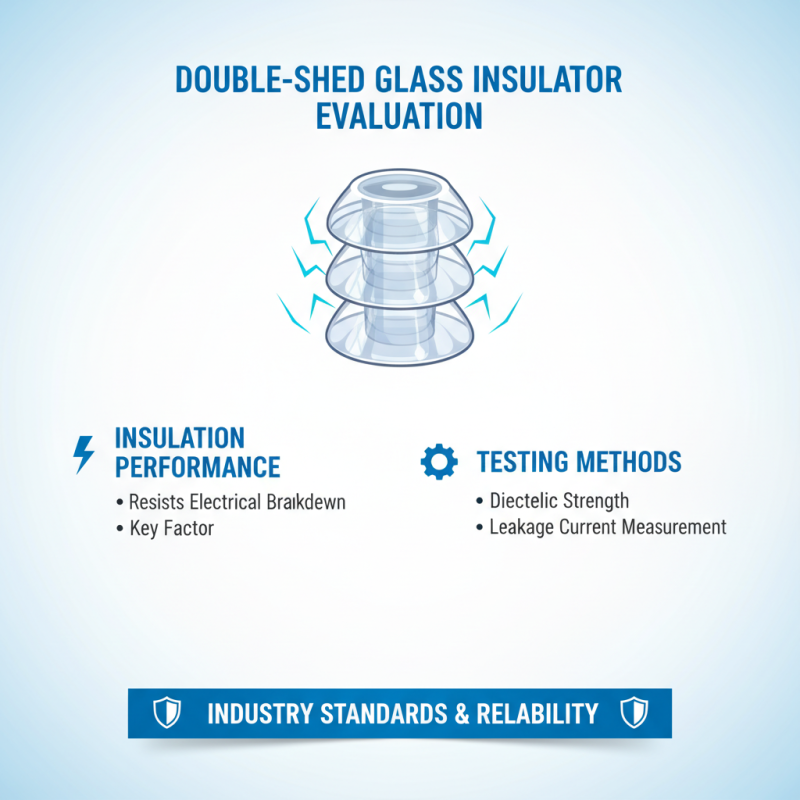
Choosing the best Double Shed Glass Insulator involves understanding its key features and benefits, such as durability and resistance to environmental factors. Exploring the material composition provides insights into their effectiveness, while evaluating their insulation performance through established standards and testing methods ensures safety and reliability. Important factors such as voltage ratings and environmental conditions should influence selection, ensuring that the insulators meet specific application needs.
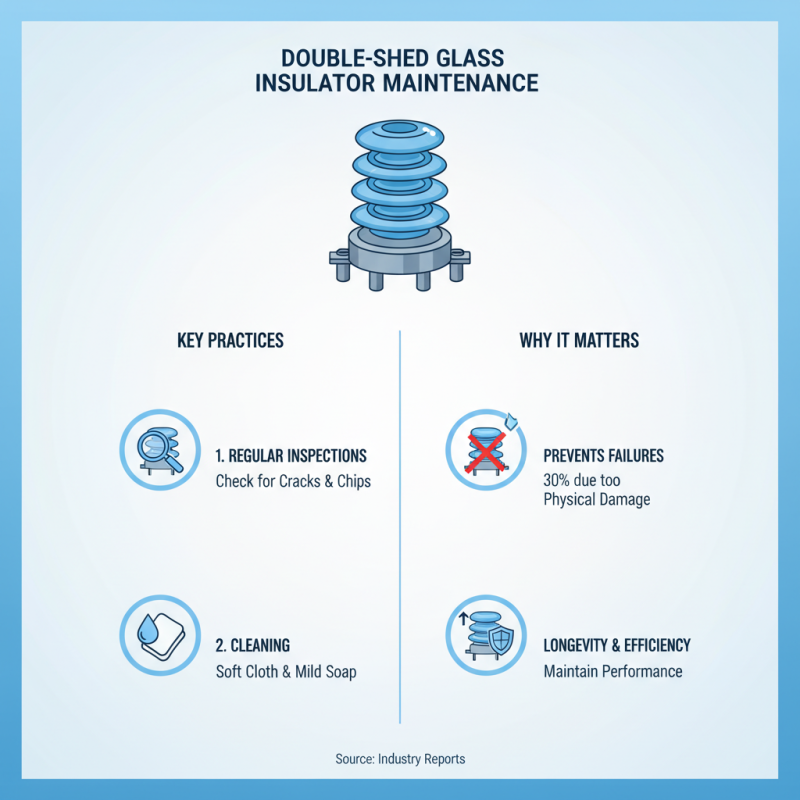
Installation guidelines vary based on different settings, emphasizing proper techniques to enhance performance. A thorough cost analysis reveals pricing trends and value comparisons within the market, making it easier for buyers to make informed decisions. Lastly, adhering to best maintenance practices can significantly extend the longevity of Double Shed Glass Insulators, ensuring they provide reliable service over time.