Picking out the right glass Insulator can feel pretty overwhelming at first. I mean, every kind has its own set of features you need to consider for it to work well. Like Robert Johnson, a pretty respected guy in the insulation world over at ClearView Insulators, he once said, “The right glass insulator is totally key for both efficiency and safety.” That really drives home just how important it is to make a smart choice.
When you start looking at the different types of glass insulators out there, things can get even more complicated. Stuff like voltage ratings, the environment where you'll be using it, and how tough it is physically — all of these matter a lot. You really gotta match those specs with what you actually need. Trouble is, a lot of folks overlook the small details. They might go for a high-voltage insulator but forget to check if it’s compatible with their existing setup, which can end up causing problems or failures down the line.
And honestly, watch out for trends that seem to prioritize looks over actual performance. Some insulators might catch your eye with a sleek design, but if they don’t perform well, it’s kind of pointless. Doing your homework beforehand really pays off. It helps you avoid missing something important and makes sure your insulator is reliable and built to last.

Understanding Glass Insulators and Their Functionality
Glass insulators play a crucial role in electrical systems. They support and isolate conductors, ensuring safe transmission of electricity. Understanding their functionality helps in selecting the right type for your needs. Typically, glass insulators are favored for their durability and performance. According to industry reports, glass insulators can withstand extreme weather conditions, making them versatile in various environments.
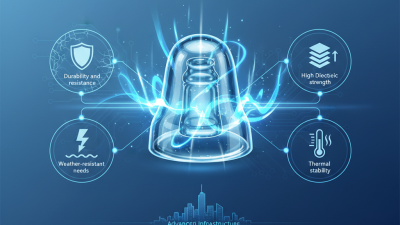
When considering glass insulators, pay attention to their electrical strength and mechanical durability. A study by the Institute of Electrical and Electronics Engineers found that glass insulators have high dielectric strength, which reduces the risk of electrical failure. Moreover, their ability to resist environmental degradation adds to their reliability.
Tips:
Choose insulators based on voltage rating. Higher ratings often provide better performance. Additionally, consider your local climate. In dry regions, insulators with lower pollution levels may suffice. However, more robust options are essential in coastal areas.
Being aware of the installation process is key. In some cases, improper installation can lead to significant issues. Always assess the specific requirements based on your location and power needs. Remember, the right choice not only enhances safety but also optimizes the overall efficiency of your electrical system.
Types of Glass Insulators: A Comprehensive Overview
Glass insulators play a crucial role in electrical systems. Their types vary, each serving a specific purpose. The two main categories are suspension insulators and pin insulators.
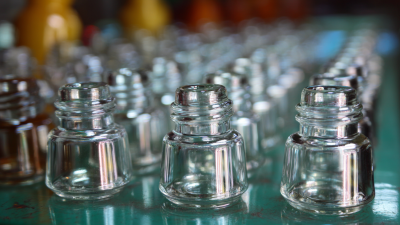
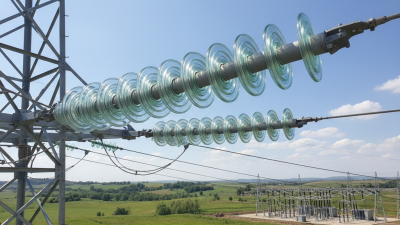
Suspension insulators are often used in high-voltage power lines. They are designed to hang from a larger conductor. This design helps to reduce the mechanical load on the supporting structures. Industry reports indicate that up to 80% of high-voltage lines employ this type of insulator. Their transparency allows for visual inspections, which aids in maintenance.
Pin insulators are typically found on lower-voltage distribution lines. They attach directly to utility poles and are usually made from toughened glass. According to research, these insulators exhibit excellent dielectric strength and withstand environmental stresses. However, their resilience can vary based on manufacturing quality. A common concern among consumers is their potential fragility under extreme weather conditions. Overall, understanding these nuances is key to selecting the right insulator for your needs.
Factors to Consider When Choosing a Glass Insulator
When choosing a glass insulator, consider the type of application. Different projects demand different insulator styles. For overhead lines, pin-type insulators are popular due to their durability. Suspension insulators are ideal for long spans and higher voltages. Think about the weather conditions, too. Harsh climates can affect performance.
Material quality is another crucial factor. The glass should withstand environmental stress. Look for insulators with low thermal expansion rates. This ensures they won’t crack or break easily. Check for clarity. High-quality glass is usually transparent. It indicates fewer impurities, translating to better strength.
Don’t forget maintenance needs. A reliable insulator should require minimal upkeep. Inspect your choice for any surface defects. These may lead to unexpected failures. Overall, thorough research helps in selecting the right glass insulator. Ensure it aligns with your specific requirements.
How to Choose the Best Glass Insulator for Your Needs? - Factors to Consider When Choosing a Glass Insulator
| Factor | Description | Example Value |
| Material Quality | Assess the durability and weather resistance of the glass material used. | High-density borosilicate glass |
| Size | Determine the appropriate size based on your installation requirements. | Diameter: 5 inches |
| Voltage Rating | Choose an insulator that can withstand the voltage applicable to your setup. | Up to 25 kV |
| Style | Select the style that suits your aesthetic and functional requirements. | Suspension or pin-style |
| Installation Type | Consider whether the insulator will be used for overhead lines, pole installations, etc. | Overhead transmission lines |
| Cost | Evaluate your budget while ensuring quality and performance are not compromised. | $5 - $20 per unit |
Assessing Voltage Ratings and Their Importance
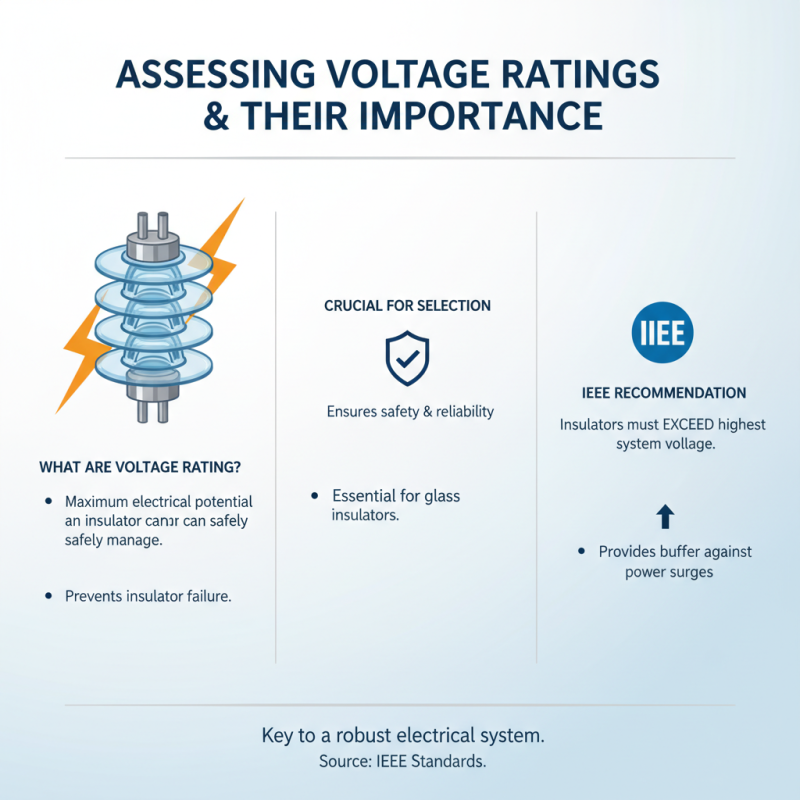
When selecting the best glass insulator, voltage ratings play a crucial role. Voltage ratings indicate the maximum potential the insulator can safely manage without failure. According to the Institute of Electrical and Electronics Engineers (IEEE), insulators must exceed the highest system voltage by a significant margin. This ensures a safe buffer against sudden surges.
For example, a common utility voltage of 13.8 kV requires insulators rated for at least 15 kV. Insulators with higher voltage ratings—like 25 kV or 35 kV—offer even more safety. This allows systems to handle unexpected spikes safely. The absence of adequate voltage ratings can lead to failed insulators and increased maintenance costs. Reports indicate that 30% of electrical failures stem from improper insulation.
Understanding environmental factors also matters. Temperature fluctuations affect material properties. Glass insulators may weaken at extreme temperatures. A reliable voltage rating must factor in these conditions to ensure long-term efficacy. Research indicates that insulator failures often occur in adverse weather. Ignoring environmental influences could compromise the selection process, leading to poor performance and safety issues. Regular assessments can help maintain optimal performance.
Environmental Conditions and Their Impact on Insulator Selection
When choosing a glass insulator, environmental conditions play a critical role.
Humidity, temperature fluctuations, and exposure to chemicals can all influence insulator performance. In a coastal area, high humidity and salt exposure can lead to corrosion over time. This might require more resilient options that can withstand these specific challenges.
In addition, temperature variations can affect the thermal expansion of materials. Insulators need to handle these changes without cracking or losing effectiveness. Extreme frost or intense heat can compromise insulation properties. A thorough assessment of local weather patterns can guide your selection process.
It's also essential to consider the physical environment. Dense vegetation or nearby industrial activity can introduce unexpected contaminants. If insulators are exposed to airborne particles, this can lead to degradation. Reflecting on your environment helps ensure the longevity and functionality of your insulator choices.
Installation Requirements and Best Practices
When installing glass insulators, attention to detail is crucial. Proper installation can significantly impact their effectiveness and durability. Choose a solid base to support the insulator. The surface must be clean and dry. Any debris can compromise the seals.
Ensure you have the right tools at hand. This includes clamps, brackets, and safety gear. Poor installation practices can lead to failures over time. Always follow the manufacturer’s guidelines for specific requirements. Remember, incorrect voltage ratings can create hazards.
Often, the environment plays a key role in performance. Factors like extreme weather can affect the insulator's longevity. Regular inspections are necessary to catch any damages early on. If you notice any cracks or discoloration, it may be time for a replacement. Stay informed about the latest best practices in installation and maintenance. This ensures long-lasting and reliable performance.
Maintenance Tips for Prolonging the Life of Glass Insulators
Maintaining glass insulators is crucial for their longevity and effectiveness. To start, regular inspections help identify any cracks or chips. Research indicates that 15% of insulator failures stem from surface defects. Inspecting at least twice a year can mitigate this risk. A visual check can make a big difference, ensuring early detection.
Cleaning is another vital aspect of maintenance. Accumulated dirt and debris can lead to reduced performance. Experts recommend using a non-abrasive cleaner for effective results. In environments with high pollution or salt exposure, monthly cleaning might be necessary. Even minor neglect can accumulate, leading to significant long-term issues.
Storing insulators properly also contributes to their lifespan. Avoid extreme temperatures and humidity. Storing insulators indoors can prevent weather-related damage. According to a study, improper storage can decrease lifespan by up to 30%. It’s essential to ensure each insulator is placed securely. This prevents accidental breakage during handling.
Enhancing Electrical Infrastructure: The Role of 120kn Toughened Glass Insulator in Pollution Resistance
In the modern era where environmental challenges are increasingly becoming a concern, enhancing electrical infrastructure is essential. One significant advancement in this domain is the use of 120 kN toughened glass insulators, specifically designed to combat pollution effects on power transmission systems. These insulators are engineered to meet IEC standards and offer robust performance in harsh conditions. Their toughened glass construction not only provides high mechanical strength but also ensures that the insulators are resistant to contaminant accumulation, minimizing the risk of electrical outages due to environmental factors.
The application of toughened glass suspension insulators in high-voltage lines plays a critical role in maintaining the reliability and efficiency of electrical systems. With a pollution resistance that exceeds traditional insulators, these products significantly reduce maintenance requirements and prolong operational life. The design enables them to withstand various climatic conditions and resist the degradation commonly associated with airborne pollutants. As utilities prioritize reliable infrastructure, the adoption of advanced insulators like these signifies a proactive approach towards safeguarding electrical networks against pollution-related challenges.
FAQS
: Consider the application type, climate, and the insulator style. Different uses need different designs.
Humidity, temperature changes, and chemicals can affect performance. Assess local weather patterns.
High-quality glass withstands stress and has low thermal expansion. This prevents cracks and breaks.
Look for surface defects, cracks, or discoloration. These can lead to malfunction or failure.
Ensure a clean, dry base and use proper tools. Follow installation guidelines closely for safety.
Regular inspections catch damages early. Neglecting them can lead to unexpected failures and replacements.
Extreme temperatures can compromise their insulation properties. Insulators must handle thermal expansion changes.
Airborne particles from vegetation or industry can degrade performance. Reflect on your location’s cleanliness.
Incorrect installation can lead to failures. Always adhere to guidelines and check voltage ratings.
Regular inspections are crucial. They help ensure long-lasting and reliable performance.
Conclusion
When selecting the best glass insulator for your specific needs, it's essential to understand their functionality and types. Glass insulators serve a critical role in electrical systems by supporting and separating conductors. The comprehensive overview of the various types available can help in making an informed decision. Factors such as voltage ratings, environmental conditions, and installation requirements play a significant role in the effectiveness of the chosen insulator.
Proper assessment of voltage ratings ensures safety and reliability, while environmental factors can influence the type of glass insulator suitable for a particular application. Additionally, adhering to best practices during installation and implementing maintenance tips can significantly prolong the life of glass insulators, ensuring optimal performance over time. Making an informed choice based on these considerations will lead to enhanced safety and efficiency in your electrical systems.