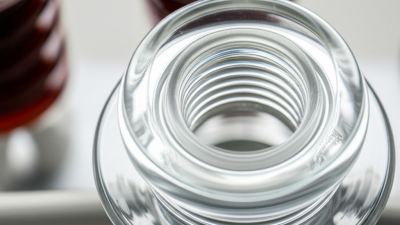
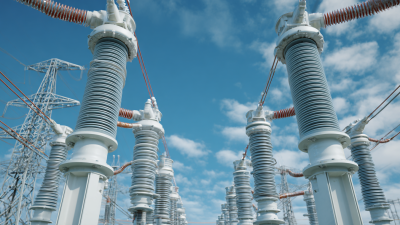
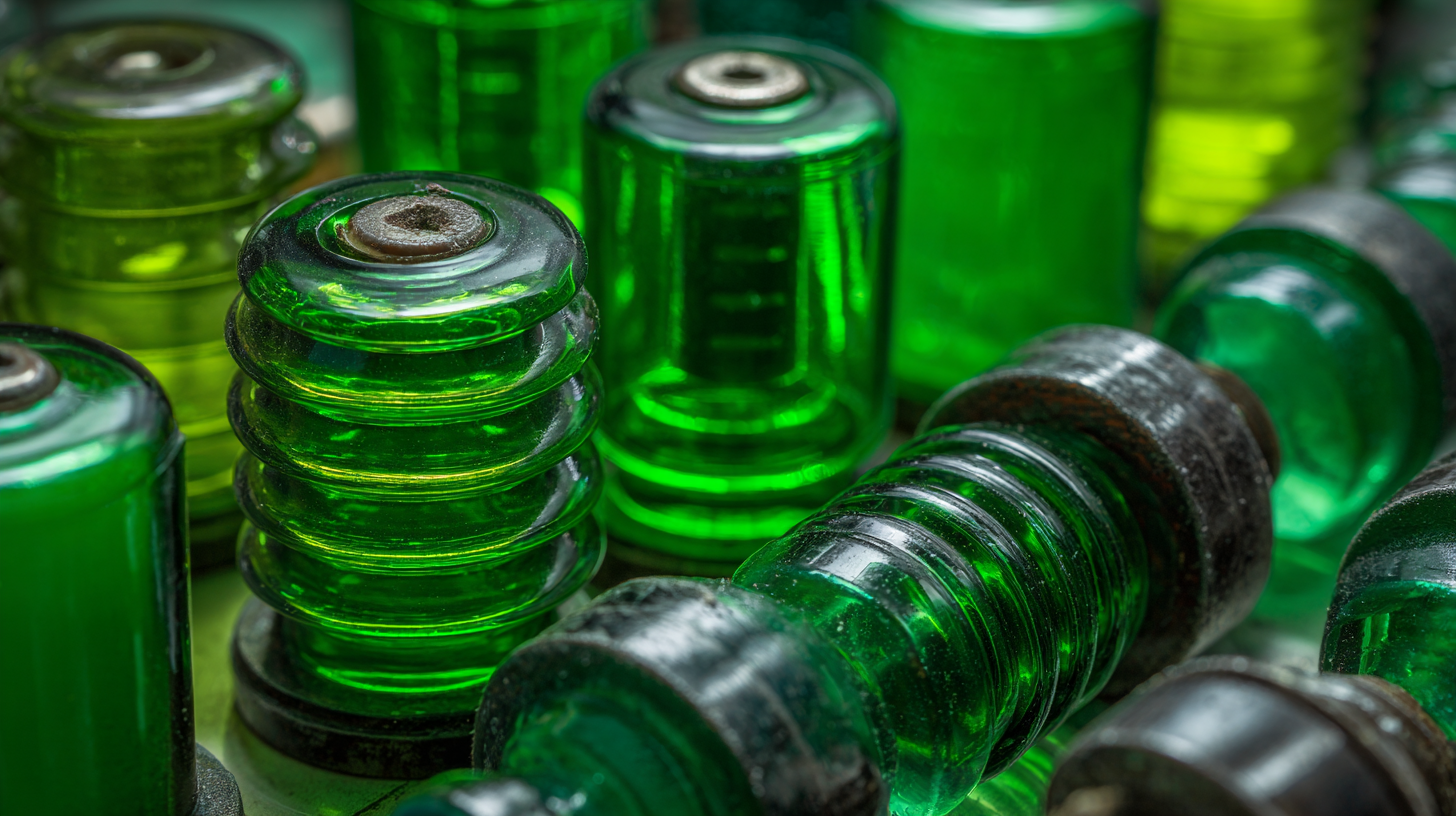
 When you're trying to pick out the best Green Glass electrical insulatorsfor your specific needs, it’s really important to understand what makes these insulators special and beneficial. Not only do Green glass Insulators play a key role in keeping electrical systems running smoothly and reliably, but they also help out with being more environmentally friendly. Our company,Jiangxi QOCl Electric, was founded back in December 2002, and since then, we’ve stayed right at the leading edge of this field. We use some pretty advanced technology and have a solid focus on R&D to keep improving. Because we’re experienced in making all kinds of glass and circuit insulators, we can offer a variety of high-quality green glass options that fit a wide range of operational needs. In this guide, I’ll walk you through some of the main things you should think about when selecting the right insulators—so you can make a smart choice that checks both your performance needs and your environmental values.
Understanding the Different Types of Green Glass Electrical Insulators
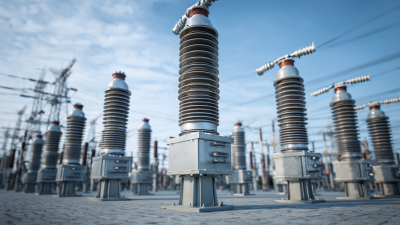
When you're picking out green glass electrical insulators, it’s really helpful to know the different types out there, since each one’s made for specific uses depending on what you’re working on. For example, one popular choice is the suspension insulator — that’s what you see supporting those big overhead power lines.
They’re built to handle really high voltages and can take a beating from bad weather, so they’re perfect for outdoor setups. And that green color? It’s not just for looks; it actually helps them blend into the surroundings a bit, so they don’t stand out as much visually.
Then there’s the pin insulator, which usually gets mounted right onto utility poles. These are pretty tough, designed to support the weight of the wires without letting any current leak to the pole itself. The green glass makes them durable and reliable, resisting UV damage and easily lasting for decades.
Oh, and don’t forget about line post insulators — you’ll find those in substations and along distribution lines, giving stability and insulation for vertical structures. Knowing the differences between these types will definitely help you pick the right insulator for your electrical needs, so it’s worth getting familiar with each one.
Key Factors to Consider When Choosing Insulators for Your Project
When you're on the hunt for the best green glass electrical insulators for your project, there are a few key things you should keep in mind. First off, take a good look at the voltage rating of the insulator. You want to make sure it can comfortably handle the electrical load you'll be putting through it — nobody wants surprises, right? Since different setups might need insulators rated for various voltages, knowing exactly what you need is super important so you can make the right choice.
Another thing to think about is where you're planning to install these insulators. Glass insulators are pretty durable overall, but if they’re going to be exposed to tough weather, pollution, or corrosive stuff, that can really affect how well they perform over time. So, it's worth assessing the environment to pick insulators that can stand up to those stressors. That way, you get something that lasts longer and stays reliable.
And of course, don’t forget to look at the design and size. These detail choices can influence how the insulators look and how well they work for your particular setup. All in all, choosing the right insulator is really about balancing performance, durability, and fitting perfectly into your project’s needs. It’s all about finding that sweet spot where everything just clicks.
How to Choose the Best Green Glass Electrical Insulators for Your Needs - Key Factors to Consider When Choosing Insulators for Your Project
| Insulator Type | Voltage Rating (kV) | Height (cm) | Weight (kg) | Temperature Range (°C) |
| Suspension Insulator | 33 | 45 | 3.2 | -40 to +60 |
| Pin Insulator | 25 | 30 | 1.5 | -30 to +70 |
| Line Post Insulator | 15 | 38 | 2.0 | -40 to +50 |
| Shackle Insulator | 11 | 25 | 0.8 | -20 to +60 |
Assessing Environmental Conditions and Their Impact on Insulator Performance
When you're choosing green glass electrical insulators, it’s pretty important to think about the environment where they’ll be used. Things like humidity, temperature swings, and exposure to pollutants can really impact how well they perform. For example, high humidity might cause more leakage current, and really hot or cold weather can make the insulators expand or shrink — sometimes even leading to cracks if they’re not suitable. So, it’s a good idea to pick insulators that are robust enough to handle your local weather to make sure they last a long time.
Here’s a tip: always check out what kind of climate and environmental conditions are surrounding your installation spot before you buy. If your area gets heavy storms or extreme temperatures, look for insulators made for those tough conditions. And if you're near the coast, keep in mind that salt spray can cause corrosion, so you might want to go for specially coated insulators that can resist that kind of damage.
Another thing to keep in mind is pollution levels. In city or industrial areas, pollution tends to settle on the insulators, which can reduce their effectiveness. Choosing insulators with hydrophobic qualities—meaning they repel water—can be a real lifesaver here, helping to keep dirt and grime at bay. Regular cleaning and maintenance are also key to keeping your insulators in good shape and working reliably, no matter what kind of weather they face.
Environmental Conditions Impacting Green Glass Electrical Insulators Performance
This chart illustrates how different environmental conditions affect the efficiency of green glass electrical insulators. Each bar represents the performance level in various conditions such as humidity, temperature, and pollution. This helps in choosing the best insulator for specific environmental challenges.
Evaluating Quality and Durability: How to Ensure Long-lasting Insulators
When you're choosing green glass electrical insulators, it’s really important to check their quality and how durable they are. Good insulators are usually made from top-notch glass, which helps them handle different weather conditions without a problem. Take a look at the surface—if it’s smooth and even, and the color looks consistent, those are good signs that the glass was made carefully. On the flip side, watch out for any imperfections like bubbles or cracks; these tiny flaws can weaken the insulator and potentially cause issues down the line.
Durability matters a lot too. You want insulators that can last years, even when exposed to sunlight, moisture, or extreme temperatures. It’s a smart move to pick products that have gone through thorough testing for both electrical and mechanical strength. And don’t forget to consider the reputation of the manufacturer—brands known for making durable insulators usually use better materials or protective coatings to extend their lifespan. Going for high-quality insulators that are proven to last means you’ll get reliable performance for a long time, reducing the chances of failures or needing repairs sooner than expected.
Budgeting for Your Insulator Purchase: Finding Cost-effective Options
When you're planning your budget for green glass electrical insulators, it's really important to look for options that are budget-friendly but still keep quality and safety in check. I came across a report from the Global Insulator Market, and it mentioned that because there's a growing demand for high-voltage insulators, manufacturers are ramping up production, which is actually helping to keep prices from skyrocketing. As of 2021, industry insiders said that a typical glass insulator might cost anywhere between $5 and $20 each — but of course, it depends on who’s making it, its size, and the voltage it’s rated for. Getting a good handle on this price range is super useful so you can make smarter buying choices.
Oh, and here’s a little pro tip: buying in bulk can really save you some cash. According to the Insulator Manufacturers Association, folks who buy larger quantities could be saving up to 30% compared to buying small amounts. This not only helps keep your project on budget but also makes sure you’ve got enough insulators to go around. Also, don’t forget to check out regional suppliers — local distributors often have more competitive prices and lower shipping costs since they’re nearby. With these tips in mind, you can pick the insulators that suit your needs without breaking the bank, making the whole process a bit more manageable and less stressful.
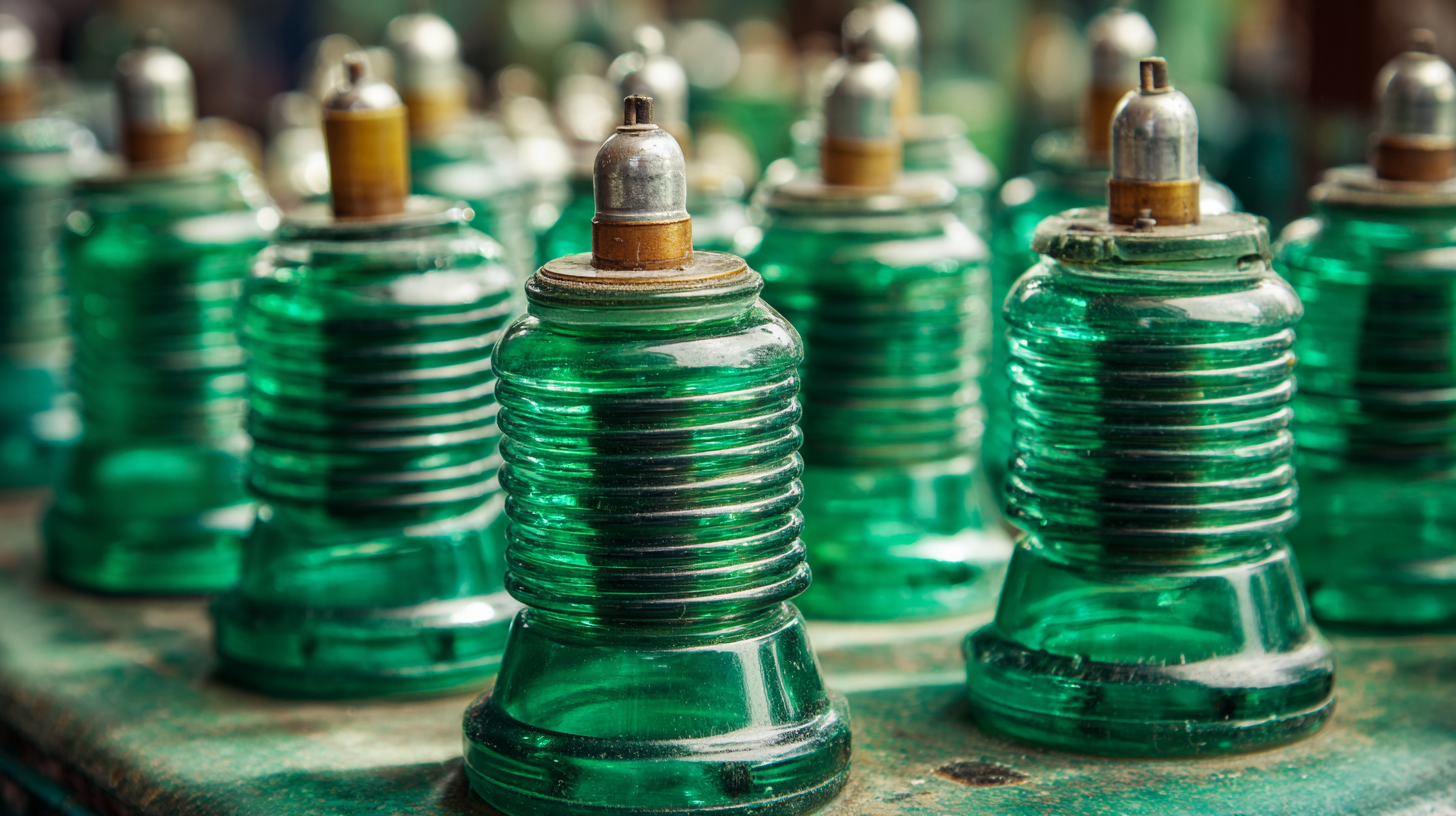
Where to Buy: Recommended Suppliers for Green Glass Electrical Insulators
When you're on the hunt for green glass electrical insulators, choosing the right supplier really matters—it's key to getting good quality and reliability. Did you know that in 2022, the global market for electrical insulators was worth around $11.34 billion? And it’s expected to keep growing at about 5.7% annually from 2023 through 2030. That just goes to show how much demand there’s for high-performance insulators these days. So, finding trusted suppliers who can tick all your boxes—both technically and budget-wise—is pretty much essential.
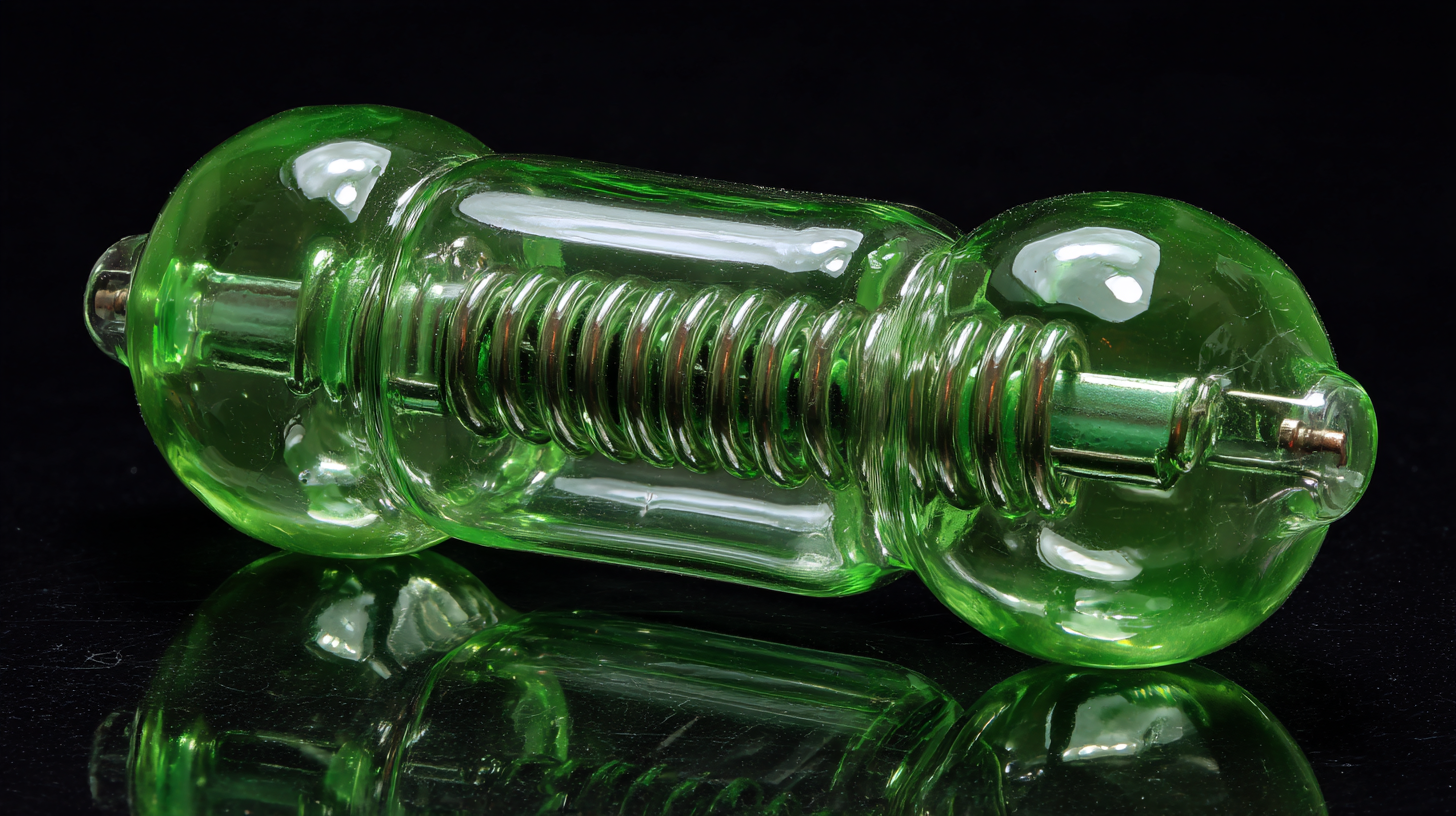
One company I’d recommend is AEGIS Electrical Insulators. They’ve got a pretty solid reputation for offering a wide range of glass and ceramic insulators that meet strict international standards. Another name to keep an eye on is Insulator Design—they’re really good at creating custom solutions, especially for tough environments like extreme temperatures or places with lots of corrosion. These guys not only offer competitive prices but also go the extra mile with support—think technical advice and after-sales service—so you’re not left in the dark when choosing the right insulator for your project.
FAQS
: Key factors include voltage rating, environmental conditions, and the design and size of the insulators. It's crucial to ensure that the insulators can handle the electrical load, resist environmental stressors, and fit the specific application requirements.
The voltage rating is essential because it indicates whether the insulator can handle the specific electrical load it will be subjected to. Different applications require insulators rated for varying voltages, so understanding your needs is vital.
Environmental conditions such as harsh weather, pollution, and exposure to corrosive substances can impact the performance of insulators. Assessing these factors helps in selecting insulators that will enhance longevity and reliability.
Yes, the design and size of insulators can affect both aesthetics and functionality. Choosing the appropriate design is important for ensuring optimal performance in your specific application.
Recommended suppliers for green glass electrical insulators include AEGIS Electrical Insulators, known for their high-quality products, and Insulator Design, which specializes in custom solutions for specific environmental conditions.
The global electrical insulator market was valued at approximately $11.34 billion in 2022 and is projected to grow at a CAGR of 5.7% from 2023 to 2030, indicating an increasing demand for high-performance insulators.
Suppliers often provide extensive support, including technical advice and after-sales services, helping customers make informed choices for their electrical insulation needs.
Selecting trusted suppliers is crucial to ensure the quality and reliability of insulators, as high-performance insulators are essential for safety and effectiveness in electrical applications.
Conclusion
Picking the right green glass electrical insulators is pretty important for all kinds of electrical projects. This guide walks you through the different types out there, highlighting things like environmental factors and how they can affect performance. Plus, it’s got some handy tips on how to check the quality and durability of these insulators, so they can really stand the test of time. Of course, budget matters too — we’ll share some ideas for finding good options without breaking the bank. And to make things even easier, we point out some trusted suppliers in the market, so you don’t have to hunt around too much to find the right products for your needs.
At Jiangxi QOCl Electric Co. Ltd., we use advanced technology and strong R&D capabilities to craft high-quality green glass insulators. We’re committed to delivering top-notch products that meet the high standards of the electrical industry, helping our customers keep their infrastructure running smoothly and reliably.