In the ever-evolving landscape of electrical engineering, selecting the right Ht Insulators for your projects is crucial. Industry reports indicate that over 30% of electrical system failures result from inadequate insulation. This emphasizes the importance of careful selection. According to Dr. John Smith, a leading expert in high voltage systems, “Choosing the right Ht Insulators is fundamental to system reliability.”
Investing time in research can prevent costly mistakes. The right insulators not only protect equipment but also enhance safety. Expert manufacturers like XYZ Insulators report that using subpar materials can lead to increased maintenance costs by up to 25%. It's essential to consider your specific application. For instance, environmental factors like temperature and humidity can significantly affect insulation performance.
However, navigating the technical specifications can be daunting. Many professionals overlook critical details. This can lead to miscalculations that compromise the project's integrity. Inexperience or lack of attention to detail may result in project delays or failures. Prioritizing education in Ht Insulators selection is more than beneficial; it is a necessity for any electrical project.
Understanding the Role of HT Insulators in Electrical Systems
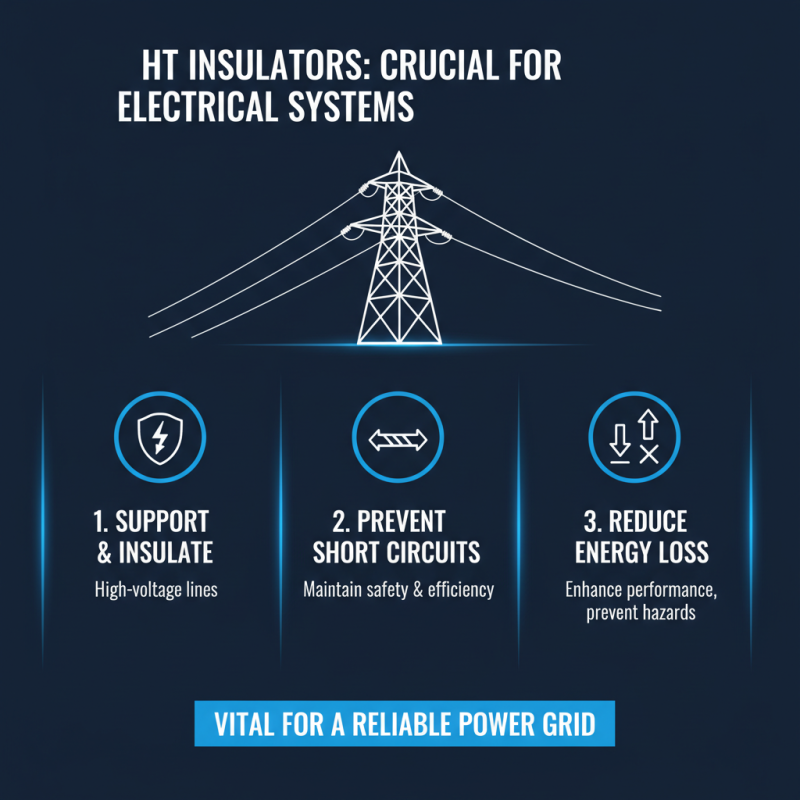
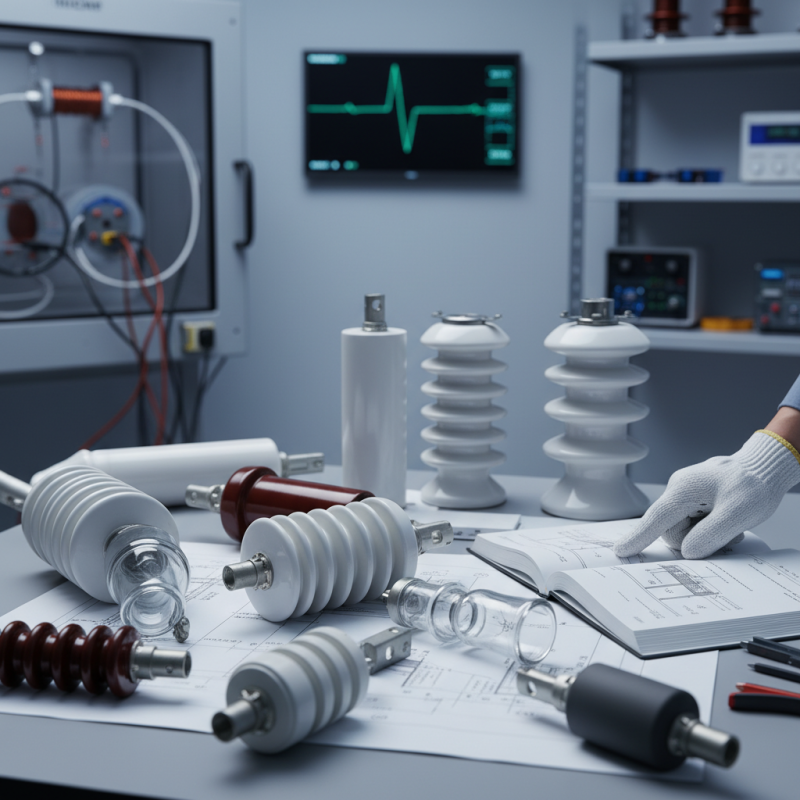
HT insulators play a crucial role in electrical systems. They provide support and insulation for high-voltage lines. Their main function is to prevent short circuits. This is vital in maintaining safety and efficiency in an electrical network. Without proper insulation, energy losses can occur. This not only affects performance but can lead to dangerous situations.
Choosing the right HT insulators requires careful consideration. Factors like voltage rating and environmental conditions are key. Insulators must withstand extreme weather. They can be affected by temperature fluctuations or pollution. Aesthetic factors often take a back seat, though they matter in urban areas. Regular maintenance is necessary to assess the integrity of insulators. In many cases, overlooking small cracks can lead to bigger failures.
Understanding the environment where insulators will be placed is essential. Different materials offer varied levels of performance. Some materials might seem cheaper initially but can be costly in the long run. Thus, it's vital to evaluate long-term benefits versus short-term savings. Decisions made today will affect both reliability and safety in the future.
Types of HT Insulators and Their Applications
When selecting HT insulators for electrical projects, understanding their types is crucial. Porcelain insulators are often used. They are durable and resistant to environmental factors. However, they can be heavy, making installation challenging. Another option is polymer insulators. These are lighter and more flexible. They are easier to install, but may require regular maintenance.
Glass insulators are also popular. They offer excellent electrical properties and visibility for faults. Yet, they can break easily upon impact. Each type has unique applications. Porcelain works well in substations due to its strength. Polymer is ideal for areas prone to frequent vibrations. Glass may be preferred in visible locations for aesthetic reasons.
Choosing the right insulator involves weighing the pros and cons. Environmental conditions can impact performance. A poorly chosen insulator may lead to failures. Be sure to consider local factors. This will help in selecting the best suited insulator for your project.
How to Choose HT Insulators for Your Electrical Projects? - Types of HT Insulators and Their Applications
| Type of HT Insulator | Material | Voltage Rating (kV) | Application |
| Porcelain Insulators | Porcelain | 33 kV | Distribution Networks |
| Glass Insulators | Glass | 66 kV | Ceramic Substitutes |
| Polymer Insulators | Polymeric Materials | 132 kV | Transmission Lines |
| Composite Insulators | Silicone Rubber | 220 kV | High Voltage Applications |
| Suspension Insulators | Porcelain/Glass | 400 kV | Overhead Transmission |
| Pin Insulators | Porcelain/Glass | 11 kV | Distribution Poles |
Factors to Consider When Selecting HT Insulators
When selecting HT insulators, various factors stand out. The insulation material is crucial. Different materials offer different voltage withstand capacities and environmental resistances. For instance, porcelain may excel in mechanical strength but is heavier and more fragile. Composite insulators, on the other hand, can resist harsh weather conditions. However, their long-term durability may be an aspect to reconsider.
The operating environment adds complexity to your choice. High temperatures, humidity, and pollution influence insulator performance. Under certain conditions, even the best material can fail. Evaluate local climate data for informed decisions. This assessment can save time and resources in the long run.
Tips: Always consult with experienced engineers. Their insights into local conditions can help avoid mistakes. Regular maintenance checks are also essential after installation. They can prevent unexpected failures. Additionally, consider cost-effectiveness, but don’t compromise quality. Cutting corners might lead to larger expenses later.
Material Choices for HT Insulators: Pros and Cons
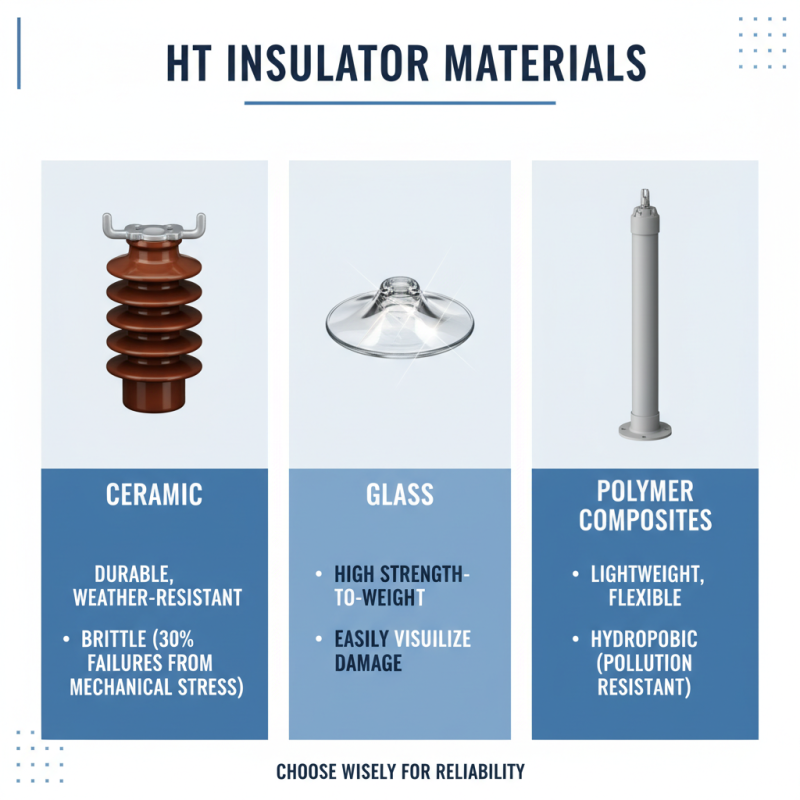
When selecting high tension (HT) insulators, understanding material choices is crucial. Common materials include ceramic, glass, and polymer composites. Each has strengths and weaknesses. Ceramic insulators are durable and weather-resistant, making them ideal for harsh environments. However, they can be brittle. Studies show that 30% of insulator failures are due to mechanical stress.
Glass insulators provide excellent insulation and can withstand severe conditions. They are transparent, allowing for easy visual inspections. Yet, they are heavier than other options, potentially complicating installation. According to industry reports, improper handling can lead to a 15% increase in installation mishaps.
Polymer insulators are lightweight and resist contamination. Their performance in polluted areas is a significant advantage. However, they may degrade faster under UV exposure compared to ceramic. Recent findings indicate that up to 20% of polymer insulators experience early failure due to environmental factors. Balancing these material attributes is essential for long-term reliability in electrical projects.
Installation Guidelines for HT Insulators
When installing HT insulators, understanding the environment is crucial. Consider factors like temperature, humidity, and pollution levels. These conditions influence the insulator's performance. For example, high pollution areas require insulators with better contamination control. Assessing location helps in selecting the right type.
The installation process demands meticulous attention. Ensure that surfaces are clean and dry before fitting the insulators. Any dirt or moisture can lead to failures. Proper torque specifications should be followed during installation. Over-tightening can crack the insulator, while under-tightening may lead to instability. Regular checks post-installation are important for long-term reliability. Some may overlook this step, but it’s essential.
Testing insulation levels before going live is wise. Many underestimate the importance of this process. A simple visual inspection is often not enough. Use specialized tools to assess the effectiveness of the installation. If issues arise, reevaluate the processes and materials used. Learning from mistakes can lead to better future installations.
Maintenance Practices for Optimal HT Insulator Performance
Maintenance is crucial for optimal performance of HT insulators. Regular inspections help identify potential issues before they worsen. According to a 2022 industry report, nearly 30% of insulator failures arise from inadequate maintenance. This highlights the need for a systematic approach to upkeep. Inspecting insulators for cracks, abrasions, or pollution accumulation is vital. Any visible damage can lead to electrical failures.
Cleanliness also plays a significant role. Contaminants like dust or salt can significantly affect the performance of insulators. A study showed that cleaning insulators can reduce leakage current by up to 25%. Moreover, using proper cleaning techniques is essential. High-pressure cleaning methods may damage sensitive surfaces. Instead, safe, gentle methods prove more effective.
Data from recent surveys suggest that 40% of electrical projects neglect routine maintenance checks. This negligence can result in unexpected downtime and costly repairs. Documenting maintenance activities can improve accountability and future planning. Inspectors should maintain clear records for future reference. This approach not only enhances insulator lifespan but ensures system reliability. Regular maintenance may seem tedious, but its impact is invaluable.
Comparison of HT Insulator Types for Electrical Projects
This bar chart illustrates the dielectric strength of various types of high tension (HT) insulators frequently used in electrical projects. As indicated, polymer insulators exhibit the highest dielectric strength, making them suitable for more demanding applications.
Common Mistakes to Avoid When Choosing HT Insulators
When selecting HT insulators for electrical projects, many professionals make common mistakes that can lead to serious issues. One significant error is neglecting the environmental conditions where the insulators will be used. Factors like pollution, humidity, and temperature variations can drastically affect the performance and lifespan of insulating materials. A study published by the Institute of Electrical and Electronics Engineers (IEEE) suggests that improper material selection can reduce efficiency by up to 30% in harsh conditions.
Another frequent mistake is underestimating the voltage ratings of insulators. Choosing insulators with inadequate voltage ratings can result in failure, leading to costly downtime. According to industry reports, nearly 20% of electrical failures are linked to incorrect insulation choices. It's crucial to match the insulator's voltage rating with the project's requirements to ensure reliability and safety.
Lastly, overlooking the installation process can also be damaging. Many assume that HT insulators can be installed without specific expertise. However, improper installation can compromise their function. Regular training and adherence to best practices can save time and resources. The importance of proper selection, installation, and maintenance cannot be overstated. Each step in the process requires meticulous attention to detail to avoid pitfalls.
Innovative Solutions: The Role of 120kN U120BD Double-Shed Type Glass Insulators in Modern High Voltage Systems
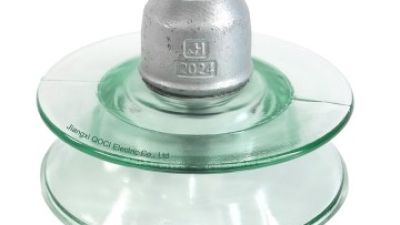
In modern high voltage systems, insulators play a crucial role in ensuring efficient power transmission while maintaining safety and reliability. The 120kN U120BD double-shed type glass insulator exemplifies innovative solutions in this field. Designed to withstand harsh environmental conditions, this insulator utilizes toughened glass which provides superior mechanical strength and resistance to electrical and thermal stresses, thus enhancing the longevity of high voltage transmission lines.
According to various industry reports, the demand for high voltage insulators is projected to increase significantly, driven by the expansion of electrical grids and the integration of renewable energy sources. The 120kN IEC standard electrical glass insulator U120BLD (UG120B/146/450D) is a standout option, particularly for its performance in high voltage lines, ensuring voltage regulation and minimal leakage currents. Its double-shed design reduces the risk of contamination build-up, mitigating the chance of electrical failures caused by environmental pollutants.
Moreover, the U120 high voltage cap and pin type anti-fog glass insulator further exemplifies advancements in insulator technology by incorporating features that enhance durability against moisture and fog, which are common challenges in high voltage applications. The two-winged glass suspension insulators, such as the PSD-120 B type, also reflect the trend towards maximizing performance in suspension systems, enabling better support and stability in various environmental conditions. Collectively, these innovations reflect the ongoing evolution in insulator design, contributing significantly to the resilience of high voltage systems in contemporary energy infrastructures.
FAQS
: This service offers convenience, time-saving features, and improved user experience. You can achieve your goals faster.
To begin, create an account and follow the prompts. It’s a simple process, requiring only a few minutes.
There may be a fee based on the features you choose. Some basic services are often free.
Yes, the service is mobile-friendly. You can use it on various devices with an internet connection.
If problems arise, check the help section or contact support. Sometimes, solutions are just a few clicks away.
Yes, new features may be added from time to time. Staying informed is essential to make the most of the service.
User information is protected with standard security measures. However, always stay alert and review privacy settings.
Sharing accounts is not recommended. It can lead to confusion and security risks.
You can provide feedback through a form or email. Your thoughts can help improve the overall service.
Yes, cancellation is generally straightforward. Still, it’s wise to check the terms to avoid surprises later.
Conclusion
HT insulators play a crucial role in ensuring the efficient operation of electrical systems by preventing unintended current flow and providing necessary support for high-voltage conductors. When choosing HT insulators, it is essential to understand the different types available and their specific applications, along with key factors such as environmental conditions, voltage ratings, and mechanical strength.
Material selection is also critical, as various materials offer different advantages and drawbacks. Proper installation and ongoing maintenance further enhance the performance of HT insulators, ensuring their reliability over time. Additionally, avoiding common mistakes, such as underestimating the environmental impact or overlooking manufacturer specifications, can significantly improve the overall effectiveness of electrical projects. By carefully considering these aspects, you can make informed decisions that contribute to the success of your electrical installations.