Leave Your Message
0%

Picking out the right 11kv Insulators for your electrical projects really isn’t something to take lightly. These little guys are actually pretty important—they help keep your infrastructure running smoothly and reliably. Getting the right fit can seriously boost your system’s performance, no joke.

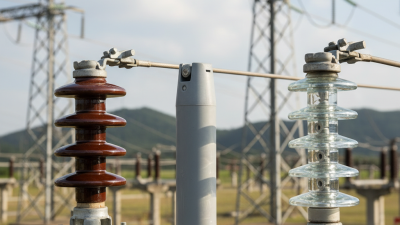
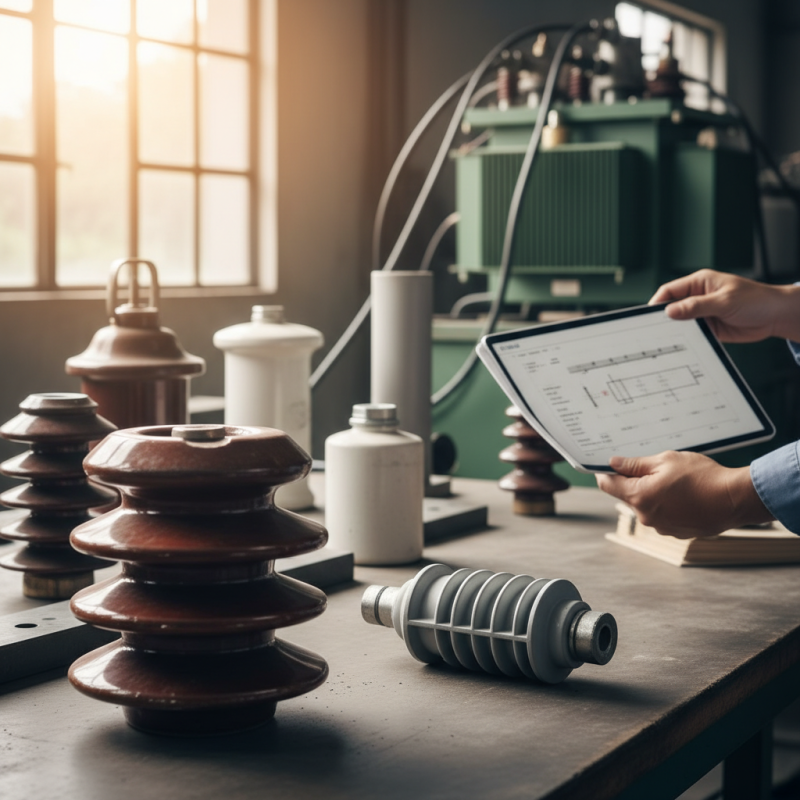
When you're looking at different 11kV insulators, it’s a good idea to think about what you actually need. Things like the environment where they'll be used, how much load they’ll handle, and how you plan to install them all matter big time. There are different materials out there, each with their perks. For example, porcelain is a classic choice—it's known for being tough and long-lasting. But these days, composite insulators are becoming pretty popular too, mainly because they’re lighter and easier to work with.

If you’re working with a trusted supplier like AB Insulators, you’ll get expert advice to help guide your decision. Just remember, though—it's a good idea to stay a little skeptical and ask lots of questions. Not every insulator is gonna be perfect for your specific project. Do your homework, dig into the details, and make sure you’re making choices based on solid info and experience. When you do pick the right 11kV insulators, it’s going to make your electrical system safer and more efficient overall.
How to Choose the Right 11kv Insulators for Your Projects?

Understanding the Importance of 11kV Insulators in Electrical Systems

How to Choose the Right 11kv Insulators for Your Projects?

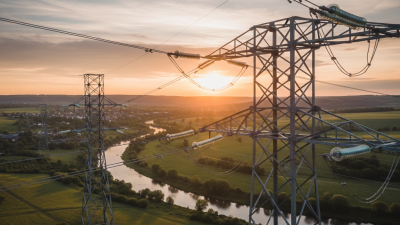
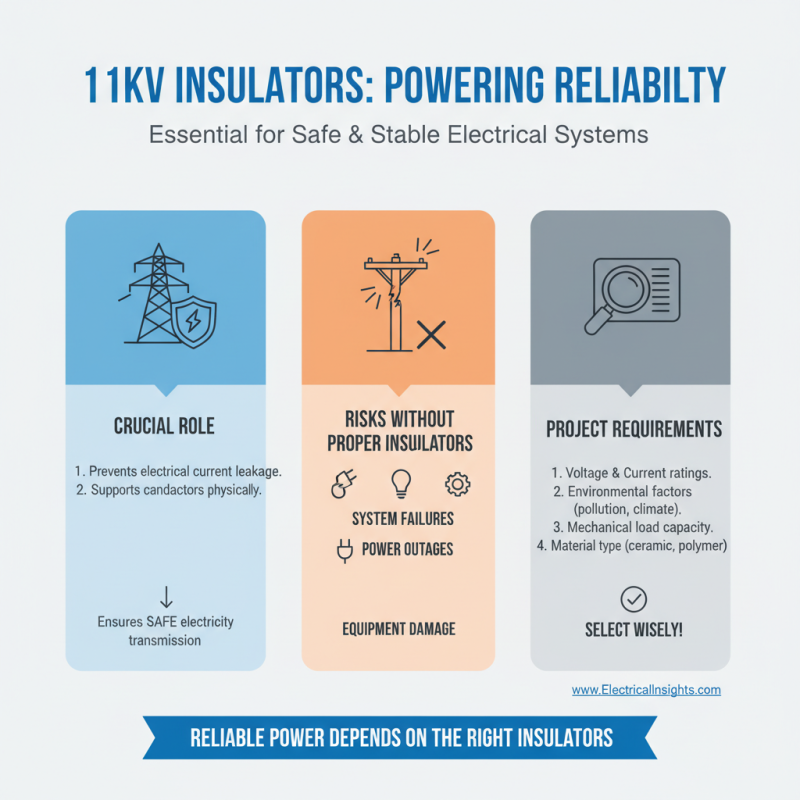
11kV insulators play a crucial role in electrical systems. They ensure the safe and reliable transmission of electricity. Without proper insulators, systems may experience failures. These failures can lead to power outages or even equipment damage. It's essential to understand the specific requirements of your project when selecting insulators.

Choosing the right insulator involves considering various factors. The environmental conditions at installation sites matter significantly. For example, areas with high pollution levels require insulators with specific properties. Materials like porcelain or composite are common choices. Each material has unique advantages and disadvantages. Experts often debate which material is superior. Some believe porcelain is more durable, while others argue for composites due to their lightweight nature.

Installation methods also contribute to insulator performance. Proper alignment and spacing can prevent electrical failures. Yet, even experienced professionals can overlook these details. This oversight can compromise system reliability. Regular maintenance and inspections are vital. Even high-quality insulators may degrade over time. Being proactive in monitoring can lead to better system longevity and safety. Careful selection and installation of 11kV insulators are indeed paramount for any electrical project.

Types of 11kV Insulators: A Comprehensive Overview

When selecting 11kV insulators, understanding the various types available is crucial. Porcelain insulators are common due to their durability. They resist harsh weather and provide excellent electrical insulation. However, they can be heavy, making installation a challenge. Composite insulators, made from polymer materials, offer lighter alternatives. They have a shorter lifespan and may require more maintenance. Consider the environmental conditions of your project to make the best choice.

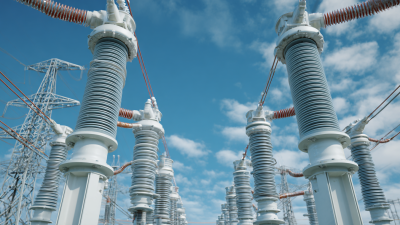
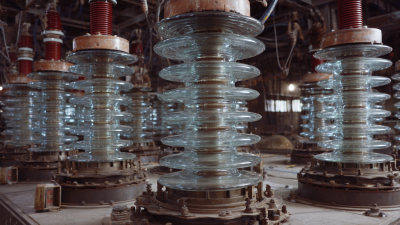
Glass insulators present another option, providing transparency and durability. They are less susceptible to damage than porcelain. However, their weight can complicate transport and installation. An overlooked choice is the post insulator, typically used in overhead lines and substations. Their design allows for high mechanical strength and insulation. Evaluate your project's specific needs before making a decision.

The cost can vary widely across types. Don’t rush the selection process. A careful evaluation of all factors—installation, maintenance, and long-term performance—will pay off. Many projects face issues due to hasty decisions in insulator selection. An informed choice leads to reliability and safety. Ensure the insulators you choose meet your project's requirements effectively.

Factors to Consider When Selecting 11kV Insulators

When selecting 11kV insulators, multiple factors demand attention. The insulation material is crucial. Common options include porcelain and polymer. Each material has distinct properties. For example, porcelain is durable but heavier, while polymer offers better flexibility and resistance to cracks. Evaluate the environmental conditions of your project site. Humidity, pollution, and temperature extremes can affect the insulator's longevity.


Another significant aspect is the mechanical strength of the insulators. This determines their ability to withstand tension and pressure. Overhead lines and installations may require different strength ratings. Corrosion resistance also needs consideration, especially in coastal areas. Insulators exposed to high salt concentration may degrade faster.


Clear specifications matter as well. Review the voltage rating and ensure it meets or exceeds project requirements. Testing methods are not uniform across the industry, leading to potential discrepancies. Familiarity with industry standards can guide you in making informed choices. Remember, inadequate selection can lead to failures and costly maintenance in the long run. Always document the selection process for future reference.

Material Choices for 11kV Insulators: Pros and Cons

When considering material choices for 11kV insulators, various options present distinct advantages and challenges. Among the most utilized materials are porcelain, glass, and polymer composites. Porcelain offers durability and excellent insulation properties. However, its brittleness can lead to failure under stress, making it a less ideal option in seismic-prone areas. Industry reports indicate that approximately 15% of porcelain insulators fail due to mechanical impacts, highlighting the need for careful site assessments.

Glass insulators are known for their UV resistance and longevity. They prove effective in harsh environmental conditions. However, their weight can complicate installation and maintenance. Recent studies show that roughly 10% of projects using glass face installation difficulties, particularly in challenging terrains. This adds costs that must be factored into project budgets. Polymer insulators, on the other hand, are lightweight and flexible, offering a solution that mitigates installation issues. Yet, concerns about their long-term degradation in extreme temperatures remain.

Choosing the right material is not straightforward. Each option comes with trade-offs that should align with the project’s specific needs. It is critical to weigh these factors based on location and environmental conditions. Use case studies where each material has performed well or poorly can guide decision-making, ensuring reliability and efficiency.

Environmental Conditions and Their Impact on Insulator Selection

When selecting 11kV insulators, environmental conditions play a crucial role. Factors like humidity, temperature, and pollution can greatly affect insulator performance. High humidity can lead to increased leakage current, which may result in flashovers. In polluted areas, insulators require higher resistance to withstand contamination. Understanding local weather patterns is essential for ensuring longevity and reliability.

Temperature variations also impact material choice. Different insulators react differently to heat and cold. For instance, extreme cold may make certain materials brittle. In contrast, high temperatures can soften some insulators. Evaluating local weather extremes can guide proper selection. For installations near coastal areas, salt fog can significantly shorten an insulator's lifespan. Consider using hydrophobic materials for better performance in such conditions.

It’s not always clear which insulator is best for each situation. Factors like age and maintenance routines also influence choices. Regular inspections can help in recognizing wear and tear. However, relying solely on historical data may not account for rapid environmental changes. Each project is unique; adapting to evolving conditions may require revisiting initial decisions. Exploring alternative materials could open new avenues for improvement.

Testing Standards and Compliance for 11kV Insulators

How to Choose the Right 11kv Insulators for Your Projects?

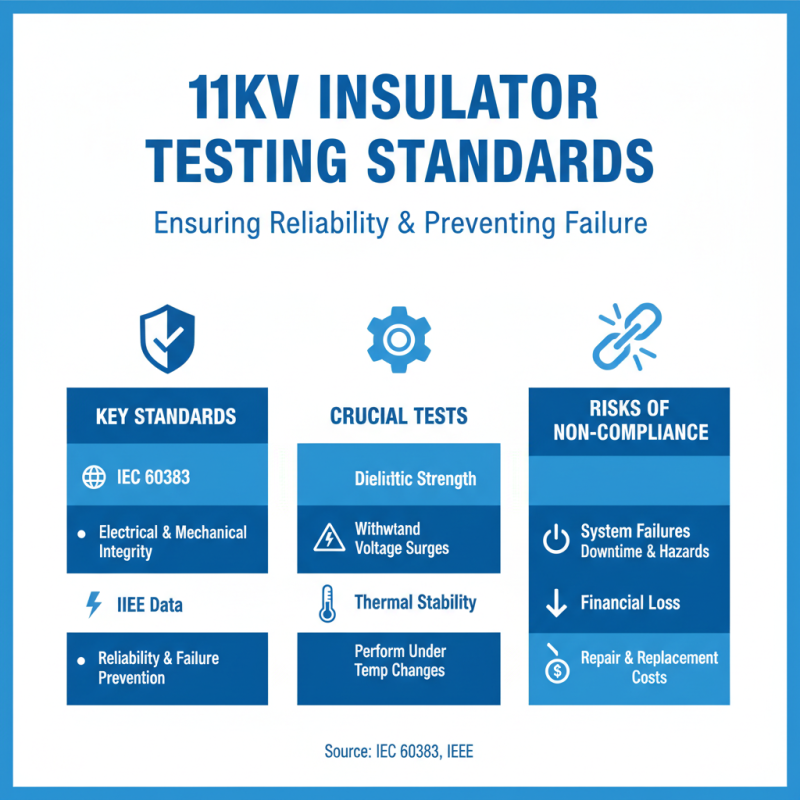
When selecting 11kV insulators, understanding testing standards and compliance is crucial. According to IEC 60383, insulators must undergo stringent testing for electrical and mechanical integrity. This standard dictates factors such as dielectric strength and thermal stability. Data from the IEEE show that improper insulation can lead to serious system failures, causing downtime and financial loss.

Insulators should meet specific criteria, including pollution resistance. A study by the Electric Power Research Institute (EPRI) highlights the significance of pollution performance evaluation. High pollution levels can lead to flashover, compromising safety. Insulators are tested under various conditions to simulate real-world exposure. This helps ensure their reliability in adverse environments.

Regular compliance assessments are essential. Insulators are periodically tested to reflect current conditions and performance. EPRI recommends annual testing for early identification of potential issues. Non-compliance can result in heightened risk and increased maintenance costs. Select insulators that meet prescribed standards and undergo routine evaluations to mitigate potential failures. These insights can drive more informed selections for long-term project success.

Best Practices for Installation and Maintenance of 11kV Insulators

Installing and maintaining 11kV insulators correctly is crucial for optimal performance. Begin by selecting the right type of insulator based on environmental conditions. For areas with high pollution, consider ceramic or composite materials. These insulators resist contamination and improve reliability. You should always check the manufacturer's specifications before installation.

During installation, pay attention to the alignment of insulators. Misalignment can lead to stress and potential failure. Ensure that all fittings are secure and that insulators are properly supported. Regular inspections are vital. Look for signs of wear or damage, especially after severe weather events. Insulators should be cleaned periodically to remove dirt and debris.

Remember to involve qualified personnel for both installation and maintenance tasks. Training is often overlooked but essential. A well-trained team can identify issues early, preventing larger problems. Documenting all maintenance activities creates a reliable history, aiding future inspections. It's easier to manage insulators when previous conditions are known and reviewed.

11kV Insulators Selection Criteria

This chart illustrates the importance level of various criteria when selecting 11kV insulators for projects, ensuring optimal performance and reliability. The values range from 1 to 10, reflecting the critical aspects to consider during the selection process.

FAQS

: What materials are commonly used for 11kV insulators?

: Common materials include porcelain, glass, and polymer composites. Each has unique pros and cons.

What is a major disadvantage of porcelain insulators?

Porcelain is brittle, which can lead to failure under stress, especially in seismic areas.

Why are glass insulators problematic during installation?

Their weight can complicate installation, especially in challenging terrains, adding to project costs.

What benefits do polymer insulators offer?

Polymer insulators are lightweight and flexible, making installation easier compared to heavier materials.

How do environmental conditions affect insulator performance?

Factors like humidity and pollution can decrease effectiveness, leading to flashovers and contamination issues.

What should be done for insulators in polluted areas?

Use ceramic or composite materials to improve resistance to contamination and increase reliability.

How often should insulators be inspected?

Regular inspections are crucial, especially after severe weather, to identify wear and damage early.

What is a risk of misaligned insulators during installation?

Misalignment can create stress, potentially resulting in insulator failure over time.

Why is training important for installation and maintenance teams?

A well-trained team can spot issues early, preventing larger problems and ensuring better performance.

How can past maintenance activities benefit future inspections?

Documenting maintenance history provides insights into wear patterns, aiding in effective future evaluations.

Conclusion

Choosing the right 11kV insulators is crucial for ensuring the reliability and efficiency of electrical systems. This article emphasizes the importance of understanding the different types of 11kV insulators available, examining factors such as material choices and environmental conditions that can significantly affect performance and longevity. Each type of insulator offers unique advantages and disadvantages, which should be carefully weighed during the selection process.

Moreover, adherence to testing standards and compliance is essential for the safe operation of 11kV insulators. Best practices for installation and maintenance can further enhance their effectiveness and prevent potential failures. By considering these key aspects, engineers and project managers can make informed decisions that will ultimately lead to the successful implementation of their electrical projects.
Evelyn

Evelyn

Evelyn is a dedicated marketing professional at Jiangxi QOCl Electric Co. Ltd., a company established in December 2002 in Jiangxi Province, China. With a deep understanding of the industry, Evelyn excels in promoting the company's advanced glass insulators and innovative circuit insulators. Her......
Previous 2026 Top Anti-Fog Glass Insulator Buyers Guide?