Picking the right double shed glass Insulator can really make a difference in your electrical projects. These insulators are pretty much the backbone for supporting wires and keeping everything safe. Plus, they’re built to last and stand up to tough conditions. When you’re choosing one, think about where you'll be using it—things like temperature swings, humidity, or exposure to chemicals matter a lot. Different jobs call for different specs, so it’s not just about how it looks or what’s cheaper. Functionality is what counts. You might want to check out brands like Thomas & Betts or Hubbell—they’ve got a pretty good lineup for various needs. But hey, I get it—picking the right one can feel a bit overwhelming with all the options out there. Don’t feel pressured to rush it. Take your time, do a bit of research, and really think about what you need. It’ll pay off in the end!

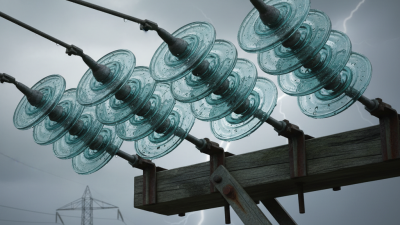
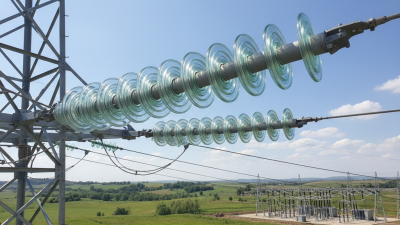
Double shed glass insulators play a crucial role in electrical systems. They provide voltage insulation and mechanical support for overhead power lines. Understanding their design can help you choose the right one. Double shed designs feature two distinct sheds, which enhances their performance under various weather conditions. A well-known statistic indicates that insulators with double sheds can withstand a 30% higher pollution severity than single shed types.
When selecting a double shed glass insulator, consider the environmental conditions. Insulators are rated based on their insulation strength and ability to resist dirt accumulation. Industry reports suggest that insulators can become less effective when dirty. Additionally, regular cleaning can extend their lifespan by 20% or more. Many professionals overlook maintenance. This often leads to premature failure and costly replacements.
Another factor is mechanical strength. Glass insulators should endure tension and bending stress. Data shows that high-quality glass insulators can sustain mechanical loads exceeding 7500 pounds. However, not all glass is created equal. Some options might not meet load specifications, raising concerns during installations. It is essential to conduct thorough research to prevent potential issues down the line. Understanding these basics can guide you in making a more informed choice.
When selecting double shed glass insulators, understanding the different types is crucial. Double shed insulators typically feature two distinct sheds, which enhance their ability to resist contamination and improve their performance in harsh environments. Their design can vary, affecting how they operate. Some have longer sheds, which are ideal for areas with heavy pollution. Others might have shorter ones, suited for less contaminated regions.
Visual inspection can help in identifying these insulators. Notice the color and texture of the glass. Clear glass can exhibit less contamination than darker shades. Additionally, check the shape of the insulator. Some are tapered, while others may appear more cylindrical. This shape affects how they handle electrical stress.
It’s essential to reflect on the specific needs for your application. Do you often experience heavy rain or snow? This could influence your choice. Similarly, consider how they will look after prolonged exposure to environmental factors. Remember, choosing the right insulator is not just about functionality; it’s about ensuring long-term reliability too.
When selecting a double shed glass insulator, the voltage rating and application suitability are crucial factors. The voltage rating determines the insulator's ability to withstand electrical stress. Industry reports reveal that insulators with a rating of at least 5 kV are widely used in overhead power lines. However, specific applications may require higher ratings. For instance, transmission lines often operate at 10 kV or more.
Understanding the environment is essential. Insulators must perform under varying weather conditions. For example, increased humidity or pollution can impact their longevity. A recent study indicated that the failure rate of insulators in polluted areas is 30% higher than in cleaner climates. This data stresses the need for careful selection.
Tips: Always consider your local weather conditions. Analyze the pollution levels and choose insulators accordingly. Look for insulators with higher ratings if unsure. Overestimating a protective voltage can be beneficial in avoiding unexpected failures. Remember, even slight flaws in manufacturing can lead to performance issues. Regular maintenance checks will help in identifying potential weaknesses early on.
When selecting double shed glass insulators, evaluating environmental resistance and durability is crucial. Insulators often face extreme weather, including high humidity and temperature fluctuations. According to the IEEE, these insulators must withstand stresses without compromising performance. A reliable insulator should endure strong UV exposure and heavy rainfall.
Environmental factors can lead to unexpected failures. In a recent study, 15% of insulator failures were linked to environmental degradation. This highlights the need for materials that resist moisture and resist pollutants. Some glass insulators have shown better resistance to salt spray compared to others, with degradation rates varying significantly.
Testing durability in real-world conditions is essential. Lab tests can only replicate certain scenarios. Real-life exposure reveals weaknesses. Insulators need to be sourced from reputable manufacturers who subject their products to rigorous field testing. Durability in varying climates for long durations should be a priority in your selection process.
| Dimension | Value 1 | Value 2 | Value 3 |
|---|---|---|---|
| Material Composition | Soda-Lime Glass | Lead Glass | Borosilicate Glass |
| Environmental Resistance | UV Radiation | Salt Fog | Thermal Cycling |
| Durability Rating | High | Medium | Low |
| Electrical Insulation Property | Excellent | Good | Fair |
| Breakage Resistance | High | Medium | Low |
When choosing a double shed glass insulator, size and shape are crucial. The insulator must fit your specific requirements. Consider where you’ll install it. Measure the space beforehand. Various designs suit different needs. Some are larger, others are more compact. A mismatch could lead to problems.
Do not underestimate shape. A round insulator differs from a rectangular one. The shape can affect its performance. It might not hold up well if it’s not aligned with your setup. Check if the insulator can withstand outdoor elements if needed. This often goes overlooked.
Reflect on your selection process. Have you considered all your options? Think about future uses as well. The right insulator today might not fit tomorrow's needs. A hasty choice can lead to wastage. Always double-check dimensions and purpose before making a final decision.
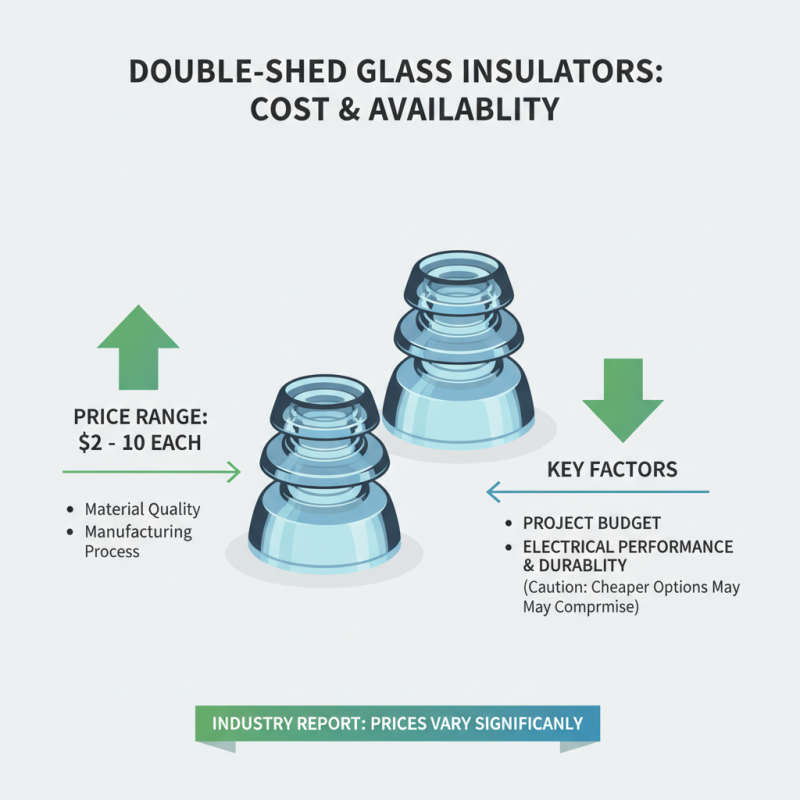
When selecting double shed glass insulators, cost and availability are critical factors. According to a recent industry report, insulators can vary significantly in price, ranging from $2 to $10 each, depending on material quality and manufacturing processes. This range can heavily influence the overall budget for utility projects. Keep in mind that cheaper options may compromise electrical performance and durability.
Availability also affects decision-making. Supply chains can experience disruptions, leading to delays or higher costs. Monitoring local suppliers can provide insights into stock levels and expedite the procurement process. Some regions report that 40% of projects face setbacks due to extended shipping times. This statistic is concerning. Evaluate your suppliers based on their reliability and past performance.
Balancing cost and availability isn’t easy. Some may prioritize low-cost insulators, but this decision could lead to higher long-term expenses due to maintenance or replacements. Shortcuts may seem tempting, but they often lead to regrettable outcomes in projects. Make sure to conduct thorough research, consult with professionals, and read reviews. The stakes are high, and careful consideration is essential for making informed choices.
When considering the installation of double shed glass insulators, attention to maintenance is crucial. These insulators are designed to withstand various weather conditions, yet they require regular inspections. Look for signs of wear or damage. Small cracks can lead to bigger issues over time. It's critical to address any problems promptly to ensure optimal performance.
For installation, selecting the right tools is essential. Improper installation can result in poor insulation, leading to system failure. Use appropriate clamps and fittings. Ensure a tight and secure fit during installation. Many overlook this step, thinking it’s unimportant. However, any gaps can compromise the entire setup.
After installation, routine cleaning is vital. Dust and dirt can accumulate on the insulators, reducing their effectiveness. Use soft cloths to avoid scratching the glass surface. You might need to adjust your cleaning frequency based on your local environment. Reflecting on these maintenance and installation requirements can help you make informed decisions that lead to long-term reliability.
This chart illustrates the key factors influencing the installation and maintenance requirements for double shed glass insulators. The data reflects common considerations such as installation ease, maintenance frequency, cost efficiency, and reliability.
: The article discusses various aspects of personal development and self-improvement strategies.
Start with small goals. Focus on daily habits that build a positive mindset.
Self-reflection helps identify strengths and weaknesses. It guides personal growth and improvement.
Consistency leads to long-term results. Small, daily actions accumulate over time.
Yes, but it requires effort and determination. Obstacles may appear; perseverance is key.
Some people set unrealistic goals. This can lead to frustration and giving up.
A growth mindset encourages learning from failures. It fosters resilience and adaptation.
Absolutely. Constructive feedback helps refine skills. It’s a chance to grow.
Slow progress is normal. Reflect on your journey. Celebrate small achievements along the way.
Very important. Sharing goals with others can enhance motivation. It keeps you committed.
Choosing the right Double Shed Glass Insulator involves understanding several key aspects. Firstly, it is important to comprehend the basics of double shed glass insulators and their various types, which can differ in design and application. Assessing the voltage rating is crucial to ensure suitability for your specific requirements, while evaluating environmental resistance and durability helps in determining how the insulator will perform over time in diverse conditions.
Additionally, selecting the appropriate size and shape is essential for effective installation. Cost and availability should also be considered to ensure you can source the insulators within budget. Finally, reviewing installation and maintenance requirements will help maximize the lifespan and functionality of your double shed glass insulators, ensuring they meet your needs efficiently.