Leave Your Message
0%

When it comes to manufacturing, picking the right CTV Chain Isolator is pretty crucial. Industry folks often stress how important it is to choose the right one to keep things running smoothly. I mean, James Anderson from Isolators Corp once pointed out, “Getting the right CTV Chain Isolator can really boost productivity and safety quite a bit.” Honestly, that’s a pretty good reminder for businesses today.

Figuring out which CTV Chain Isolator is best for you isn’t just about picking something off the shelf. Every application is different, and one size definitely doesn’t fit all. You’ve gotta think about things like size, design, materials, and so on. And don’t forget to watch out for small mistakes—they might seem minor now but could cause bigger headaches later on.

A lot of companies tend to overlook the little details when choosing an isolator. Sometimes they just chase the lowest price without considering quality—that can be costly in the long run. Taking a step back to really think about your needs can lead to much smarter decisions. Picking a sturdy CTV Chain Isolator can make a huge difference in how well things perform, but it’s all about finding that sweet spot between what’s affordable and what meets your operational needs.
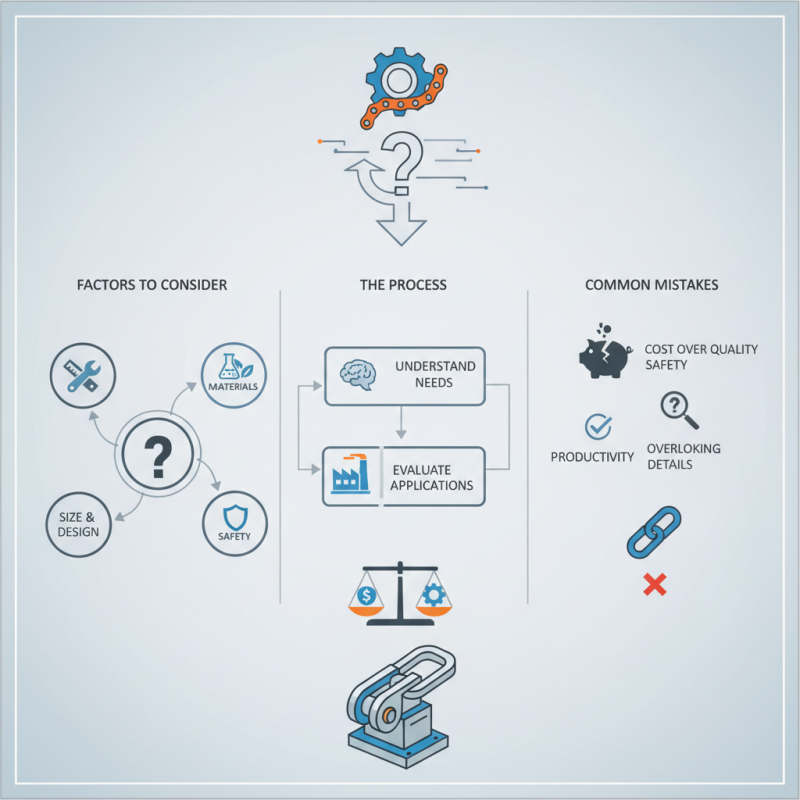
How to Choose the Best Ctv Chain Isolator for Your Needs?

Understanding CTV Chain Isolators: Definition and Purpose

CTV chain isolators play a crucial role in various mechanical systems. They are devices designed to disconnect the chain drive from the rest of the mechanism when certain conditions are met. This function prevents damage during overload situations. Understanding their definition and purpose helps in making informed choices.

The primary purpose of a CTV chain isolator is protection. It safeguards components from wear and potential failures. When the system experiences excessive load or misalignment, the isolator activates. This can save time and reduce maintenance costs. However, selecting the right model can be confusing. Not all isolators suit every application. Each industrial sector has unique demands.

Many users find challenges in installation and operation. They may overlook specific requirements of their systems. For example, neglecting the load capacity can lead to failures. It's important to assess the operational environment. Factors like temperature and humidity can affect performance. Engaging with knowledgeable suppliers can aid in this process. This ensures that the chosen isolator meets the needs effectively.

Key Factors to Consider When Choosing a CTV Chain Isolator

Choosing the right CTV chain isolator involves understanding your specific needs. The efficiency of chain isolators can improve overall machine operation. A recent report by the Industrial Automation Association showed that 68% of manufacturers reported reduced downtime after implementing isolators. This highlights their importance in minimizing disruptions.


Consider the operating environment. Is it dusty or wet? Some isolators perform better in challenging conditions. A study indicated that 45% of failures in machinery could be traced back to inadequate isolation. The right choice can mitigate such risks.


Assess the load capacity closely. Overloading can lead to premature failure. Data shows that 53% of users do not verify their capacity needs before purchasing. This oversight can cost time and money. Always check specifications to avoid mismatches.

Analyzing the Specifications: Voltage and Current Ratings

When choosing a CTV chain isolator, understanding voltage and current ratings is crucial. Voltage ratings indicate the maximum voltage the isolator can handle. Many isolators are rated between 400V and 1000V. If you exceed these limits, you risk equipment failure. A report from the Electrical Insulation Research Institute states that improper voltage ratings can lead to insulation breakdown.

Current ratings are equally important. They determine the maximum current load the isolator can safely manage. Most isolators are rated in amperes, ranging from 10A to above 100A. Exceeding this can cause overheating. According to figures from the International Electrotechnical Commission, 50% of failures in electrical systems arise due to incorrect current ratings.

It’s essential to match the isolator to your system’s specific needs. Analyze both voltage and current ratings closely. A mismatch can result in costly repairs and downtime. In some cases, users overlook the importance of these specifications. The consequences can be severe, including damage to connected devices. Understanding these details is key to preventing issues down the line.

Material Choices: Comparing Stainless Steel vs. Plastic Isolators

When selecting a CTV chain isolator, material choices play a critical role. Let’s compare stainless steel and plastic isolators. Each material has unique characteristics and benefits. According to industry reports, stainless steel isolators offer high corrosion resistance. They can endure harsh environments. However, they are heavier and more expensive. This makes them less ideal for some applications.

On the other hand, plastic isolators are lightweight. They are also less costly. A recent study found that plastic isolators can perform well in environments where chemical exposure is minimal. Many industries are shifting to plastic due to cost efficiency. Yet, they may have a shorter lifespan than their stainless counterparts. The risk of cracking or deformation under stress is higher with plastic materials.

Users should evaluate their specific needs carefully. Factors like environmental conditions, weight restrictions, and budget constraints matter. Choosing the right material can significantly affect operational efficiency. Ensure you consider both short-term and long-term impacts of your decision. It’s not always straightforward, and often, compromises must be made.

Evaluating Environmental Conditions: Ratings and Protection Levels

How to Choose the Best Ctv Chain Isolator for Your Needs?

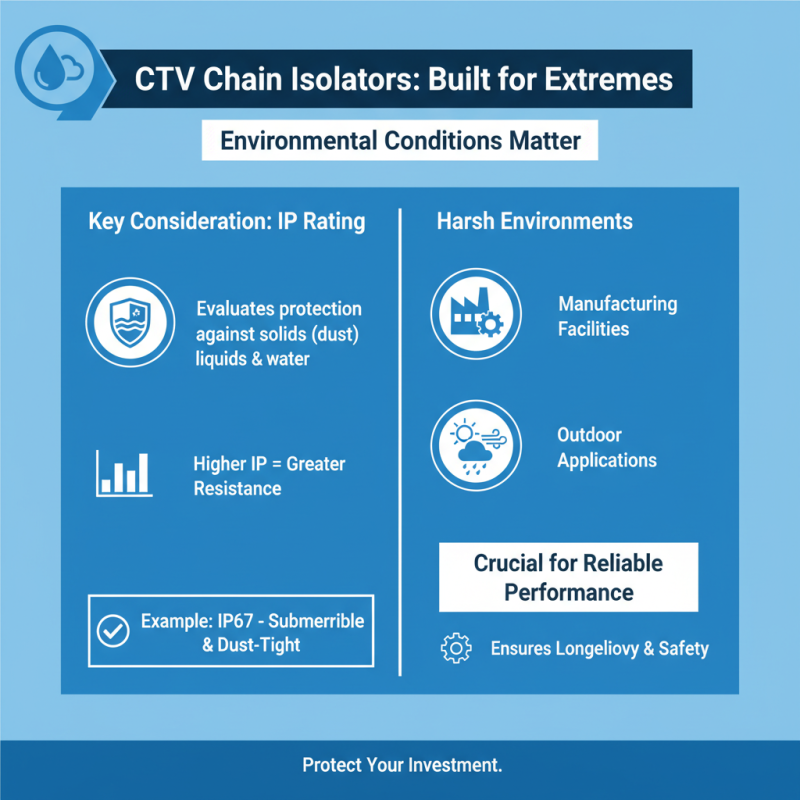
When selecting a CTV chain isolator, evaluating environmental conditions is crucial. The ratings and protection levels of these devices can significantly affect their performance. Industry reports indicate that devices with high IP ratings can withstand both water and dust exposure. For example, an isolator rated at IP67 can be submerged in water for a certain period. This is critical for applications in harsh environments, such as manufacturing or outdoor use.

Another important aspect is temperature tolerance. Many isolators operate effectively between -20°C and 60°C. However, extreme temperature variations can lead to failures. Studies show that 30% of electrical failures are due to inadequate temperature ratings. Users often overlook this detail. High heat can degrade components over time, while cold can lead to brittle failures.

Moreover, impact resistance is a factor that should not be ignored. Some isolators are tested against mechanical shocks. The IEC 60068-2-27 standard requires a 50G rating for certain applications. Users should consider installation locations. In places prone to physical impacts, selecting an isolator with a robust housing can prevent costly breakdowns. Ignoring these environmental factors may lead to increased maintenance costs and downtime.

Cost Analysis: Budgeting for Quality vs. Low-Cost Options

When considering a CTV chain isolator, budget plays a pivotal role. Quality often requires a larger upfront investment. Lower-cost options may seem attractive. However, they can lack durability and efficacy. For instance, a cheap isolator might need frequent replacements, increasing overall costs. Weighing long-term expenses against initial purchase prices is crucial.

Analyze the specifications. Cheaper models might compromise essential features. For example, inadequate insulation can lead to efficiency loss. This can become a costly mistake. Evaluating customer reviews is beneficial, but sometimes opinions vary. What works for one may not work for another. Look for real-life experiences and detailed feedback.

While it's tempting to go for the lowest price, consider the value you’re getting. Investing in a reliable isolator can save money in the long run. It’s important to balance cost with quality. Create a budget that allows for a reasonable compromise. It may require tough choices, but these decisions will pay off later.

Industry Standards and Certifications: Ensuring Compliance and Safety

When selecting a CTV chain isolator, adhering to industry standards is crucial. Compliance with these standards ensures safety in operation. Manufacturers often seek certifications that demonstrate adherence to safety protocols. This includes IEC and UL certifications. These labels can provide assurance of quality and performance.

Consider the specific requirements of your applications. Different settings may have varying demands. Some installations may require enhanced protection levels. Others might prioritize ease of use and installation. Choosing the right isolator involves assessing these nuances carefully. Ignoring them can lead to failures or safety hazards.

It is essential to regularly evaluate and reflect on your choices. Are the standards you are following still relevant? Technologies evolve, and so do safety regulations. A closer look can reveal gaps in compliance or outdated practices. Always be open to revisiting your decisions. This approach will help you make informed choices that truly align with your needs.

Comprehensive Overview of U210 High Voltage Cap and Pin Type Anti-Fog Glass Insulator: Features, Benefits, and Applications

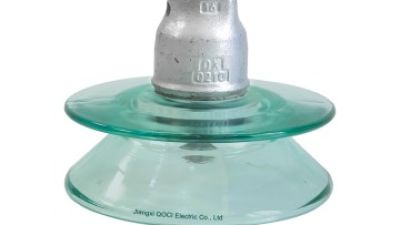
The U210 high voltage cap and pin type Anti-fog glass insulator represents a significant advancement in electrical insulation technology. Designed specifically for high voltage lines, this insulator features a robust double-shed structure that enhances its performance under varying environmental conditions. Its toughened design ensures longevity and reliability, offering excellent resistance to moisture build-up and contamination, which are critical factors for maintaining electrical integrity.

One of the key benefits of the U210 insulator is its ability to mitigate the effects of fog and other adverse weather conditions that can compromise electrical performance. The anti-fog capability reduces the risk of flashover, a common issue that can lead to power outages and equipment damage. Alongside the standard U210BLD insulator, which complies with IEC standards, other variants, such as the two-winged glass suspension insulators, complement the U210 series by providing additional options for various installation requirements. These insulators are vital in ensuring the reliability of power transmission across vast distances, making them an essential component in modern electrical infrastructure.

FAQS

: What should I consider before making a purchase?

: Think about your budget. Decide how much you can afford. Research options that meet your needs.

How do I ensure the quality of a product?

Read reviews online. Ask friends about their experiences. Look for detailed product descriptions.

What is the return policy?

Check if returns are allowed. Some items may have a limited return timeframe. Understand the conditions before buying.

How can I find the best price?

Compare prices across different platforms. Use price comparison tools. Set alerts for price drops.

What should I do if a product is defective?

Contact customer service immediately. Document the issue with photos. Keep all packaging for a smoother process.

Are there warranties available for products?

Many products come with warranties. Read the warranty details. Know what is covered and for how long.

Conclusion

When selecting the best CTV Chain Isolator for your needs, it is essential to understand its definition and purpose, as these devices play a crucial role in ensuring electrical safety and isolation in various applications. Key factors to consider include voltage and current ratings, material choices such as stainless steel versus plastic, and the specific environmental conditions in which the isolator will be used.

Additionally, a thorough cost analysis is necessary to balance quality and budget, ensuring you invest in a reliable product without overspending. Compliance with industry standards and certifications is vital for guaranteeing safety and reliability in operation. By carefully evaluating these aspects, you can make an informed decision on the optimal CTV Chain Isolator that meets your requirements and enhances the efficiency of your system.


Charlotte

Charlotte

Charlotte is a dedicated marketing professional at Jiangxi QOCI Electric Co. Ltd., a leading company founded in December 2002 and located in Jiangxi Province, China. With a profound expertise in glass insulators, Charlotte plays a pivotal role in showcasing the company’s innovative products and......
Previous Understanding Import Export Certifications for Isolateur Ctv 254 and How to Navigate the Process