Hey there! When it comes to boosting energy efficiency these days, picking the right materials for your electrical systems is a big deal. One option that's really worth considering is the isolateur en verre— yeah, glass Insulators. And if you're wondering who’s up at the top of this game, Jiangxi QOCI Electric Co. Ltd. is definitely a name to remember. They’ve been around since December 2002 in Jiangxi Province, China, and they’re experts in making top-notch glass insulators. Thanks to their advanced manufacturing tech and solid R&D setup, especially for functional glass and circuit insulators, they’re pretty much your go-to for finding the best Isolateur En Verre for your energy needs. In this blog, I’ll walk you through the main things to keep in mind when choosing a glass insulator — so you can make smart choices that not only save energy but also help keep your electrical systems running smoothly and last longer. Trust me, a little know-how makes all the difference!
Understanding the Basics of Glass Insulators and Their Role in Energy Efficiency
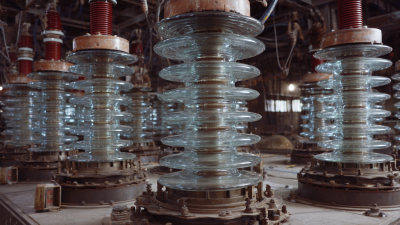
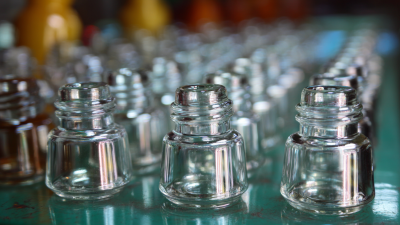
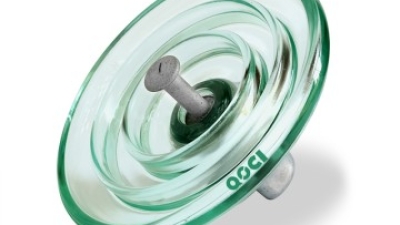
Glass insulators might sound a bit technical, but honestly, they're pretty important if you care about keeping your electrical systems running smoothly and efficiently. Made from tough, high-quality glass, these insulators do a great job of supporting and separating electrical wires — kind of like the guardrails that prevent energy from sneaking off where it shouldn’t. One cool thing is that since they’re see-through, it’s super easy to check if they’re showing any signs of wear or damage — making maintenance a lot less of a hassle. Plus, they’re built to handle all sorts of tough weather, so they keep working reliably no matter what Mother Nature throws at them.
When you're picking out the right glass insulator, it’s worth thinking about a few things: how well it can handle electrical stress (that's dielectric strength), how it deals with temperature changes (thermal stability), and how tough it is against different environments. A good insulator with high dielectric strength means less energy lost through leaks, which is kind of the whole point. And if it can stay stable under extreme heat or cold, even better. By opting for quality insulators that tick these boxes, you’re not just improving your energy efficiency — you’re also saving money in the long run and helping out with the bigger goal of sustainable energy. It’s like making a small change that really makes a difference, right?
Energy Efficiency of Different Types of Glass Insulators
Key Factors to Consider When Selecting Glass Insulators
When you're picking out glass insulators to boost your energy efficiency, there are a few important things to keep in mind. First off, the dielectric strength of the glass is a big deal. I read somewhere—pretty sure it was a report from the International Energy Agency—that insulators with higher dielectric strength can really cut down on leakage current, which means your system runs more smoothly and efficiently. If you go for insulators with a dielectric strength above 10 kV/mm, you might see energy retention bump up by as much as 30% compared to the lower-rated options—it’s pretty impressive!
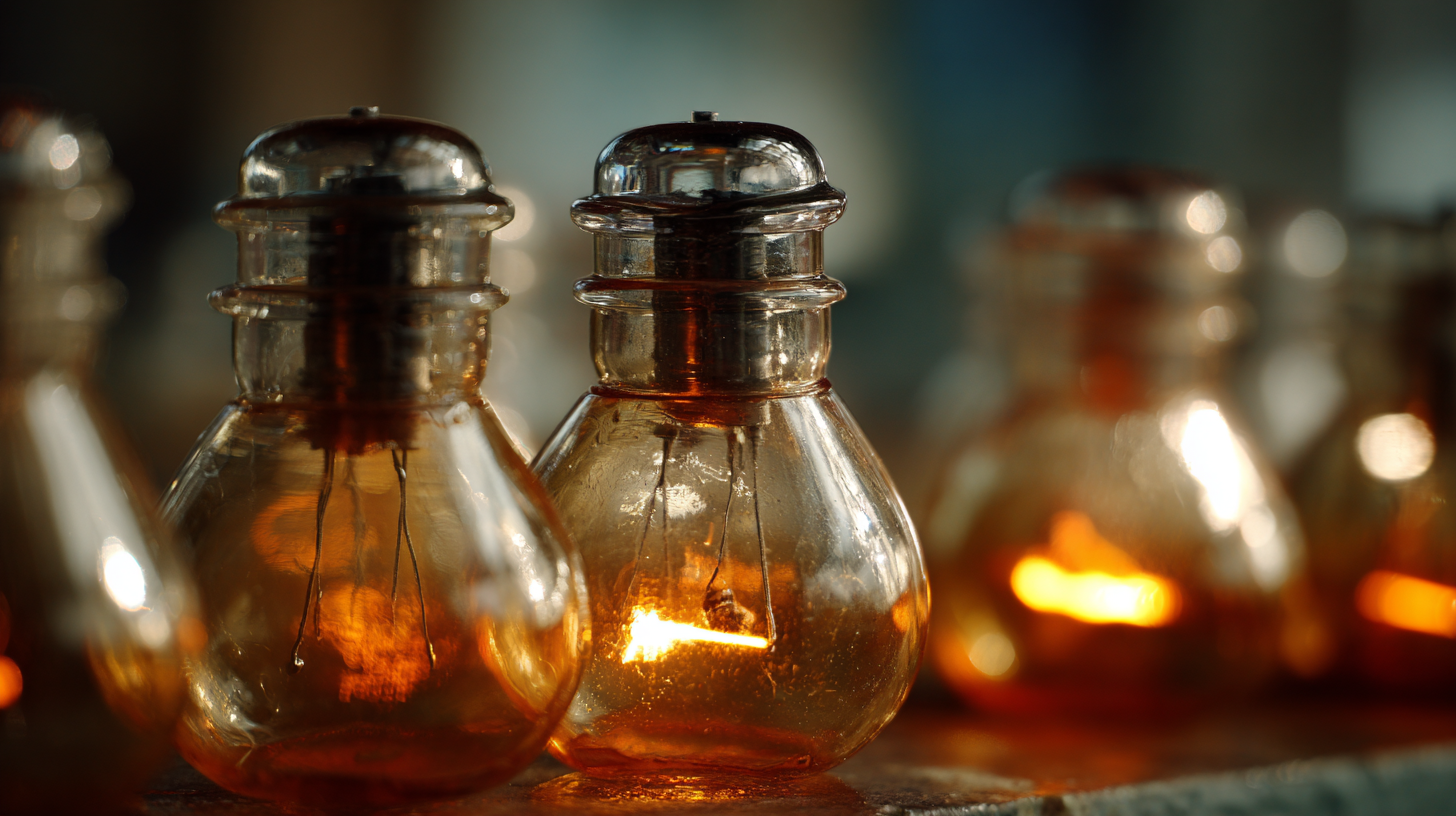
Another point to consider is how well the insulator can handle different weather conditions. It’s gotta withstand stuff like harsh sun or extreme temperatures without losing performance. There was this study by the Electric Power Research Institute that pointed out glass insulators are actually better at resisting UV rays and temperature swings than ceramic ones. Plus, with good maintenance, they can last over 35 years—that’s quite a long time and makes them a solid, cost-effective choice for energy-efficient setups.
So, if you focus on these features—dielectric strength and weather resilience—you’re pretty much set up to get the most out of your glass insulators and make your system run smoother and last longer. It’s all about finding that balance between quality and durability to get the best bang for your buck.
Comparing Different Types of Glass Insulators for Energy Savings
When you're choosing glass insulators to save energy, it’s pretty important to get a good grasp of the different types out there and how they can boost efficiency in various setups. You’ll find things like tension insulators, spool insulators, and post insulators — each one designed for specific jobs in electrical systems. They’re built tough to handle tough weather, all while keeping energy loss to a minimum. Comparing these styles can help you figure out which one fits your needs best, depending on things like voltage levels, where you’re installing them, and how much maintenance they’ll need.
One big perk of using glass insulators? They’re super durable and tend to last a long time, which means you can save energy over the years. While porcelain insulators have traditionally been the standard for high-voltage stuff, nowadays, glass options are pretty impressive — more resistant to weather and wear. Plus, since glass is transparent, it’s easier to do visual checks, catching issues early before they turn into bigger energy drains. By taking a good look at all the different types available, you’ll be able to make smarter choices — saving money and boosting efficiency in the long run.
Installation Tips for Optimal Performance of Glass Insulators
When you're installing glass insulators to boost energy efficiency, paying attention to the little details really makes a difference. A good starting point is making sure the area is clean—no dirt or debris lying around. It might seem small, but this step helps ensure there's solid contact between the insulator and the surfaces it's connecting. Plus, it helps prevent any electrical issues that can happen if contaminants are present.
Another thing to keep in mind is lining up those insulators just right. Proper alignment is key because it reduces stress on the insulator, which can otherwise cause it to fail sooner than expected. Using a level or something similar during installation can really help you get everything straight and properly positioned. Also, don’t skimp on hardware—going for good quality fittings makes a big difference. They’ll hold everything securely and stand up better against the elements.
And don’t forget about the height and spacing between the insulators. It’s not just about looks—getting the spacing right based on your specific setup actually boosts performance and keeps electrical interference at bay. Follow these simple tips, and you’ll see a noticeable improvement in how well your system works and how energy-efficient it is.
How to Choose the Best Isolateur En Verre for Enhanced Energy Efficiency - Installation Tips for Optimal Performance of Glass Insulators
| Feature | Description | Benefits |
| Material Quality | High-grade glass insulators designed to withstand harsh environmental conditions. | Increased durability and reduced maintenance costs. |
| Thermal Resistance | Insulators that maintain performance across a wide range of temperatures. | Enhanced energy efficiency and reduced energy losses. |
| Voltage Rating | Properly rated for the intended electrical application. | Safety assurance and optimal performance. |
| Installation Method | Guidelines for proper installation to avoid mechanical stress. | Optimized performance and longevity of insulators. |
| Environmental Impact | Sustainable production processes and recyclable materials. | Reduced carbon footprint and compliance with regulations. |
Maintaining Your Glass Insulators for Long-Term Efficiency
Taking good care of glass insulators is actually pretty important if you want your power systems to run efficiently over the long haul. I read in a report by the IEEE Power Engineering Society that if you keep these insulators well-maintained, you can cut down on energy losses by up to 15%. Simple stuff like regular inspections and cleaning really makes a difference. It helps stop dirt build-up and other things from sticking around, which, if ignored, can mess with their performance over time. When dirt or grime build up on the surface, it can cause leakage currents—that’s a fancy way of saying energy sneaks through places it shouldn’t—and not only does that waste energy, but it can also cause bigger reliability issues down the line.
And it’s not just about cleaning, either. How you handle and store these insulators really impacts how long they last. A study in the Journal of Electrical Engineering pointed out that if insulators get jostled or handled improperly during installation, they might look fine at first but could be subtly damaged, which might weaken them later on. So, following best practices during installation and doing regular maintenance can make a huge difference. Keeping them in good shape means they’ll keep working well, helping create a more reliable, eco-friendly power grid—and ultimately, saving everyone a lot of trouble. Bottom line? Pay attention to how you care for these insulators, and you’ll get the most out of them while also doing your part for a greener future.
The Future of Glass Insulators in Sustainable Energy Solutions
As the world is moving more and more toward sustainable energy sources, glass insulators are really becoming an important part of today's energy systems. They do a great job at providing reliable electrical insulation, and they also help boost energy efficiency. What’s pretty cool is that they can handle tough environmental conditions while keeping power losses to a minimum. That makes them a super eco-friendly option for power lines and renewable energy setups. Plus, their transparency means designers can get a little more creative—integrating them smoothly into natural surroundings and making energy installations look nicer.
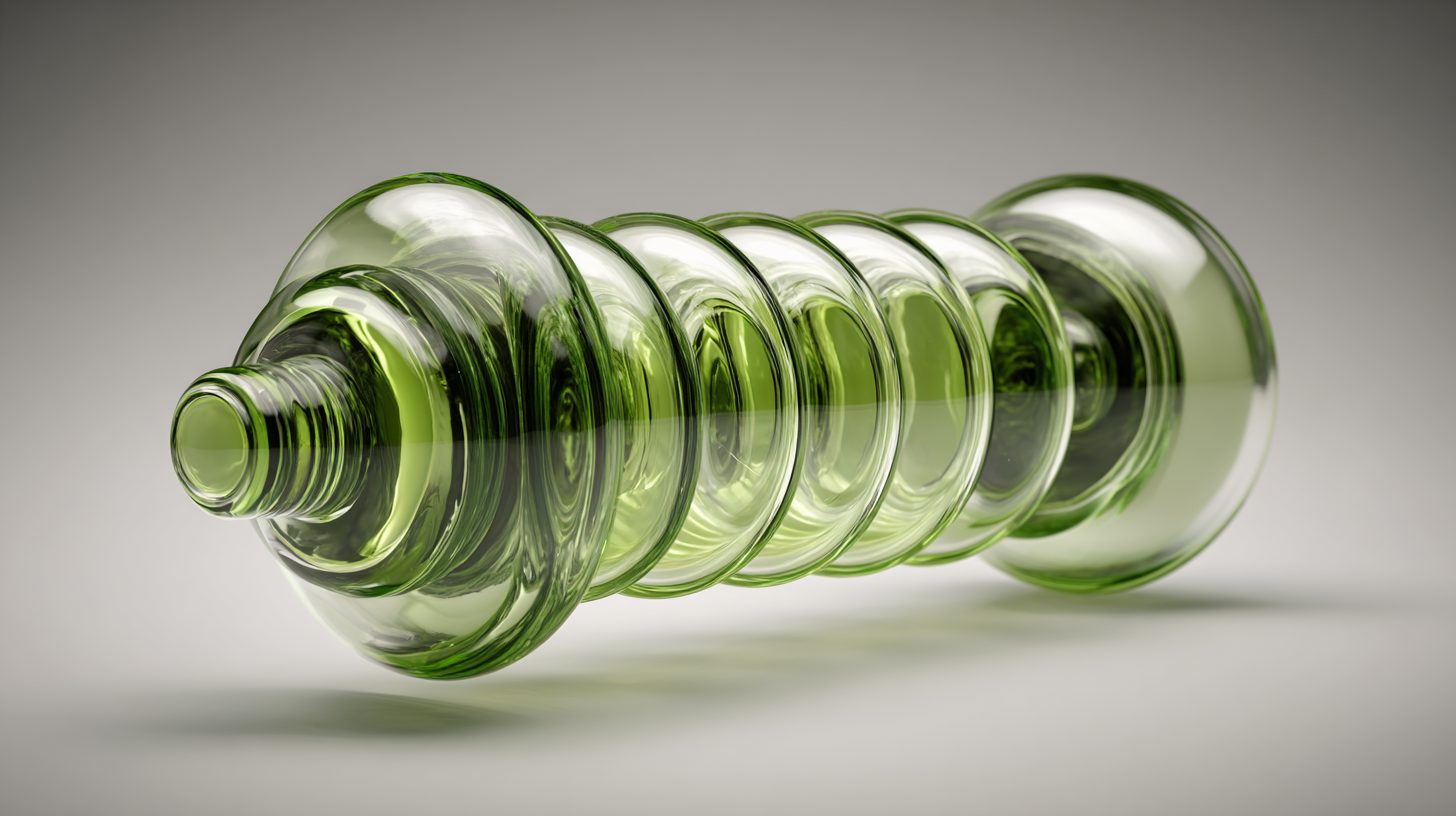
Looking ahead, the future of glass insulators is pretty exciting, especially as new materials and tech are thrown into the mix. Researchers are working on ways to make them even tougher and better performing, so they can handle high-voltage needs and fit into smart grid systems. And the fact that glass insulators can be recycled lines up perfectly with global goals for sustainability—cutting waste and reducing environmental impact. As more countries jump on the green bandwagon, using more advanced glass insulators will be key in building efficient, sustainable energy solutions. All in all, they’re gonna help steer us toward a cleaner, more resilient energy future.
Analyzing the Impact of 70kN High Voltage Glass Insulators on Electrical System Efficiency: Insights from Industry Reports
High voltage glass insulators are critical components in ensuring the efficiency and stability of electrical power transmission systems. The CTV 254 glass insulator, with its impressive specifications, is specifically designed for systems operating in the range of 10 kV to 330 kV. Its diameter of 254 mm and a creepage distance of 320 mm enhance its performance in high-voltage environments, allowing the insulator to maintain its integrity under challenging conditions. Notably, it boasts a mechanical failing load capacity of 70 kN, which aligns perfectly with industry reports emphasizing the need for robust insulators capable of withstanding extreme physical stress, thus ensuring system reliability.
The CTV 254 glass insulator has garnered popularity in the Algerian market, primarily due to its long-term reliability and performance. Industry insights reveal that insulators of this caliber can retain exceptional mechanical and electrical properties even after 30 years of service. This durability not only reduces the need for frequent replacements but also minimizes operational disruptions and maintenance costs stemming from equipment failure. Data suggests that utilizing high-quality insulators like the CTV 254 significantly enhances the overall efficiency of electrical systems, directly contributing to improved service delivery and operational reliability in power transmission.
Furthermore, the choice of insulator plays a vital role in reducing energy losses and improving voltage stability across transmission networks. Industry reports highlight the direct correlation between the type of insulator used and both electrical performance and system longevity. As utilities and industries strive for efficiency, integrating high-performance solutions such as the CTV 254 glass insulator becomes indispensable in modern power transmission infrastructure.
FAQS
: Glass insulators are used in electrical distribution systems to enhance energy efficiency by minimizing energy loss while withstanding harsh environmental conditions.
The different types of glass insulators include tension insulators, spool insulators, and post insulators, each tailored for specific purposes in energy applications.
Glass insulators offer superior resistance to degradation and environmental factors, a longer lifespan, and allow for better visual inspections that promote proactive maintenance.
Proper installation ensures maximum contact, prevents electrical discharge, reduces stress on insulators, and optimizes performance and energy efficiency.
Proper alignment reduces stress on the insulators, preventing premature failure and ensuring that they function effectively.
The installation site should be clean and free from debris, and the height and spacing between insulators need to meet the specific project requirements for optimal performance.
High-quality, compatible hardware should be chosen for secure attachment and improved durability against environmental elements.
The transparency of glass allows for easier visual inspections, enabling proactive maintenance that reduces potential energy waste from faulty equipment.
Their durability and long lifespan reduce energy consumption over time, leading to significant cost savings in the long run.
Proper spacing between insulators optimizes performance and provides adequate insulation from electrical interference.
Conclusion
You know, in today’s world where everyone’s trying to boost energy efficiency, picking the right glass insulator—what they call 'Isolateur En Verre'—really matters. Getting a good grasp of what glass insulators are and why they’re important is a pretty good first step if you wanna make smart choices. When you’re shopping around, stuff like the quality of the material, the design, and how much energy you can actually save—those are the key things to keep in mind.
Honestly, comparing different types of glass insulators can really help you find options that give you the best bang for your buck energy-wise. And don’t forget, getting them installed properly and keeping up with some maintenance is crucial for them to work well long-term. It’s exciting to see companies like Jiangxi QOCl Electric Co. Ltd. leading the charge, using pretty advanced tech and fresh research to make these glass insulators better than ever. Things are definitely looking good for these materials when it comes to building a more sustainable energy future.