Picking the right Ctv Chain Isolator really matters if you want everything to run smoothly. I mean, as John Smith from ChainTech Innovations pointed out, “The right isolator can massively boost system reliability.” That honestly highlights just how important it is to pick the right device for your setup.
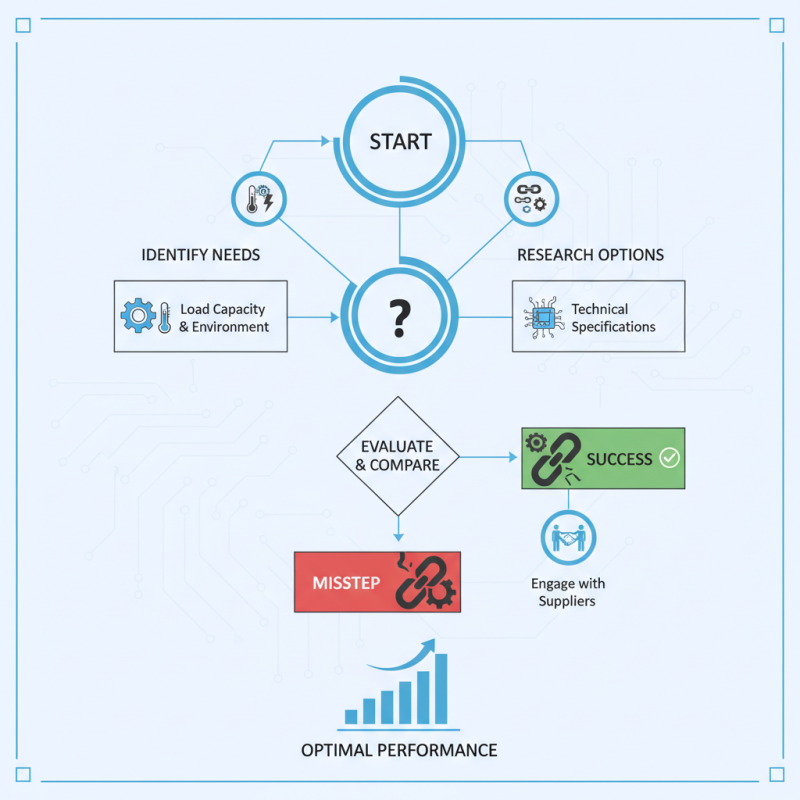
First off, it’s super important to understand what you actually need. Ctv Chain Isolators aren’t one-size-fits-all—they’re used in all sorts of different situations and environments. So, just grabbing one off the shelf without thinking it through isn’t a good idea. If you choose poorly, you might end up dealing with issues like overheating or malfunctioning equipment, especially if the voltage ratings don’t match up.
And let’s be real, the options out there can be pretty overwhelming. Not every isolator is going to be perfect for your specific situation, so taking the time to review technical specs—like load capacity and environmental factors—is definitely worth it. Overlooking those details could cause big headaches down the line. The best bet? Talk to experienced suppliers or experts. They can help point you in the right direction and prevent you from making costly mistakes.
When selecting a CTV chain isolator, understanding key concepts is crucial. A chain isolator serves as a barrier, reducing vibration and noise in equipment. The basic function is to absorb shock, protecting machinery from wear and tear. Different types are available, each designed for specific applications.
The effectiveness of isolation depends on material properties and design. For instance, rubber isolators are effective for vibration dampening. However, they may not withstand extreme temperatures. Metal isolators, on the other hand, provide durability but often transmit more noise. Evaluating your operational environment will guide your choice.
It's also important to consider the installation process. Some isolators require precise alignment, which can be challenging. Improper installation may lead to performance issues, requiring a re-evaluation. Continual assessment of isolator performance over time is wise. Monitoring reveals if the chosen isolator meets ongoing needs or if adjustments are essential.
Choosing a suitable CTV chain isolator can significantly impact your operation. Different types of CTV chain isolators are available, each designed for specific applications. Understanding these options is crucial in making an informed decision.
One common type is the tensioning isolator. It helps maintain the chain's tension, enhancing performance and longevity. Another type is the shock-absorbing isolator. This option protects equipment from sudden forces during operation. Also, vibration-dampening isolators minimize noise and enhance comfort. All these isolators provide varying benefits depending on your needs.
Tips: Always consider the load capacity when selecting your isolator. Overloading can lead to premature failure. Additionally, assess the operating environment. Humidity, temperature, and exposure to chemicals can affect performance. Reflecting on past experiences can guide future choices. Engaging with experts in the field may help identify which type suits your unique application best.
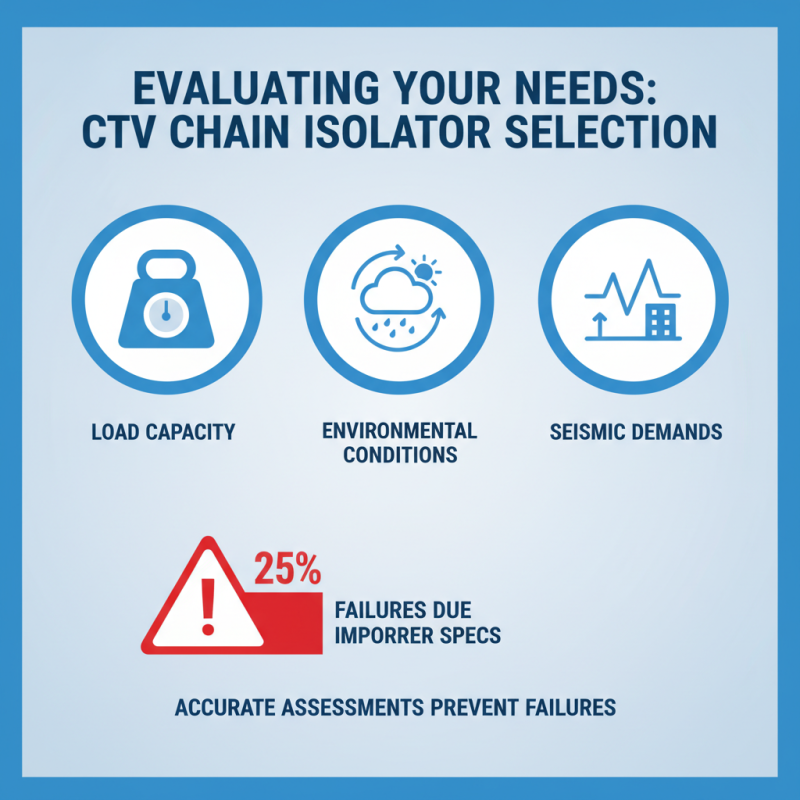
When selecting a CTV chain isolator, it is crucial to evaluate your specific needs. Factors influencing your decision include load capacity, environmental conditions, and seismic demands. According to industry reports, approximately 25% of isolator failures are attributed to improper specifications. This highlights the importance of accurate assessments.
Consider the installation environment. High humidity, extreme temperatures, or exposure to chemicals can impact isolator performance. A report by the Structural Engineers Association indicates that isolators must resist these factors to ensure longevity. Consulting with a structural engineer can provide tailored insights for your project.
**Tips:** Always review technical data sheets carefully. Focus on aspects such as displacement capabilities and stiffness. It's beneficial to compare various options. Don't hesitate to ask for professional advice if you are uncertain about your requirements. Proper research can significantly reduce the risk of malfunction.
When selecting a CTV chain isolator, performance metrics play a critical role. Efficiency and effectiveness are vital for ensuring optimal operation. Efficiency often measures how well the isolator functions under various loads. A higher efficiency rating means less energy loss and better cost savings. Consideration of the load capacity and the system's demands is essential in this context.
Effectiveness focuses on the isolator's ability to minimize resonance and vibration. A well-performing isolator should dampen disturbances, allowing for smoother operations. Users often overlook this aspect. It might seem easier to choose based on price or brand reputation, but this could lead to issues down the line.
Monitoring the performance metrics is crucial after installation. An efficient isolator may become less effective over time. Regular inspections and assessments can reveal potential areas for improvement. Neglecting these checks can lead to increased operational costs and reduced longevity of the system. Achieving the right balance between efficiency and effectiveness ensures that your CTV chain isolator truly meets your needs.
When selecting a CTV chain isolator, installation considerations are vital. It's essential to assess the environment. Factors such as vibration, humidity, or temperature can impact the performance. Proper alignment during installation is crucial. Misalignment can lead to excessive wear and early failure.
Consider the mounting method as well. The isolator should fit well, creating a stable setup. If the isolator is not securely mounted, it may not function as intended. This can result in noise issues or inadequate isolation.
Plan for maintenance accessibility too. Isolators should be reachable for regular checks and adjustments. This reduces the chance of overlooking potential issues. Installing CTV chain isolators often involves trial and error. Understanding the specific site conditions helps in making informed choices. Often, feedback from previous installations can guide improvements.
When selecting a CTV chain isolator, maintenance is crucial for longevity and reliability. According to industry reports, regular inspections should occur at least quarterly. This helps identify wear or misalignment early. Chain isolators experience stress, which can lead to fatigue. Over time, this could compromise isolation performance.
Lubrication is another key factor. Proper lubrication reduces friction, thus minimizing wear. However, many operators overlook this step. An estimated 30% of chain failures are due to inadequate lubrication. A simple routine of checking and applying lubricant can prevent costly repairs.
Cleaning is equally important. Dust and debris can interfere with the isolator’s function. Scheduled cleaning, ideally after every major operation, helps maintain efficiency. Neglecting this can lead to unexpected downtime. By incorporating these maintenance tips, operators can enhance the lifespan and dependability of their isolators. The goal is to foster a proactive maintenance culture, which may sometimes require adjusting existing practices.
When selecting a CTV chain isolator, cost plays a crucial role. Understanding your budget is essential. The price range for chain isolators varies significantly. You can find models priced from $50 to over $500. Factors like material and brand can influence these prices. An industry report from the National Electrical Manufacturers Association highlights that around 35% of maintenance costs can stem from improper equipment choice.
Analyzing long-term costs is also important. A cheaper isolator may save initial funds but lead to higher operational costs. The same industry report indicates that costs for repairs increase by 50% if the correct isolator is not used. This often results from component failures, downtime, and replacement parts. Moreover, CTV chain isolators can last anywhere from 5 to 15 years, depending on usage.
Investing in quality can prevent future expenses. Consider potential savings from reduced maintenance. According to a recent survey, 40% of users reported significant savings after Switching to a more reliable isolated chain. Balancing upfront costs with potential long-term savings requires careful thought. Assess your needs, evaluate options, and ensure your choice aligns with your operational strategy.
| Specification | Estimated Cost ($) | Installation Cost ($) | Maintenance Cost (Annual) ($) | Expected Lifespan (Years) |
|---|---|---|---|---|
| Standard CTV Chain Isolator | 500 | 200 | 50 | 10 |
| Heavy-Duty CTV Chain Isolator | 800 | 250 | 75 | 12 |
| Premium CTV Chain Isolator | 1200 | 300 | 100 | 15 |
| Eco-Friendly CTV Chain Isolator | 700 | 220 | 60 | 8 |
: A CTV chain isolator helps manage vibrations, protecting equipment and enhancing performance.
Common types include tensioning, shock-absorbing, and vibration-dampening isolators. Each serves a specific purpose.
Load capacity ensures the isolator can handle operational demands. Overloading may cause premature failure.
Efficiency measures energy loss, while effectiveness evaluates vibration reduction capacity. Both are essential for optimal operation.
Assess environmental conditions like vibration and humidity. Proper alignment and mounting are crucial for effective performance.
Plan for easy access to isolators for checks. Regular inspections can prevent overlooked issues and reduce costs.
Neglecting metrics can lead to increased costs and decreased system longevity. Regular assessment is necessary.
Yes, reflecting on prior installations helps identify what works best for your unique application.
Misalignment or improper mounting can cause excessive wear and noise issues, impacting the isolator's effectiveness.
Experts can provide insights tailored to your needs, helping identify suitable isolator types for specific applications.
Choosing the right CTV Chain Isolator is crucial for ensuring the efficiency and effectiveness of your system. This article outlines the key concepts and definitions associated with CTV Chain Isolators, providing an overview of the different types available. When selecting an isolator, it's important to evaluate your specific needs by considering various factors that impact performance, installation, and maintenance.
The piece also emphasizes best practices for installation and offers maintenance tips to ensure the longevity and reliability of the isolators. Finally, it includes a cost analysis section to assist in budgeting for the selection and use of CTV Chain Isolators. By understanding these elements, you can make an informed decision that aligns with your operational requirements.