Leave Your Message
0%

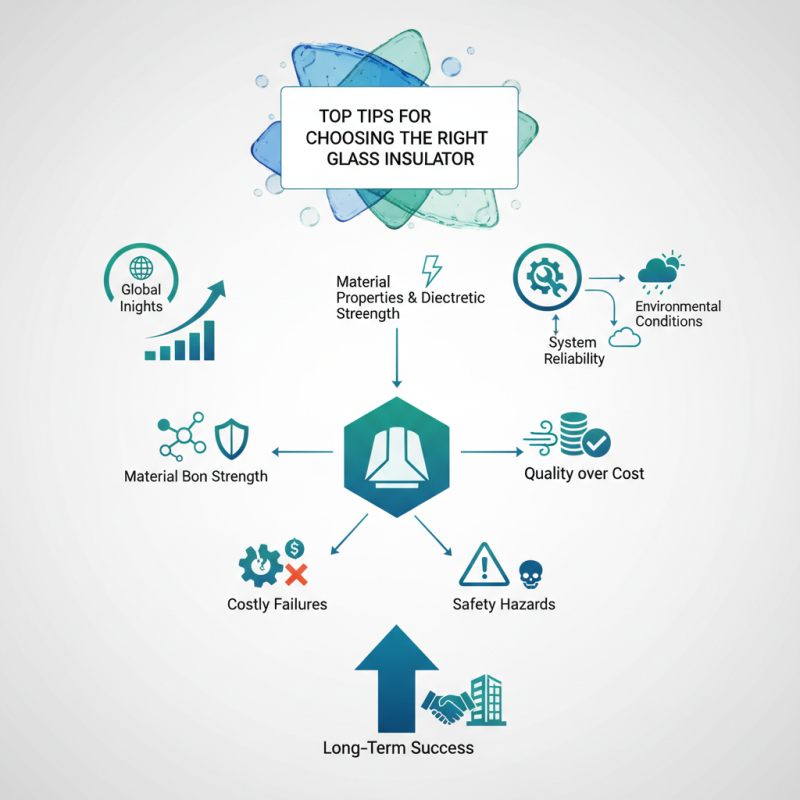
Picking the right glass Insulator really makes a difference when it comes to how a project turns out. I came across a report from Global Market Insights, and it’s pretty interesting — they’re saying demand for these insulators is expected to increase by about 7% each year. That just shows how important it is to choose the right type for whatever you're working on.

Someone like John Smith from Insulator Solutions puts it simply: “The right insulator can make or break your system’s reliability.” His point hits home — especially since selecting the right one depends a lot on what you’re actually using it for, the environment, and the voltage levels involved. Not everyone realizes that each insulator type has a specific purpose, which can be kinda confusing at first.

Plus, a lot of folks tend to overlook the small details, like the material properties and design features. Things like dielectric strength and how well it holds up against weather are super important. Honestly, going for quality over just saving a few bucks usually pays off in the long run. It’s worth taking the time to really evaluate your options and understand your installation environment. Skipping this step can lead to costly failures or even safety issues down the line. So yeah, making informed decisions about glass insulators isn’t just smart—it’s essential if you want your project to succeed in the long run.
Top Tips for Choosing the Right Glass Insulator for Your Needs?

Understanding the Importance of Glass Insulators in Electrical Applications

Top Tips for Choosing the Right Glass Insulator for Your Needs?

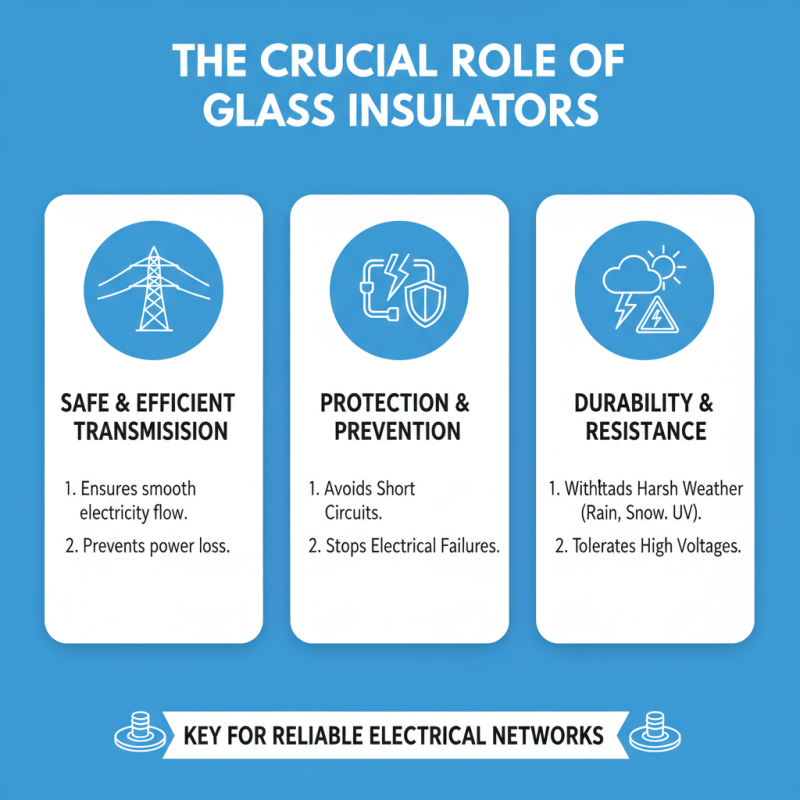
Glass insulators play a crucial role in electrical applications. They ensure the safe and efficient transmission of electricity. Proper insulation prevents short circuits and electrical failures. These insulators can withstand harsh weather and high voltages. They protect cables and other equipment from environmental damage.

Choosing the right insulator is not always straightforward. Factors like voltage level and environmental conditions matter greatly. The material quality can vary significantly. Not all glass insulators are made equal. It's vital to assess your specific needs before purchasing. Look at the insulator's design and compatibility with existing systems. Sometimes, a less popular option may serve better.

Quality cannot be compromised. However, budget constraints often challenge decisions. High-quality insulators cost more but may last longer. It’s a delicate balance between quality and cost. Consider long-term performance, not just initial price. Remember, the wrong choice can lead to costly repairs later. So weigh options carefully before finalizing.

Factors to Consider When Selecting Glass Insulators

Choosing the right glass insulator involves several key factors. First, consider the purpose of the insulator. Different applications require different specifications. For high voltage lines, durability is crucial. For decorative purposes, aesthetics matter more.

Material quality is another important aspect. High-quality glass can resist weather changes and impacts. Look for insulators that can withstand potential damage over time. Also, inspect the glass for any imperfections. Tiny cracks can weaken the insulator's performance.

When selecting, size plays a role too. Ensure the insulator fits your existing framework. An improperly sized insulator may lead to failures. Think about color, as it can affect visibility and overall appearance. Clear glass may blend subtly, while colored options can enhance your setup's look.

Think deeply about these details. Sometimes, people overlook minor factors. Each aspect contributes to the overall effectiveness. Take time to weigh your choices carefully. A rushed decision may lead to regrets in the future. Your final selection should serve both your practical needs and aesthetic preferences.

Types of Glass Insulators and Their Specific Uses

When selecting glass insulators, it’s vital to understand the different types available and their specific applications. Pin-type insulators are common in overhead power lines. They provide excellent electrical insulation and are often used in utility networks. The average lifespan of these insulators is around 50 years, which makes them a reliable choice. However, in areas prone to environmental stress, they may require regular inspections.

suspension insulators are ideal for long-distance transmission. They can withstand high voltage and are designed to support heavy lines. Studies show that using the correct type can reduce maintenance costs by up to 30%. Nevertheless, some users overlook the importance of the insulator's design. This can lead to premature failures or inefficient energy transfer.

When choosing an insulator, consider the environmental conditions you’ll face. High humidity or heavy pollution can affect insulation performance. Check for certifications and compliance with industry standards. Many professionals recommend having a backup supply. This ensures that you can quickly replace any damaged insulators, minimizing downtime. Understanding your specific needs is crucial for making the right choice.

Top Tips for Choosing the Right Glass Insulator for Your Needs

Type of Glass Insulator Specific Uses Advantages Considerations
Suspension Insulators Used in overhead power lines High mechanical strength, weather resistant Requires proper installation for optimal performance
Pin Insulators Commonly used for distribution lines Compact, easy to install Limited use in high voltage applications
Post Insulators Used for supporting electrical devices Good electrical insulation properties May require larger space for installation
Socket Insulators Used in various electrical equipment Flexible and versatile Quality may vary by manufacturer
Shackle Insulators Used to connect conductors Very durable and weather-resistant May be less common in some regions

Evaluating Environmental Conditions for Insulator Selection

When selecting glass insulators, evaluating environmental conditions is crucial. Different factors like temperature, humidity, and pollution levels can impact insulator performance. According to industry studies, insulators are subjected to varying environmental stresses. In coastal areas, salt contamination can lead to rapid degradation.

Tip: Assess local weather patterns. Areas with frequent storms may require insulators with higher withstand voltages. Research indicates that insulators must resist not only mechanical stress but also severe electrical stress due to fluctuating weather.

Additionally, pollution can cause insulator surfaces to become conductive. A report from the Electrical Insulation Research Group suggests that urban areas often face more severe insulator fouling. This demands frequent inspections and possibly a switch to more durable glass types.

Tip: Invest in regular maintenance checks. Ignoring environmental degradation can lead to system failures. Many utilities miss this vital step, only to face unexpected outages. Evaluating the specific environmental conditions helps in making informed choices for reliable insulator performance.

Assessing Voltage Ratings for Appropriate Insulator Choice

When choosing a glass insulator, voltage ratings are crucial. Each insulator is designed for specific voltage levels. An insulator rated too low may fail under stress. This can lead to dangerous situations and equipment damage.

Consider your application carefully. High-voltage lines need robust insulators. If you run a system at 10 kV, select insulators rated above this value. Ratings typically include a margin for safety. Ignoring this can cause expensive outages.

Look at environmental factors too. Moisture and weather can affect performance. A high-rated insulator might underperform if not suited for local conditions. Sometimes, even the most suitable insulator fails to meet expectations due to overlooked details. Assessing voltage ratings is just the start; application specifics matter immensely. Select wisely.

Maintenance and Longevity of Glass Insulators

When it comes to the longevity of glass insulators, regular maintenance plays a crucial role. They are designed to withstand harsh weather, yet without proper care, their lifespan can be significantly reduced. A recent industry report highlights that neglecting routine inspections can lead to over 30% failure rates in glass insulators. Cleaning them periodically can help maintain their efficiency and prevent moisture accumulation.

Many users overlook the importance of environmental factors. For instance, insulators in coastal areas may face challenges like salt corrosion. This requires more frequent assessments. A study indicates that insulators exposed to saltwater environments need replacement every 10 years, while those in less severe conditions can last up to 30 years. It’s essential to know where the insulator will be installed; the local climate can dictate its maintenance needs.

Lastly, improper installation can lead to premature wear. Misalignment or inadequate support can stress the insulator. Investigations show that nearly 25% of insulation failures result from installation errors. Understanding these factors can significantly enhance the overall performance of glass insulators, ensuring they serve their purpose effectively over time.

Budget Considerations and Cost-Effectiveness in Selection

Top Tips for Choosing the Right Glass Insulator for Your Needs?

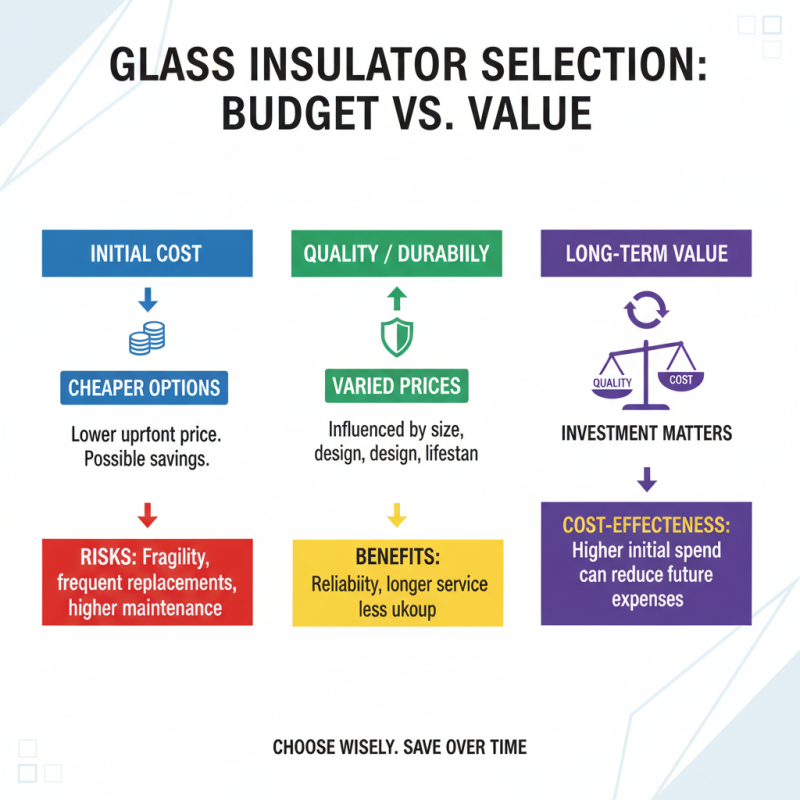
When selecting a glass insulator, budget considerations play a vital role. It’s essential to evaluate how much you are willing to spend. Quality glass insulators vary in price, influenced by factors such as size, design, and durability. Opting for cheaper options might save money upfront but could lead to higher costs later due to replacements or maintenance.

One tip is to research different suppliers. Compare prices and read reviews. This can help identify which options provide good value. Don't forget to factor in shipping costs. They can increase the total expense significantly. Sometimes, a local supplier may offer better pricing.

Another point to consider is your specific needs. Think about the environment where the insulator will be used. Will it face extreme weather? Investing in a high-quality insulator may require more budget initially but can be cost-effective in the long run. Often, the cheapest choice does not offer the best performance. Reflect on how often you may need to replace a low-cost insulator, which could add up over time.

FAQS

: Why are glass insulators important in electrical applications?

: Glass insulators ensure safe electricity transmission and prevent short circuits or electrical failures.

How do environmental conditions affect glass insulators?

Temperature, humidity, and pollution can impact their performance and degradation rates.

What should I consider when choosing a glass insulator?

Assess voltage levels, environmental conditions, material quality, and compatibility with existing systems.

Are all glass insulators the same quality?

No, quality varies greatly among different products. It's crucial to choose wisely based on specific needs.

How does budget influence glass insulator selection?

While high-quality insulators cost more upfront, they may save money in the long term through durability.

What happens if I ignore environmental degradation?

Ignoring it can lead to unexpected outages and costly repairs. Regular maintenance checks are essential.

How can I evaluate local environmental conditions?

Research local weather patterns, including storm frequency and pollution levels, to make informed choices.

Should I always choose the cheapest option?

Not necessarily. Often, cheaper insulators may require more replacements, leading to higher long-term costs.

How often should I inspect glass insulators?

Regular maintenance is key. Areas facing harsh conditions should be checked more frequently to prevent issues.

Can I find better pricing from local suppliers?

Yes, sometimes local suppliers offer better deals than larger distributors, including lower shipping costs.

Conclusion

When selecting the right glass insulator for electrical applications, it is crucial to understand their importance in ensuring efficient and safe operations. The choice of a glass insulator should take into account various factors, including the specific types available and their respective uses, as well as environmental conditions that may impact performance. Evaluating the voltage ratings also plays a key role in making an appropriate selection, ensuring that the insulator can handle the necessary electrical load.

Furthermore, maintenance and longevity are essential considerations, as improper choices can lead to increased costs and safety risks over time. Budget constraints should also be factored into the decision-making process, aiming for cost-effectiveness without compromising on quality. By carefully assessing these various aspects, one can ensure the chosen glass insulator effectively meets their needs while providing reliable, long-term performance.
Amelia

Amelia

Amelia is a highly skilled marketing professional at Jiangxi QOCI Electric Co. Ltd., a leading manufacturer of glass insulators established in December 2002 in Jiangxi Province, China. With a profound understanding of the company’s products and an unwavering commitment to excellence, she plays a......
Previous Understanding Import Export Certifications for Isolateur Ctv 254 and How to Navigate the Process