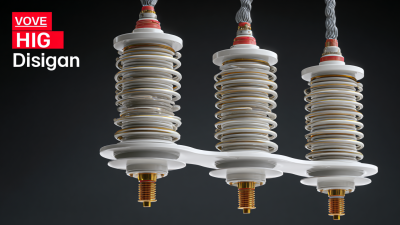
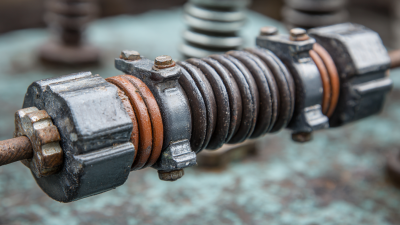
When you think about electrical engineering, it's pretty clear that designing high voltage insulators is super important — especially now, as the world really needs more efficient and reliable ways to transmit power. I mean, according to a report from the International Energy Agency, with the push towards renewable energy sources, the market for electrical insulators is expected to grow a lot. In fact, they're forecasting it’ll be worth over $12 billion by 2025. One company that's really making waves in this space is Jiangxi QOCI Electric Co. Ltd., which was founded back in December 2002 in Jiangxi Province, China. They've got some pretty advanced tech for making glass insulators and are quite active in R&D, particularly in functional glass and circuit insulators. As industries put more focus on safety and getting the best performance out of their equipment, choosing the right high voltage insulator design for specific needs isn’t just smart — it’s absolutely crucial for keeping things running smoothly and meeting international standards.
Advantages of Utilizing Advanced High Voltage Insulator Designs in Modern Electrical Systems
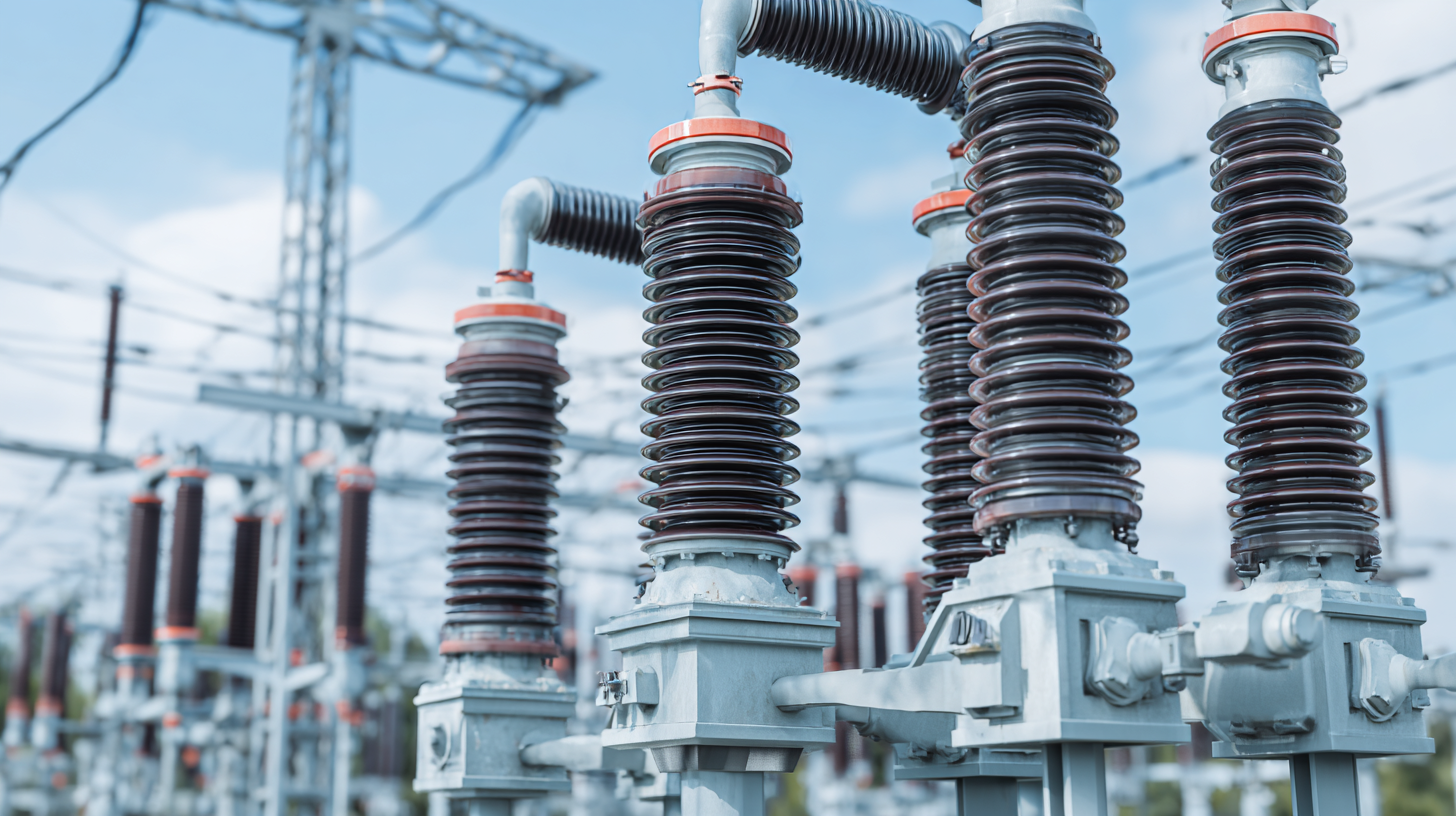
When it comes to modern electrical systems, choosing the right high-voltage Insulators is a pretty big deal. They’re crucial for keeping things safe, running smoothly, and staying reliable over time. The cool thing is, these days, advanced insulator designs use some pretty innovative materials and clever engineering tricks to perform well even in tough environments. They often include features that help lower the chances of failures—like electrical discharges or damage from weather conditions—which means they last longer and cost less to maintain in the long run.
One of the main perks of going with these high-tech insulators is that they can handle pretty extreme conditions—think really hot or cold temperatures, pollution, all that. For instance, materials that repel water or prevent fogging really help keep dirt and debris from building up, so everything keeps working smoothly without interruption. Plus, these improved insulators help reduce power losses, making the whole electrical system work more efficiently and sustainably. Honestly, investing in top-notch insulator tech doesn’t just boost the longevity of your infrastructure; it also means safer and more reliable power distribution for everyone involved.
7 Compelling Reasons to Choose the Best High Voltage Insulator Design for Your Needs
| Reason | Description | Advantages | Application Areas |
| Enhanced Reliability | Advanced materials provide improved performance under extreme conditions. | Reduced maintenance frequency and longer service life. | High voltage transmission lines, substations. |
| Cost Effectiveness | Lower lifecycle costs due to enhanced durability. | Decreased installation and operational costs. | Utility power systems. |
| Environmental Resistance | Designed to withstand harsh environmental conditions. | Increased operational reliability in diverse climates. | Remote and rugged installations. |
| Lightweight Design | Modern designs use lightweight composite materials. | Easier handling and reduced structural load. | High towers and poles, long spans. |
| High Insulation Performance | New designs feature superior dielectric properties. | Improved protection against voltage surges. | Critical infrastructure, high-load operations. |
| Reduced Pollution Levels | Innovative designs minimize pollution accumulation. | Lower risk of flashover events. | Urban and industrial areas. |
| Customizability | Flexible designs tailored to project specifications. | Enhanced integration into varied electrical setups. | Large scale electrical systems, renewable energy projects. |
Key Factors to Consider When Selecting a High Voltage Insulator for Your Project
When you're choosing a high voltage insulator for your project, there are a few important things to keep in mind to make sure everything runs smoothly and safely. First off, the material of the insulator is pretty key. Traditionally, folks have gone with porcelain or glass since they’re pretty tough and can handle the weather pretty well. According to the IEEE Standard 1563, insulators made from these materials can withstand all kinds of crazy weather and last for more than 30 years, so they’re a solid choice if you’re planning to keep things running long-term.
But it’s not just about the material. You also want to pay attention to the insulator’s electrical properties—especially its dielectric strength. The National Renewable Energy Laboratory mentions that for high voltage scenarios, insulators should have at least 20 kV per millimeter of dielectric strength to do the job properly. Another thing to think about is the pollution level in the area where you’re installing. Contaminants can really mess with performance, so it’s important to pick an insulator that's designed to handle different levels of dirt and pollution. Using standards like IEC 60507 for pollution testing can give you a good idea if a particular insulator will hold up well in your specific environment. All these factors, when considered together, help make sure you're choosing the right insulator for your needs and that everything stays safe and reliable in the long run.
Impact of Material Innovations on High Voltage Insulator Performance and Longevity
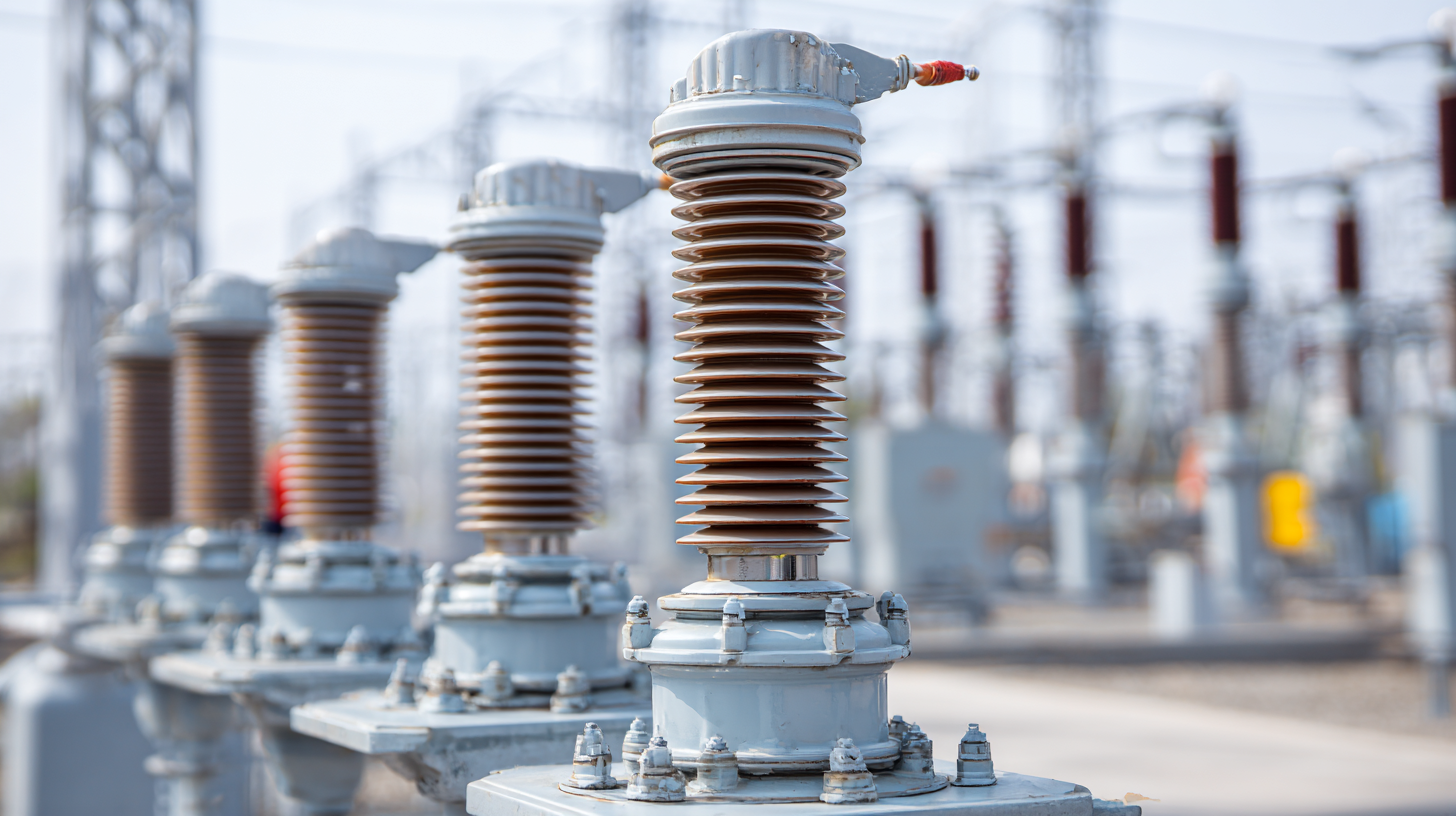
You know, the way new materials are changing high voltage insulator performance and how long they last is becoming a big deal in the power industry. Recent research shows that insulators made from advanced composite materials really pack a punch — they have better dielectric strength and stand up much better against weather and environmental wear and tear. Like, according to the folks at CIGRÉ, switching to polymer-based insulators has cut down maintenance costs by up to 35% and even added over 20 years to the life of these insulators versus the old-school ceramic ones. Pretty impressive, right?
And here’s the cool part — nanotechnology is making waves too. Studies, including one in the Journal of Electrical Engineering, point out that nanocomposite coatings make insulators super hydrophobic, so water doesn’t stick around or cause flashovers. That’s a real game changer because it makes the whole system more reliable and means fewer unexpected outages. And honestly, that adds up — saving the industry millions in repair and downtime costs. As scientists keep pushing the limits of material science, picking high voltage insulators that use these latest innovations is more important than ever if we want our electrical systems to be both efficient and last a good long while.
Comparative Analysis of Traditional vs. Modern High Voltage Insulators
When you're choosing high-voltage insulators, it’s pretty important to understand the differences between the old-school designs and the newer, modern ones. Classic insulators, usually made from ceramic or glass, have obviously stood the test of time and are pretty reliable. That said, they’re often heavier and can break more easily if mishandled. On the flip side, modern insulators are made from advanced materials like polymer composites, making them lighter and actually better at withstanding tough environmental conditions like pollution or weather changes. Basically, this comparison shows you really need to pick what works best for your specific situation.
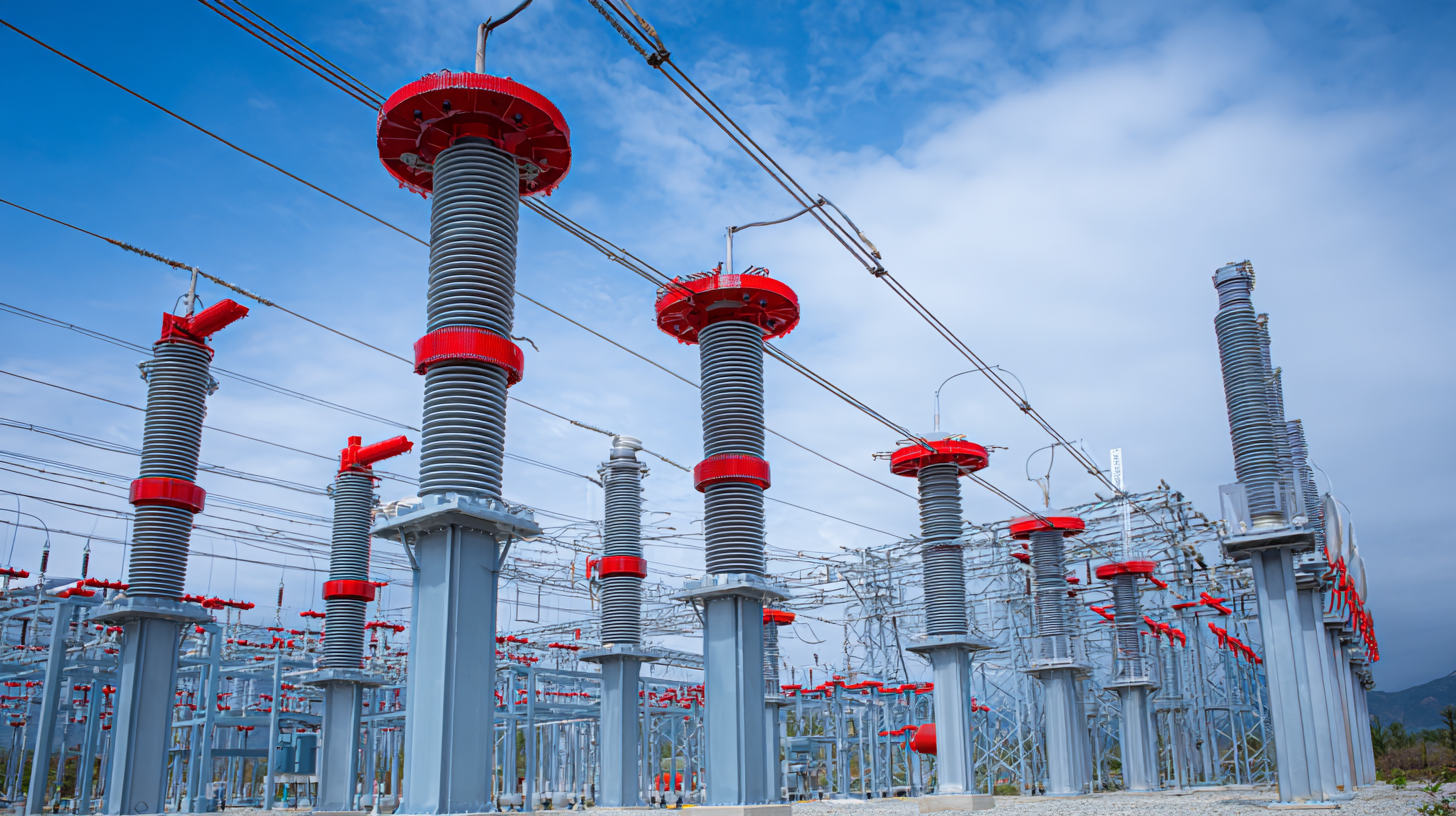
Here’s a little tip—think about the environment where you'll be installing your insulators. For example, if your area faces lots of pollution, going with those newer polymer insulators can be a game changer since they’re easier to keep clean and tend to last longer in harsh conditions.
And don’t forget about your budget. While these modern insulators might cost more up front, they usually last longer and need less maintenance, which can save you a lot in the long run. So, it’s all about weighing the initial expense against the benefits over time, and figuring out what really makes sense for your project’s needs and timeline.
Future Trends in High Voltage Insulator Design for Enhanced Safety and Efficiency
You know, in the ever-changing world of electrical engineering, high voltage insulators are really stepping up their game. There’s a lot of exciting progress happening to make systems safer and more efficient. As industries look for more reliable ways to handle high voltage setups, companies like Jiangxi QOCl Electric Co. Ltd. are really pushing the envelope, thanks to their solid manufacturing processes and strong R&D resources. Looking ahead, the future of high voltage insulator design isn’t just about ticking today's boxes; it’s also about tackling future challenges – like rising energy needs and the push for greener solutions.
One pretty cool trend right now is adding smart tech into insulator design. Imagine sensors and real-time monitoring systems built right in — these can tell you how the insulators are doing, helping catch problems before they turn into big issues. Not only does that make things safer, but it also boosts the overall efficiency of power grids.
**Tip:** When you’re picking out a high voltage insulator, keep durability in mind, but also think about how easily it can work with those new smart monitoring gadgets.
Another thing to watch for is the move toward eco-friendly materials that perform just as well but leave a smaller footprint on the planet. More and more utility providers and manufacturers are really focused on sustainability. That’s why innovations in special glass and circuit insulators are so important — they’re helping keep high-voltage systems running safely, all while being kinder to the environment.
**Tip:** Look for insulators made with advanced materials that last longer and are better for the planet. They tend to work better over the long run, too.
High Voltage Insulator Design Trends: Safety and Efficiency
This chart illustrates the top reasons for selecting advanced high voltage insulator designs based on their impact on safety and efficiency in electrical systems.
Role of Regulatory Standards in Shaping High Voltage Insulator Technology
Regulatory standards are pretty essential when it comes to high voltage insulator technology—they basically set the tone for safety, reliability, and overall performance in our electrical systems. These standards are put together by various agencies and international organizations, giving manufacturers a clear road map to design insulators that can handle tough environmental conditions and operational stresses. When companies stick to these guidelines, they're not just making their equipment safer; they're also helping their insulators last longer and work more efficiently. After all, these components are super important in power transmission and distribution.
Plus, as the regulatory landscape keeps evolving, it really pushes the industry to innovate. With new materials and tech coming onto the scene, companies are constantly challenged to come up with better high voltage insulator designs that meet strict safety and environmental standards. This sort of environment sparks competition, which is great because it leads to lighter, more durable insulators that perform better across a range of voltage levels. In the end, by staying compliant with these regulations, manufacturers aren’t just doing their part—they’re helping build a more sustainable and reliable electrical infrastructure that keeps up with the needs of today’s society.
Ensuring High Voltage Line Safety: The Role of 70kN U70bp/U70blp Anti-Pollution Fog Type Glass Insulators
High voltage transmission lines are essential for delivering electricity across vast distances, but they also face significant challenges from environmental factors, particularly pollution. In recent years, the electrical industry has increasingly turned to advanced materials and technologies to ensure the safety and reliability of high voltage lines. Among these innovations, the 70kN U70bp/U70blp anti-pollution fog type glass insulators have emerged as a game-changer in mitigating the adverse effects of pollution on electrical transmission systems.
The U70bp and related models such as the 146hu100bp and 146hu120bp stand out due to their remarkable ability to withstand harsh environmental conditions. According to a report by the International Energy Agency, the demand for robust insulators that can resist pollution-induced flashovers has risen by over 30% in the past decade. This surge highlights the urgent need for products like the U70bp series which are designed to operate effectively even in heavily polluted areas. These toughened glass insulators are not only premium in quality, but they also offer superior performance characteristics, including enhanced resistance to mechanical stress and thermal cycling.
Moreover, the anti-pollution capabilities of these insulators have been validated through extensive field testing, which indicates a significant reduction in maintenance costs and downtime for utility companies. As reported by the Electric Power Research Institute, using advanced insulators like the U70bp can extend the lifespan of high voltage systems by up to 20%, thereby enhancing overall operational efficiency. By investing in such innovative solutions, the electricity sector is taking proactive steps to ensure the safety and reliability of infrastructure in the face of increasing environmental challenges.
FAQS
: Advanced high voltage insulator designs offer enhanced performance in harsh conditions, reduced risk of failure due to electrical discharge or environmental factors, longer service life, and lower maintenance costs.
Porcelain and glass are traditional materials known for their durability and resistance to environmental factors, often chosen for their long lifespan exceeding 30 years.
The dielectric strength of high voltage insulators, which should be at least 20 kV per millimeter, is crucial for effective operation in high tension environments.
Insulators must be designed to withstand varying levels of contamination, as high pollution can drastically affect their performance and reliability.
Regulatory standards ensure safety, reliability, and performance in electrical systems, guiding manufacturers in designing insulators that can withstand environmental stresses.
Evolving regulatory requirements drive innovation, encouraging the development of advanced insulator designs that meet stringent safety and environmental standards.
Hydrophobic and anti-fogging materials help decrease the accumulation of contaminants on insulators, ensuring uninterrupted performance in adverse conditions.
By investing in high-quality insulator technology, organizations can reduce power losses, enhance infrastructure durability, and promote safer and more reliable power distribution.
The IEC 60507 pollution testing standard helps assess the suitability of insulators for specific regional conditions by evaluating their performance under various contamination levels.
Advanced insulator technology can lead to lighter, more durable insulators that perform better under varying voltage levels, ultimately enhancing the efficiency and reliability of power transmission networks.