Leave Your Message
Let's chat about the global electrical insulator market for a minute. You know, the role of certifications in making import and export processes smoother is pretty big—especially when we're talking about specialized products like the Isolateur Ctv 254. A recent industry report suggests that the demand for high-performance insulators is expected to grow around 5% per year over the next five years. It’s mainly driven by the increasing need for solid electrical infrastructure. One of the key players in this space is Jiangxi QOCl Electric Co. LTD. They’ve been around since December 2002 and really know their stuff, thanks to their strong production tech for glass insulators and a solid R&D team. Now, when it comes to getting products like the Isolateur Ctv 254 out into the market, navigating the maze of import/export certifications is super important. It’s all about making sure everything complies with those strict safety and performance standards. So, in this blog, we’re going to dive into the necessary certifications and offer some tips on how to tackle that certification process so you can make international trade a breeze.
So, when you're diving into the import and export process for the isolateur ctv 254, it's super important to get a handle on the key certifications you’ll need. This component, like a ton of other specialized electrical parts, needs to play by the rules set by various countries. You'll often hear about ISO 9001, which is all about quality management systems. Then there's the CE marking for Europe, signaling that your product meets health and safety standards—pretty crucial stuff!
On top of that, snagging certifications like RoHS (which deals with harmful substances) and UL approval (safety standards) can really give your product a leg up in the market. Each of these certifications not only helps you check off regulatory boxes but also shows that you’re serious about quality and safety. This can really make a difference in winning over potential buyers. So, if you get familiar with the specific certifications needed for your target markets, it can make the whole import and export journey smoother and could really boost your product's chances of success!

When it comes to import-export certifications for products like the Isolateur Ctv 254, there are some really cool perks that can boost both your market access and your credibility. For instance, the folks over at the International Organization for Standardization (ISO) found that companies that stick to strict certification standards can actually grow their market share by up to 15%! That’s pretty impressive, especially in competitive fields where trust and quality really matter. Plus, the Isolateur Ctv 254 has to meet specific certification requirements, so it’s lined up with international standards—not just in terms of safety but also when it comes to being environmentally friendly.
But wait, there’s more! Complying with these certifications can seriously cut down your risk of facing regulatory penalties and trade barriers. A report from the World Trade Organization (WTO) even points out that around 30% of international trade disputes are rooted in folks not following the rules. By getting the necessary certifications, businesses can pretty much steer clear of those annoying delays and extra costs that come with inspections and fines. Plus, having a solid track record of compliance can create opportunities for exciting new partnerships and contracts, since many companies prefer teaming up with manufacturers who play by the rules. In the end, this compliance builds a reliable reputation, which is super important in industries where safety and reliability are absolutely essential.
Getting through the import-export certification maze for products like the Isolateur Ctv 254 can be pretty complex, but it’s a must for businesses that want to make a mark in international markets. The rules for certification can really differ from one region to another, which is super important when you’re figuring out your compliance strategy. A report from the International Trade Centre highlights that around 80% of companies stumble because they don't fully grasp the certification process, and that can hold up product launches and jack up costs.
So, to kick things off and grab those crucial certifications, businesses need to get a clear handle on what’s required for their target markets. This usually means touching base with local regulatory bodies or industry groups, which can dish out valuable info on what documents and standards you need. For example, the CE marking in the European Union is no joke; it’s pretty strict and often calls for third-party testing and strict alignment with EU guidelines. According to the World Trade Organization, companies that really dive into understanding these requirements are about 30% more likely to break into foreign markets compared to those that let compliance slide.
Once you’ve got a grip on what’s needed, the next step is to collect the right documents, like technical specs, safety data sheets, and lab test results from accredited facilities. It can be super helpful to bring in consultants who know the ins and outs of import-export regulations; they can really help speed things up. Research shows that companies that get help from certification experts can slash their certification time by as much as 50%, which means they can jump into the market way faster and keep ahead of the competition on a global scale.

Getting through the import-export certification process for the Isolateur Ctv 254 can really be a handful, especially when you think about the typical challenges businesses run into. One of the biggest roadblocks is figuring out what exactly different regulatory bodies are asking for. Each country has its own set of standards and certifications that the Isolateur Ctv 254 has to tick off, which can lead to a lot of head-scratching and possible delays, especially if the paperwork isn’t spot-on. This confusion can end up costing businesses a pretty penny and can really slow down their entry into the market.
Then there’s the paperwork itself, which can be a total nightmare. Import-export certifications come with a whole bunch of forms to fill out, from safety data sheets to compliance certificates. Keeping track of all these documents and making sure they’re accurate and submitted on time can be super stressful, even for the pros. Plus, throw in some language barriers and different terms across various jurisdictions, and things can get really messy. That’s why it’s so important for businesses to think about bringing in experts or consultants who really know their stuff when it comes to navigating these tricky processes. Knowing about these challenges is key for any business wanting to simplify their operations and make certification smoother.
I know navigating the certification application process for the Isolateur Ctv 254 can feel pretty overwhelming, but making this journey smoother is super important for successful international trade. You see, a lot of industry reports point out that if there are hiccups in the certification process, it can really hold things up, which ends up messing with how quickly we can get key products to market. Take, for instance, the recent guidelines from the FAA—they're trying to streamline certifications for electric air taxis. It’s a clear sign that simplifying processes is really becoming a big deal across different sectors. If we could adopt some of these strategies for import-export certifications, it could lead to quicker approvals and lower operational costs, which is a win-win, right?
Plus, there are some really interesting initiatives happening, like the ones from USGBC and IWBI, which have put together a more streamlined certification pathway. They’re all about cutting down on paperwork while still making sure everyone meets those tough standards. By honing in on the essentials and using digital tools, businesses can totally up their game in the certification department. And you know what? If we started using technology similar to the AI-driven systems that universities are using for admissions, we could really speed up the application process. This would make it so much easier for organizations looking to get that Isolateur Ctv 254 certification, helping them stay competitive and agile in this fast-paced market.
Navigating the ins and outs of getting import and export certifications for products like the Isolateur Ctv 254 can feel pretty overwhelming for a lot of businesses. It’s not just about ticking off regulatory boxes; it really matters for keeping your market access open and making sure your product is top-notch. So, it’s super important for companies involved in international trade to really get a handle on the specific requirements and stay in the loop with the certification processes. Tapping into resources that offer ongoing compliance updates can make a real difference in helping businesses stay on top of their certification needs and keep up with industry standards.
On another note, events like the virtual cGMP Training Marathon play a big role in reinforcing compliance through education. These kinds of initiatives give stakeholders the essential know-how to ramp up their vaccine manufacturing processes. By committing to continuous improvement and adapting to the ever-changing manufacturing standards, organizations can show they’re serious about quality. Plus, sticking to solid ethical guidelines means businesses can engage in consulting and training programs that meet high standards. Staying informed about updates, especially those from regulatory agencies, is key to keeping compliant and building trust within the industry.
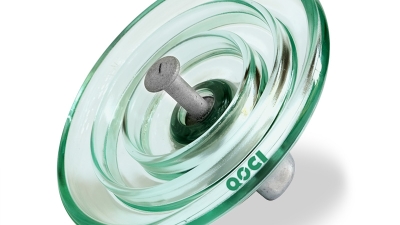
The CTV 254 glass insulator stands out as a premier choice for high-voltage power transmission systems operating from 10 kV to 330 kV. Designed with a diameter of 254 mm and a robust creepage distance of 320 mm, this insulator is engineered to endure the rigors of modern power demands. The exceptional capability to withstand a minimum mechanical failing load of 70 kN ensures its reliability, making it a critical component in maintaining the stability of electrical infrastructures.
In the fast-evolving landscape of power systems, the CTV 254 insulator has made a significant mark, particularly in the Algerian market. Its long-term reliability is remarkable, with the ability to preserve excellent mechanical and electrical properties even after 30 years of service. This durability not only contributes to efficient power transmission but also reduces maintenance costs and downtime, making it an ideal investment for utility providers focused on sustainability and resilience.
The video linked below further illustrates the performance and advantages of the CTV 254 glass insulator, showcasing its importance in enhancing the robustness of modern electrical systems. As power transmission requirements continue to grow, the CTV 254 stands as a testament to unmatched durability and reliability.
: Compliance with import-export certifications enhances market access and credibility, improves market share by up to 15%, reduces the risk of regulatory penalties, and helps avoid trade barriers.
Establishing a track record of compliance translates into a reliable reputation, essential in industries where safety and reliability are critical, as it demonstrates commitment to industry standards.
Businesses often struggle with understanding specific certification requirements, managing complex documentation, and overcoming language barriers, which can lead to increased operational costs and delays.
Businesses should identify specific requirements by consulting regional regulatory bodies or industry trade associations for guidelines on necessary documentation and standards.
Consultants specializing in import-export regulations can help streamline the certification process, significantly reducing the timeline for obtaining certifications and improving market entry strategies.
A deep understanding of certification protocols can prevent hurdles that 80% of firms face and enhances the likelihood of successfully entering foreign markets by up to 30%.
Essential documentation often includes technical specifications, safety data sheets, test results from accredited laboratories, and various compliance certificates.
Certification requirements vary significantly across regions, meaning businesses must adapt their compliance strategies based on local regulations to ensure successful market entry.
The CE marking process is stringent and often requires third-party testing and alignment with EU directives, making it crucial for companies exporting products to Europe to adhere to these standards.
Approximately 30% of international trade disputes arise from non-compliance with regulations, leading to potential delays and additional costs for businesses involved in international trade.