When it comes to high voltage insulators, their design really matters a lot if we want our electrical grids to run smoothly and reliably. I mean, according to a report from the International Electrotechnical Commission (IEC), failures in insulators can cause pretty major power outages—stuff that can impact millions of people worldwide. With the whole world’s increasing appetite for electricity and the push to make our transmission networks more efficient, getting Insulator Design just right is more critical than ever.
Dr. Timothy Wells, who's quite a big name in the world of high voltage insulators at Insulator Technologies Inc., pointed out, 'A good insulator design can actually prevent those failures that mess up service and can even be dangerous.' He emphasizes how vital it is to pick the right materials and use advanced manufacturing methods. Remember, insulators face extreme weather and environmental factors, which can wear them out over time.
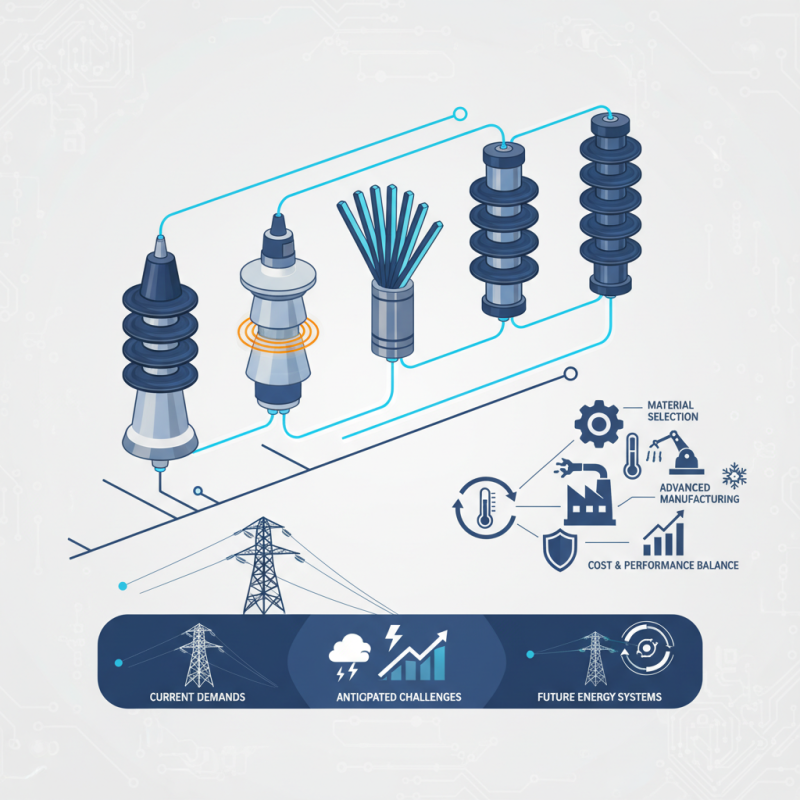
Some industry stats show that with the right design tweaks, we can actually extend the lifespan of insulators by up to 30%. Not bad, right? Still, there's definitely room to improve. It’s not just about meeting today’s needs—it's about thinking ahead to future challenges, too. Cost and performance often end up being a balancing act, and finding that sweet spot takes both reflection and a bit of innovation. At the end of the day, the way we design high voltage insulators will really influence how reliable our energy systems are down the line.
Understanding High Voltage Insulators and Their Role
High voltage insulators play a crucial role in electrical systems. They help ensure safety and reliability in power transmission. These insulators must withstand extreme conditions like temperature fluctuations, moisture, and environmental pollutants. The right design can significantly enhance their performance and longevity.
According to a 2022 industry report, nearly 30% of insulator failures occur due to environmental factors. This highlights the importance of materials and design choices. For instance, porcelain and glass are often preferred for their durability. However, they can be heavy and difficult to install. Composite insulators are lighter and more flexible, but they may degrade faster under certain conditions. Finding the right balance can be challenging.
Testing insulator performance is essential. Insulators should undergo rigorous assessments for electrical and mechanical strength. A study showed that even minor design flaws can reduce their effectiveness by 15%. This raises questions about current design practices. Engineers need to rethink their approaches, focusing on material selection and environmental challenges. Real-world applications must drive future innovations in insulator design to ensure optimal functionality.
Key Materials for High Voltage Insulator Design
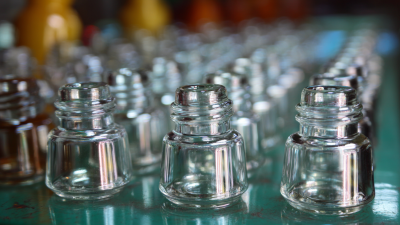
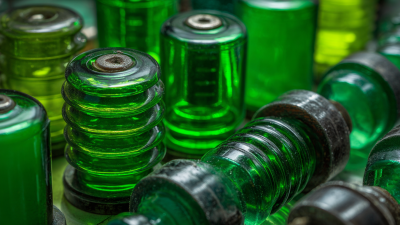
When designing high voltage insulators, the choice of materials is crucial. Ceramics and glass dominate the landscape due to their excellent electrical properties. These materials can withstand extreme temperatures and harsh environmental conditions. However, they are often heavy and fragile, making installation challenging.
Composite materials are becoming increasingly popular. They combine plastic and fiberglass, offering a lightweight alternative. This can reduce the logistic issues during installation. Yet, they might not perform well in high-temperature environments. Potential material degradation over time can lead to reduced lifespan and performance.
Surface coatings can enhance performance too. They offer extra protection against environmental factors, such as pollution and moisture. But, the effectiveness of these coatings can vary. Regular inspections are needed to ensure they remain intact. The choice of materials must reflect both the operational environment and the specific requirements of the application. Balancing performance with practicality poses challenges that require ongoing reflection and adaptation.
Factors Affecting Performance of High Voltage Insulators
High voltage insulators play a critical role in electrical infrastructure. Several factors influence their performance. Material selection is pivotal. For example, silicone rubber and glass have distinct electrical properties. Silicone rubber typically has better hydrophobic characteristics, shedding water more effectively. This reduces surface leakage currents, improving overall performance.
Weather conditions also significantly impact insulator efficiency. In regions with heavy pollution, insulators may degrade faster. A study noted that insulators in urban areas could lose 30% of their effectiveness within five years. This deterioration warrants regular inspection and maintenance. Environmental stresses, such as UV exposure or temperature fluctuations, can further weaken insulators.
The design and installation of high voltage insulators should account for these factors. Voltage levels must match the insulator's ratings precisely. Misjudging these can lead to catastrophic failures. The complexity of achieving optimal performance requires continuous innovation and a focus on material science. Regularly updating design criteria is essential, even if it presents challenges.
Design Considerations for Environmental Conditions
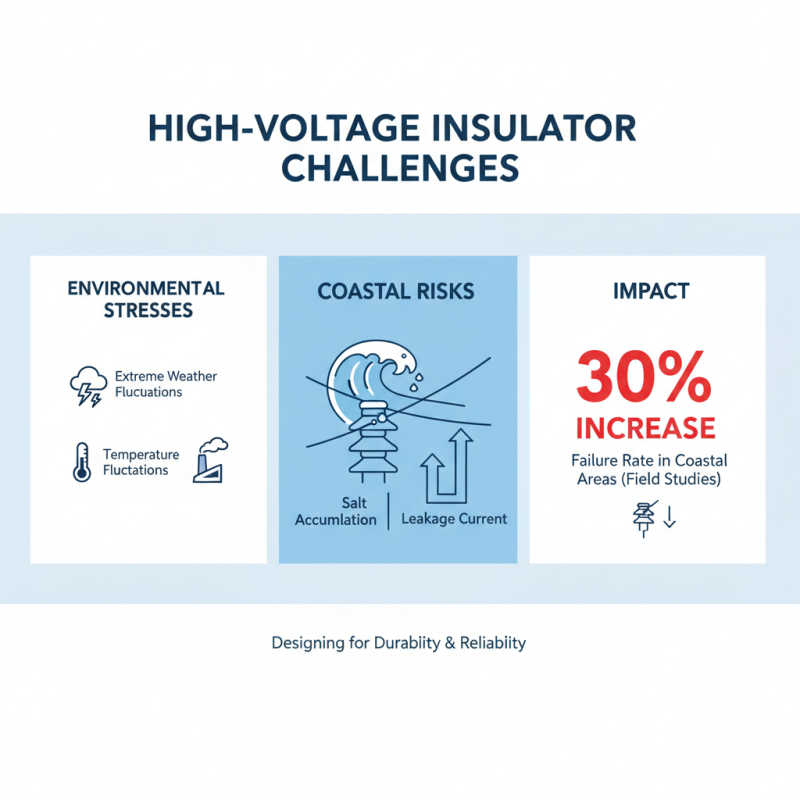
Designing high voltage insulators requires careful attention to environmental conditions. Insulators face various stresses, including pollution, extreme weather, and temperature fluctuations. Field studies show that insulators in coastal areas can accumulate salt, leading to increased leakage current. This phenomenon is documented to increase failure rates by up to 30% over time.
The impact of UV radiation is another major concern. Continuous exposure can degrade materials, affecting both strength and insulation properties. Reports suggest that polymers can lose up to 50% of their mechanical integrity after 5 years of UV exposure. Aging tests are vital to ensure insulators meet long-term performance standards under harsh environments.
Coatings and surface treatments offer potential solutions. These can enhance hydrophobicity and improve resistance to contaminants. However, not all coatings perform equally under various conditions. Some may fail prematurely, leading to unexpected outages. Ongoing research is necessary to evaluate the effectiveness of new materials and technologies. Understanding these factors is crucial for creating insulators that not only withstand environmental stress but also maintain reliability over time.
Testing Methods for High Voltage Insulator Durability
Testing the durability of high voltage insulators is critical for ensuring reliable performance. Various methods are employed to simulate real-world conditions. These tests include mechanical stress evaluations and thermal cycling assessments. Each method reveals specific weaknesses in insulator design. Observations from these tests help engineers make informed adjustments.
One common approach is the electrical integrity test. It involves applying high voltage across the insulator while monitoring for failures. Insulation breakdown may occur, revealing flaws in material composition. Such outcomes are essential for refining designs. The challenge lies in replicating actual environmental conditions accurately.
Another valuable testing method is accelerated aging. This simulates years of wear in a short time frame. However, it may not perfectly predict long-term performance. Environmental factors like humidity and pollution greatly influence durability. Engineers must focus on these variables during the testing phase. Continuous reflection on testing results often leads to improvements in design. This iterative process ensures insulators meet high-performance standards.
How to Design High Voltage Insulators for Optimal Performance? - Testing Methods for High Voltage Insulator Durability
| Insulator Type | Material | Test Voltage (kV) | Leakage Current (µA) | Test Duration (hours) | Failure Rate (%) |
| Porcelain | Ceramic | 100 | 0.5 | 24 | 2 |
| Glass | Silica | 120 | 0.3 | 48 | 1.5 |
| Composite | Polymer | 150 | 0.4 | 36 | 1 |
| Suspension | Porcelain | 90 | 0.6 | 12 | 3 |
| Pin | Fiberglass | 80 | 0.2 | 72 | 1.8 |
Innovative Technologies in Insulator Design
Innovative technologies in insulator design play a crucial role in optimizing high voltage performance. Engineers are now focusing on advanced materials that can withstand extreme conditions. Polymer insulators, for instance, are gaining popularity due to their lightweight properties. These materials offer flexibility and resilience that traditional ceramics lack. However, the long-term durability of these polymers still poses questions.
Nanotechnology is also making waves in insulator design. Incorporating nanoparticles can enhance material strength and resistance to environmental factors. This approach can potentially reduce maintenance frequency and costs. Yet, the process of integrating these technologies is still in its early stages. Questions remain about the manufacturing consistency and scalability of these innovations.
Additionally, smart insulation systems are emerging. These systems can monitor performance in real-time and predict failures. This proactive approach seems promising but requires more research. The balance between innovation and reliability is delicate. As we push the boundaries, it’s essential to address potential shortcomings. The journey to optimal performance is ongoing, filled with both excitement and uncertainty.
Performance Comparison of Different High Voltage Insulators
Maintenance and Monitoring of High Voltage Insulators
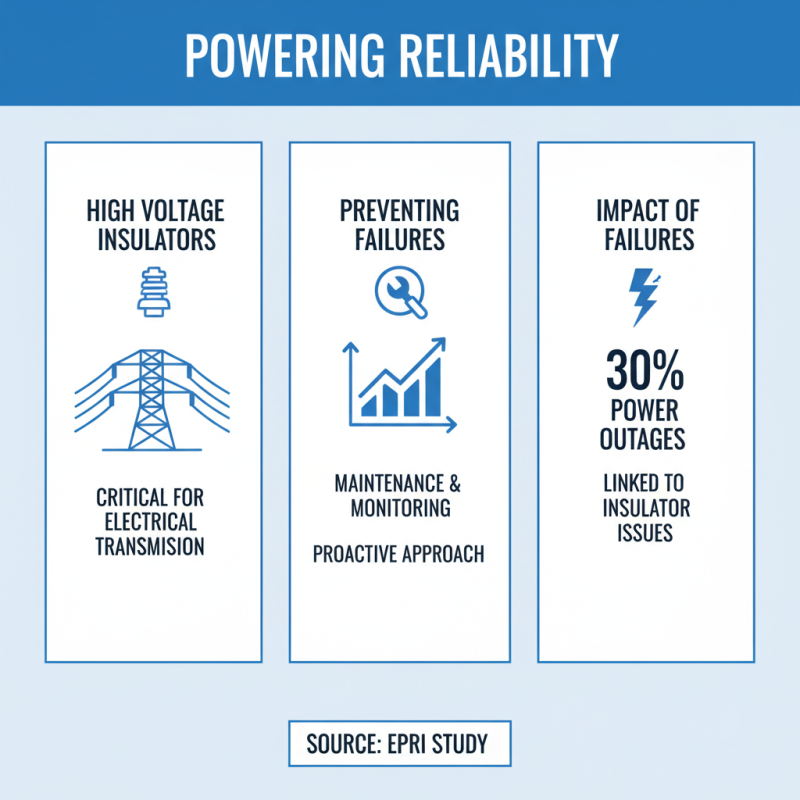
High voltage insulators play a critical role in ensuring reliable electrical transmission. Regular maintenance and monitoring help prevent failures that can lead to outages. A study by the Electric Power Research Institute reported that roughly 30% of all power outages are linked to insulator failures. This statistic highlights the need for a proactive approach in insulator management.
Tip: Implement routine visual inspections to identify signs of wear, such as cracks or surface pollution. Investing in drones or automated inspection tools can enhance this process, ensuring hard-to-reach areas are thoroughly checked.
Monitoring techniques should combine both visual inspections and advanced technologies like infrared thermography. This method detects hotspots indicating potential failures. A recent report showed that thermal imaging can improve fault detection rates by 80%. However, reliance solely on technology can be misleading. Human oversight is essential in interpreting results accurately.
Tip: Incorporate training for staff to recognize critical warning signs. Continuous education keeps teams sharp and aware. Remember, even high-tech solutions require human insight for optimal performance. Unattended insulators may lead to failure, but informed monitoring can extend their lifespan.
Conclusion
High Voltage Insulator Design is crucial for ensuring the reliability and safety of power transmission systems. This article delves into the fundamental aspects of high voltage insulators, exploring their essential role in electrical engineering and the various materials that enhance their performance. Key factors influencing the effectiveness of insulators, including environmental conditions, are examined to emphasize the importance of tailored design considerations.
In addition, the article discusses innovative technologies that are revolutionizing insulator design, alongside effective testing methods that ensure durability and reliability. Regular maintenance and monitoring strategies are also highlighted, underscoring the need for ongoing evaluation to ensure optimal performance of high voltage insulators. Through a comprehensive understanding of these elements, engineers can develop insulators that meet the demands of modern electrical infrastructures.