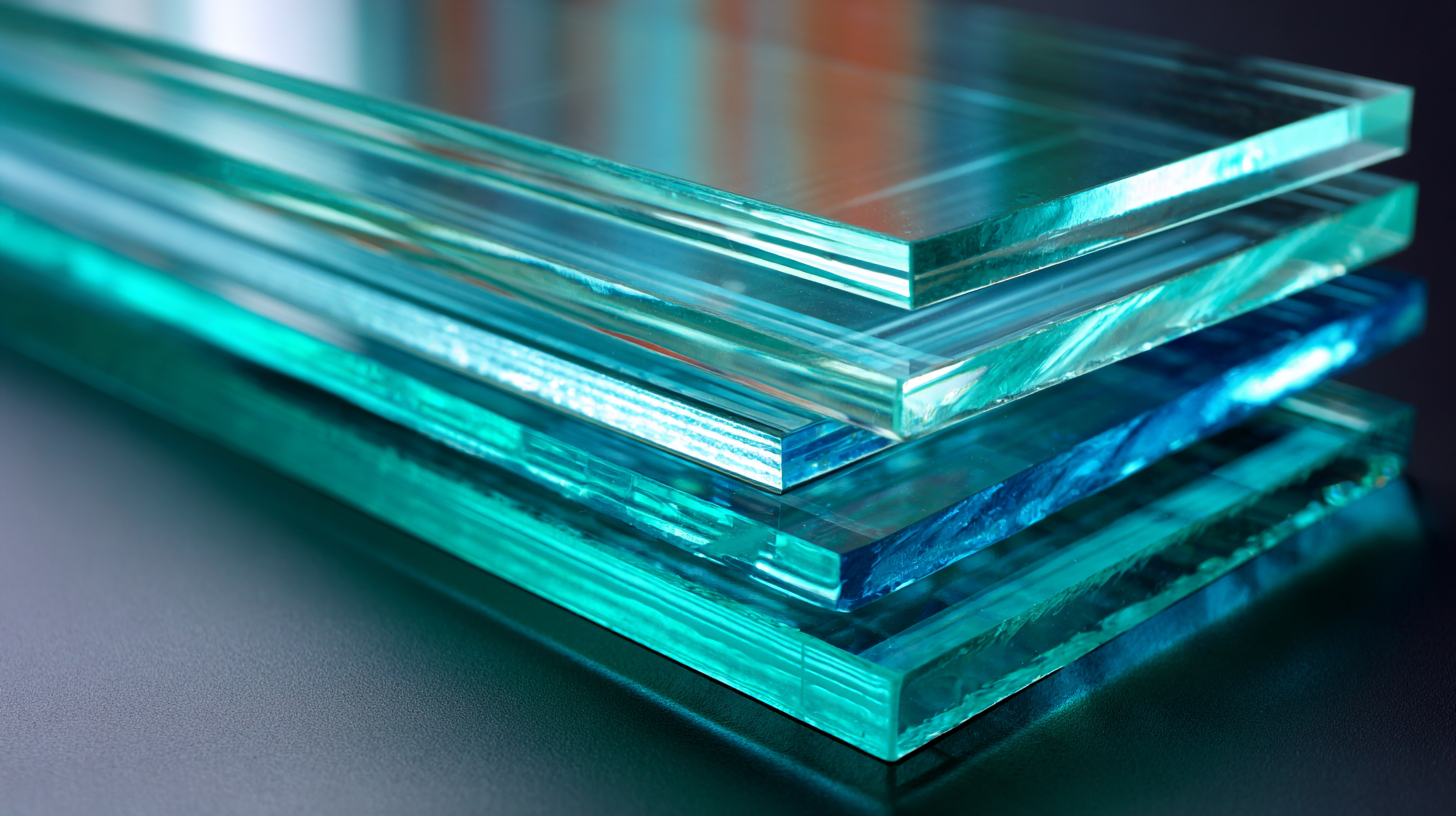
So, when you're trying to figure out what kind of glass works best for your project, it’s pretty helpful to understand the differences between Toughened Glass and Laminated Glass. Each one has its own perks, and they’re suited to different situations. Toughened Glass, for example, is super strong and safe—so it’s a go-to for a lot of architectural use or places where durability matters. On the flip side, Laminated Glass shines when it comes to security and blocking out noise. By the way, at Jiangxi QOCI Electric Co. Ltd., we’ve been around since 2002, right in Jiangxi Province, China. We mainly focus on making top-notch glass insulators. With our tech know-how and research capabilities, we make sure to follow industry standards so our clients get the best possible glass solutions. In this blog, I’ll break down the key differences between Toughened and Laminated Glass, so you can make a more informed choice for your next project.
Understanding Toughened Glass: Properties and Advantages
Toughened glass, often called tempered glass, is a special kind of safety glass that’s been heat-treated to boost its strength. Basically, they heat it up to over 600°C and then cool it down really fast. This quick cooling creates a kind of stress inside — compression on the surface and tension in the core — which makes it up to five times more durable than regular glass. According to Glass Magazine, the global market for this kind of glass is expected to grow a lot, mainly because demand in construction and automotive industries is really picking up — safety and durability are more important than ever.
One thing folks really like about toughened glass is that when it breaks, it crumbles into small, dull chunks instead of sharp shards. That’s a huge plus when it comes to safety. This is why it’s commonly used for shower doors, glass facades, and safety barriers — places where safety is key. Plus, it’s pretty tough against extreme temperatures, thermal shocks, and impacts, so it’s perfect for high-performance setups. Companies like Jiangxi QOCl Electric Co. Ltd. are using advanced tech to produce glass insulators that meet all the industry standards, making sure they’re reliable and safe for whatever application they’re used in. As more folks look for strong, safe glass options, toughened glass keeps being a top pick for both homes and commercial projects alike.
The Science Behind Laminated Glass: How It Works
Laminated glass is pretty amazing when it comes to glass tech. It’s basically made up of two or more layers of glass glued together with a special plastic layer, usually polyvinyl butyral (PVB). This setup doesn’t just make the glass stronger — it also acts as a sound barrier, which is super handy if you’re in a noisy city or near a busy street. I read somewhere that, according to the Glass Association of North America, laminated glass can cut down noise pollution by up to half. No wonder it's a go-to choice for city buildings and homes right on busy roads.
One of the coolest things about laminated glass, though, is how safe it is. If it breaks, that inner plastic layer keeps most of the shards stuck together, so there’s less chance of getting cut up. The U.S. Consumer Product Safety Commission even points out that it’s safer than regular glass because it’s less likely to shatter all over the place when impacted. This makes it perfect for storefronts, skylights, or fancy glass facades where both looks and safety matter. All in all, the toughness and protective properties of laminated glass make it a top pick—whether for businesses or homes—especially when folks want to stay stylish and safe at the same time.
Safety Standards: Toughened vs. Laminated Glass in Building Codes
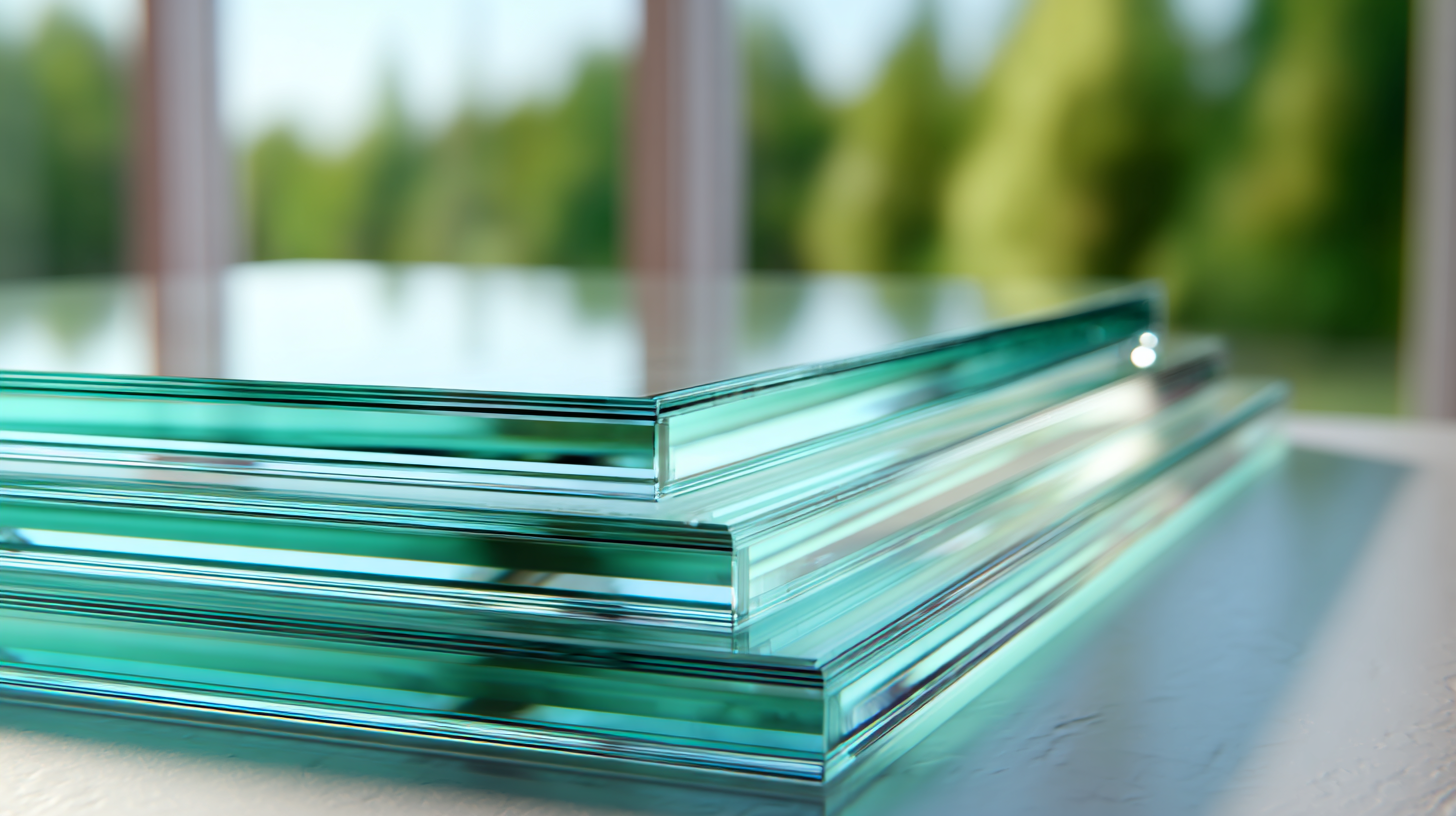 When you're talking about building codes, safety standards really come into play when deciding between toughened glass and laminated glass. Toughened glass is pretty popular because it's super strong and durable—it's made by heating the glass up to high temperatures and then cooling it down quickly. That process makes it much more resistant to impacts, so it’s a great pick when you need something that can handle a lot. In many places, the codes actually specify using toughened glass in areas vulnerable to strong winds or where breakage could be a risk, just to keep everyone safe.
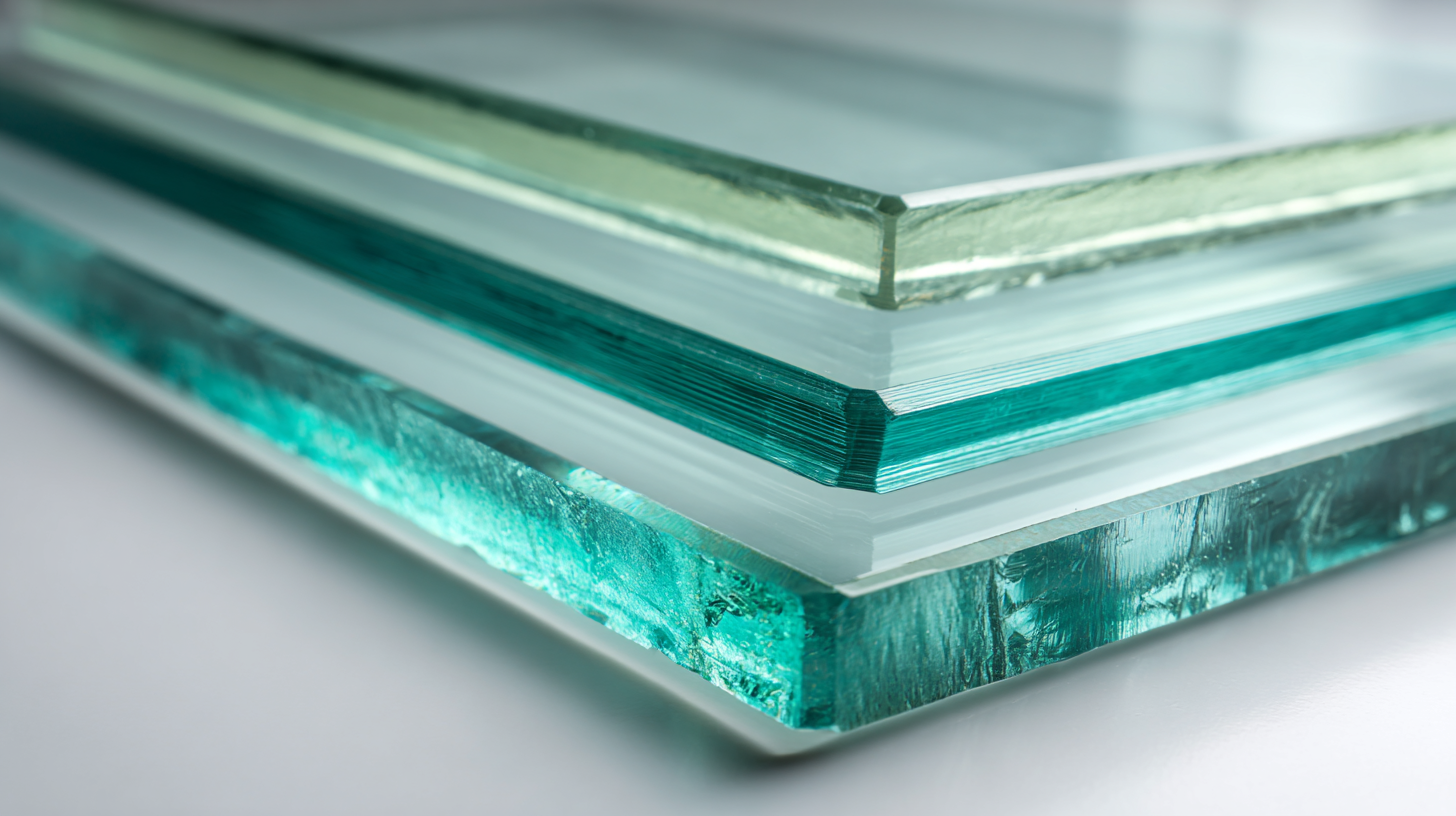
Now, laminated glass is a bit different. It’s basically two or more layers of glass glued together with something like PVB (polyvinyl butyral) in between. This setup doesn’t just add strength—it’s also safer because if the glass does break, the shattered pieces tend to stay in place, which helps prevent injuries. In many regulations, laminated glass is actually recommended or even required for places like schools and public buildings, where safety is a big deal. So, understanding these safety rules and standards can really help you figure out which type of glass to go with, depending on what you need and what local building codes require.
Cost Comparison: Evaluating the Economic Benefits of Each Glass Type
When you're thinking about what kind of glass to go with for your home or office, price is usually a pretty big deal. Toughened glass, which is known for being super strong and safe, tends to cost more because of the fancy manufacturing process that makes it so durable. It’s really great at handling big impacts, so it’s often chosen for spots where accidents might happen — like glass doors or windows. But, yeah, that higher price tag can sometimes be a turnoff if you’re trying to stick to a budget.
Then there’s laminated glass. It’s made up of a couple of layers glued together, and not only does it keep things safe, but it also helps with noise reduction and blocks out UV rays — and it’s usually cheaper too. It’s a solid pick if you want something affordable without skimping on quality. Now, it’s true that laminated glass isn’t quite as tough as toughened glass, but for home use — especially inside your house where security isn’t the main concern — it works really well. So, by looking at what each option costs and what you need in terms of safety, you can make a smarter choice that fits your budget and your safety goals.
Exploring the Differences Between Toughened Glass and Laminated Glass: Which is Right for You?
| Property | Toughened Glass | Laminated Glass |
| Strength | High resistance to impact | Moderate resistance, can be broken but not shattered |
| Safety | Shatters into small blunt pieces | Holds together when broken; safer option |
| Cost (per square foot) | $8 - $15 | $15 - $30 |
| Sound Insulation | Moderate | Better sound insulation |
| UV Protection | Limited UV filtering | Blocks up to 99% of UV rays |
| Applications | Windows, doors, shower screens | Windshields, skylights, glass facades |
Applications of Toughened and Laminated Glass in Modern Architecture
When you're diving into modern architecture, deciding between toughened and laminated glass can really make a difference—not just in how things look, but also in how safe they are. Toughened glass is basically the rockstar when it comes to strength and handling thermal stresses. It's perfect for stuff like building facades, railings, or anywhere you need something super sturdy. In fact, reports show that toughened glass can be up to five times stronger than regular glass, which is why you’ll often see it in skyscrapers where durability and security are top priorities.
On the flip side, laminated glass is the go-to if you're serious about soundproofing and safety. It's made of layers of glass glued together with a plastic interlayer, so even if it shatters, the pieces tend to stay in place pretty well. You'll see laminated glass used in skylights, glass bridges, and other overhead structures. Plus, studies suggest it can cut down noise by up to 30 decibels—that's a pretty huge difference, especially if you're dealing with busy city environments.
**A quick tip:** When you're figuring out which glass to use, think about your specific needs—do you need something tough and impact-resistant, or are soundproofing and safety more your thing? Toughened glass is excellent for high-impact zones, but if quietness and safety during breakage matter most, laminated is the way to go. And don’t forget—talking to experienced manufacturers like Jiangxi QOCl Electric Co. Ltd. can really help. They've got loads of expertise in both glass insulators and these innovative glass techs, so they can help you get exactly what you need for your project.
FAQS
: Laminated glass consists of two or more layers of glass bonded together by a polymer interlayer, typically polyvinyl butyral (PVB).
Laminated glass enhances strength, provides an acoustic barrier, and improves safety by holding glass shards together in case of breakage.
Laminated glass can reduce noise pollution by up to 50%, making it ideal for urban buildings and residential homes near busy roads.
Laminated glass is less likely to shatter upon impact, and the interlayer helps hold shards together, reducing the risk of injury from sharp edges.
Laminated glass is commonly used in storefronts, skylights, glass facades, and overhead structures due to its safety and sound insulation properties.
Toughened glass is known for its strength and can be up to five times stronger than standard glass, making it suitable for high-impact areas like facades and balustrades.
Laminated glass is preferred in applications requiring sound reduction and safety, particularly in environments where glass may shatter.
Consider the specific needs of the project, such as strength, sound insulation, and safety, to determine the most appropriate type of glass.
It is advisable to consult with experienced manufacturers, such as Jiangxi QOCl Electric Co. Ltd., for guidance on the best glass solutions for your architectural vision.
Conclusion
When you're trying to decide between toughened glass and laminated glass for your project, it’s really helpful to understand what makes each one special. Toughened glass is known for being super strong and resistant to heat, so it’s often the go-to choice if impact resistance is a top priority. It gets its strength from a manufacturing process where the glass is heated up and then cooled quickly—making it way tougher than regular glass. On the flip side, laminated glass is built from multiple layers bonded together, which gives it better safety features and excellent sound insulation. Both types actually meet strict building codes, but the best choice depends on what you need specifically.
Cost-wise, toughened glass might save you some bucks in situations where impact is a big concern, while laminated glass is great if you want good noise reduction and safety. Honestly, at the end of the day, the decision really hinges on your project’s particular needs—making sure everything’s safe and functions smoothly in today’s modern buildings. Here at Jiangxi QOCI Electric Co. Ltd, we use the latest production tech to make top-quality glass insulators, whether toughened or laminated, so we can handle a variety of architectural and functional requirements.