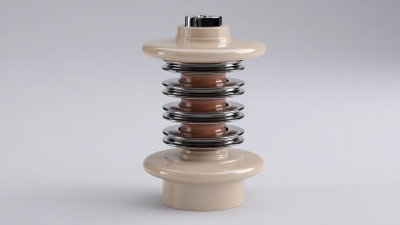
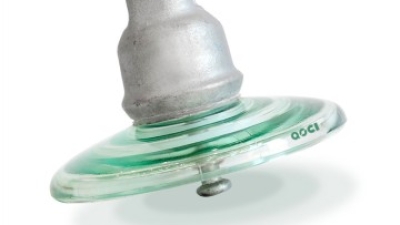
Using CTV 254 Isolator En Verre more effectively in industrial settings is becoming pretty important these days. Companies are really focused on boosting reliability and cutting down on downtime, you know? I was reading a recent report about the global Insulator market, and it mentioned that the demand for glass insulators—like the cool new designs such as Ctv 254—is expected to grow at around 5.2% annually from 2021 to 2026. One company that’s really leading the charge is Jiangxi QOCl Electric Co. Ltd., which started back in December 2002 in Jiangxi Province, China. They’ve got some seriously advanced manufacturing tech and a strong R&D team dedicated to making better glass and circuit insulators. Thanks to their expertise, they're in a great position to really optimize how Ctv 254 Isolators are used. Basically, this just shows why these isolators matter so much in today’s industries and how having specialized know-how can really make a difference in getting the most out of them—performance-wise and all that.

Understanding the Importance of CTV 254 Glass Isolators in Industrial Settings
You know, in industrial settings, CTV 254 glass isolators are pretty much essential when it comes to safely handling sensitive materials and keeping everything running smoothly. They act as a solid barrier against contamination, which is a big deal—especially in high-stakes fields like pharma and biotech. And get this: the market for these glass isolators is actually on the rise! Reports are saying it’s gonna grow at around 8% annually through 2027, mainly because of stricter regulations and the growing need to control contamination.
What really makes CTV 254 isolators stand out is how well they work with the latest tech. Think of it like how super durable solid-state drives are built to handle tough conditions—these isolators help integrate high-performance systems into environments that see temperature swings and exposure to harmful stuff. They don’t just boost the reliability and performance of the equipment; they’re also crucial for reducing product losses and making sure companies stay compliant with industry standards. All in all, they’re a key piece of the puzzle in modern industrial setups.
Key Features of CTV 254 Glass Isolators That Enhance Performance
You know, the CTV 254 glass isolators really play a crucial role in a bunch of industrial settings—especially where you need top-notch contamination control and protection for sensitive processes. One of the coolest things about them is their hermetically sealed design, which really keeps out external contaminants and makes sure everything stays clean. According to a report from the International Society for Pharmaceutical Engineering (ISPE), about 85% of biopharma facilities say that using proper isolators like these cuts down the risk of product contamination significantly. That, in turn, boosts both production speed and safety—pretty essential stuff, right?
And get this—these isolators come with integrated monitoring systems that give you real-time updates on pressure differences and microbial levels. Being able to keep an eye on these things 24/7 really helps with meeting industry standards and keeps operations running smoothly. There’s even research published in the Journal of Pharmaceutical Sciences showing that companies with such advanced monitoring save up to 30% on validation time and cut product losses due to contamination by about 25%. That just goes to show how important it is to have reliable isolator tech, especially when dealing with high-stakes environments where product integrity and facility performance are everything.
Performance Metrics of CTV 254 Glass Isolators
Best Practices for Installation of CTV 254 Glass Isolators in Industrial Applications
When you're installing CTV 254 glass isolators in industrial settings, it’s really important to stick to best practices. Doing it right can make a huge difference in how well they perform and how long they last. Believe it or not, research shows that if you don’t install them properly, it can bump up system failures by about 30%, which ends up messing with overall efficiency. So, taking the time to really understand your specific needs—things like environmental conditions and load capacities—is definitely worth it. Following industry-standard procedures, like making sure the glass thickness is just right and sealing joints carefully, can help cut down on risks and boost durability.
On top of that, keeping up with regular maintenance and inspections during installation pays off. A recent survey by the Industrial Glass Association found that systems that had routine checks and replaceable parts were about 40% less likely to experience malfunctions. It’s also a good idea to follow the manufacturer’s guidance closely—especially for things like installation angles and structural supports—since those details play a big role in how well the CTV 254 isolators work. By sticking to these best practices, not only will the installation go smoother, but you'll also get the most out of your isolators over time, keeping everything running smoothly and efficiently, just like industry standards recommend.
How to Effectively Utilize Ctv 254 Glass Isolators in Your Industrial Applications - Best Practices for Installation of CTV 254 Glass Isolators in Industrial Applications
| Application Area | Best Practice | Installation Tips | Maintenance Frequency |
| Pharmaceutical Industry | Ensure proper sealing to avoid contamination | Follow manufacturer's guidelines for installation | Monthly |
| Biotechnology | Regularly check for structural integrity | Use appropriate tools to avoid damage | Bi-monthly |
| Laboratories | Maintain clean environment | Calibrate isolator with sensitive equipment | Weekly |
| Chemical Processing | Inspect for leaks regularly | Utilize safety measures during installation | Quarterly |
| Food Processing | Ensure compliance with hygiene standards | Install in a controlled environment | Monthly |
Maintenance Tips to Ensure Longevity of CTV 254 Glass Isolators
When you're working with CTV 254 glass isolators in industrial setups, taking good care of them really makes a big difference in how long they last and how well they perform. It's a good idea to do regular inspections — you want to keep an eye out for any signs of wear or damage. Check those seals and gaskets for leaks, and make sure the glass isn’t scratched up or covered in dirt or grime, because those little issues can really mess with how they work. Giving them a routine clean with the right solvents will help keep the glass clear and prevent any nasty residues from building up, which can hurt their performance.

Also, don’t forget to watch the environment around the isolators. Things like extreme heat, cold, or humidity can actually mess with their structure. Keeping them out of direct sunlight or away from harsh chemicals is a smart move — it helps them stay in good shape longer. Think of it kind of like taking care of yourself; small, mindful habits can really extend how long your CTV 254 glass isolators stay reliable and effective in your work. Good maintenance isn’t just about fixing problems — it's about making sure they keep working smoothly in the long run.
Troubleshooting Common Issues with CTV 254 Glass Isolators
When working with CTV 254 glass isolators in industrial settings, it's pretty important to know how to troubleshoot common issues to keep everything running smoothly. One of the most typical problems is the insulator losing its effectiveness over time, which can bump up the chances of electrical faults happening. That's why setting up regular check-ups and maintenance routines is a good idea—this way, you can catch early signs of wear or damage before things get out of hand. Keeping these isolators in good shape under all sorts of environmental conditions is key to making sure they still do their job well.
Another thing to watch out for is making sure everything’s up to safety and performance standards. Sometimes, improper installation can cause uneven electric field distribution, which may lead to the isolator failing sooner than expected. So, it’s important for technicians to get proper training on the best practices for both installing and maintaining these devices. On top of that, using smart tech like thermal cameras or even some machine learning tools can really help spot potential problems early on. This kind of proactive approach not only helps cut down on downtime but also minimizes the risks tied to glass isolator failures. At the end of the day, staying ahead of these issues means your industry can enjoy more reliable and longer-lasting CTV 254 glass isolators—that’s a win all around.
Integrating CTV 254 Glass Isolators with Other Industrial Equipment
Using CTV 254 glass isolators alongside other industrial equipment can really boost both safety and efficiency across different setups. These isolators are basically built to keep things sterile, which is pretty vital when you're working with sensitive materials. To get the most out of them, I'd suggest placing these isolators right next to equipment that needs Contamination control—stuff like bioreactors or automated filling machines. It just makes the workflow smoother and helps cut down on the chances of cross-contamination slipping in.
A quick tip—make sure all the connections between the isolator and your other gear are properly sealed. That way, you’re not risking any leaks. Also, don’t forget to do regular maintenance and keep an eye on the seals and connections—wear and tear happen, and catching problems early keeps everything running smoothly.
And here’s a cool idea: install sensors and monitoring systems inside the isolator. It totally ups your game because you get real-time data on how things are going. This means you can spot potential issues before they turn into big problems, avoiding costly downtimes and making sure you're always in line with industry regulations. Plus, if you go for more advanced control systems that support remote operation and monitoring, managing multiple units becomes a breeze, even from afar.
Comprehensive Guide to U40BL/175/127/190 IEC Standard Tempered Glass Insulators for Efficient Power Suspension
In the realm of power suspension systems, the U40BL, alongside its variants such as the U40B, U70BS, and U70BL, stands as a testament to high-performance engineering in compliance with IEC standards. These tempered glass insulators are specifically designed to withstand high voltages while ensuring safety and reliability in transmission and distribution networks. According to industry reports, the IEC U40B insulators can effectively support up to 40KN, making them an optimal choice for power lines that experience substantial mechanical loads. Their robust construction allows them to perform efficiently in diverse weather conditions, which is essential for maintaining uninterrupted power supply.
U40B insulators feature a unique ball and socket design that enhances their performance and installation flexibility. They cater to high voltage applications and are manufactured using toughened glass that ensures long service life and minimal maintenance. With products like the High Voltage Toughened Glass Insulator for Power Transmission Line U40B, electrical utilities can enhance their infrastructure with components that not only meet but exceed industry standards. In-stock variations of IEC U40B 40KN Disc Glass Insulators provide immediate options for utility companies looking to upgrade their systems without facing significant lead times.
Furthermore, the cost-effectiveness of these insulators is evident, particularly from manufacturers offering competitive pricing for bulk orders. For example, the China Factory Price for the 40kN U40B Ball and Socket Type Disc Suspension Glass Insulator illustrates the balance between quality and affordability that is crucial for large-scale deployment. As the demand for reliable energy solutions grows, investing in such high-performance insulators is essential for modernizing power transmission infrastructures.
FAQS
: The key features include a hermetically sealed construction for contamination control, integrated monitoring systems for real-time data on pressure differentials and microbial levels, and enhanced operational reliability.
Their hermetically sealed construction minimizes exposure to external contaminants, which significantly reduces the risk of product contamination and enhances production efficiency and safety.
Integrated monitoring systems provide real-time data that helps ensure compliance with industry standards, reduces validation time by 30%, and limits product loss due to contamination events by 25%.
Common issues include degradation of insulator efficiency, improper installation leading to electric field distribution problems, and failure to adhere to safety and performance standards.
Regular inspection and maintenance can detect early signs of wear or damage, ensuring that isolators continue to function effectively and reducing the risk of operational failures.
Positioning the isolators adjacent to equipment that requires contamination control, such as bioreactors or automated filling systems, enhances workflow and minimizes the risk of cross-contamination.
Proper sealing of connections between the isolator and adjacent equipment prevents leakage and is crucial for maintaining a sterile environment.
Advanced monitoring techniques, such as thermal imaging and machine learning, can enhance early fault detection, reduce downtime, and improve overall operational reliability.
Technicians should receive comprehensive training on best installation and maintenance practices to avoid issues that can lead to isolator failure and ensure compliance with safety and performance standards.
Utilizing advanced control systems for remote operation allows for better management of multiple isolator units, enhancing operational efficiency and monitoring capabilities.
Conclusion
So, I came across this article called "How to Effectively Use Ctv 254 Glass Isolators in Your Industrial Setups," and honestly, it really highlights how crucial Ctv 254 Isolators en Verre are when it comes to boosting industrial performance. I mean, understanding their importance isn’t just about knowing they’re durable; it's also about recognizing how well they insulate, which really helps keep things running smoothly. The piece also shares some handy tips on how to install them properly—think of it as a little guide to help businesses get the most out of their setup.
Oh, and it doesn’t stop there! They also give some good advice on maintaining these isolators to make sure they last longer, plus troubleshooting tips for when things go a bit haywire. They even discuss how these glass insulators can be integrated with other industrial equipment, showing just how versatile Ctv 254 Isolators en Verre really are in different applications. All in all, working with companies like Jiangxi QOCI Electric Co. Ltd. and tapping into their expertise can seriously help industries boost their system resilience and overall functionality.