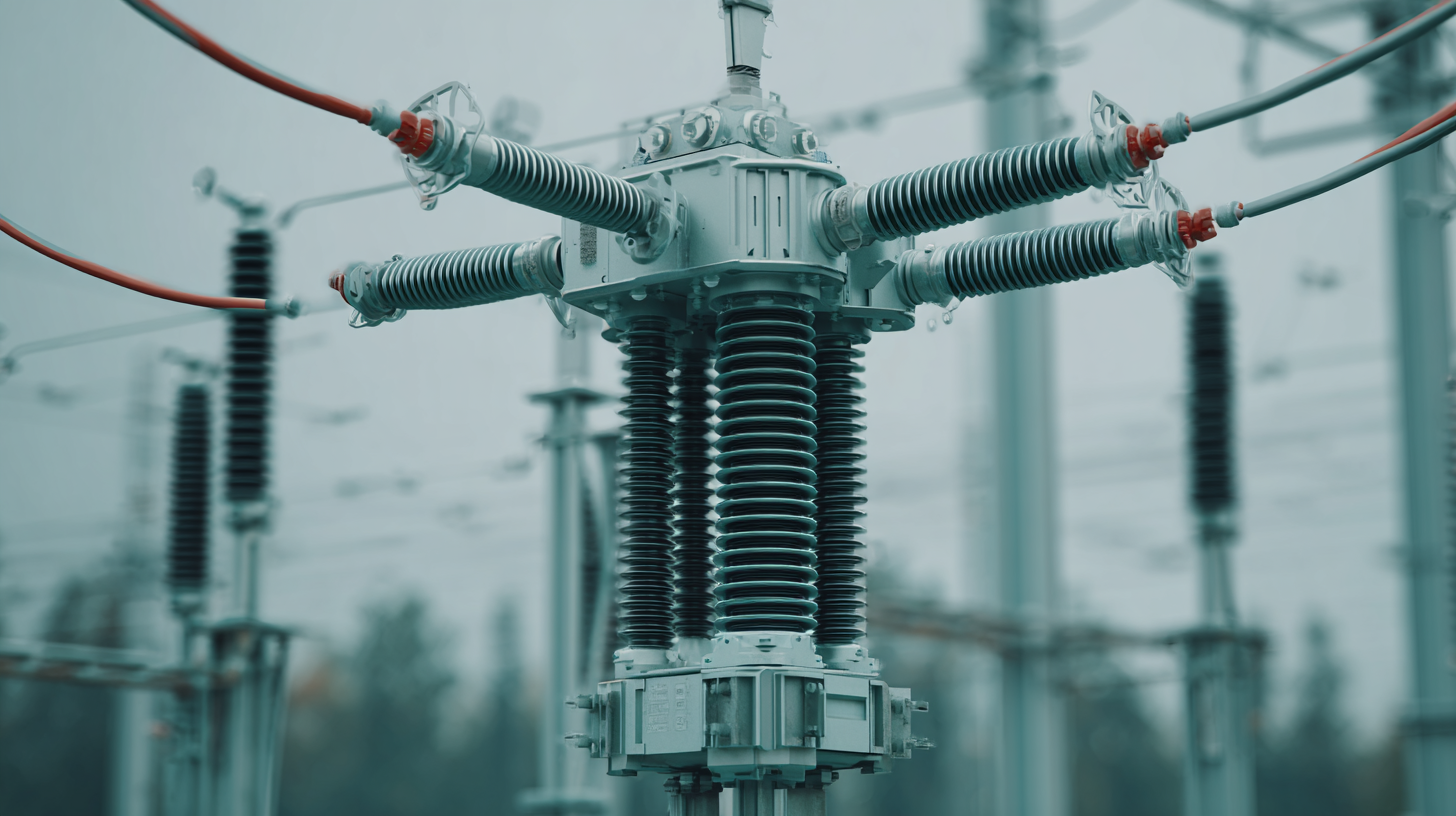
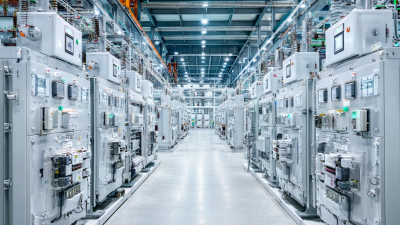
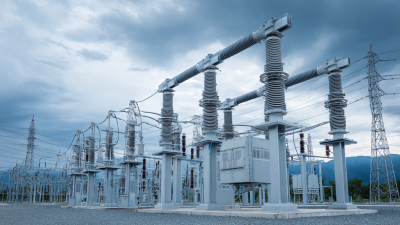
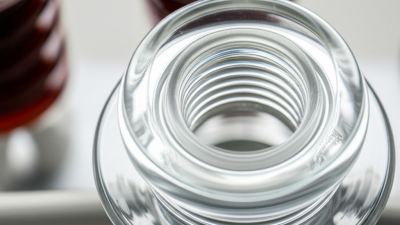
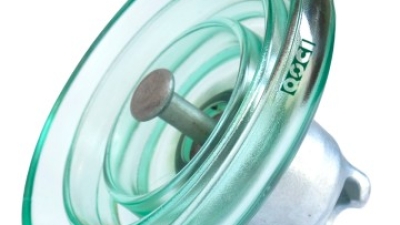
When it comes to electrical safety, using high-voltage isolators has really become a key part of making systems safer and more reliable. I read a recent report from the International Electrotechnical Commission (IEC), and it mentioned that adding high-voltage isolators can cut down electrical hazards by up to 40%. That’s quite a boost in safety standards, especially in power distribution networks. Companies like Jiangxi QOCl Electric Co. LTD., which has been around since December 2002, are leading the charge with their cutting-edge technology for glass insulators and strong research and development in functional and circuit insulators. By making good use of high-voltage isolator solutions, organizations can better manage risks, safeguard their infrastructure, and stay in line with safety rules. All of this adds up to a much safer environment for everyone working in the electrical industry.
Understanding Isolator High Voltage: Basics and Importance for Electrical Safety
High voltage isolators are pretty essential when it comes to keeping electrical setups safe. They help prevent those pesky leakage currents and protect sensitive gear from damage. If you're working with electricity, understanding the basics of these isolators is a must—they basically act as a barrier, separating high-voltage parts from lower-voltage circuits, which really cuts down on the risk of shocks and equipment failures.
And let’s not forget, the market for digital isolators is booming! It’s expected to hit over $2 billion in 2023, with a steady 8% growth rate through 2032. That just goes to show how much people are craving reliable, noise-free signal transmission solutions. Incorporating high-voltage isolators into safety protocols isn’t just smart—it’s becoming more and more necessary. By using these tech tools, organizations can make their systems more reliable and, honestly, make workplaces safer for everyone.
A couple of tips to get the most out of your isolator devices: make sure to test and maintain them regularly, so they keep working as they should over time. Also, following proper installation procedures is key—this really helps maximize their effectiveness. And don’t forget to stay updated on the latest in isolator tech. The more you know, the better you can improve safety standards and boost performance overall.
How to Effectively Utilize Isolator High Voltage for Enhanced Electrical Safety
| Aspect | Description | Importance |
| Isolator Definition | A device that allows for separating electrical circuits. | Enhances safety during maintenance and emergency situations. |
| Applications | Used in substations, industrial installations, and power distribution. | Critical for isolating parts of the electrical system for safe work. |
| Safety Standards | Comply with IEC and ANSI standards. | Ensures reliability and safety in high-voltage applications. |
| Maintenance | Regular testing and inspection are required to ensure functionality. | Prevents failures and accidents, maintaining safety standards. |
| Training | Staff must be trained to handle isolators safely. | Reduces human error and enhances overall electrical safety. |
Key Benefits of Using Isolator High Voltage in Electrical Systems
High voltage isolator switches are actually pretty important for keeping things safe in power systems. One of the biggest perks? They give technicians a reliable way to disconnect circuits when they need to do maintenance. This kind of isolation really cuts down the risk of getting shocked by live wires, so workers can get the job done without worrying about imminent danger. And on top of that, isolators help prevent circuits from accidentally being turned back on — which could cause some pretty serious, even disastrous, accidents.
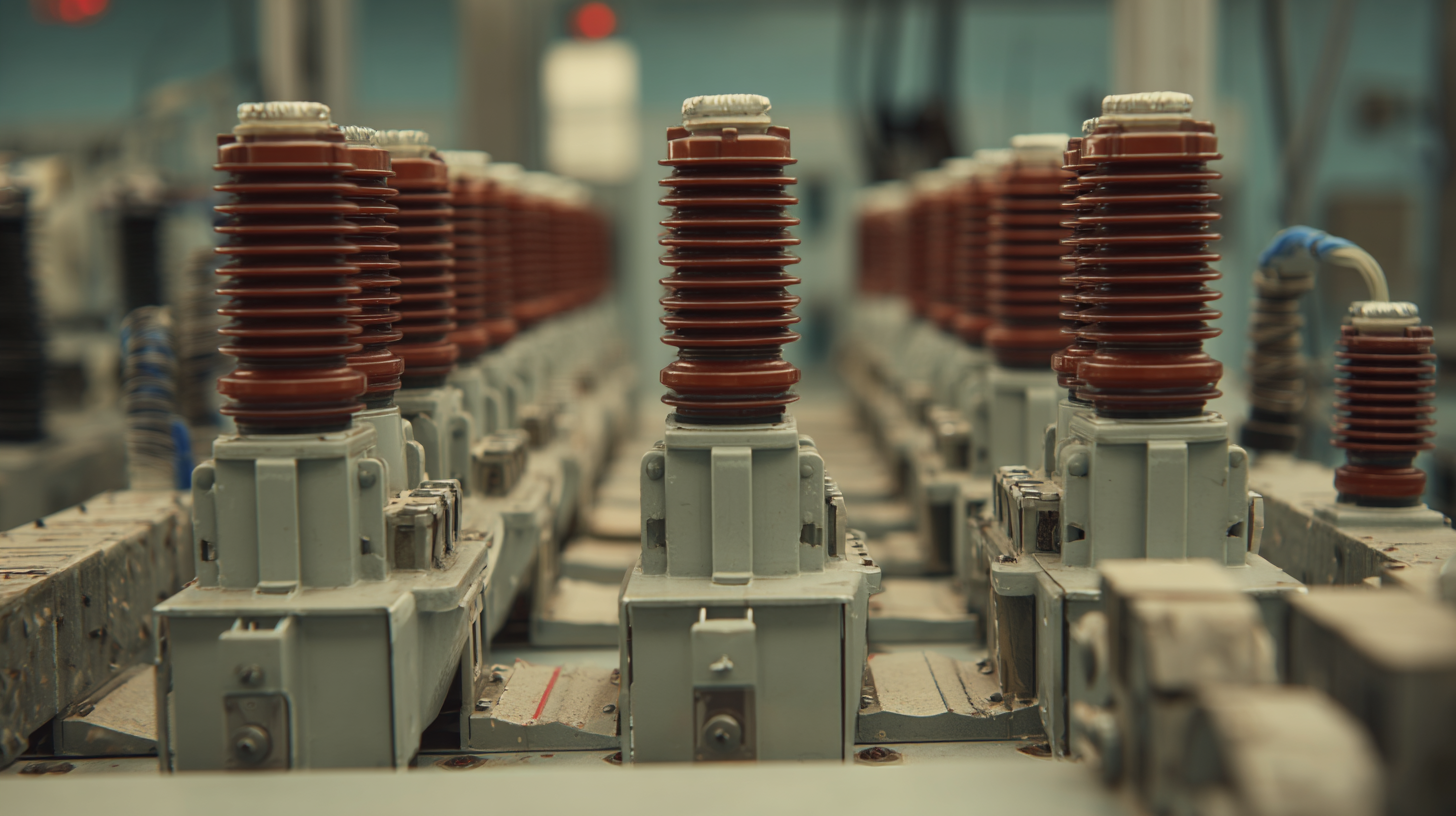
Another thing I’d add is that these isolators really boost the overall reliability and efficiency of the whole system. They protect sensitive electrical parts from things like voltage surges and faults, which helps extend the tools and equipment’s lifespan. Plus, by making sure circuits only get re-energized once everything's properly isolated and safe, companies can avoid equipment failures and keep everything running smoothly. So yeah, putting in high voltage isolator switches isn’t just about safety — it’s also about making the whole system more reliable and efficient. Honestly, they’re a smart part of any electrical setup.
Best Practices for Implementing Isolator High Voltage Safely
When you're working with high voltage isolator systems, it's super important to follow the best practices to keep things safe. Did you know that, according to the N.F.P.A, nearly 1 in 5 fires in commercial buildings are caused by electrical issues? That’s pretty eye-opening, right? Making sure you install and maintain those isolators properly can really cut down on those risks. For example, using components that are rated for the right voltage and keeping everything tucked away in protective enclosures can help prevent accidental shocks and other hazards.
Another key thing is training your team on high-voltage safety stuff. I remember reading somewhere that companies who put effort into regular safety training see about a 30% drop in electrical accidents—that's a big deal! Plus, doing routine inspections and testing of your isolator systems can spot potential problems early on—before they turn into major disasters.
And if you're into tech, using advanced diagnostic tools can give you even better peace of mind, helping you make sure everything’s up to snuff and compliant with standards like those from IEC. Bottom line: by sticking to these best practices, you’re not just protecting your assets—you’re keeping everyone safer and making sure your high voltage systems run smoothly too.
Common Challenges and Solutions When Working with Isolator High Voltage
When you're dealing with high-voltage isolator systems, there are quite a few common hurdles that pop up—especially around safety and making sure everything runs smoothly. One tricky part is figuring out how to bring together different isolation tech like optical, magnetic, and capacitive methods. They all have their perks—like being cheaper and easier to handle—but choosing the right one isn't always straightforward. You really need a solid understanding of these systems to avoid safety issues or performance hiccups. That’s why thorough testing and validation are so important.
Another thing I’ve noticed is the shift from old-school power management to these new high-voltage setups, especially in areas like electric vehicle charging. With the move to higher voltages—think 800V fast-charging systems—it gets a lot more complicated, and reliability is key. Managing those high currents properly is critical to prevent any electrical mishaps. That’s why smart battery management systems and quick disconnect devices are becoming essential—they help keep risks in check. If we tackle these challenges head-on, we can really boost both safety and performance across different sectors using high-voltage isolators.
Monitoring and Maintenance Tips for Enhanced Electrical Safety
Keeping a close eye on and properly maintaining high voltage isolator systems is super important for keeping folks safe in industrial settings. The Occupational Safety and Health Administration (OSHA) in the US actually says that if these systems aren’t well-maintained, it can cause up to 300 deaths every year—that’s pretty serious stuff. Regularly inspecting the isolators by doing visual checks for any signs of wear and tear, and testing their insulation resistance, can really help catch problems early before they turn into accidents.
But it’s not just about routine inspections. Nowadays, introducing smart monitoring tech into your maintenance routine can really up the safety game. The National Fire Protection Association (NFPA) reports that facilities using predictive maintenance—like sensors that track voltage and temperature—see around a 30% drop in electrical accidents. These sensors let operators spot issues right away, so they can jump in and fix things before they become bigger problems. Following the manufacturer’s recommended maintenance schedule, combined with analyzing all the data from these sensors, makes the workplace safer and less risky overall.
Regulatory Standards and Compliance for Isolator High Voltage Usage
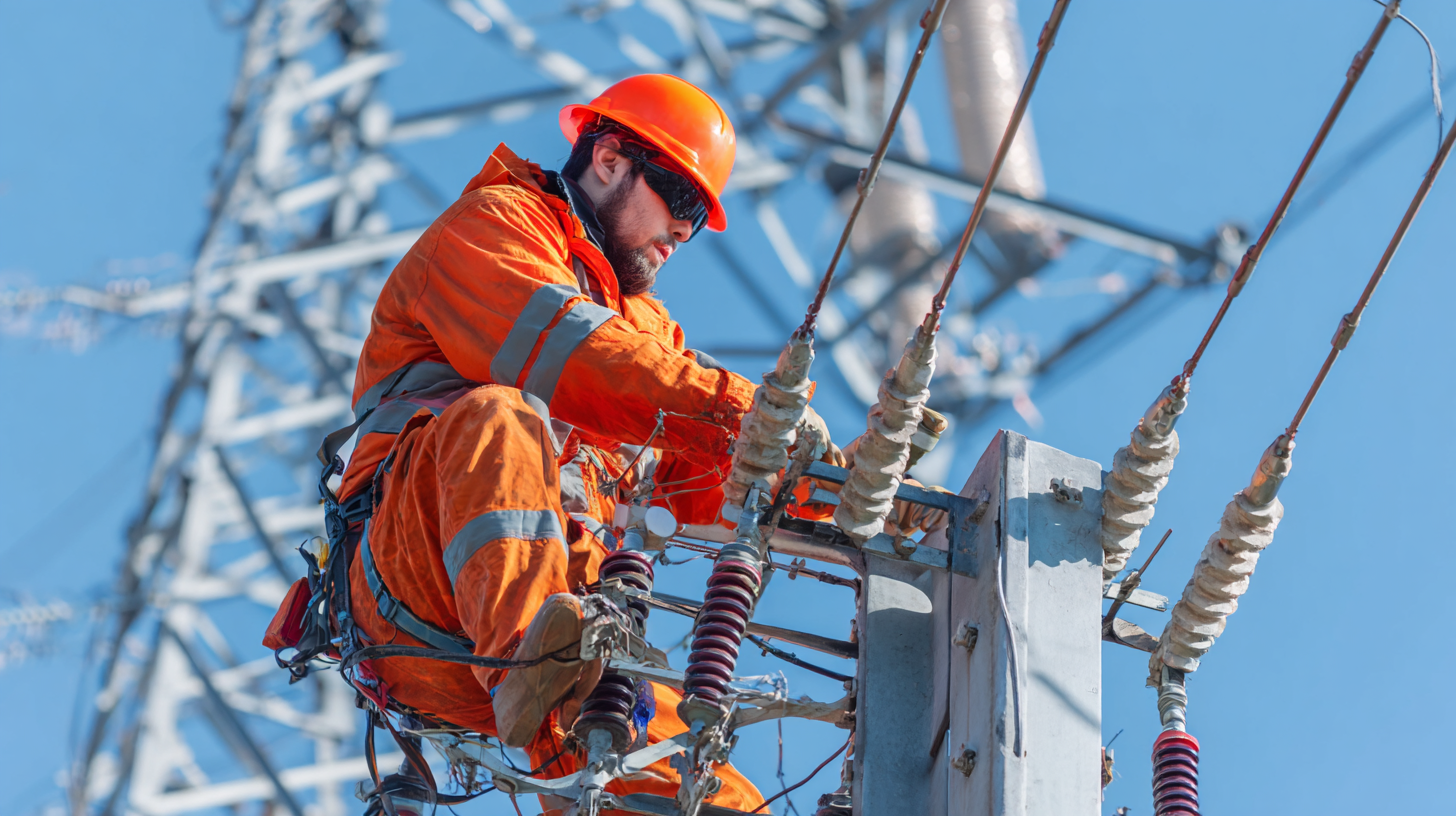
When you're working with high voltage isolator systems, it's really important to understand and stick to the relevant safety standards and regulations. Different places and industries have their own rules about how these high voltage devices should be used safely. Getting familiar with these guidelines isn’t just about staying safe — it also helps you avoid legal trouble down the line. Plus, it’s a good idea to keep checking in with updated resources and regulatory agencies, because rules can change and you want to stay in the loop.
Here's a pro tip: make it a habit to do regular safety audits on your high voltage setups. Taking this proactive approach can help spot any potential issues early on, making sure your equipment and practices are always on point with the latest rules.
Another key thing is making sure your isolation equipment has proper certifications. These certify that the gear has been tested thoroughly and meets all safety standards. Working with manufacturers who can prove their equipment's compliance will not only boost your credibility but also create a safer workspace for everyone.
And don’t forget — keep records of all your equipment certifications and maintenance checks. Having this documentation handy can be a lifesaver during inspections and audits, so stay organized!
Enhancing Electrical Infrastructure Resilience: A Comprehensive Analysis of U210B IEC Standard 210kN Suspension Glass Insulators in Modern Utilities
The advent of modern utilities necessitates the adoption of robust electrical infrastructure, especially in the face of increasing environmental and operational challenges. The U210B IEC standard 210kN suspension glass insulators have emerged as a crucial component in enhancing the resilience of power supply systems. These high-quality insulators are designed to withstand extreme voltages and environmental stresses, making them ideal for both AC and DC applications. Among the leading products available, the QOCI Electric's toughened suspension glass insulators stand out for their superior performance and reliability.
The 210kN U210B high voltage cap and pin type insulator offers exceptional mechanical strength, ensuring that it can endure harsh weather conditions while simultaneously providing reliable insulation for power transmission lines. Its ball and socket type design further enhances its flexibility and adaptability, allowing it to cater to various installation requirements. Additionally, the toughened glass construction guarantees durability, reducing the likelihood of maintenance and replacement. With a focus on resilience, these insulators are critical for modern electricity distribution networks, ensuring uninterrupted power supply and increased operational efficiency across utilities.
FAQS
: The primary benefit is their ability to securely disconnect electrical circuits for maintenance, minimizing the risk of electrical shock to technicians.
Isolators prevent accidental re-energization of circuits, which can lead to catastrophic accidents, thereby enhancing overall safety.
They protect sensitive electrical components from voltage spikes and fault conditions, extending the lifespan of critical infrastructure.
Adhering to regulatory standards is crucial for ensuring electrical safety and avoiding legal repercussions from non-compliance.
Conducting regular compliance audits of your high voltage systems helps identify safety gaps and ensures alignment with the latest regulations.
Necessary certifications for isolation equipment must be obtained to assure that it meets safety standards through rigorous testing.
Engaging with manufacturers who provide documented evidence of compliance can bolster credibility and contribute to a safer work environment.
Keeping records is invaluable during inspections and audits, helping to demonstrate compliance and safety standards.
Conclusion
In this article, we’re going to explore how Isolator High Voltage plays a crucial role in making electrical systems safer overall. We’ll start off by breaking down what Isolator High Voltage actually is and why it matters so much. From there, I’ll cover some of the main perks—things like better reliability and fewer chances of electrical failures. We’ll also talk about the best ways to implement these safely, including common problems folks often run into and practical tips to handle them. Plus, I’ll share some insights on monitoring and maintenance routines that keep everything running smoothly and in compliance with safety standards. And hey, with Jiangxi QOCl Electric Co. Ltd.'s expertise in making top-notch glass insulators, using Isolator High Voltage can really help create more secure and efficient electrical setups—that’s a win-win all around!